Beginner Guide to Bear Canisters
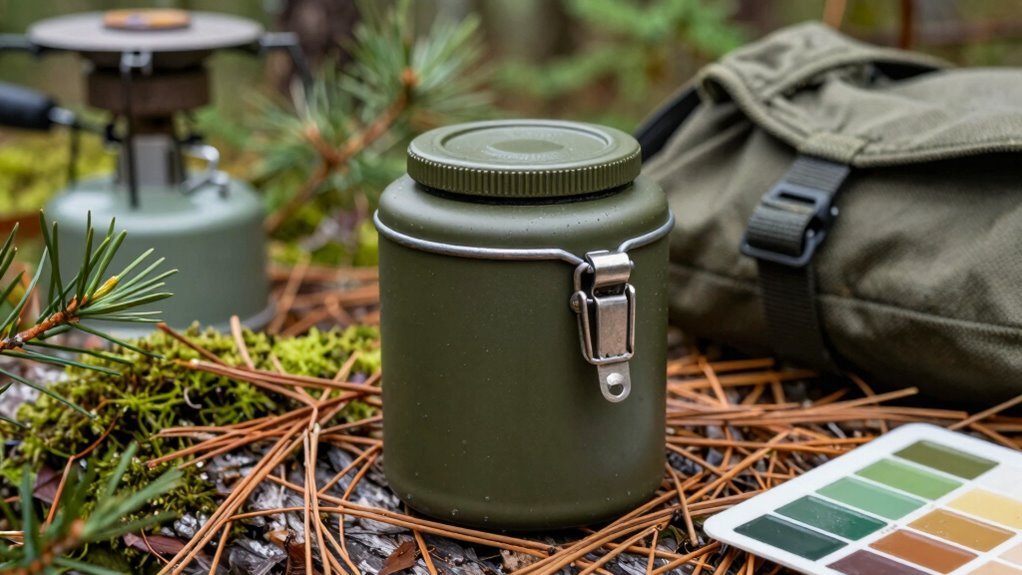
You’ll want a bear canister to keep your grub locked up tight—bears love your snacks more than you do. These tough, IGBC-certified containers are essential for any backcountry trip where food safety is a concern.
A bear canister stops curious bears and sneaky raccoons in their tracks, protecting both you and the wildlife. They come in various styles, including tall cans, roomy barrels, and packable cubes.
Store your bear canister 100 feet from camp, downwind, and filled with all smelly items—including food, toiletries, and even toothpaste. Choose the right size, pack it smart, and sleep easy knowing your dinner is safe.
Why Bear Canisters Are Essential in the Backcountry
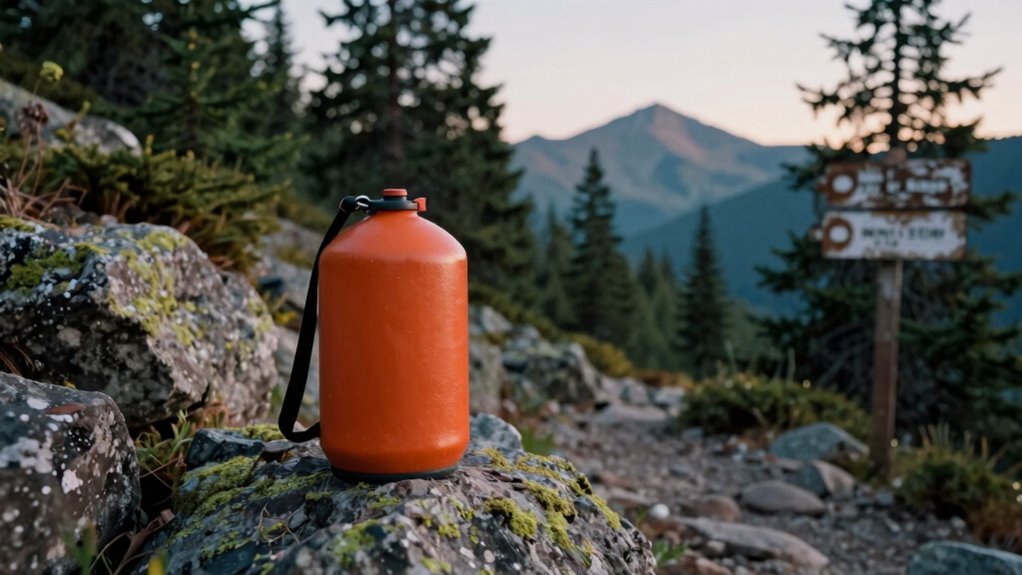
Ever wonder why that shiny, bullet-shaped container has become a backpacking essential?
Well, those clever black bears aren’t just cute—they’ve grown from 10,000 to 60,000 in California alone and now roam nearly every corner of the High Sierra.
They’ve learned to sniff out food better than a bloodhound at a bake sale, and let’s face it, your peanut butter sandwich is basically gourmet to them.
Hangs?
Forget it—bears defeat up to 10 per night in spots like Lake Aloha.
Whistles and noisy pots?
Barely make them blink.
Even experienced campers get outsmarted.
That’s why parks from Yosemite to the Adirondacks now require bear canisters.
They’re the only method tough enough to keep snacks secure, reduce dangerous encounters, and protect both you and the bears.
71% of incidents occurred in just four high-use areas, highlighting the importance of proper storage even in popular spots.
Skip the drama—pack a canister and let the bear-proof magic do the work.
How Bear Canisters Protect You and Wildlife
What if the secret to a safe, bear-smart trip isn’t hiding your food better—but locking it up like buried treasure in a tiny, unbreakable vault? You’re not just protecting your snacks; you’re keeping bears wild and safe.
When bears can’t get human food, they stay wary, not wired for junk. In places like Yosemite and Desolation Wilderness, canisters slashed break-ins and habituation—no more bears obsessed with granola bars or raiding campsites nightly.
You’re also staying safer; fewer curious bears mean fewer scary encounters.
Best part? You’re not just saving yourself, but the bears too—fewer get euthanized for doing what comes naturally.
Cars, hangs, and bags fail; canisters win. They’re tough enough for grizzlies, clever raccoons, and even persistent marmots.
Plus, they’re lightweight, easy to pack, and way more fun than yelling at a bear at 2 a.m.
You’re not just hiking—you’re helping protect the wild, one secure snack at a time.
In the Adirondacks, 90% compliance with bear-proof canisters has led to a dramatic drop in conflicts and helped keep both hikers and bears safe.
Understanding Bear-Resistant Certification Standards
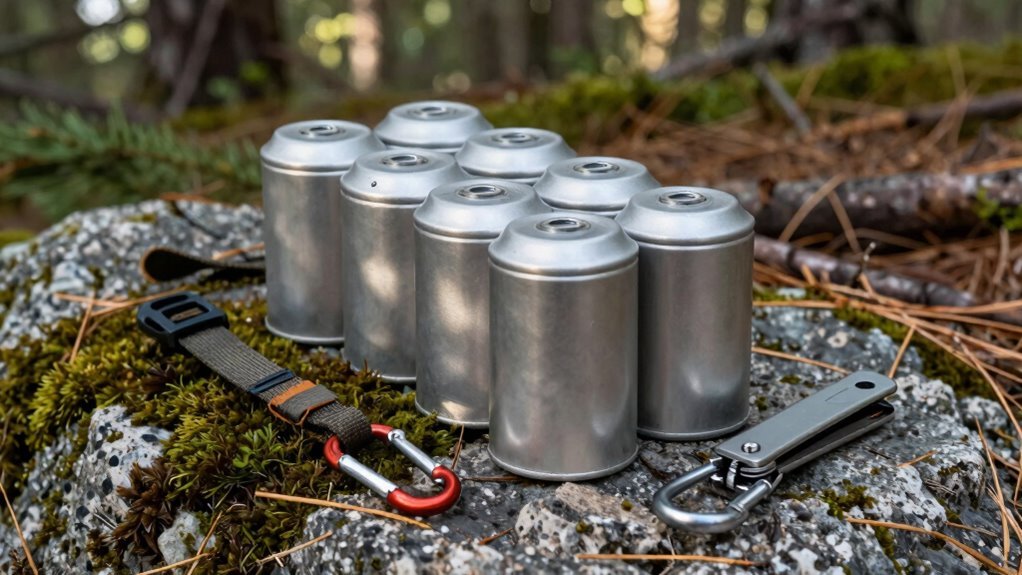
Think of an IGBC-certified bear canister as your backpacking bouncer—tough, reliable, and built to keep unwanted guests out of your snack stash.
The Interagency Grizzly Bear Committee (IGBC) tests each model using real bears or strict lab checks, so you know it’s earned its stripes.
They drop weights, press metal rods into seams, and even let curious grizzlies rumble it for 90 minutes!
Only models that pass get the official IGBC logo and a unique certification number—check for both before buying.
Certification isn’t lifetime, either; manufacturers must keep quality high and pay yearly fees.
And while it’s not 100% bear-proof, it’s the gold standard since 1989.
National parks, forests, and even some towns require these bad boys where bears roam.
Products must be submitted to designated testing centers for evaluation.
Types of Bear Canisters: Can vs. Cube vs. Barrel
Now that you’re squared away on what makes a bear canister legit—thanks to those tough IGBC tests—let’s talk about the fun part.
picking the right shape for your backcountry buddy.
- Cans (Cylindrical): Think soda can on steroids—these stand tall in your pack vertically or stretch out horizontally in bigger bags, fitting snug as a bug.
- Cubes (Rectangular): The Garcia’s got corner game—sleek, tapered edges slide easily into tight pack spaces like a puzzle piece made for backpack Tetris.
- Barrels (Fat & Wide): These wide boys stand firm, offering max volume without tipping—great for spreading out supplies like your trail mix empire.
- Soft “Bags” (Ursack-style): Not a canister, but worth a nod—light as air, packable, but tosses waterproofing out the window when it rains.
Shape matters—choose your adventure buddy wisely.
How to Choose the Right Size for Your Trip
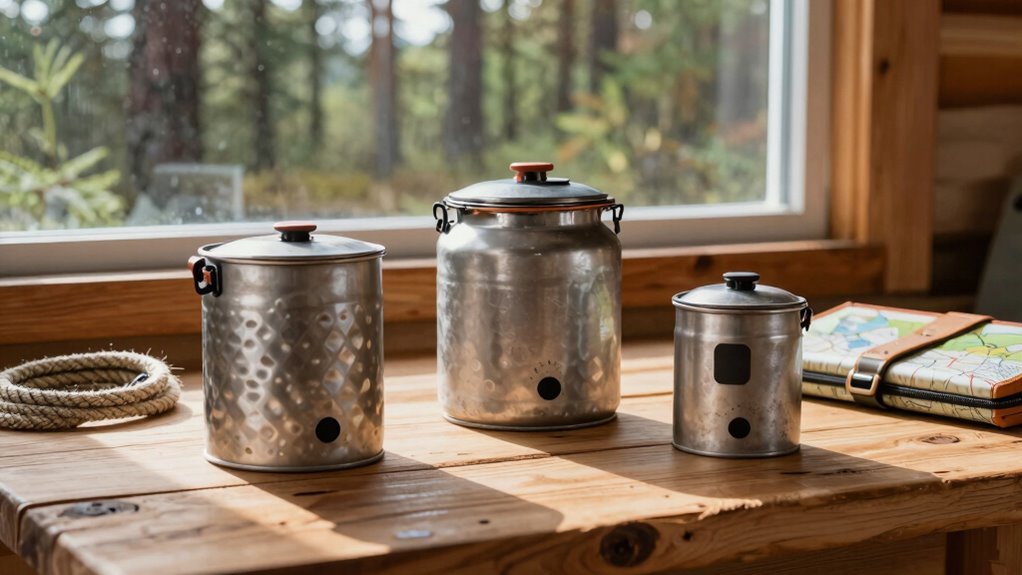
How’s your appetite looking for the trail? If you’re planning more than a weekend hike, you’ll need a canister that matches your trip length and hunger level.
Most models hold 3–5 days of food, but bigger adventures need bigger bins.
A 500 cubic inch canister? That’s about 5 days of grub.
The BV500 packs 7 days—perfect for weeklong rambles.
Going longer? The Bearikade Expedition juggles 12–13 days if you’re a hungry hiker.
Plan meals ahead, choose compact foods, and you’ll squeeze in more.
The BV475 fits 6 days with smart packing, and the Ursack Major XL hauls 9.
No single canister fits 10 days, so team up two if needed.
Check capacity in cubic inches or liters—BV425 is 5L, BV500 is 11.5L.
Pick right, and you’ll feed your belly without feeding the bears. Win-win!
Weight and Packability: Balancing Bulk and Function
What’s heavier than a bear but lighter than your pack’s peace of mind? Your bear canister, of course!
Weighing between 2–4 lbs, these tough containers keep your snacks safe while adding bulk you can’t ignore.
Go light with a 2-lb BearVault BV450, or pick a beefier 3.7-lb Bear Keg if durability’s your jam.
Bigger models pack more volume per ounce—smart for long hikes—and shapes vary wildly, so consider how yours fits your pack.
You’ll love squeeze-friendly shapes or flat lids that double as a seat.
Share one with your crew and split the weight, literally!
- BV450: Slim, packs anywhere, fits 2–4 days of food
- BV500: Transparent, 7-day capacity, fits most packs vertically
- Bear Keg: Heavy (3.7 lbs), tall, needs a big pack
- Bearikade: Lighter carbon build, 22% more efficient, squishes in extra food
Top Approved Bear Canister Models for Beginners
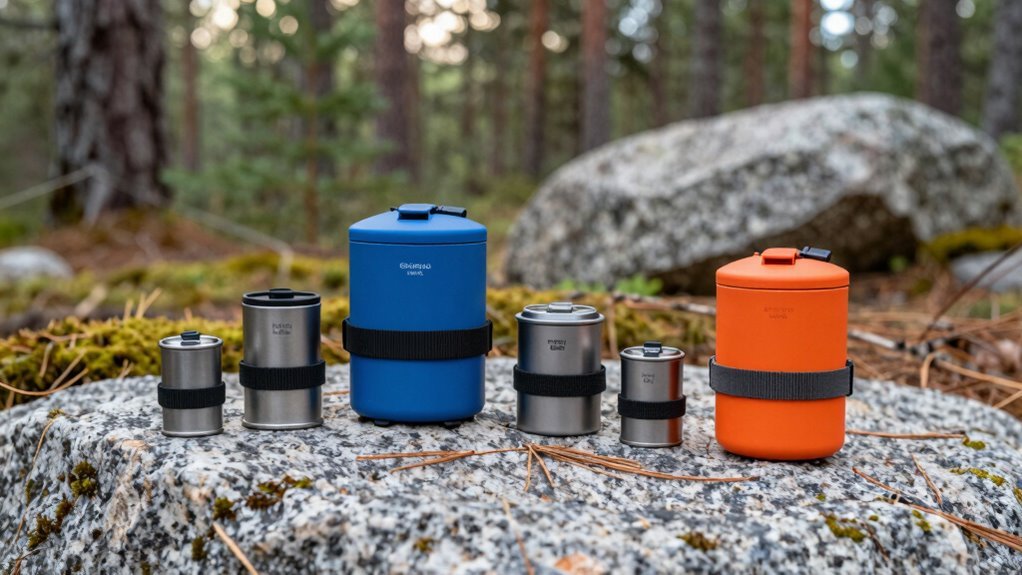
Picking your first bear canister? You’re in luck—there are solid options built just for beginners.
Try the BearVault BV500: it’s transparent, so you’ll never forget where you packed the snacks, and its nub system opens without tools—perfect when you’re tired after a long hike.
If you’re heading into grizzly country, the Counter Assault Bear Keg is your armored tank—approved everywhere, though it needs a coin to crack open.
Lighten your load with the Wild Ideas Bearikade Weekender, a thru-hiker favorite with serious strength and a sleek carbon build.
Prefer something that doubles as a seat? The Frontiersman Insider’s tapered shape slips easily into your pack and supports your backside—though skip it in Yosemite.
And for flexible storage, the REI Traverse Modular lets you size down for overnights or go big for longer trips—bright orange so you won’t lose it in the brush!
Step-by-Step Guide to Packing Your Bear Canister
You’ve picked your bear canister—maybe it’s the clear-as-day BearVault or the tough-as-nails Bear Keg—and now it’s time to turn that empty cylinder into a survival puzzle you’ll actually enjoy solving.
Packing it right keeps smells locked down and space smart. Think of it like Tetris with snacks—fun and kinda crunchy.
- Load backwards: Stick your last day’s meals at the bottom so you eat from the top down—no digging needed.
- Bag it up: Seal everything in Ziplocs to trap odors; bears have noses like bloodhounds, so don’t give them a whiff.
- Fill the gaps: Tuck trail mix, bars, and toilet paper into empty spaces—every inch counts, no air pockets allowed.
- Top off smart: Keep trash, toothpaste, and wrappers near the lid so you can grab ‘em fast when camp rolls around.
Now go pack like a pro—and sleep sound knowing dinner isn’t someone else’s midnight snack.
Best Practices for Storing and Placing Your Canister at Camp
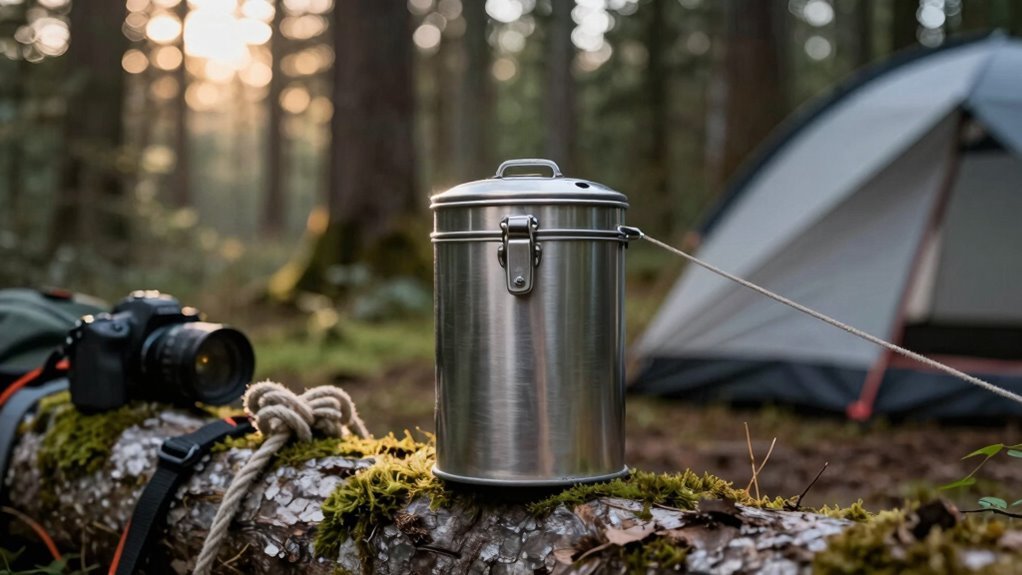
While bears mightn’t RSVP to your camp dinner, they’ll definitely show up if they catch a whiff of your snacks—so don’t let your hard-packed meal plan become an all-you-can-eat buffet for wildlife.
Store your canister at least 100 feet from camp, downwind and away from cliffs or water.
Tuck it in brush, behind rocks, or under a log—just keep it off the ground if guidelines allow.
Wedge it upside-down for stability and rain protection, and never sleep with it nearby.
Keep all scented stuff inside—yes, even toothpaste and that juicy lip balm.
Skip using it as a chair or stove stand (melty lids aren’t a good look).
Slap on reflective stickers so you can find it fast, even if a curious squirrel gave it a joyride.
Check the rules—places like Yosemite require canisters—because no one wants a surprise bear at bedtime.
Frequently Asked Questions
Can I Use a Bear Canister for Other Animals Like Raccoons?
Yes, you can absolutely use a bear canister for raccoons—it’s like giving your food a force field.
Those clever bandits can’t crack the tough, lockable lids, and they’ll give up fast.
Unlike flimsy bags or hangs, canisters laugh off claws, teeth, and sneaky paws.
Plus, they’re awesome for squirrels, marmots, and even nosy camp neighbors—raccoon-proof *and* drama-proof!
Are Bear Canisters Allowed on All Hiking Trails?
No, bear canisters aren’t allowed everywhere—but they’re required in many wild places where bears roam.
You’ll need one on the PCT, in Yosemite, or Olympic National Park, yet some trails let you hang food.
Rules change trail to trail, so you always check ahead.
Think of it like packing a toothbrush: sometimes optional, often essential.
When in doubt, bring it—bears don’t forgive forgetful hikers!
Do I Need a Bear Canister in Winter Months?
You usually don’t need a bear canister in winter—bears are snoozing in their dens, dreaming of picnics you’ll have to pack up next season.
From late November to March, hibernation keeps them out of your snacks.
That said, some areas still require canisters, so you’d better check local rules.
When in doubt, stash food in a locked car or snow trench—just don’t test a bear’s winter wake-up call!
Can I Store Toiletries Inside My Bear Canister?
Yes, you can—and should—store your toiletries inside your bear canister.
Think of it as a mini vault: toothpaste, deodorant, even that minty chapstick you love, they’re all bear magnets.
Sealing them tight keeps curious bears from crashing your wilderness adventure.
It’s not just smart, it’s often the rule.
Plus, nothing spoils a campfire story like a raccoon stealing your sunscreen.
Stay safe, stay tidy, and let the canister do the heavy guarding!
What Should I Do if My Canister Gets Damaged?
You spot damage on your canister?
Don’t panic—you’ve got this!
First, check latches, hinges, and seams for cracks or warping.
If it’s from a bear or defect, snap pics inside and out, then contact the maker—most replace or fix it free.
Never risk it: a compromised canister’s no match for a curious bear.
And hey, think of it as your canister earning battle scars—just get it replaced before your next adventure!
Conclusion
You’ve got this—packing a bear canister is like tucking your snacks into a fortress, one even Yogi can’t crack. It keeps critters curious and you carefree. With the right size, a smart pack, and a spot away from camp, you’re golden. Think of it as your backpacking buddy, quiet, reliable, and a little quirky. Now go, explore, and let the woods work their magic!
References
- https://andrewskurka.com/bear-canister-failures/
- https://dec.ny.gov/nature/animals-fish-plants/black-bear/management/bear-resistant-canisters
- https://wildlife.ca.gov/Conservation/Mammals/Black-Bear/Blog/bear-canisters-now-required-for-backpackers-in-desolation-wilderness
- https://www.pcta.org/discover-the-trail/backcountry-basics/food/bear-canister-protecting-your-food/
- https://thetrek.co/why-i-always-carry-a-bear-canister-when-thru-hiking/
- https://bearwise.org/bear-safety-tips/backcountry-food-storage-and-safety-tips/
- https://appalachiantrail.org/experience/hike-the-trail/essential-skills/safety/bears-food-storage/
- https://measures.wcs.org/Metric-Details/m/5
- https://bearvault.com/do-bear-canisters-work/
- https://www.rei.com/learn/expert-advice/bear-resistant-canisters.html