Troubleshooting Packing a Backpack on the Trail
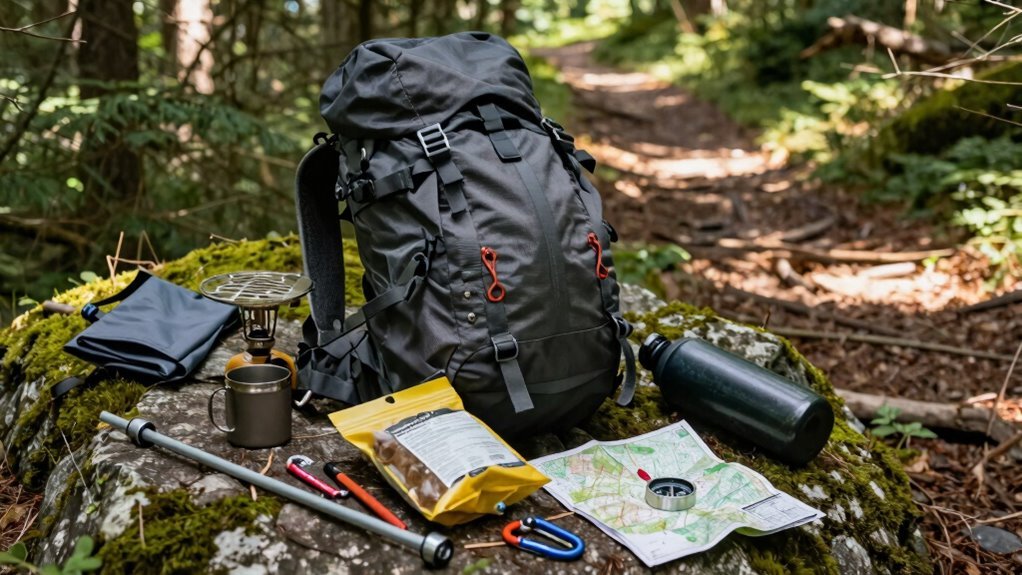
If your backpack is bouncing like a kangaroo or digging into your hips, it’s time to rethink your packing strategy. A poorly packed backpack can ruin an otherwise great hike, so troubleshooting packing a backpack on the trail is essential for comfort and efficiency.
Keep heavy gear centered and close to your back, with hip belt positioned over your hips for optimal weight transfer. Tighten shoulder and load-lift straps firmly but comfortably to stabilize the load without restricting movement.
Balance weight evenly from side to side and secure any dangling straps to prevent snags. Store frequently used items in accessible pockets for quick reach without unpacking.
A well-packed backpack hugs your back, rides smoothly, and enhances stability on uneven terrain. With airflow-ready designs, you’ll hike faster, sweat less, and stay cooler—boosting both performance and comfort.
Uneven Weight Distribution
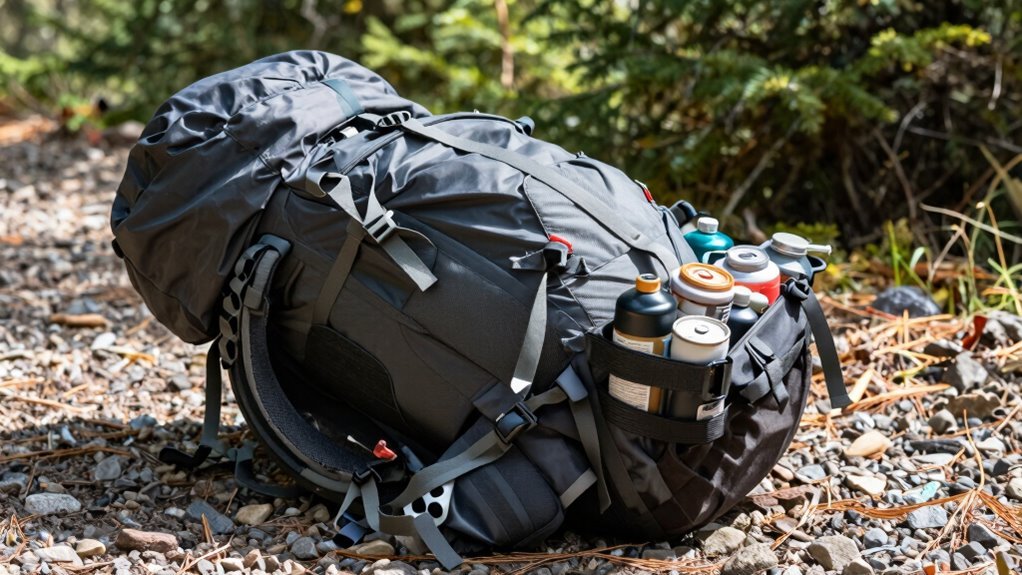
When you’re hiking uphill and your pack starts pulling you backward like it’s trying to moonwalk off your shoulders, uneven weight distribution is probably the culprit.
You’ve packed heavy gear too low or too far out, and now your balance is toast.
Fix it fast by shifting dense items like water or food closer to your spine and centered in the pack.
That pulls the load in, keeping your gravity point near your body like a well-balanced backpack hug.
You’ll feel more in control, like you’re gliding up the trail instead of wrestling gravity.
Remember, 80% of the weight should ride on your hips—thanks to that snug waistbelt over your hip bones—while shoulders just guide the load.
Keep snacks and maps handy, but don’t let frequent access mess with your core balance.
Pack smart, hike happy, and stop letting your gear think it’s the leader.
Comfortable hiking backpacks are designed to support this balance by aligning with your body’s natural movement.
Slipping or Misaligned Shoulder Straps
If your shoulder straps keep sliding off like they’re trying to escape your hike altogether, don’t panic—you’ve got this.
A few simple tweaks and you’ll be back on track, comfortable and secure.
First, make sure your torso length is right—straps should sit snug between your shoulders, not hiking up your neck or sagging too low.
Check that you’ve loosened everything before loading your pack, then tightened in the right order: hipbelt first, then shoulder straps, then load lifters.
And don’t forget the sternum strap—it’s like a seatbelt for your shoulders, keeping them centered and stable.
- Adjust torso length so anchor points match your shoulders
- Position sternum strap just below collarbones for a snug fit
- Tighten shoulder straps after the hipbelt to balance the load
Make sure the load lifters are properly tightened to pull the top of the pack closer to your back and reduce sway.
Overloaded Hip Belt
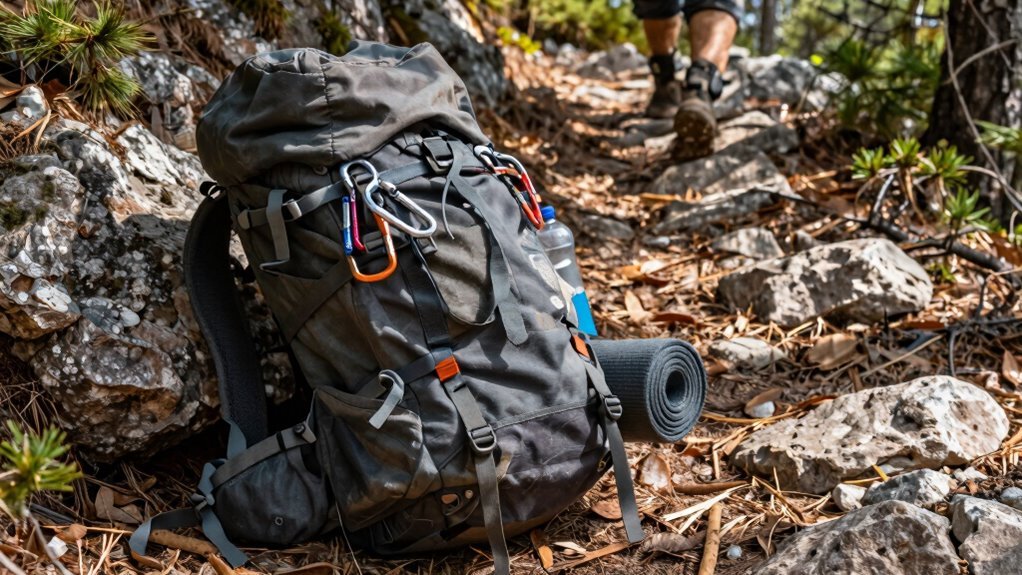
You’ve got your shoulder straps snug and your sternum strap clipped like a pro—maybe even doing a little victory dance because your pack finally feels balanced.
But if your hip belt’s pinching, riding low, or making your hips scream after a few miles, you’ve got an overloaded hip belt problem.
When it sits too low, it grinds on your IT band, causing tightness and pain down to the knee.
Keep it perched on your iliac crest—the top of your hips—so weight transfers smoothly.
Overpacking stresses your joints, strains tendons, and can even wreck your pack’s frame.
Heavy loads mess with posture, making you lean forward like a grumpy turtle.
And if your hip belt’s too tight or improperly adjusted, it’s not helping—it’s hurting.
Ditch the kitchen sink mentality; pack smart, stay centered, and let your hips do their job without the drama.
This misalignment can lead to hip belt location matters over time.
Loose or Bouncing Pack
That loose, bouncy pack isn’t just annoying—it’s turning your smooth trail glide into a clumsy dance move nobody asked for.
You’re hiking, not auditioning for a backpack ballet. Keep your pack snug and stable with these quick fixes:
- Tame flapping straps with electrical tape or two-sided Velcro—just roll and stick for a clean, quiet finish.
- Trim excess strap length (after sealing with a flame) if you’re sure you won’t need the extra, avoiding snags and sloppy swings.
- Repack strategically: center heavy gear, tighten shoulder and compression straps, and lean forward to pull tension tight.
A secure pack means less jiggle, more joy.
No more waddling like a penguin down the trail—adjust that load, lock it in place, and stride smoothly forward.
Your back will thank you when every bounce is banished and your hike feels light, balanced, and totally in control.
Inaccessible Essentials
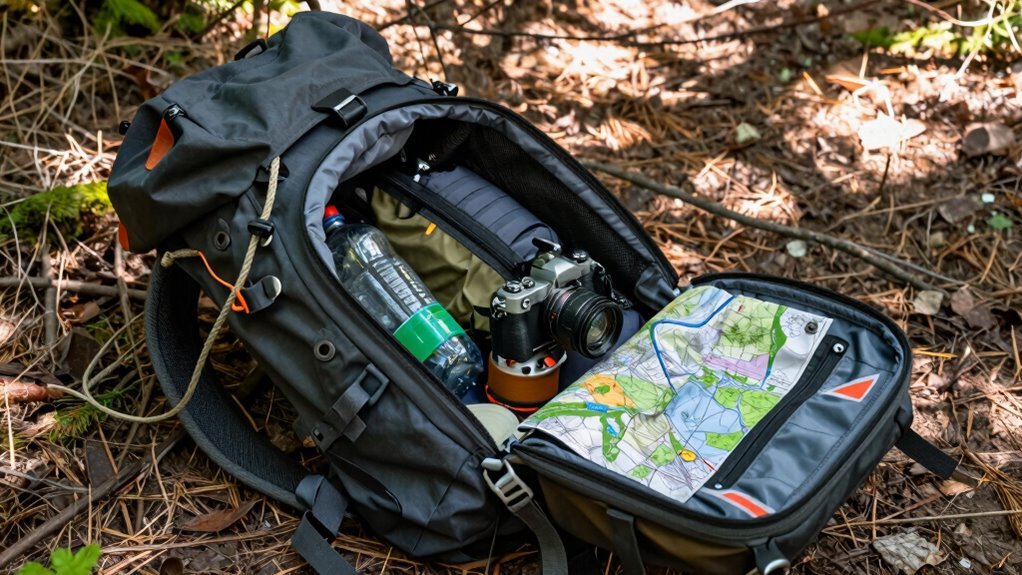
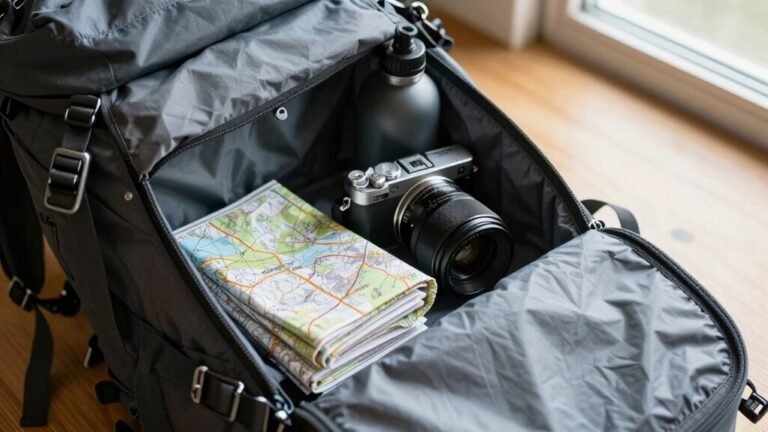
Now that your pack sits snug and steady on your back, it’s time to make sure you’re not fumbling around like a squirrel in a snack bag every time you need something. Keep snacks, weather layers, and your map in easy-reach spots—you’ll thank yourself when clouds roll in fast or your energy dips mid-hike.
Stashing your first aid kit, headlamp, or GPS deep in the abyss? Bad move. When night falls or a blister flares, you want those in seconds, not after a full pack excavation.
Use outer pockets wisely: one for navigation, one for safety gear, and maybe one for that emergency chocolate bar.
No more digging like a dog at a bone—organize now so you’re cool, calm, and collected when trail surprises hit. Smart pockets today mean you won’t be that panicky hiker digging through socks for sunscreen.
Sagging or Bottom-Heavy Load
Why does your pack feel like a sack of potatoes sliding south every time you hit the trail?
It’s likely sagging or bottom-heavy because you’re carrying too much weight too low, or it’s all lopsided.
Keep heavy gear centered around your shoulders, not dragging near your butt, so your spine stays happy and your balance stays sharp.
Water bottles on just one side? That’s a one-way ticket to Tilt Town—weighing 2.2 pounds per liter, they’ll pull you sideways faster than you realize.
And don’t forget: use those nifty straps!
Compression and load lifters are your best friends for keeping everything snug and centered.
- Place heaviest items at mid-back level
- Balance water and heavy gear side to side
- Tighten load lifters and compression straps for stability
Excess Bulk Causing Imbalance
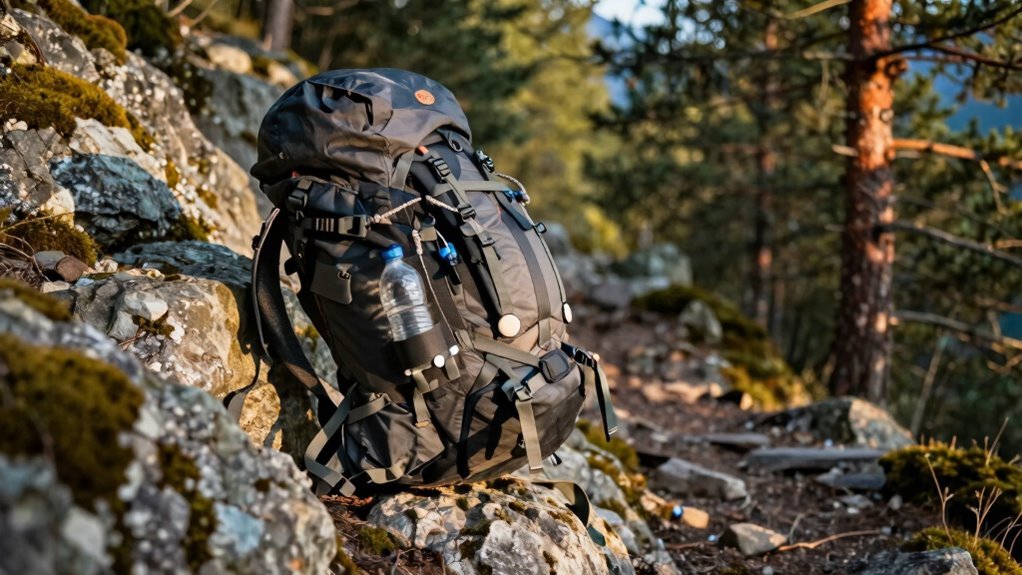
You’ve got the sagging under control, but what if your pack still feels like a wobbly Jenga tower threatening to topple with every step?
That shaky, top-heavy beast means excess bulk is throwing you off balance.
When heavy gear sits too high or too far out, it yanks your spine out of alignment and forces your back and neck to work overtime.
You’ll start leaning forward like a tired mule, and those little muscles tire fast.
Keep heavy stuff—like your food or stove—close to your back and centered to stay balanced.
Your hip belt can’t do its job right if the bulk’s all in the wrong place, so don’t let it turn into a decorative belt!
Remember, even if everything fits, overstuffing adds wobble and strain.
Trim the load, stay centered, and hike happy—because nobody wants to wrestle their pack like a confused octopus.
Gear Falling Out of External Pockets
While trekking down a dusty trail, you grab for your water bottle—only to watch it tumble into the scrub like it’s making a break for freedom.
Frustrating, right? Over time, UV rays and constant use loosen the elastic on mesh pockets, turning your trusty bottle holder into a glorified shelf.
And if your pack’s design blocks pockets with straps or uses floppy, non-stretchy fabric, good luck keeping gear secure.
But don’t sweat it—fixes are easy and trail-friendly.
- Cord and toggle: Thread a cord with a toggle to cinch the pocket shut around your bottle.
- Shock cord: Run elastic across the top with adjustable knots for a snug, bouncy hold.
- Safety pin hack: Pin a scrap of elastic across the top to temporarily restore tension—no sewing needed.
These quick tweaks keep your gear where it belongs: handy, not scattered.
Poor Ventilation Leading to Excessive Sweating
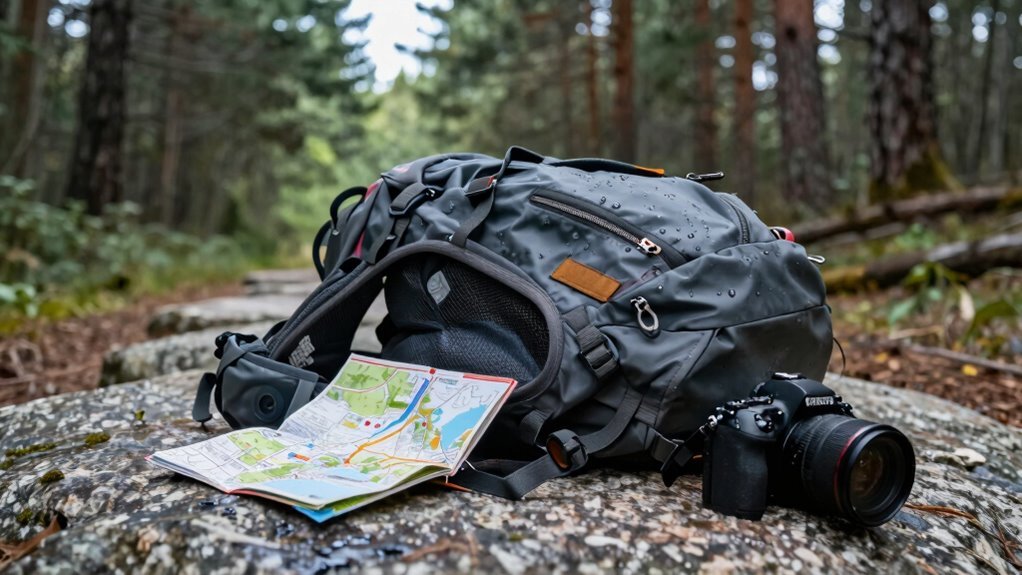
You just secured your water bottle so it stops playing escape artist, but now your back’s soaked before you’ve even hit the trailhead. Classic.
Traditional packs trap heat like a sauna, thanks to thick padding and zero airflow. That steamy mess? It’s your body screaming for ventilation.
Without a gap, sweat builds fast—especially uphill—leaving you drenched, chilled when you stop, and hauling extra water just to keep up.
But here’s the fix: smart designs like trampoline mesh or lightweight frames create airflow that actually works. They let heat escape, not collect.
Top picks like Deuter’s Aircomfort slash sweat by 25%, and tiny frames under 4 oz boost airflow on any pack.
Pair them with quick-dry clothes, and you stay comfy whether it’s 41 or 100 degrees.
Hundreds swear by them after 1,000+ miles.
Stay cool, stay dry—your back will thank you.
Frequently Asked Questions
How Do I Choose the Right Backpack Size for My Torso?
You pick the right backpack size by measuring your torso first—grab a friend to help tape from your neck bump down to your hip line.
Got your number?
Match it to the brand’s chart, sizing up if you’re on the edge.
Remember, your torso, not your height, tells the pack where to sit.
A proper fit means less squirming, no shoulder drama, and happy hikes—because nobody likes a backpack that double-crosses them halfway up a trail!
Can I Pack a Bear Canister Without Unbalancing My Load?
Yes, you can pack a bear canister without tipping your load—just tuck it close to your back like a secret treasure.
Slide it low and centered, like a spine-hugging backpack ninja.
Surround it with soft clothes like bubble wrap, snug and secure.
Keep heavy stuff off the sides, and don’t let it wobble like a tipped soda.
Balance it right, and you’ll walk smooth, not stumble like a pack mule on ice.
What’s the Best Way to Clean a Sweaty Backpack?
You’re gonna love how fresh your backpack feels after a good cleaning!
Just grab some lukewarm water and OxiClean or Nikwax Tech Wash—your stink-fighting superhero.
Empty all pockets, scrub gently with a soft brush, and really work that soapy magic on the sweaty back panel and straps.
Rinse it super well, then hang it to dry in the sun like it’s晒in’ after a wild adventure.
Voilà—good as new!
Should I Pack Heavy Items High or Low for Steep Climbs?
You’re not lugging boulders to your shoulders like some trail-summit Hercules—keep heavy stuff *low and close* to your back, buddy!
Slap those dense items—food, fuel, cookware—right in the middle against your spine.
It’ll balance you better than a yoga goat on a tightrope.
High weight wobbles you; low weight = steady, smooth, and way less “help, I’m tipping forward!” energy.
How Often Should I Readjust My Pack on Long Hikes?
You should readjust your pack every hour on long hikes—don’t wait for discomfort to tap you on the shoulder like an annoying hiking buddy.
Tighten things up at rest stops, especially if you’ve shed layers or munched through half your snacks.
Feel pressure points? Fix ’em fast.
And hey, if your pack’s dancing more than you on the trail, tweak those straps.
Small tweaks keep fatigue and sore spots at bay—happy hips mean happy trails!
Conclusion
So there you have it—pack happy, hike happy! Think of your backpack as a stubborn mule: load it right, and it’ll follow without fuss. Fix those straps, balance the weight, and keep essentials close, like snacks (because hangry hikers aren’t fun). A well-packed pack feels light as a feather, even when it’s stuffed. Now get out there, own the trail, and let your backpack be your trusted sidekick, not your worst enemy!
References
- https://lighthikinggear.com/blogs/hiking/outsmarting-the-terrain-how-to-handle-slippery-trails-and-uneven-ground
- https://www.outdoors.org/resources/amc-outdoors/outdoor-resources/carry-in-comfort/
- https://backpackinglight.com/forums/topic/23934/
- https://trekology.com/blogs/gear/backpack-weight-distribution
- https://www.salomon.com/en-us/sg/a/how-to-properly-adjust-your-backpack
- https://www.rei.com/learn/expert-advice/backpacks-adjusting-fit.html
- https://www.youtube.com/watch?v=uXRYPPhpBSE
- https://www.youtube.com/watch?v=uMiL7RBhEf0
- https://www.youtube.com/watch?v=Qb33pRWkzCs
- https://www.backpacker.com/skills/backpacking-fitness/hip-pain-while-hiking/