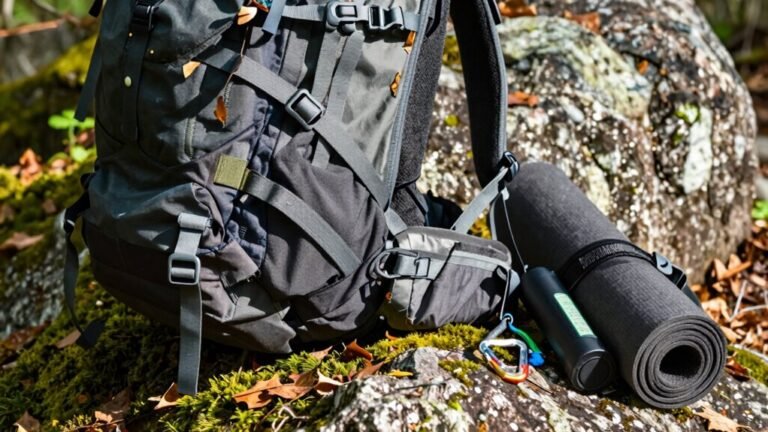
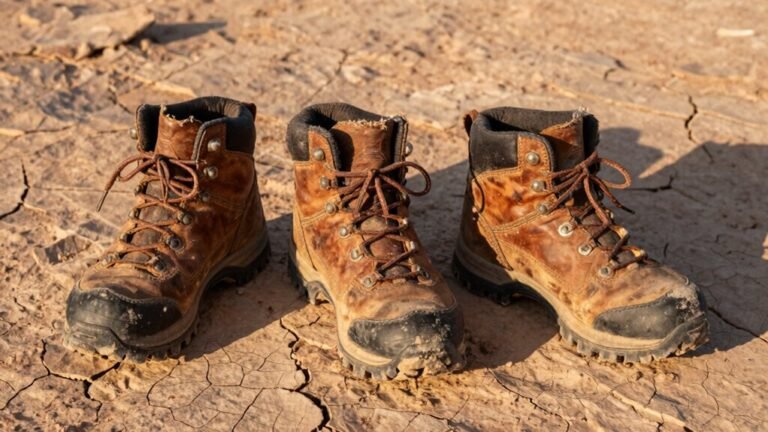
Packing a Backpack Vs Boots: Which Should You Pick?
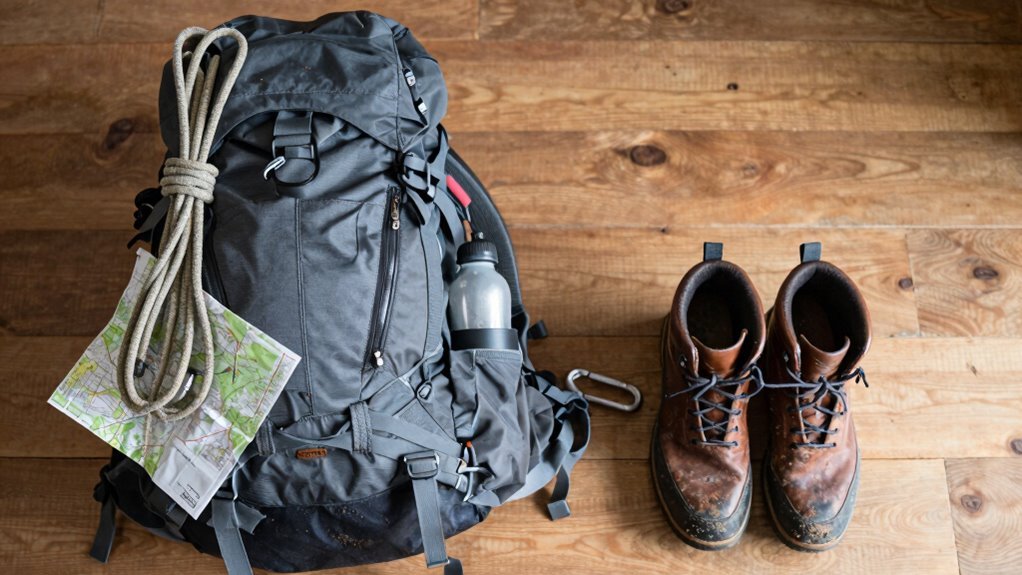
You’re carrying your world on your back and your feet are doing the real work—so when deciding between a backpack and boots, prioritize footwear that supports the terrain. Skip the packed-to-the-brim backpack if your boots are screaming for mercy.
Lighten up with trail runners on smooth trails; they’re comfy, nimble, and save energy like ditching six water bottles. Your feet will thank you on long, low-impact routes where agility matters most.
But when the path turns ugly with mud, rocks, or surprise downpours, sturdy boots are your superhero capes. Matching boots to terrain keeps you happy, dry, and moving strong—your next adventure’s secret sauce is hiding just ahead.
Understanding the Role of Your Backpack
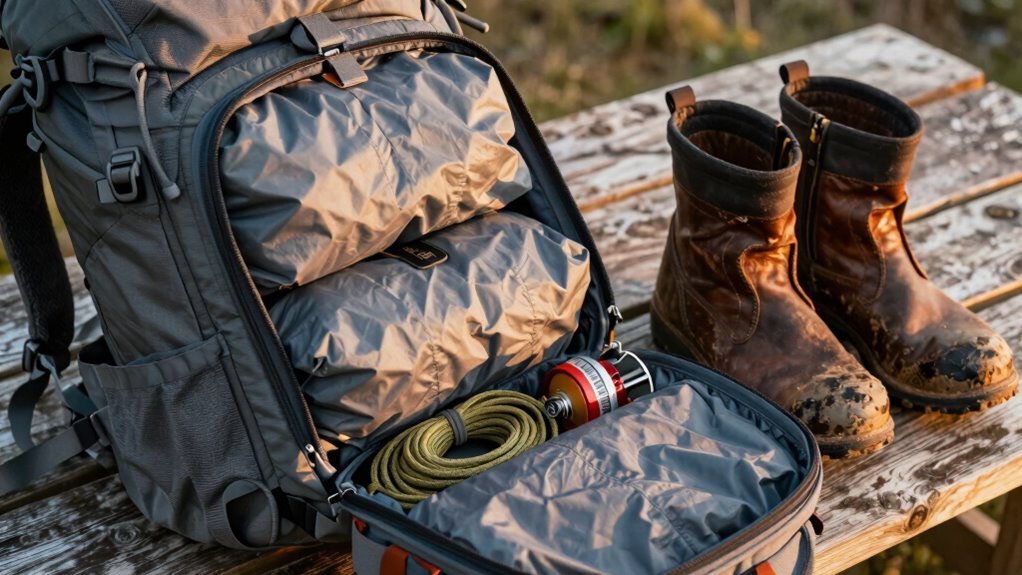
Ever wonder how you’ll haul days’ worth of food, shelter, and gear through the wild without turning into a grumpy pack mule?
That’s your backpack’s job—carrying 30 to 70+ pounds so you don’t have to.
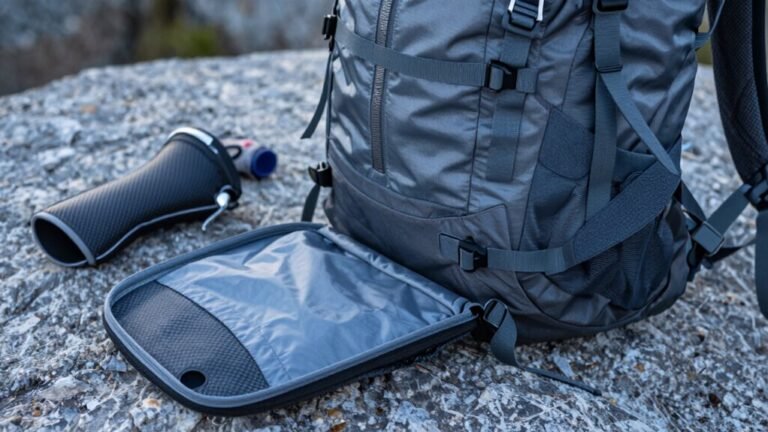
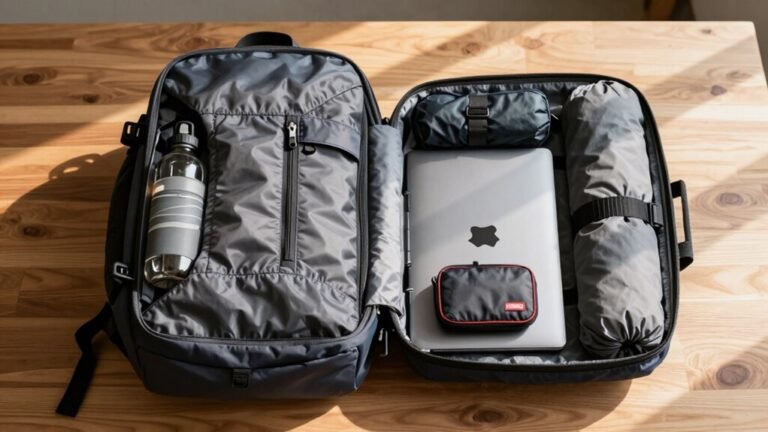
It cradles your essentials, spreads the load across your hips and shoulders, and saves your feet from unnecessary beatdown.
You get hands-free freedom to scramble over rocks, push through brush, or lean into switchbacks with trekking poles.
It’s not just a bag—it’s a rugged mobile basecamp, shielding your gear from rain, drops, and rugged terrain.
Whether you’re tackling alpine passes or off-trail bushwhacks, your pack keeps you self-sufficient, stable, and ready for surprises.
Think of it as your trail lifeline, hauling tomorrow’s camp today—without it, you’re just hiking in circles, wishing you’d packed lighter.
A well-designed backpack complements your footwear by reducing strain on your body, especially when paired with hiking boots that feature firm, protective foam to maintain energy efficiency over long distances.
Why Footwear Matters on the Trail
Why do your feet feel like they’re throwing a protest halfway through the trail?
Well, what you wear on your feet isn’t just about comfort—it’s about staying safe and happy on long hikes.
Heavy packs increase your risk of tingling feet, and surprisingly, stiffer boots can make that worse.
Yeah, hiking boots offer great ankle support, but they might also zap more energy with every step.
Lighter trail runners? They’re nimble, breathable, and easier on your legs, which is why over 80% of Appalachian Trail hikers grab them first.
But don’t count boots out—they’re tougher, last longer, and shine on rugged terrain.
Your footwear shapes how your body handles miles, load, and rough ground.
Picking the right pair means fewer foot complaints and more trail cheers.
After all, nobody wants numb toes dictating their adventure!
Comparing Comfort and Support Features
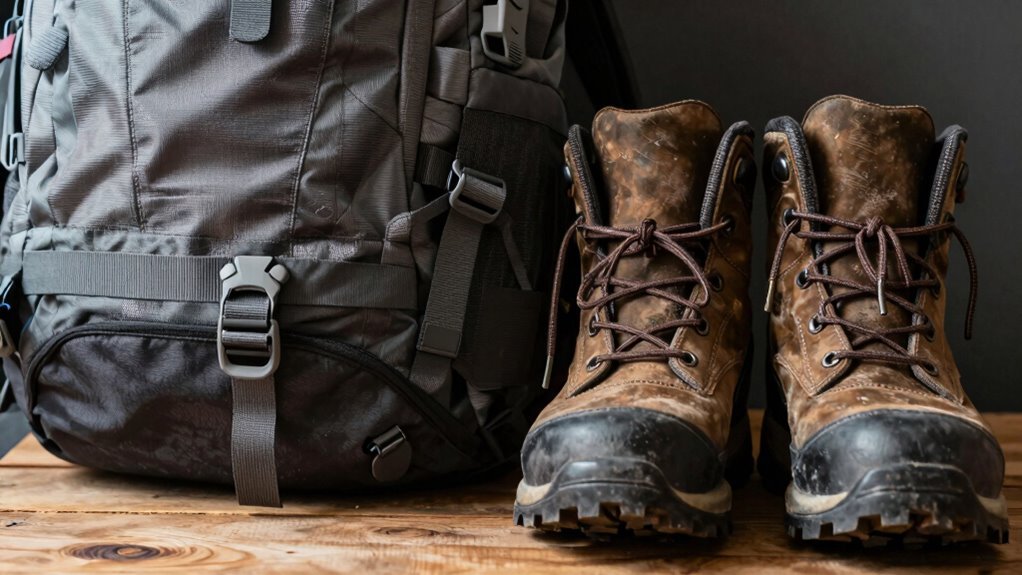
When you’re clocking mile after mile, the little things—like how your shoes bend or hug your ankles—can make a huge difference in whether your feet feel fresh or fried by lunchtime.
Trail runners flex with your foot, letting you move freely and cover ground with less effort—great for long days when every ounce counts.
They’re light, comfy, and need zero break-in time, so you’re trail-ready fast.
But if you’re hauling a heavy pack or tackling rocky, uneven ground, boots offer sturdier arch support and ankle stability.
High-tops wrap your ankles snugly, reducing roll risks, while their cushioned, contoured beds keep you comfortable on brutal climbs.
Lows rely more on insoles and fit, but modern designs mimic boot-like support without the weight.
Trail runners provide better ground feel, helping you adapt quickly to uneven terrain thanks to their lower-to-the-ground sole.
Whether you want springy agility or rugged reassurance, your choice shapes how light—or leaden—your legs feel at camp.
Pick your comfort fighter wisely!
Assessing Durability and Weather Resistance
How tough do your trail companions need to be when the trail turns mean?
Your boots are built for abuse—think thick leather, rugged soles, and Gore-Tex guts that laugh at puddles and shrug off sharp rocks.
Backpacking boots handle 50-pound loads all week without whimpering, while hiking shoes might tap out after 800 miles.
Sure, your pack can rock tough 1000D fabric, but without a liner or cover, rain sneaks in like a sneaky raccoon.
Boots with Gore-Tex linings? They’re basically mini submarines for your feet.
And let’s be real—durable soles grip slippery roots and jagged scree way better than any pack strap ever could.
When weather turns nasty and terrain gets rowdy, your boots won’t bail.
They’re the MVPs of muck, sweat, and endless uphill grind—ready to stomp strong when it matters most.
Balancing Weight and Load Distribution
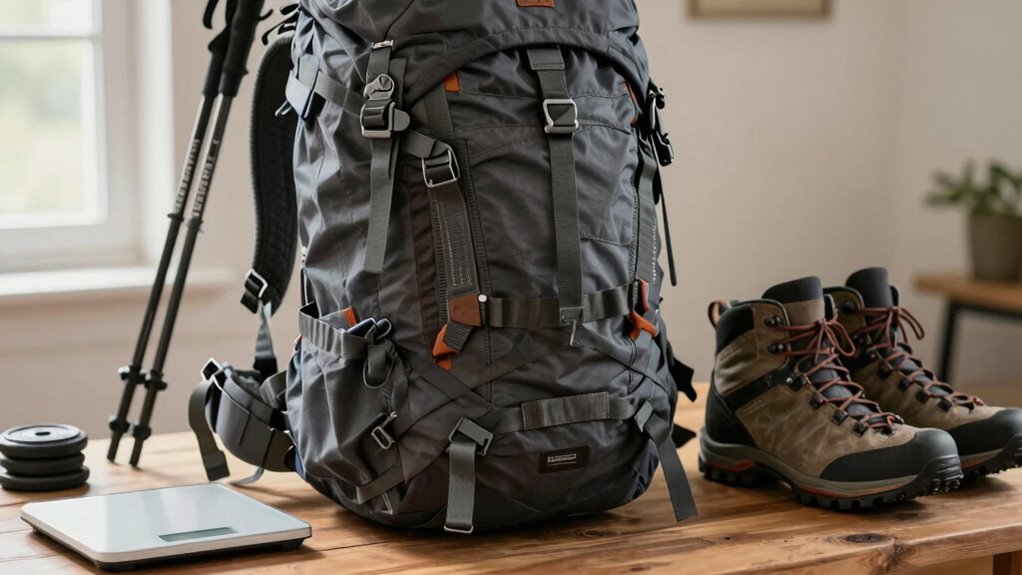
Ever wonder why your feet feel like anvils by mile ten?
It’s because every extra pound on your boots drags down your energy five times more than the same weight in your pack.
That 2.3 kg heavy-duty boot? Feels like carrying an extra 9 kg on your back!
Swapping heavy boots for lighter shoes can save as much energy as ditching six liters of water.
Meanwhile, your backpack should stay under 20% of your weight—15% if you’re new.
Use the hip belt to carry 60–80% of the load on your hips, not your shoulders.
A well-balanced pack moves with you, not against you.
Uneven loads make you burn 15% more energy—ouch!
Keep gear light, align it right, and feel like you’re floating down the trail instead of stomping.
Matching Gear to Your Hiking Environment
While your dream hike mightn’t involve dodging sinkholes or scaling ice walls, the trail you choose absolutely dictates your footwear fate—so don’t wing it like you’re picking out socks for errands.
Hitting a smooth, sandy path or breezy state park trail? Grab lightweight hiking shoes—they’re breathable, flexible, and keep things comfy.
But if you’re tackling rocky scrambles, muddy slopes, or off-trail bushwhacking, boots are your best buddy, offering ankle support and rugged protection.
Expect rain or snow? High-cut boots repel moisture better and brave the muck without complaint.
Backpacking with a load over 30 pounds? Ditch the flimsy footwear—your knees and Achilles will thank you.
Sure, heavy boots eat energy, but they’re worth it on uneven terrain.
Play it smart: match your shoe game to the trail’s attitude, and hike happy, not hurt.
Frequently Asked Questions
Can I Use Hiking Boots for Everyday Walking?
Yeah, you can totally use hiking boots for everyday walking—especially if you love comfort and support.
They’ve got your back on slippery sidewalks and keep your feet cozy when it’s chilly.
Just pick a lightweight pair, break them in slowly, and skip ’em on hot days unless you want mini foot saunas.
Once they mold to your feet? Pure magic.
Think of them as your tough, dependable best friend who shows up looking cool with jeans.
Are Backpacks With Frames Better for Long Hikes?
Yeah, framed backpacks are way better for long hikes—you’ll carry up to 30.8 lbs without burning out, thanks to smart weight distribution.
They shift load to your hips, so your shoulders don’t scream for mercy.
Internal frames hug your back, great for scrambling, while external ones offer airflow, cutting sweat by 25%.
You stay comfy, upright, and blister-free.
Sure, they cost more, but your back’ll thank you after day ten on the trail—no drama, just miles.
Do I Need Special Socks for Hiking Boots?
Yeah, you do need special socks for hiking boots—you’re not just walking to the corner store!
Grab a pair with merino wool and a bit of stretch so your feet stay dry, warm, and blister-free.
Think of them as bodyguards for your toes.
Crew height’s ideal—it matches your boot, prevents rub, and keeps debris out.
Your future self will thank you when you’re strolling happily, not hobbling.
Should I Break in Boots Before a Big Hike?
Yep, you should definitely break in your boots before a big hike—think of it like a first date, not a marriage proposal.
Wear ‘em around the house, then the block, then trail, slowly ramping up.
It’ll save you from blisters, pain, and crying into your trail mix.
Take it step by step, let your feet and boots get cozy, and you’ll hit the trail happy and ready.
How Often Should I Replace My Backpack?
You should replace your backpack every 1.5 to 2.5 years, depending on how tough you’re on it.
If straps fray or zippers die, it’s time.
But hey, you’re not dating your backpack—no need to swap yearly unless it’s falling apart.
Fix small issues, and pick a durable one with a solid warranty.
Your spine will thank you, and you’ll save cash—win-win!
Conclusion
You need both, but if you’re torn, remember: “buy the boots, not the backpack.” Your feet carry you mile after mile, so treat ’em right with solid support and blister-free comfort. A great pack helps, but sore toes can ruin any adventure. Pick footwear that hugs your feet like a trusted friend, and pack smart—light and balanced. Happy trails, and may your blisters stay imaginary!
References
- https://www.goruck.com/blogs/news-stories/hiking-shoes-vs-hiking-boots-which-one-is-best-for-you
- https://www.thehikinglife.com/2020/08/trail-runners-vs-hiking-boots-a-30-year-perspective/
- https://www.outsideonline.com/outdoor-gear/hiking-gear/what146s-difference-between-hiking-boots-and-backpacking-boots/
- https://rokslide.com/forums/threads/hiking-with-a-loaded-backpack-in-tennis-shoes-vs-boots.227533/
- https://backpackinglight.com/forums/topic/1969/
- https://www.whiteblaze.net/forum/archive/index.php/t-112676.html
- https://www.youtube.com/watch?v=6jdoPSw6aL0
- https://pubmed.ncbi.nlm.nih.gov/19737037/
- https://thetrek.co/appalachian-trail/the-top-footwear-on-the-appalachian-trail-2024-thru-hiker-survey/
- https://www.datainsightsmarket.com/reports/hiking-footwear-436351