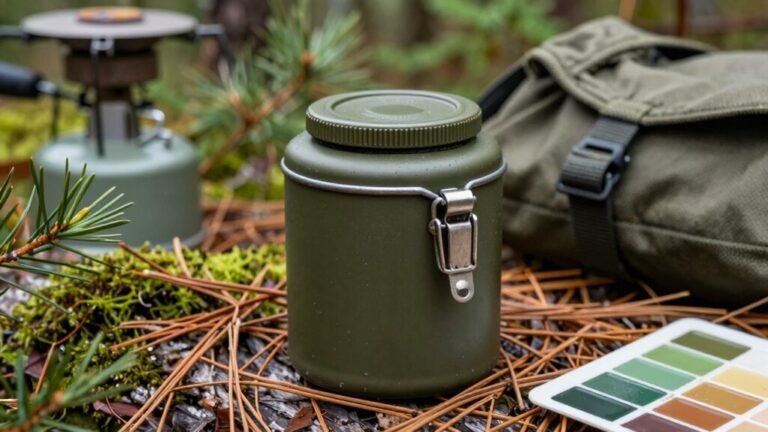
Common Bear Canisters Mistakes and Easy Fixes
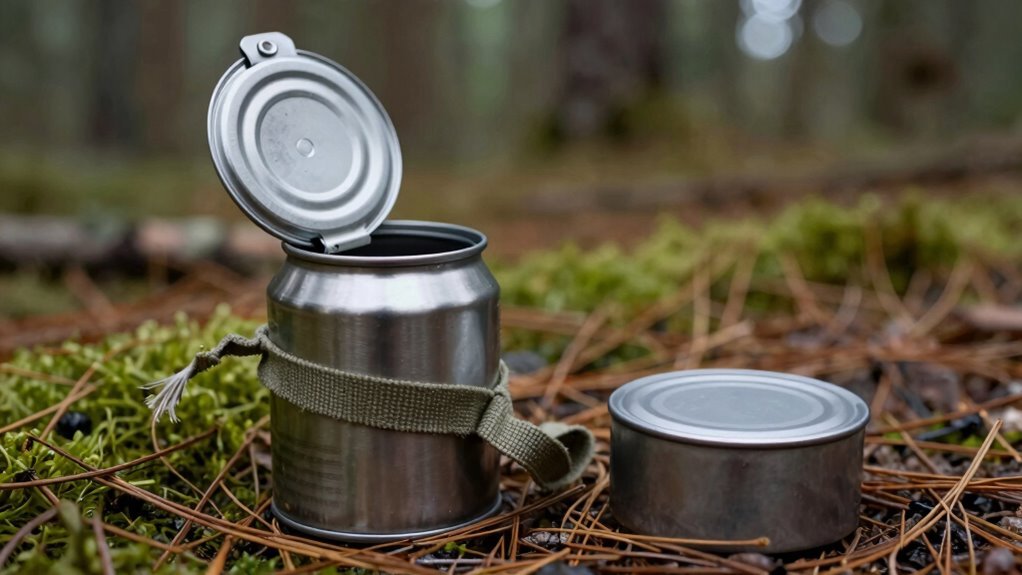
Keep your bear canister at least 50 feet from camp—bears aren’t dinner guests you want to invite. This simple step greatly reduces the risk of attracting wildlife to your sleeping area.
Twist the lid until you hear two clicks, but don’t gorilla-tighten it. Proper sealing ensures the bear canister remains effective without damaging the mechanism.
Pack smart: 100 cubic inches of food per day, max. Include all scented items like toothpaste, sunscreen, and even gum—bears are drawn to these smells.
Set the bear canister on flat, open ground, not hidden in bushes. A reflective sticker helps you locate it at night while keeping it visible and accessible.
Storing the Canister Too Close to Your Campsite
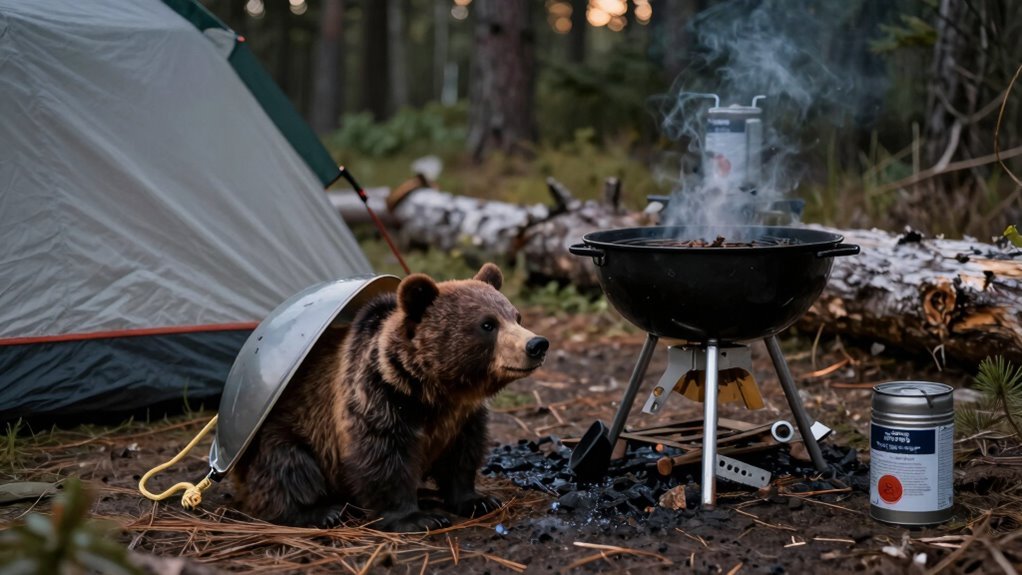
Leaving your bear canister too close to camp is like hanging a “Free Snacks Here!” sign for curious bruins. You’re basically inviting them to dinner—and trust me, bears don’t RSVP.
Keep that canister at least 50 feet from your tent, ideally 100 feet from where you cook or eat, so smells don’t draw them in.
Bears quickly learn that camps mean food, and once they do, they get bold, loud, and way too friendly.
Nobody wants a midnight bear rave.
Store all food, trash, and even toothpaste inside the canister—yes, toothpaste counts!
Place it on level ground, away from cliffs or water, so Mr. Bear can’t bat it around like a soccer ball.
Most parks require this, not to hassle you, but to keep both you and the bears safe.
Do it right, and you’ll sleep easier, snack secure, and avoid becoming bear news.
Sweet dreams!
In Grand Teton National Park, you must carry an IGBC-approved hard-sided bear canister because hanging food isn’t always possible, especially above tree line.
Failing to Secure the Lid Properly
Ever wonder why your bear canister feels like a stubborn pickle jar after a chilly night in the backcountry? It’s probably because you didn’t secure the lid right.
Make sure you line up the threads before tightening—cross-threading ruins the seal and makes opening a nightmare. Twist until you hear *two solid clicks* past the stopper; that’s the sweet spot.
Don’t crank it like you’re sealing your destiny—over-tightening traps air pressure, especially when temperatures drop. Cold makes plastic contract, turning your canister into a vault even *you* can’t crack.
Use an old credit card or a stick to pop the lid if your fingers are frozen. And hey, clean those threads with a toothbrush and mild soap—dirt, salt, and trail gunk cause sticky drama.
A dab of food-grade silicone keeps things smooth. Lock it properly, not tightly, and you’ll laugh your way to bear-proof success. A properly secured lid ensures bear-safe containers prevent bears from accessing food waste.
Overpacking Beyond the Recommended Capacity
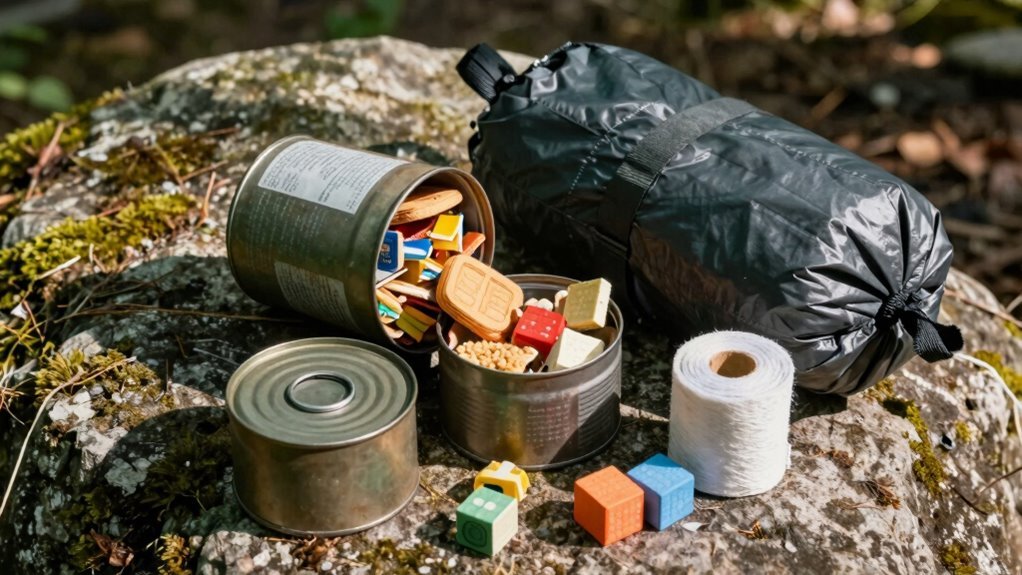
How much food can you *really* stuff into that bear canister before it becomes an overpacked nightmare?
Let’s be real—you’re not winning a packing contest by cramming in three extra days’ worth of chili dinners.
Most canisters follow the 100-cubic-inch-per-day rule, so your 500ci BV500 fits about 5 days, max.
Go beyond that, and you’ll be sitting there, lid half-on, groaning like a backpacker in a sitcom.
Trust us, bear canisters aren’t magic—they’re physics.
The BV475 holds 6 days solo, not seven.
And even the big Bearikade Weekender has its limits.
Overpacking risks busted seals, squished meals, or worse—leaving smelly trash outside.
Plan meals like a pro, respect the math, and your canister won’t turn into a stubborn, bulging beast.
Pack smart, not hard!
This rule works because most hikers need around 100 cubic inches per day of food storage.
Using a Canister That’s Too Small for Your Trip
So, you picked a bear canister that seemed just right—until you actually tried to pack it, and now your trail mix is staging a hostile takeover of your backpack?
You’re not alone.
Choosing a canister that’s too small—like using a BV425 for a week-long trek—means you’ll run out of space fast.
Food, trash, and toiletries need room, and cramming won’t cut it when regulations expect everything sealed inside.
A too-small canister compromises safety and invites curious bears.
Check the fit: BV450s fit 3–4 days, BV475s handle 5–6 solo, and BV500s are ideal for long hikes or two people.
Test pack at home, repackage food, and opt for compact meals like couscous.
If your canister’s bursting, upgrade or resupply sooner.
Your future self—and local wildlife—will thank you.
Keeping Scented Items Outside the Canister
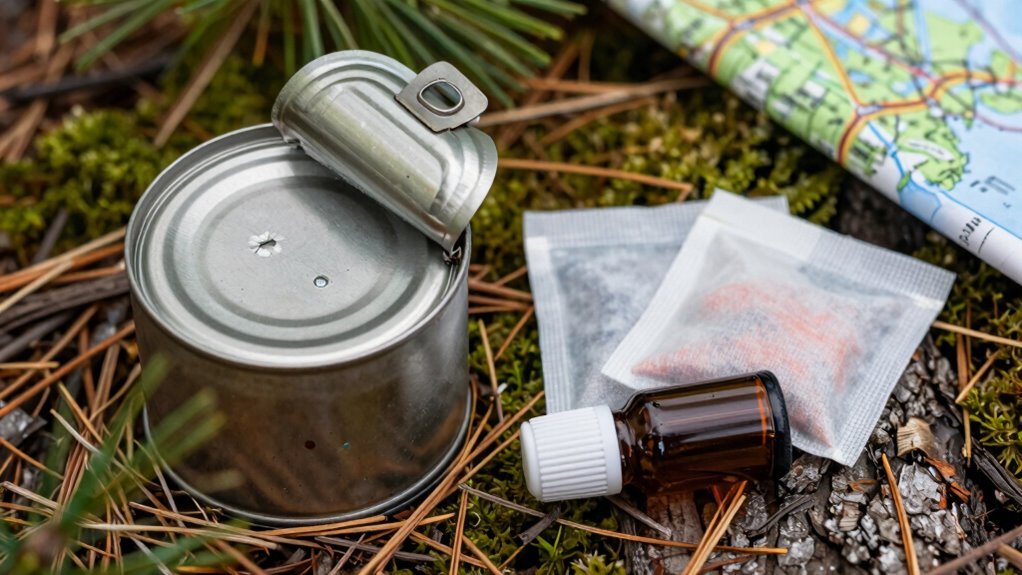
You sized up your bear canister just right, packed every crumb snugly inside, and patted yourself on the back—only to leave your toothpaste chilling next to your sleeping bag like it’s on vacation?
Spoiler: bears don’t care if it’s minty fresh or medicated—anything with a scent counts.
That includes chapstick, sunscreen, hand sanitizer, bug spray, even garbage from day one.
If it’s been near your mouth, your skin, or your cookset, it’s a snack in bear terms.
Regulations in many parks require *all* scented items inside a certified canister, not just food.
Soft sacks or “odor-proof” bags won’t cut it where hard-sided canisters are mandated.
Keep everything sealed tight—bears can smell soup in a sealed can from miles away.
Store it right, lock it up, and keep your tent spotless.
Your toothpaste isn’t on vacation.
It’s evidence.
Placing the Canister on Uneven or Sloped Ground
Even if you’ve packed your bear canister like a pro, plunking it down on a sloped, lumpy patch of dirt is asking for trouble—bears aren’t just strong, they’re curious comedians, and nothing amuses them more than swatting your dinner down a hill like it’s part of a wildlife slapstick reel.
Don’t give them the chance: place your canister on flat, open ground at least 100 feet from camp, away from cliffs or lakes.
Level ground keeps it stable, so even a curious nudge won’t send it rolling into the abyss.
Avoid rocky ledges or thick brush—these hide your canister and create uneven surfaces.
Instead, wedge it securely between stable rocks on solid terrain.
Flip it upside-down to deter chewing and shed rain.
Add reflective stickers so you can spot it fast, even at night.
A little care in placement keeps your food safe and the bears unamused—exactly how it should be.
Relying on Camouflage Instead of Proper Placement
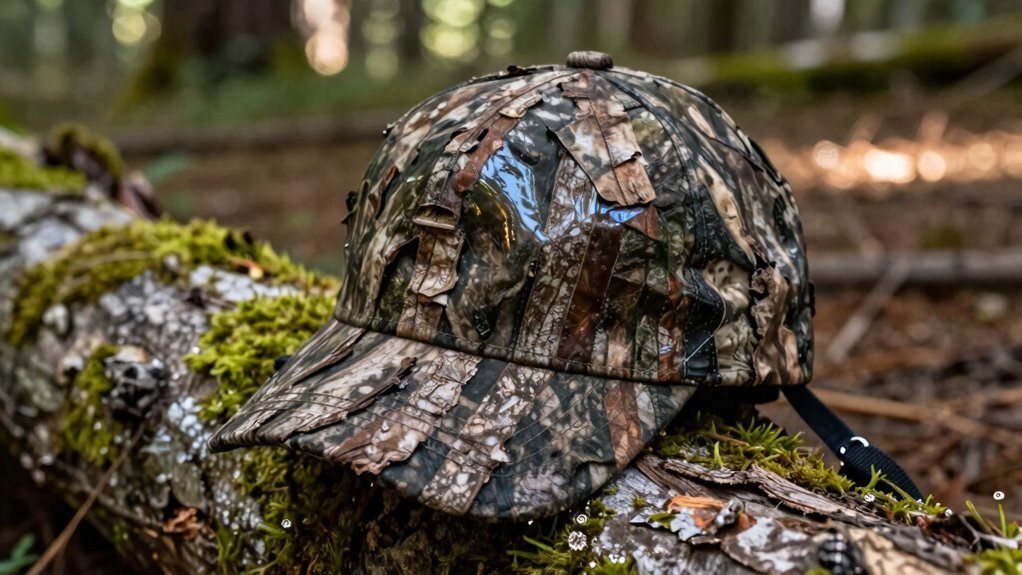
Placing your bear canister on level ground keeps it from turning into a runaway snack ball, but what good does a stable spot do if you can’t find the thing in the dark?
Hiding it under leaves or in bushes might feel sneaky-smart, but bears aren’t fooled—and neither is the night. You’re not playing hide-and-seek; you’re trying to stay safe and sleep easy.
Skip the camouflage, ditch the brush, and let that canister shine like a glowing beacon.
Frequently Asked Questions
Can I Use a Bear Canister for Water Storage?
No, you can’t use a bear canister for water storage—it’s not waterproof and might leak when wet.
Plus, it takes up space meant for food and scented gear.
Water’s heavy, awkward, and bears might still sniff it out.
Keep your canister for snacks and trash, and stash water separately in a dedicated bottle.
That way, you stay safe, dry, and bear-smart—because nobody wants a soggy granola bar or a curious bruin at dinner!
Are Bear Canisters Required in All National Parks?
No, bear canisters aren’t required in all national parks—they’re more like a “sometimes guest” than a permanent roommate.
You’ll need one in places like Yosemite or Katmai, but others, like Great Smoky Mountains, offer bear cables instead.
It’s a park-by-park game, so always check rules before you go.
When in doubt, pack it—your snacks (and the bears) will thank you!
Do Bear Canisters Work Against Other Wildlife Like Raccoons?
Yes, bear canisters absolutely work against raccoons and other sneaky little critters!
You can bet those clever bandits won’t crack your snacks—tough materials and tight locks keep them out.
Squirrels, rats, even marmots throw tantrums, but they can’t chew through steel or pry open certified lids.
Plus, with a proper seal, smells stay locked in.
It’s like a mini fortress your food would brag about—if it could talk.
Can I Pack Medication Inside the Bear Canister?
You bet you can pack medication inside the bear canister—it’s actually a must! Bears go crazy for sugary pills or flavored liquids, and they won’t tell your Advil apart from candy. Toss all meds in the canister, seal it tight, and stash it 50–200 feet from camp. It’s lightweight, smart, and keeps both you and the bears out of trouble. Think of it as bedtime safe for your Tylenol!
How Do I Clean My Bear Canister After Use?
You clean your bear canister by giving it a little spa day—spritz the inside with Pam or rub in a dab of oil, let it chill for a couple days to trap funky smells, then scrub it down with unscented, biodegradable soap.
Rinse well, wipe dry, and don’t forget the outside—scrub it with diluted pool chlorine to ditch trail grime and food vibes.
Air it out completely before stashing it away, and boom, it’s fresh for next adventure!
Conclusion
You’ve packed your bear canister, but don’t let one slip-up unravel your peace. Think of it like a drumbeat: steady, secure, in rhythm. Keep it far, flat, and full—just right, not stuffed. Seal it tight, stash it right, and laugh at bears who expect snacks. You’re not just storing food, you’re conducting a symphony of smart moves. Sweet dreams, smarty-pants.
References
- https://bearwisejh.org/visitors/food-storage/
- https://www.fs.usda.gov/visit/know-before-you-go/bears/bear-resistant-food-canister
- https://dec.ny.gov/nature/animals-fish-plants/black-bear/management/bear-resistant-canisters
- https://bearvault.com/bear-canister-requirements/
- https://www.pcta.org/discover-the-trail/backcountry-basics/food/bear-canister-protecting-your-food/
- https://www.nps.gov/grte/planyourvisit/bear_canisters.htm
- https://appalachiantrail.org/experience/hike-the-trail/essential-skills/safety/bears-food-storage/
- https://iegna.com/blog/bear-proof-dumpster-lids-essential-for-safety/
- https://sectionhiker.com/how-to-carry-a-bear-canister-faq/
- https://www.greenmountainclub.org/education/bear-canisters/