Choosing Easy Trails When You’re Over 60
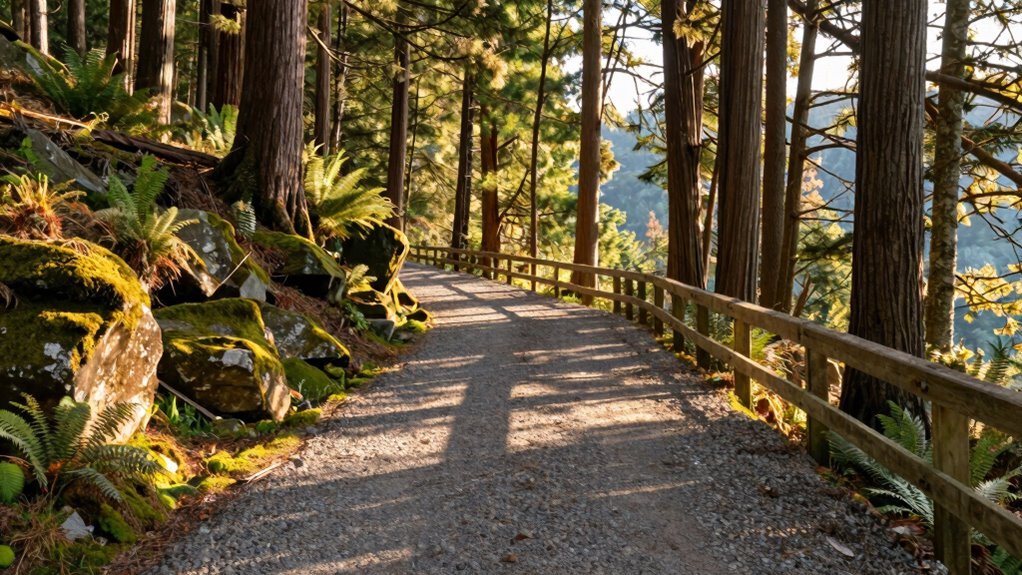
Pick trails that match your fitness and go easy on the knees—think paved paths or smooth gravel with gentle slopes under 500 feet. Choosing easy trails when you’re over 60 means prioritizing comfort and safety without sacrificing the joy of the outdoors.
Keep it short, sweet, and shady, ideally 1–3 miles with a buddy by your side. Take breaks, sip water, and watch for blisters to stay safe and comfortable on every hike.
When you’ve got the right path, pace, and playlist in mind, every step feels like a victory lap. There’s even more to love about hiking well as you age—just ahead.
Know Your Fitness Level and Limits
Before you lace up those hiking boots and hit the trail, take a quick pit stop to check in with your body—it’s like a pre-adventure tune-up for your engine. You wouldn’t test-drive a vintage car with a dead battery, so don’t hike without knowing your fitness level. Try the 6-minute walk or a step test to see how your heart and lungs handle it—no need to race, just get honest data.
Grab a chair and test your strength with a few stands or arm curls; it’s kind of like chair aerobics, but way more useful. Flex those hamstrings and shoulders too, because nobody likes getting stuck mid-squat.
Check your balance—even superheroes wobble sometimes. And hey, if you’ve got a walker or cane, bring it. This isn’t about perfection; it’s about smart, fun hiking that keeps you going mile after mile—without the dramatics. Consider body composition assessments to help set realistic goals and guide your training approach.
Look for Well-Maintained, Paved, or Gravel Paths
You’ve tuned up your body and know your pace—now let’s talk about where to take those first steps: the trail itself.
Paved paths are your friends—they’re smooth, steady, and way less likely to trip you up, especially if your balance isn’t what it used to be.
Think of them as the reliable sneakers of trails: always there for you, no surprises.
Well-maintained gravel works too, offering a natural feel without the mud pits, thanks to great drainage.
Just make sure it’s packed and even—nobody wants to wrestle with loose stones.
These surfaces welcome walkers, strollers, even canes or rollators, so you’re in good company.
Plus, parks with paved trails get more love from visitors, meaning better upkeep and fewer “oops” moments.
With over 19,000 miles of rail-trails in the U.S., there’s a smooth path out there with your name on it—go find it!
Some trails alternate between surfaces, like the Green Circle Trail, which uses limestone to prevent washouts in areas prone to water issues.
Choose Trails With Gentle Elevation Gains
Climbing your way to better health doesn’t mean scaling a mountain—start smart with trails that roll more than rise.
Keep elevation gains gentle—under 500 feet—so you can enjoy the view without gasping for air.
Trails like Laurel Falls (350 feet over 2.3 miles) or Trail of the Cedars (just 50 feet!) are perfect for building confidence and stamina.
You’re not training for Everest; you’re out here to savor the breeze, the birds, and maybe a snack on a quiet bench.
Look for easy-rated paths with soft slopes and short distances—ideally under 5 miles.
Your heart will thank you, your legs won’t hate you, and you’ll still get those satisfying mountain or forest vibes.
Think of it as hiking with benefits: better blood pressure, stronger bones, and a mood boost—all without turning purple on an uphill grind.
Pick smart, go easy, and let the trail work *with* you.
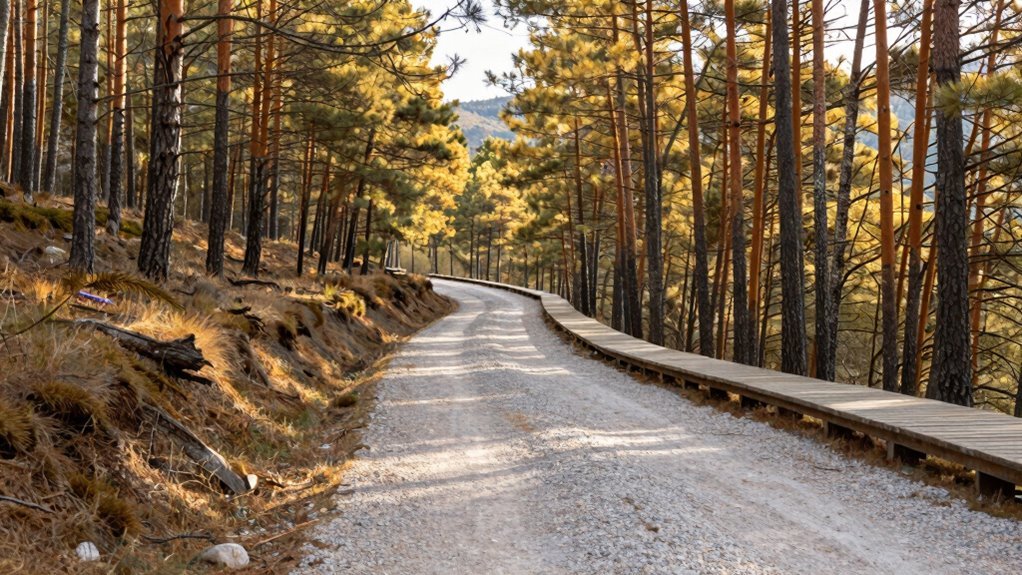
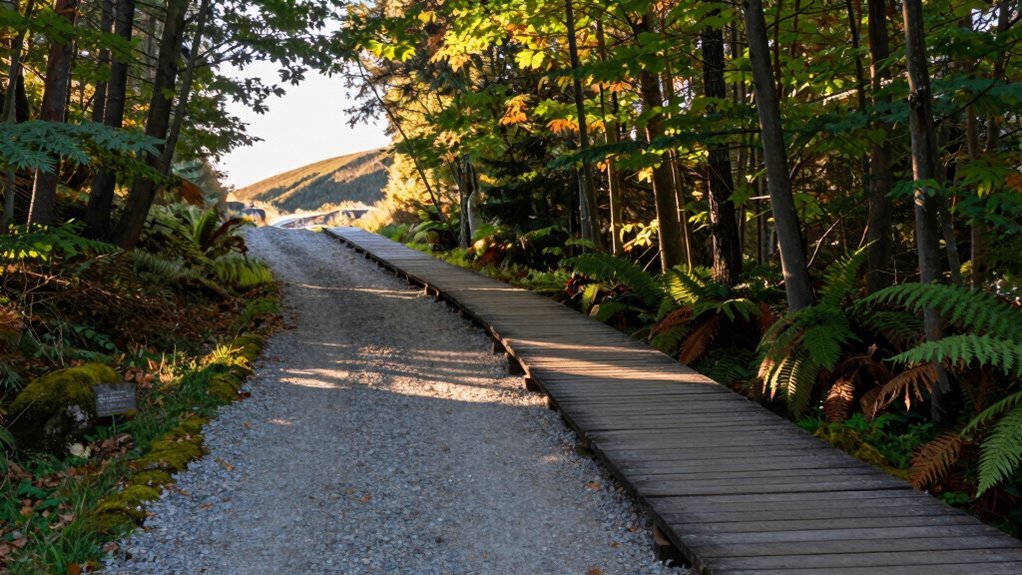
Trail of the Cedars offers a mostly boardwalk path ideal for those seeking minimal elevation gain and maximum accessibility.
Prioritize Accessibility and Trail Signage
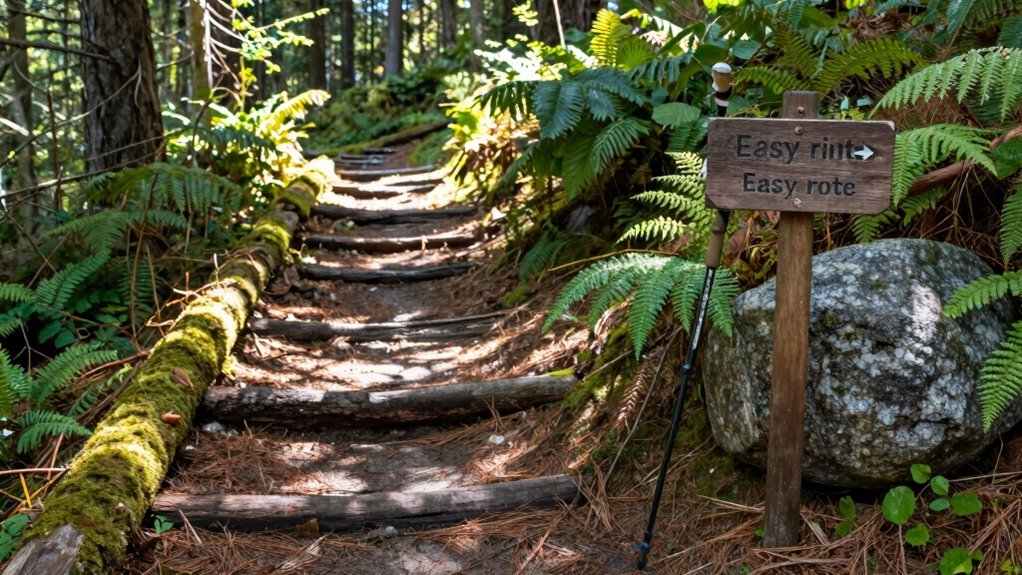
When you’re picking the perfect trail, don’t just follow your feet—follow clear signs and smooth paths that welcome everyone.
Look for 6-foot-wide crushed-stone trails or wooden boardwalks—they’re stable, scenic, and wheelchair friendly.
Many Rails-to-Trails paths, built on old rail lines, are flat and fab for all ages.
Bright, inclusive signs show people of all abilities and gently remind us to be kind out there.
Need help reading the path? Download GPS audio tours for extra guidance—perfect for low vision or non-English speakers.
Apps like TrailLink give real user tips, photos, and accessibility details so you’re never guessing.
With benches every few paces and rest spots at cool views, you’ll want to linger.
After all, 80% of visitors choose accessible trails—because nobody likes a surprise mud pit.
Pick smart, tread easy, and let the trail roll out the welcome mat.
Check Distance and Plan for Breaks
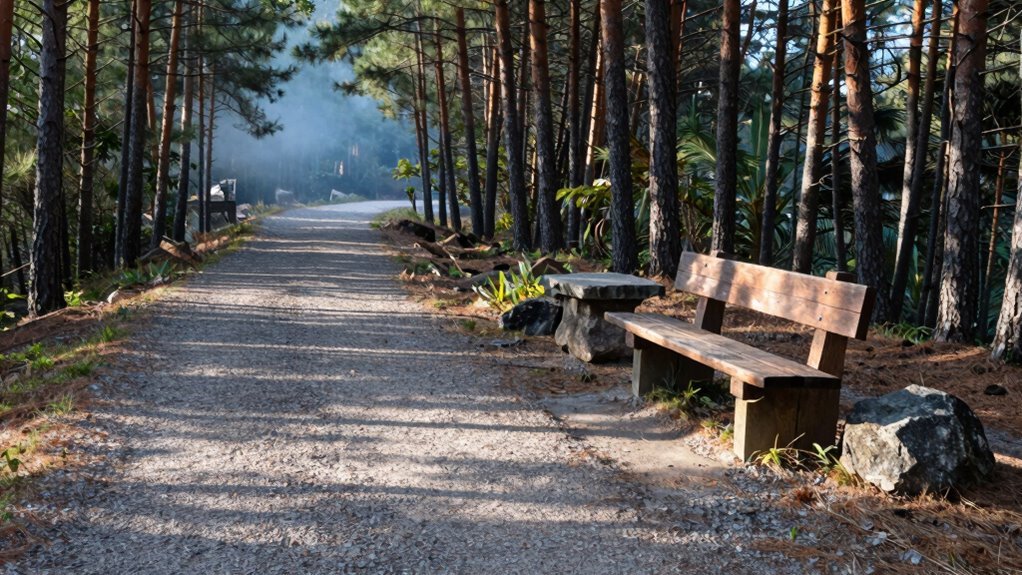
A great hike starts with a smart plan—so don’t just wing it like a squirrel chasing acorns.
Aim for 1 to 3 miles when you’re starting out, keeping elevation under 1,000 feet.
Two-hour hikes twice a week are perfect, especially if you’re building stamina.
Walk at about 2 mph—slower on hills—and give yourself extra time for photos or a snack.
Even a short hike can take longer than you think, so add an extra hour for breaks and unexpected stops.
If you’re new to trails, stick to flat, familiar paths first.
Gradually increase distance over 10 weeks, and never push past 5 miles early on.
Listen to your body, take rest days, and remember: even slow hikes boost your heart health.
You’ve got this—just pace yourself and enjoy the journey.
Aim for Shaded or Cooler Routes
If you want to stay cool and comfortable on your hikes, aiming for shaded or cooler routes is a smart move—think dappled sunlight instead of sizzling sidewalks. You’ll love how tree-covered paths keep you relaxed, lower your stress, and even help your heart—yes, hiking in the shade can cut heart disease risk by up to 35%.
Trails in parks or along lakes give you gentle terrain and calming greenery, helping your mood and mind.
You’ll sleep better, think clearer, and feel less anxious—nature’s like a free therapy session with a view!
Walk in the morning or late afternoon to dodge the heat, and let cooler air keep you moving longer.
Shaded trails boost balance by 21%, reduce falls, and help your body recover too.
Benches along the way let you rest, reflect, or just enjoy a shady selfie.
Your body (and your sense of adventure) will thank you!
Bring the Right Gear for Comfort and Safety
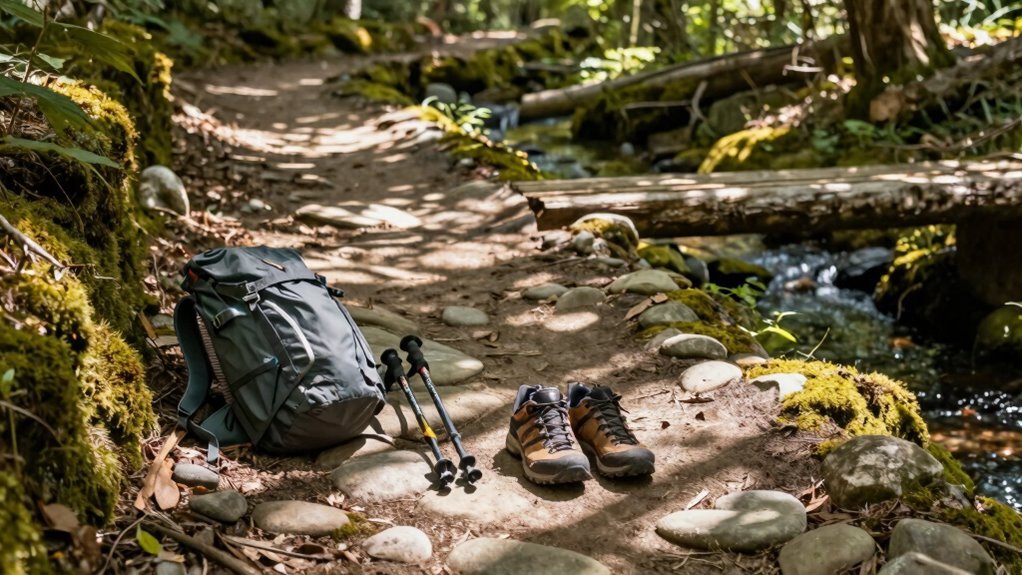
Though you’re out for a relaxing hike, not a wilderness survival mission, showing up with the right gear turns a good walk into a great one—no one wants blisters, wobbly knees, or a surprise nap in the dirt.
Pack smart and enjoy every step with confidence and comfort.
- Supportive footwear with cushioned soles and a wide toe box keeps your feet happy and prevents slips
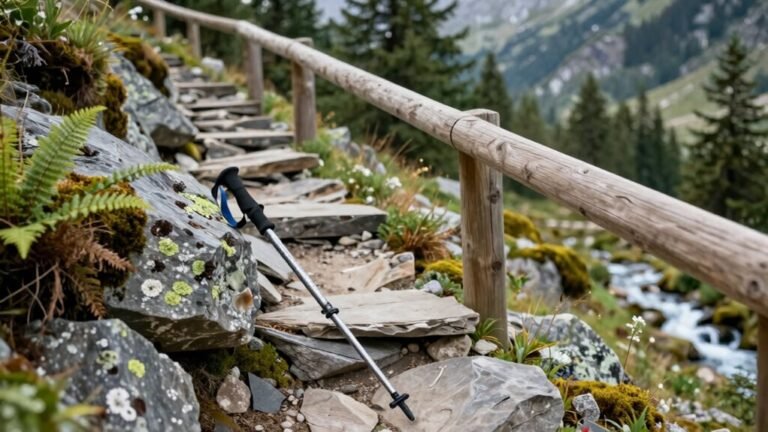
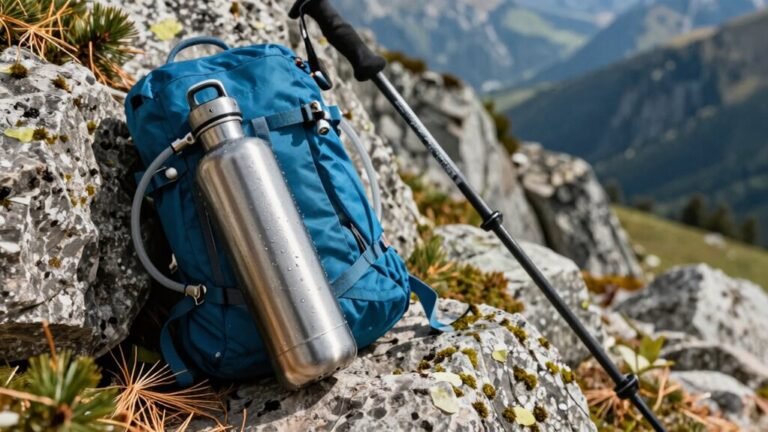
- Trekking poles reduce strain on knees and boost balance—great for downhills and rocky patches
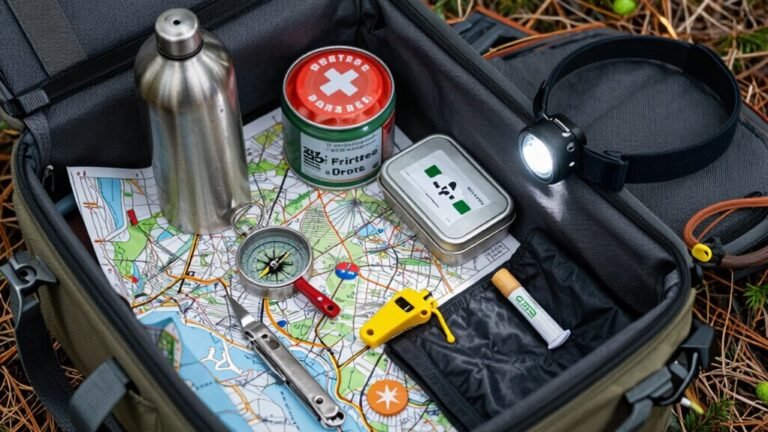
- A hydration pack with emergency gear keeps water handy and includes a whistle, first-aid, and SOS tools
- Comfortable clothing and supports like moisture-wicking layers, compression socks, and knee braces make all the difference
You’ve got this—just don’t forget the snacks.
No one likes a hangry hiker.
Go With a Walking Companion or Group
You’ve packed your sturdy shoes, grabbed your poles, and stashed enough snacks to fuel a small army—so why go it alone when the trail calls?
Hiking with a buddy or group isn’t just more fun, it’s safer. If you’re over 60, having company cuts your risk of serious mishaps—falls, fatigue, or medical issues—and someone’s there to help fast.
Companions spot wobbly footing, remind you to hydrate, and notice when you’re pushing too hard.
Did you know most fall-related trail accidents happen to folks 50–70?
A walking partner can steady you or call for help if needed.
Plus, groups mean better navigation and quicker emergency responses.
Join a local hiking club—you’ll laugh more, worry less, and stay on track.
Two (or more) pairs of legs are better than one, especially when one of them might save your bacon.
Time Your Hike for Optimal Weather Conditions
Ever wonder what the secret is to a perfect hike?
It’s all about timing your trek with the weather in your favor.
A smart start means checking the forecast before you head out—don’t ignore storm warnings or extreme temps!
- ✅ Check the forecast right before leaving to dodge surprise rain or heat
- 🌞 Avoid midday sun—aim for morning or late afternoon hikes in summer
- 🌧 Skip slick trails—rain makes them slippery, especially for older hikers
- ❄ Dress in layers for winter hikes and choose packed, marked paths
Pick clear, mild days and you’ll hike happier.
Beat the heat with shade, sunscreen, and a trusty hat—your skin will thank you!
And in winter, be ready to turn back if snow rolls in fast.
With these tricks, you’re not just hiking—you’re weather-wizarding your way to joy!
Listen to Your Body and Adjust the Pace
Now that you’ve picked the perfect sunny morning and laced up your trusty hiking shoes, it’s time to tune in—your body’s got a voice too, and it’s ready to chat.
If your legs feel like lead or your breath comes too fast, slow down—no shame in a turtle’s pace.
Shorten your stride, especially uphill, to save your joints and keep energy in the tank.
Sweat like you’re in a sauna? That’s your cue to hydrate or chill in the shade.
Dizzy or queasy? Stop, sit, and enjoy the view—maybe even call it a day.
Take a break every hour to drink, stretch, and check for blisters—your feet will thank you.
And hey, turning back isn’t failure; it’s smart hiking.
Listen closely, adjust your pace, and remember: the trail’s not going anywhere.
Frequently Asked Questions
Can I Hike if I Have Joint Pain?
You can totally hike even if you have joint pain—really!
Walking regularly actually reduces pain and stiffness for many older adults.
Just start slow, pick soft trails, and let your body warm up.
Think of it as adventure therapy—your joints will thank you.
Brisk walks boost mobility and cut disability risks, so grab those hiking shoes and get out there.
Your weekly stroll? It’s doing way more than you think.
Are Trekking Poles Necessary for Easy Trails?
No, trekking poles aren’t a must, but they’re like training wheels for your joints—super helpful even on easy trails.
You’ll boost balance, spare your knees, and walk with a smoother rhythm.
They turn a simple stroll into a fuller workout while cutting fatigue.
Think of them as your hiking sidekicks, always ready to steady you or take some weight off—because why work harder when you can hike smarter and have more fun?
What Snacks Should I Bring on a Short Hike?
You should pack snacks that are light, tasty, and keep your energy up without sloshing around in your pack.
Try apples, trail mix, or hummus with baby carrots—they’re crunchy, satisfying, and won’t melt your will to live.
Add a peanut butter pouch because, let’s be real, you’ll want something delicious.
Toss in a granola bar for backup.
Your stomach—and taste buds—will thank you when you’re halfway up that hill, pretending you’re still 30.
Is It Safe to Hike Alone at My Age?
You can hike alone, but it’s riskier—especially over 60—since falls and emergencies are more common and help’s not nearby.
Instead, grab a buddy or join a hiking group; it’s safer and way more fun.
You’ll stick with it longer and laugh more.
If you go solo, tell someone your route, check the weather, and stick to easy trails.
Stay safe, stay smart, and keep adventuring—you’ve got this!
How Do I Find Senior Hiking Groups Nearby?
You can find senior hiking groups nearby by checking Meetup.com or searching online for local organizations like Great Old Broads for Wilderness—tons of these groups welcome new faces!
Ask friends or hiking buddies for tips—they’ll often point you to hidden gems.
Once you find a group, shoot the leader a quick message, try a trail meet-up, and go make friends while striding through trees.
Who knew adventure loved grey hair?
Conclusion
You’ve got this! Did you know 85% of hikers over 60 say easy trails boost their mood *and* energy? That’s right—gentle paths aren’t just kinder on your knees, they’re pure joy in disguise. Lace up, grab a friend, and take it step by step. Every trail you finish is a win, so celebrate it! Hiking’s not about speed, it’s about smiles—and you’re racking them up!
References
- https://ascentdescentadventures.com/blog/peak-performance-a-guide-to-physical-fitness-for-mountains/
- https://www.childrenofwanderlust.com/a-guide-to-hiking-for-ageing-adults-everything-you-should-know/
- https://houghtonphysicaltherapy.com/get-fit-to-hike-everything-seniors-must-know/
- https://www.backpacker.com/skills/backpacking-fitness/fitness-special-mdash-hike-forever-age-65-up/
- https://www.swhealth.ne.gov/pdfs/healthylifestyle/frog/FROG-Senior-Fitness-Test-Kit.pdf
- https://sectionhiker.com/exercise-aging-hikers/
- https://www.summitstrength.com.au/blog/a-simple-hiking-fitness-test
- https://uphillathlete.com/aerobic-training/aerobic-anaerobic-threshold-self-assessment/
- https://www.wpr.org/transportation/whats-your-preferred-bike-trail-surface-gravel-or-pavement
- https://activelivingresearch.org/sites/activelivingresearch.org/files/ALR_Brief_PowerofTrails_0.pdf