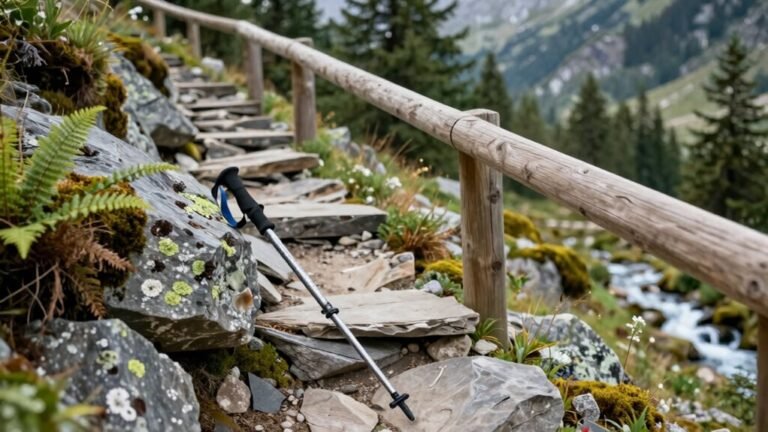
Easy Day Hikes for Beginners Over 50
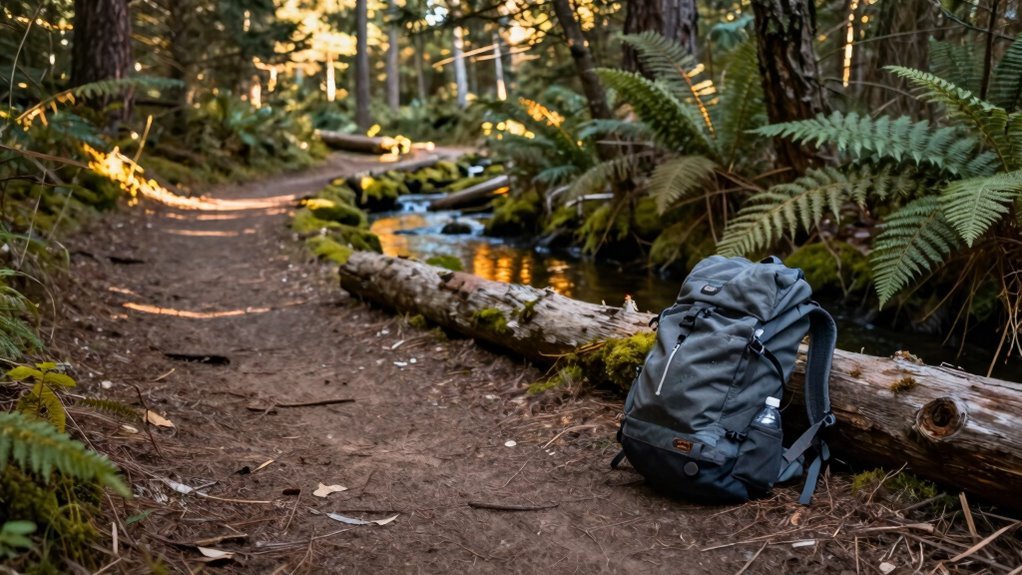
Start with a trail that’s kind to your knees—short, smooth, and under 500 feet of elevation gain. Easy day hikes for beginners over 50 should prioritize comfort and safety, so choose paths with minimal obstacles and steady footing.
Pack water, snacks, and a whistle, just in case. Wear comfortable boots and dress in layers to adjust to changing temperatures throughout the day.
Grab a buddy and hit the trail in the morning when it’s quiet and cool. Go at your own pace, and don’t rush—pause often to enjoy the view. You’re earning every moment.
Start With Safety: Preparing for Your First Hike
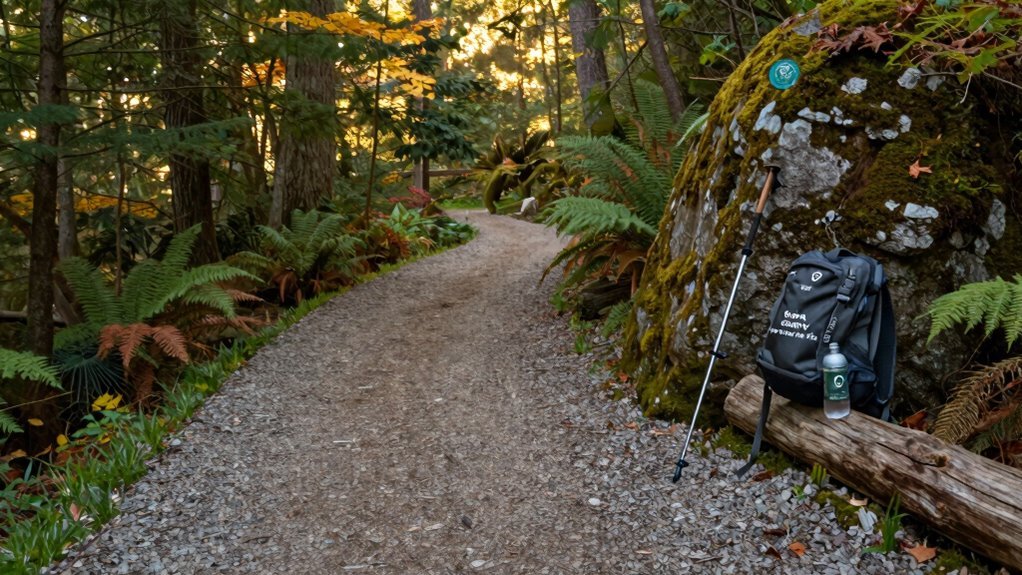
Before you hit the trail, let’s talk safety—because showing up prepared means you’ll have way more fun when you’re out there soaking in the fresh air and awesome views. Get your doctor’s okay first, especially if you’re over 50 or managing any health concerns.
A quick check-up guarantees you’re good to go and matches your fitness with the hike’s demands.
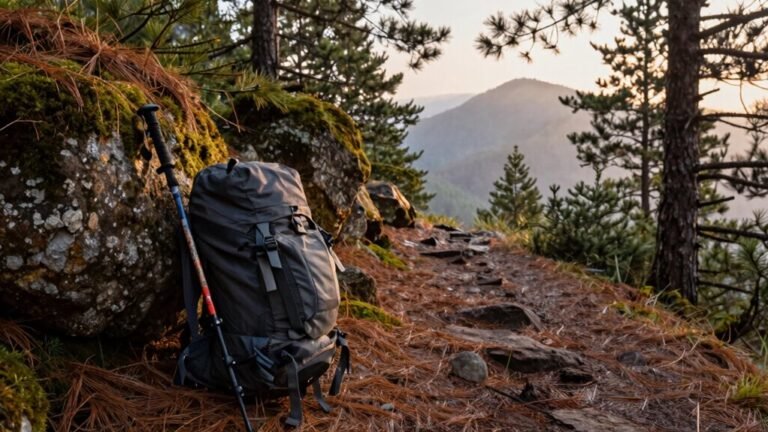
Pack smart: sturdy boots, hiking poles for balance, and layers that adapt to changing temps.
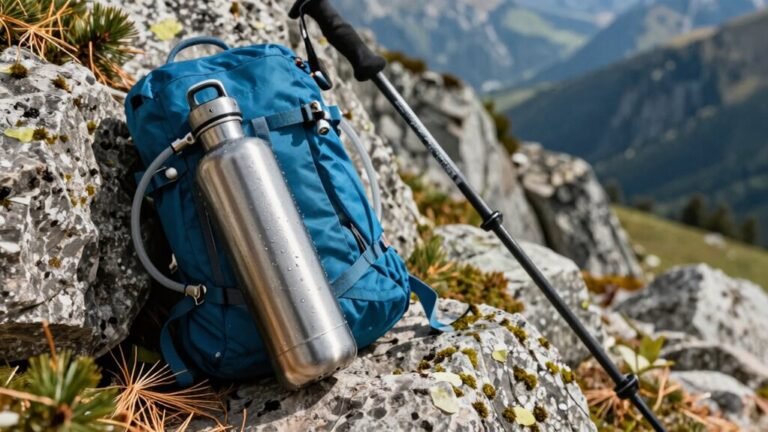
Don’t forget water—two liters at least—and snacks like almonds to keep energy up.
Toss in a whistle, first aid kit, map, and a charged phone.
Hike with a buddy when you can, tell someone your plan, and stick to marked paths.
Start slow, take breaks, and turn back if you feel off.
And hey, no one’s racing—you’re out there to enjoy, not audition for a mountain goat!
Consider joining a guided hiking tour for added support and local insights.
Choose the Right Trail: What to Look for in a Beginner-Friendly Path
Where should you start when the trail ahead looks both exciting and a little intimidating? Pick a beginner-friendly path that’s kind to your knees and confidence.
Aim for trails 3 miles or less with under 500 feet of elevation gain—bonus points if it’s under 100 feet!
Stick to well-marked, well-maintained paths with hard-packed dirt or gravel; your ankles will thank you.
Wide, smooth trails beat rocky scrambles any day, especially when you’re just getting your hiking legs.
Choose loops for variety or out-and-backs so you can turn back if your dog or curiosity calls.
Popular trails mean help—and high-fives—is never far away.
Check parking, permits, or shuttle access beforehand—no one likes surprise fees or long walks to the trailhead.
Use AllTrails to filter by difficulty, reviews, and recent conditions.
Gradual incline trails are easier on joints and help build endurance without overexertion.
Your perfect hike’s out there—happy trails!
Essential Gear for Comfort and Confidence
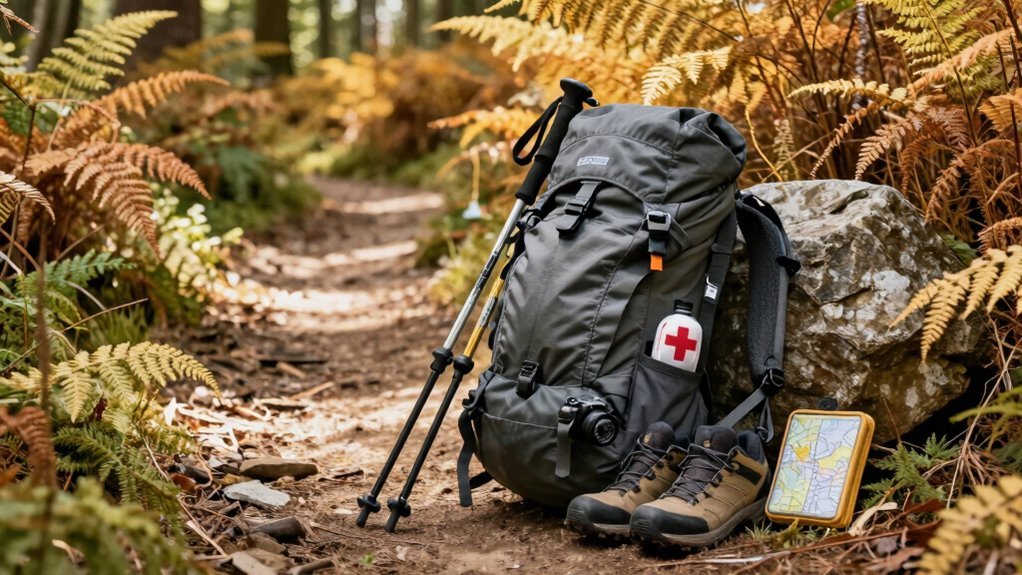
You’ve picked your perfect trail—short, scenic, and soft on the joints—now let’s gear up so you’re ready for whatever comes your way, whether it’s a surprise drizzle or an impromptu snack break with a view.
Grab a daypack like the Osprey Hikelite 26—it’s light, comfy, and holds snacks, water, and a raincover if clouds play tricks.
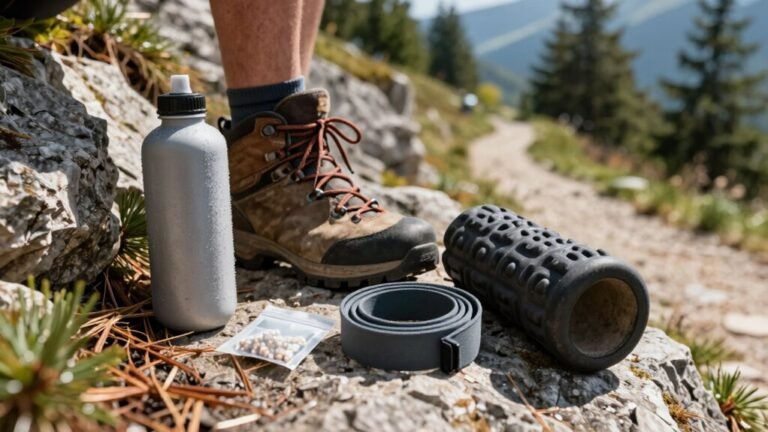
Wear supportive shoes like Altra Olympus 275s, pair them with wool socks or NRS Wet Socks if it’s damp, and toss in Kahtoola MICROspikes if icy patches lurk.
Trekking poles? Totally optional, but Kelty or Black Diamond ones make hills easier and save your knees.
Bring a map in a waterproof sleeve, a trusty compass, and a multi-tool—because no one wants to wrestle trail mix with bare hands.
Pack a headlamp, emergency shelter, firestarter, and a first-aid kit (Adventure Medical makes great ones).
Don’t forget snacks—your stomach will thank you!
A headlamp with 300 lumens provides bright, reliable light without being overly intense.
The Best Time of Day to Hit the Trail
Why do the early birds always seem to have the brightest smiles and the best trail stories?
Because you’re out when energy peaks—7 to 10 AM—thanks to your natural rhythm, and trails are quiet, parking’s easy, and the breeze is calm.
It’s perfect for crisp photos and peaceful walks.
Skip the midday blaze in summer—12 to 3 PM is no joke.
That’s nap time anyway, right?
Cool off with a siesta, then hit shaded paths or dampen your hat if needed.
Later, evenings bring milder temps and golden sunsets, with fewer crowds than dawn.
Just check the season: start after sunrise in winter, earlier in summer, and aim 1–2 hours post-dawn when it’s chilly.
More daylight means safer returns, plus you’ll likely meet fellow hikers if help’s needed.
Finish before dark, especially when it’s cold—hypothermia’s no fun.
Play it smart, and the trail’s yours.
Pace Yourself: Walking Mindfully on Natural Terrain
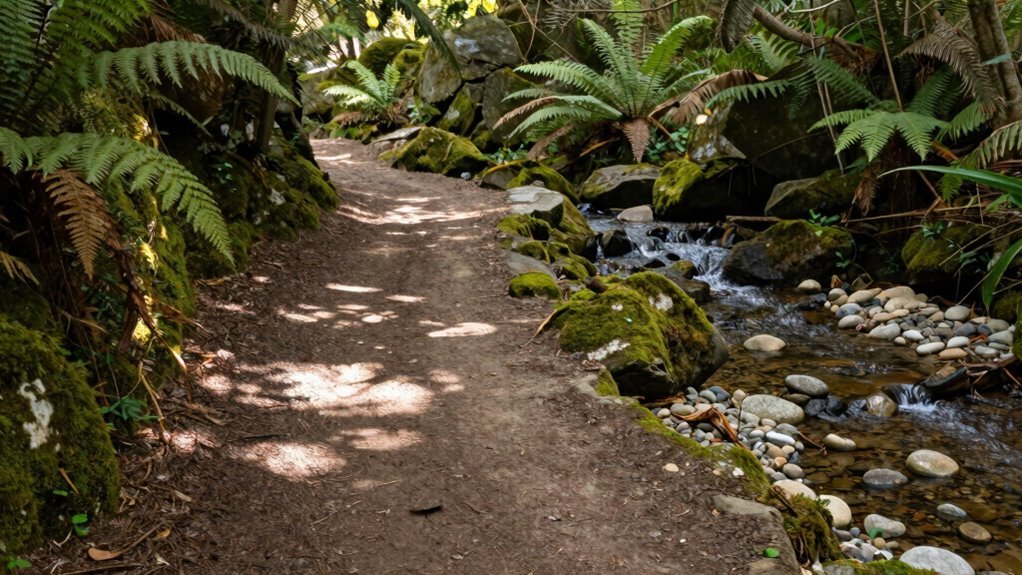
Now that you’ve caught the sunrise glow and snagged the best parking spot, let’s talk about how to move through the woods without rushing past the good stuff—like that hidden waterfall or the deer grazing just off the trail.
Walk heel-to-toe, swing your arms naturally, and keep your chest up to spot roots (or photo ops) ahead.
Engage your glutes to power each step, not your back, and shorten your stride if the terrain gets tricky.
Aim for a smooth 100–120 steps per minute—pop in earbuds with a walking playlist to stay in rhythm.
On uneven ground, slow down and feel each footfall.
Try barefoot moments on safe surfaces to wake up your feet and improve balance.
Practice standing on one leg like a flamingo—just maybe not in public.
The trail’s not a race; it’s a chance to move well, feel strong, and actually see what’s around you—like that squirrel judging your pace.
Stay Hydrated and Energized on the Go
Staying fueled and refreshed on the trail starts long before you feel parched or hungry—think of it like packing your favorite playlist before a road trip, only this time it’s your body’s soundtrack for adventure.
Start sipping water before you head out, and keep at it every 20–30 minutes—don’t wait until you’re thirsty, because by then, you’re already playing catch-up.
Carry a reusable bottle or infuser with lemon or mint to make hydration fun.
Snack on water-rich treats like watermelon, oranges, or cucumber slices—they’re like nature’s sports drinks!
Pack apples, nuts, or a yogurt parfait pre-hike for steady energy.
Skip sodas and caffeine; they’re sneaky dehydrators.
Instead, try coconut water or diluted juice for an electrolyte boost.
Your body’s got no rewind button, so stay ahead of fatigue, dizziness, or dry mouth.
Hydrate like a pro, and your hike will feel like a high-five from Mother Nature.
Enjoy the Journey: Mindful Moments in Nature
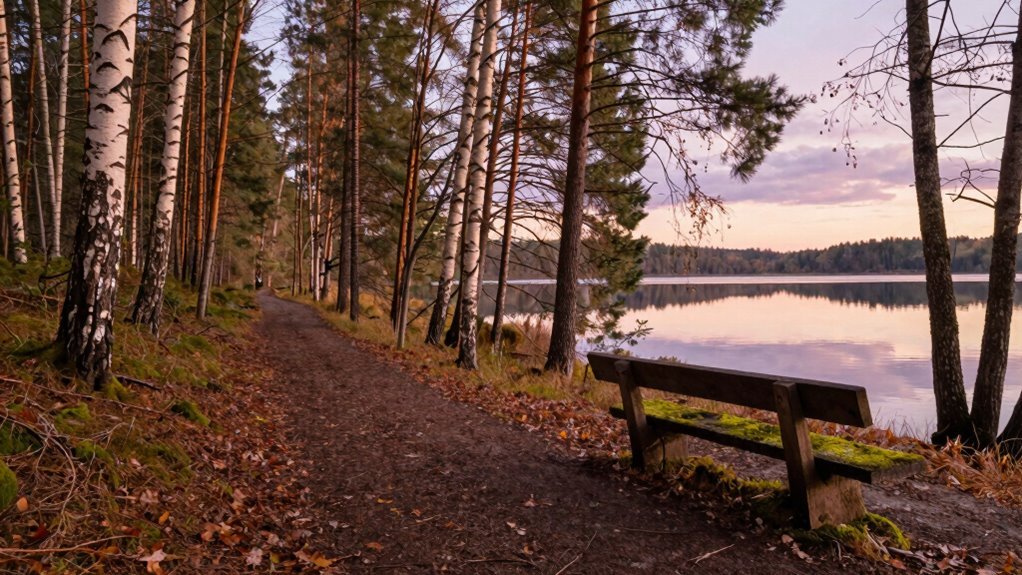
As you step onto the trail, let the rhythm of your feet match the whisper of the wind through the trees—you’re not just walking, you’re unwinding like a tightly wound clock finally given room to breathe.
Feel the sun warm your skin and notice how the leaves dance in the breeze—hello, instant mood boost!
Breathing in that fresh air, you’re nixing stress as endorphins kick in and cortisol takes a nosedive.
You don’t need meditation apps; just listen to birdsong or focus on your steps.
Nature’s got your back, sharpening your focus by 20% and boosting memory like a gentle brain tune-up.
Spot a bright flower?
Watch clouds morph into animals?
That’s mindfulness without the “woo-woo.”
You’re reconnecting—with the earth, yourself, and the simple joy of *being*.
It’s not just a hike.
It’s your playful, peaceful reset button, and honestly, who couldn’t use that?
Build a Habit: Making Hiking a Regular Routine
If you’re thinking hiking’s only for the young and super-fit, think again—building a regular hiking habit is easier than finding your favorite pair of walking shoes, and way more fun.
Start small: three short hikes a week, then slowly add time and hills until you’re hitting 150 minutes.
Pick trails within a half-mile of home—you’re way more likely to go often.
Better yet, grab a buddy or join a group; you’ll stick with it 30% longer and laugh way more.
Hiking with others fights loneliness and even cuts depression.
Use nearby parks—they’re free, peaceful, and perfect for building your routine.
Plus, you’ll boost heart health, balance, and memory.
Think of it as play, not exercise.
Before you know it, lacing up boots becomes as natural as morning coffee—only healthier and with better views.
Frequently Asked Questions
Can I Bring My Dog on Beginner Hiking Trails?
Yes, you can bring your dog on most beginner hiking trails!
Just keep them leashed unless it’s a designated off-leash area.
You’ll both love easy paths like Teatown’s loops or Taughannock’s gorge trail—short, scenic, and pup-approved.
Pack water, bags, and maybe booties if the trail’s rocky.
Think of it as adventure time—for you *and* your furry co-pilot!
Are There Restrooms Along Easy Hiking Trails?
Yeah, there are restrooms along many easy hiking trails, so you won’t have to panic when nature calls.
You’ll find portable toilets on popular routes, and mountain restaurants often let you use theirs if you grab a snack—perfect for a quick break.
Just pack a mini bathroom kit for backup, ’cause not every trail’s got facilities.
Think of it like bringing a superhero utility belt—you’ll be ready for anything!
Do I Need a Permit for Day Hiking?
You usually don’t need a permit for day hiking—just lace up and go!
Most trails let you stroll right in, no paperwork needed.
But some popular spots like Angels Landing or Half Dome say, “Not so fast!” and require permits to keep crowds in check.
Think of it as nature’s bouncer.
Check online ahead of time, so you’re not left hiking on disappointment instead of a trail.
What Should I Do if I See Wildlife?
You spot a creature in the wild—thrilling, right?
Stay calm and back away slowly, facing it like you’re politely exiting a awkward chat.
Keep space between you; they’re not into hugs.
Make yourself look bigger, talk softly, and never run.
If it’s a bear or wolf, give ’em extra room—think VIP treatment.
Use your zoom lens, not your feet.
Wildlife’s awesome, but respect their personal bubble, yeah?
Safety’s the real adventure.
Is Hiking Safe for People With Joint Pain?
Yes, hiking’s safe for you with joint pain if you play it smart.
You’ve got this—just pick gentle trails, wear supportive boots, and use trekking poles to ease knee stress.
Stay hydrated, warm up first, and listen to your body; slow down if something aches.
Think of your joints like trusted hiking buddies—treat ’em kindly, and they’ll keep you exploring longer, pain-free and grinning.
Conclusion
You’re swapping concrete for crunching leaves, city noise for chirping birds, and stress for fresh air. Hiking’s not about speed, it’s about stepping into calm. You’ve got the right shoes, the right trail, and now, the right rhythm. Every breath fills your lungs like a balloon full of sunshine. So go ahead—nature’s waiting, and frankly, it thinks you’re pretty cool.
References
- https://www.roadscholar.org/blog/hiking-tips-for-older-adults/
- https://blog.thebristal.com/seven-hiking-tips-for-active-seniors
- https://www.living50.com/blog/hiking-safety-tips-older-adults
- https://slowerhiking.com/health-and-wellbeing/multiday-hiking-for-seniors-part-1-practical-hacks-workarounds
- https://www.bethesdaseniorliving.com/senior-resources/hiking-as-an-independent-senior-tips-for-fun-and-safety
- https://www.logicmark.com/a-guide-to-hiking-for-aging-adults/
- https://trekology.com/blogs/backpacking/how-seniors-can-prepare-for-their-first-backpacking-trip
- https://discoveryvillages.com/senior-living-blog/hiking-tips-to-make-seniors-adventures-safer-and-better/
- https://goldenyearsmag.co.nz/hiking-safety-measures-for-seniors/
- https://coloradoebikeshop.com/choosing-your-first-hike-criteria-for-beginner-friendly-trails/