How to Use Hydration the Right Way
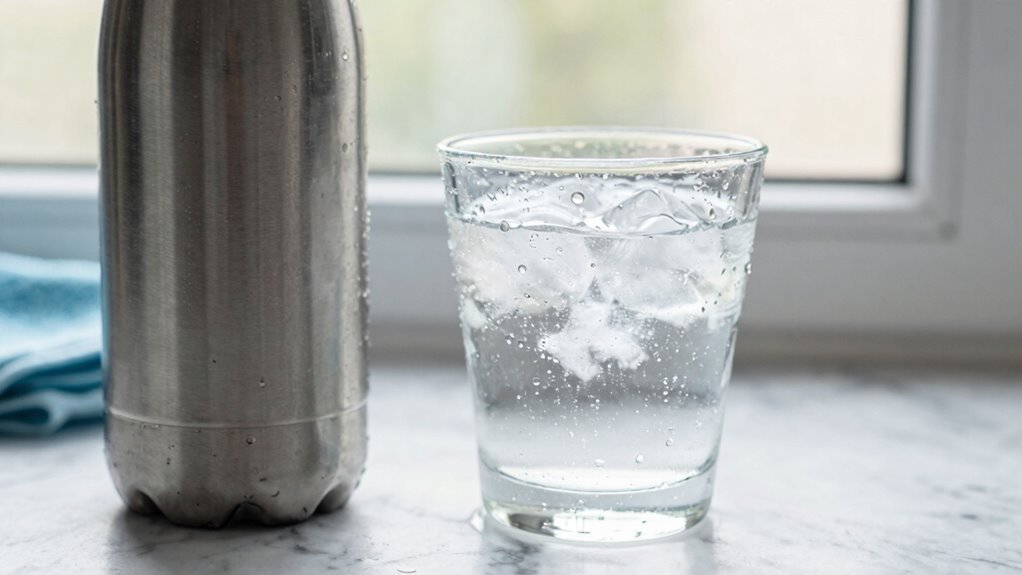
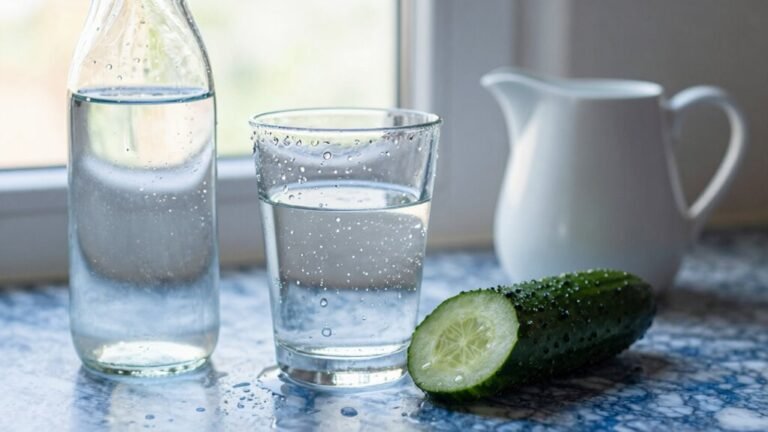
Hydration is key to feeling your best every day. Start your morning with a glass of water and continue sipping throughout the day, especially before meals.
Don’t wait until you’re thirsty to drink—this is a sign you’re already slightly dehydrated. Stay ahead of hydration, particularly when active or in hot weather.
Include other hydrating options like milk, juicy fruits, or tea—yes, tea counts toward your hydration goals. These can make meeting your daily fluid needs more enjoyable and varied.
When you sweat heavily, replenish lost electrolytes to maintain proper hydration balance. A smart, consistent approach to hydration keeps your body functioning smoothly and effectively.
Understand Your Body’s Unique Hydration Needs
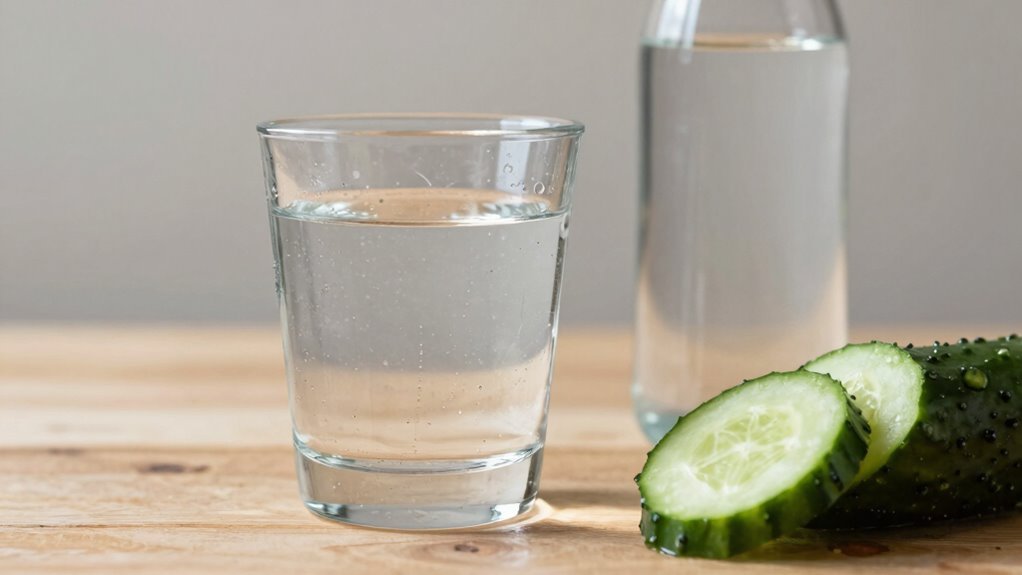
Ever wonder why your friend swears by a gallon of water a day while you feel fine sipping half that? Well, your body’s hydration needs aren’t one-size-fits-all—they’re as unique as your favorite playlist.
Size matters: bigger bodies need more fluid, just like they need more calories. Men typically need around 13 cups daily, women about 9, thanks to differences in body composition and metabolism.
Kids and women also have to watch for hyponatremia—it’s rare, but their smaller frames mean they need balance, not overfill.
Age plays a role too—young adults sweat more when active, while older adults often forget to drink because their thirst fades.
And if you’re sweating it out at the gym or hiking in the heat, you’ve got to replace those lost fluids.
About 20% of daily water intake comes from water-rich foods like fruits and vegetables.
Recognize the Signs of Dehydration Early
What if your body had a secret SOS code, and you didn’t know the signs?
Well, it does—and it’s talking to you every day.
If you’re thirsty, that’s already a red flag; your body’s way of saying, “Hey, I need water, stat!”
Watch for a dry, sticky mouth, dark yellow pee, or not going to the bathroom enough.
Headaches? Uh-oh, that could be dehydration waving a white flag.
Feeling tired, dizzy, or getting muscle cramps? Your body’s shouting now.
Dry skin, sunken eyes, or a racing heart mean things are getting serious.
Even bad breath or sudden sugar cravings might just be your body’s weird way of asking for H₂O.
Don’t wait until you’re fainting—listen early, drink up, and keep your cool (literally).
Hydration wins are low effort, high reward—like getting free energy from water.
Sweet, sweet water.
One common cause of fluid loss is excessive sweating, especially in hot weather or during intense exercise (sweating too much).
Time Your Water Intake Throughout the Day
How does your body feel when you give it water like clockwork—right when it needs it most? Amazing, right? Timing your sips boosts energy, sharpens focus, and even helps manage hunger. Think of water as your day’s best sidekick—always there, never judging (unless you skip it).
- Kickstart your morning with a glass—add lemon for a zingy vitamin C boost and let your organs wake up happy.
- Sip 30 minutes before meals to curb cravings and aid digestion, but don’t drown your stomach acids right before eating.
- Beat the 3 p.m. slump with a tall glass—way better than chugging coffee and riding the jitters.
- Wind down with a glass an hour before bed; your cells renew better when hydrated, and your pee stays light—promise it’s a good thing.
- Drinking one glass of water before a bath may help lower blood pressure, adding a calming effect to your routine.
You’ve got this.
Choose the Right Fluids for Optimal Hydration
Why settle for just wetting your whistle when you can truly fuel your body with the right fluids?
Skip the boring water every time—milk’s got your back with protein, fat, and sugar that keep hydration going longer than plain H2O.
Think about it: science shows a glass of milk beats still or bubbly water in a hydration showdown.
For shorter workouts or mild days, though, water’s still solid—just listen to your thirst.
Coffee and tea? They count too, caffeine won’t actually dry you out!
And don’t forget juicy fruits, veg, or soups—they’re sneaky hydration heroes.
When you’re recovering from illness or heavy sweating, go for drinks with sugar and sodium (hello, ORS!). They help you hold onto fluids better.
Just remember: water’s great, but sometimes you can do better.
Hydration’s not one-size-fits-all—it’s your move!
Balance Water With Essential Electrolytes
While water keeps you going, it’s the unsung heroes—electrolytes—that make sure you’re not just wet, but truly balanced.
You’re not just sipping water—you’re managing a tiny electric orchestra in your body!
- Sodium pulls water into your blood, keeping fluids stable, especially after sweating (because no one likes feeling like a dried-up raisin).
- Potassium works behind the scenes, teaming up with sodium to power your muscles and nerves—think of it as your body’s spark plug.
- Chloride tags along with sodium, balancing fluids and pH, like a loyal sidekick in hydration superhero duo.
- Together, electrolyte-free water balance determines if your sodium levels stay on track—too much plain water without them, and things get wobbly.
Keep your balance on point, and your cells will thank you—no awkward cramps or brain fog included!
Adjust Hydration for Physical Activity and Climate
When you’re on the move, whether crushing a morning run or sweating it out in a hot yoga class, your body’s hydration needs kick into high gear—and skipping the extra fluids is like showing up to a water balloon fight with an empty bucket.
Drink 17–20 ounces of water 2–3 hours before exercising, then another 8 ounces during warmup.
Once you start, sip 7–10 ounces every 10–20 minutes—think every couple of songs on your playlist.
In hot or humid weather, bump it up; you can lose up to 10 liters of sweat in a day when it’s blazing.
Cold weather? Yep, you still need 1–3 extra cups per hour.
Larger body or intense session? Add 8 ounces every half hour.
Acclimated to heat? Your body sweats more efficiently, so drink more.
Replace lost fluids fast—pound for pound, drink 16–24 ounces post-workout.
Stay ahead, stay hydrated, and keep that water bucket full.
Use Food to Boost Your Daily Fluid Intake
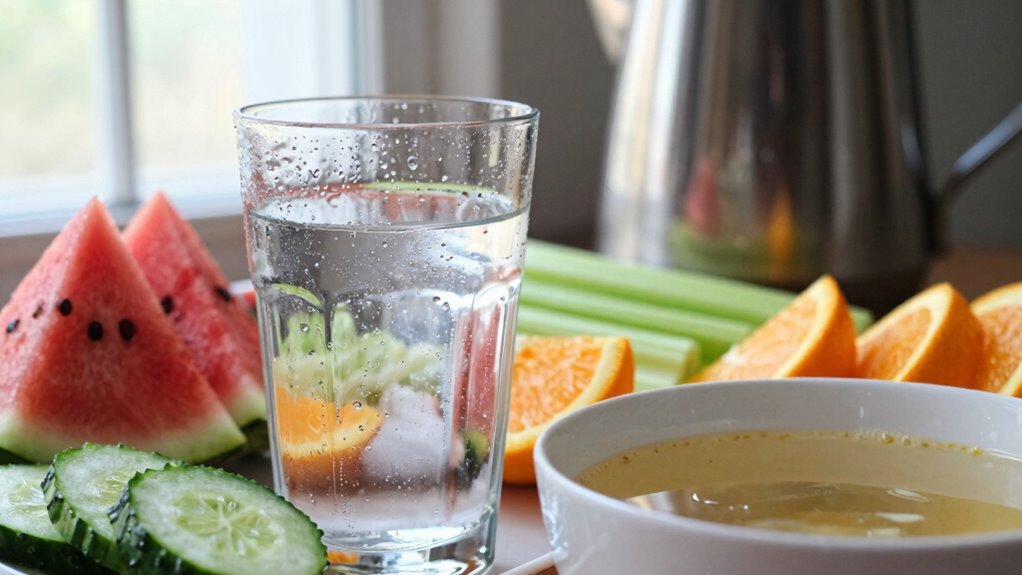
You’ve been crushing your hydration game during workouts, but don’t forget the power packed in your produce drawer—your next sip of water might just be hiding in a slice of watermelon.
Seriously, food can be a sneaky-good hydration hero. Around 20% of your daily fluids come from what you eat, especially when you choose juicy picks.
- Watermelon and cucumbers are over 90% water and pack vitamins, too—like nature’s sports drink.
- Spinach and romaine bring water plus iron and fiber, making salads both crunchy andrevitalizing.
- Oranges and strawberries deliver hydration with a burst of sweet tang and a vitamin C boost.
- Even cottage cheese and broth count, mixing protein and electrolytes with fluid for a hydrating punch.
Snack smart, stay wet—your cells will thank you!
Avoid Overhydration and Its Hidden Risks
Just because water is essential doesn’t mean more is always better—guzzle down too much, and you might end up in trouble.
Your brain can swell from excess fluid, leading to headaches, confusion, or even seizures.
Yep, too much of a good thing can backfire hard.
You might feel irritable, dizzy, or nauseous, and your urine turning clear is a red flag.
Endurance athletes, especially marathoners, are at high risk—some even gain weight during races from drinking too much!
Even sports drinks won’t save you if you’re chugging nonstop.
Downing 3–4 liters in under an hour? That’s a fast track to hyponatremia.
Slow and steady wins the hydration race.
Listen to your body, not every thirst signal it sends.
Stay smart, stay safe, and remember: balance is everything.
Frequently Asked Questions
How Much Water Should I Drink While Pregnant?
You should drink about 10 cups (2.3–2.4 liters) of fluids daily while pregnant—think eight to twelve glasses.
Your body’s working overtime, growing a baby and boosting blood volume, so it craves more water.
Sip often, don’t wait for thirst, and aim for pale yellow pee—it’s your hydration happy dance.
Add in juicy fruits like watermelon and skip too many sugary drinks.
You’ve got this!
Does Coffee Really Dehydrate You Despite Being a Liquid?
Think of coffee as a sneaky hydration teammate, not a foe—you’re totally fine sipping it daily.
Yeah, it’s got caffeine, but your body’s smarter than you think and builds up a tolerance.
That buzz won’t flush your fluids out like a toilet.
With 3 to 6 cups, you’re still hydrated, energized, and good to go.
So relax, laugh at the myth, and enjoy that steamy cup.
You’re doing great.
Can Drinking More Water Improve My Skin’s Appearance?
Yeah, drinking more water can seriously upgrade your skin’s look—think plumper, smoother, and glowier!
If you’re not sipping enough daily, boosting your intake helps tighten, soften, and add bounce.
It’s like giving your skin a mini facelift from the inside out.
Fine lines? Less noticeable.
Dullness? Gone.
Just don’t expect miracles—water’s no substitute for moisturizer, but teamed up, they’re a power duo.
Cheers to dewy, happy skin!
Is It Safe to Drink Distilled Water Regularly?
Yes, you can safely drink distilled water regularly, as long as you’re eating a balanced diet.
Think of it like a blank canvas—pure, clean, and ready to hydrate, but not packing minerals itself.
You won’t zap nutrients from your body, but you won’t refill them either.
So eat those greens, enjoy your bananas, and keep sipping.
Your cells will thank you, and hey, at least you’re not drinking radiator fluid!
Do Children Need Less Water Than Adults?
No, you’ve got it backward—kids actually need more water per pound than adults!
Their tiny bodies lose water faster and run hotter, so they’re like little hydration athletes.
A 1-year-old might need 100 mL per kg of weight, while adults need less per pound.
Conclusion
You’ve got this! Hydration isn’t one-size-fits-all, so listen to your body—it’s smarter than you think. Remember, “an ounce of prevention beats a pound of cure,” so sip early, stay balanced, and don’t wait until you’re parched. Toss in water-rich foods, grab electrolytes when needed, and yes, even laugh at your third bathroom trip—hydration wins! Stay cool, stay ready, and keep that water close, because your best days start with a full tank!
References
- https://pmc.ncbi.nlm.nih.gov/articles/PMC2908954/
- https://pmc.ncbi.nlm.nih.gov/articles/PMC9623173/
- https://pmc.ncbi.nlm.nih.gov/articles/PMC4207053/
- https://nutritionsource.hsph.harvard.edu/water/
- https://www.gssiweb.org/sports-science-exchange/article/hydration-for-health-and-wellness
- https://www.mayoclinichealthsystem.org/hometown-health/speaking-of-health/water-essential-to-your-body-video
- https://www.mayoclinic.org/healthy-lifestyle/nutrition-and-healthy-eating/in-depth/water/art-20044256
- https://www.ncoa.org/article/10-reasons-why-hydration-is-important/
- https://health.ucdavis.edu/blog/good-food/why-its-important-for-you-to-drink-water-and-stay-hydrated/2022/07
- https://medlineplus.gov/ency/article/000982.htm