Pack Fit Vs Boots: Which Should You Pick?
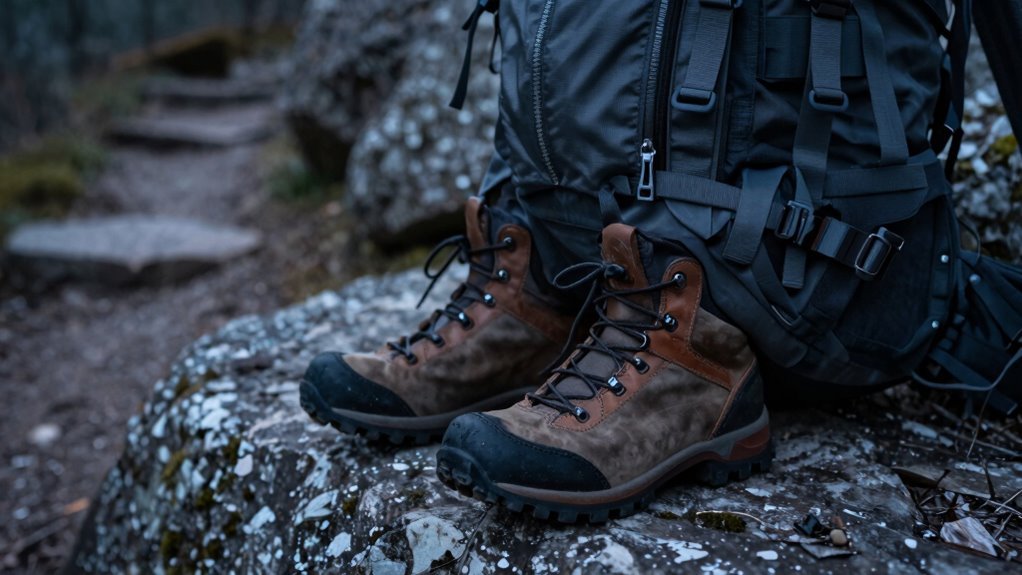
When choosing between pack fit vs boots, consider your need for comfort and agility. Pack fits offer a lightweight feel, snug heel lockdown, and quick-drying performance—ideal for fast-moving adventures on dry, well-worn trails.
Looking for tough protection on rocky scrambles or carrying heavy loads? Boots provide essential ankle support, durable soles, and weatherproof construction. Whether facing hot switchbacks or wet muck, your terrain and conditions shape the choice.
Your adventure’s rhythm, pack weight, and foot demands make the final call in the pack fit vs boots debate. Make the right choice, and your feet will thank you mile after mile.
Understanding Pack Fit Design and Comfort
Ever wonder what makes a hiking boot actually *fit* your foot instead of just tolerating it?
You’re not just stepping into a shoe—you’re stepping into smart design.
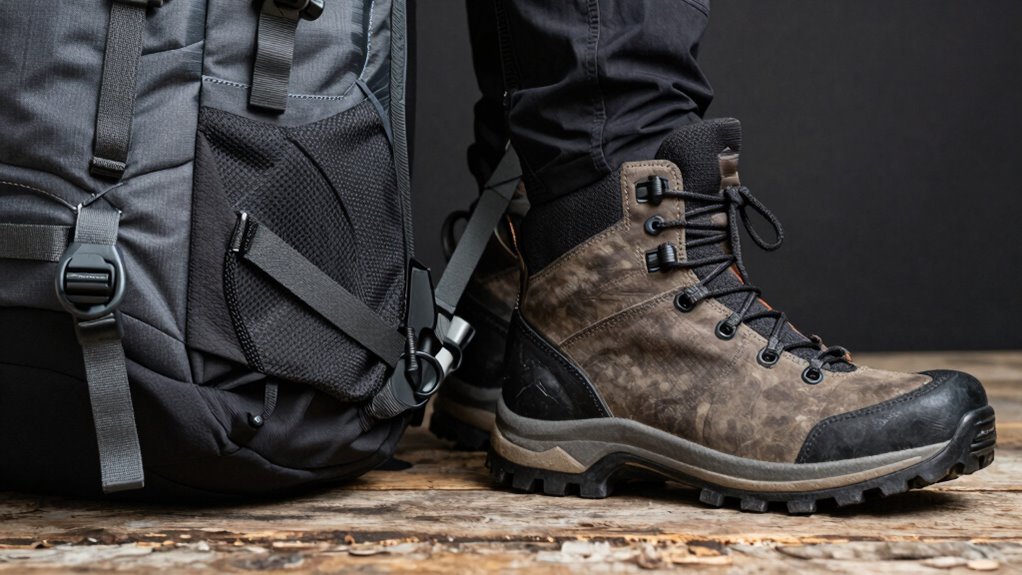
The ZBPK Comfort Fit last hugs your heel like it’s trying to keep a secret, while the anatomical wrap up top keeps your foot from sliding around like it’s on a water slide.
You’ve got room to wiggle your toes, even up to size 15, so no more cramped toe dances.
The heel lock? Solid. It stays put, even when you’re scrambling over roots like a determined squirrel.
And thanks to that curved heel cup, your foot stays stable without feeling like it’s in a vice.
With nubuck leather and a waterproof membrane, your feet stay dry and comfy, because nobody likes soggy socks.
This isn’t just fit—it’s *friendly* fit.
All of this is built on a foundation of resoleable construction, ensuring long-term comfort and durability.
The Structure and Support of Traditional Boots
Step into a traditional hiking boot, and you’re not just getting a shoe—you’re gearing up with a rugged support system built to tackle the wild without quitting on you.
You get sticky rubber outsoles, often from Vibram, with deep lugs that grab rocks and mud like a mountain goat on caffeine.
Inside, EVA or polyurethane midsoles cushion your steps and stay tough mile after mile.
High-cut ankles hug your joints, while padded collars keep things comfy and blister-free.
Reinforced toe caps and heel guards shrug off bangs and scrapes like they’re nothing.
You’ll even find rock plates and shanks hiding in there—superheroes for your soles—blocking sharp stones and adding stability.
Gusseted tongues keep dirt out, and sturdy laces with locking eyelets let you dial in the perfect fit.
Stitched soles? Many are Goodyear-welted, so you can resole them and keep adventuring.
It’s not just a boot—it’s your trailside bodyguard with a great grip.
Many hiking boots feature removable insoles, allowing hikers to customize support with orthotics or enhanced cushioning based on their needs, ensuring optimal comfort over long distances and removable insoles.
Performance in Different Weather Conditions
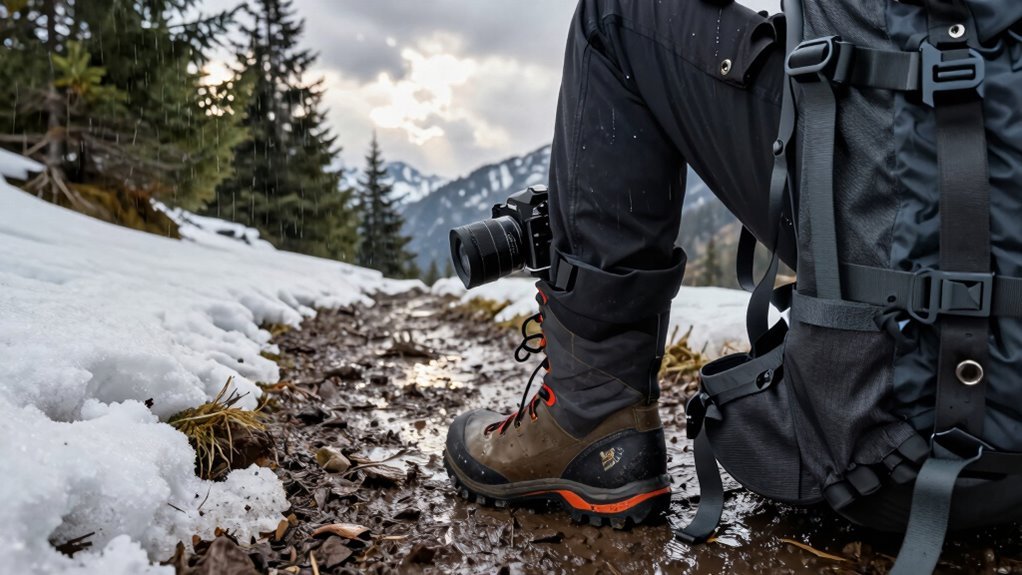
You’ve got your boots laced up and ready to roll, but what if the weather’s not playing along?
In dry heat, ditch the heaviness—trail runners like Altra Lone Peak 4.5 keep your feet cool and light, thanks to breathability and cushiony comfort.
Boots, though tough, trap heat and make hot hikes feel like marathons in a sauna.
When rain rolls in, boots shield longer but turn into soggy anchors, while hiking shoes dry fast and still grip muddy trails.
In snow, boots dominate with warmth and ankle armor, but don’t expect pack fits to keep up—they’ll leave your toes freezing.
Muddy scrambles? Boots win on ankle support, though approach shoes surprise with killer rock grip.
Windy and unpredictable? Light shoes save energy, but midweight boots balance stability and agility.
Mother Nature’s moody—your footwear should keep up, not hold you back!
Trail runners provide better ground feel and 40% lighter weight, enhancing long-distance efficiency and reducing lower-body fatigue.
Portability and Versatility for Travel and Activity
How do you want to carry your feet from trailhead to campsite—like anchors or airbeaters?
Lighter footwear keeps your stride springy and your pack lean, perfect when every ounce counts.
Whether you’re zipping through forests or hopping on a bus to the next trail, portability matters.
Here’s how to stay nimble on the move:
- Choose trail runners or ultralight boots—they squish down easily and save space in your pack.
- Pick synthetic materials—they’re lighter than leather and dry faster after stream crossings (no soggy socks circus!).
- Match boot weight to your load: under 35L? Light hikers work great; 70L+? Grab something beefier.
- Move faster on smooth trails with low-cut, agile designs—they’re like sneakers with a purpose.
Your feet will thank you when you’re still flying while others are dragging.
Matching Your Gear to Your Lifestyle Needs
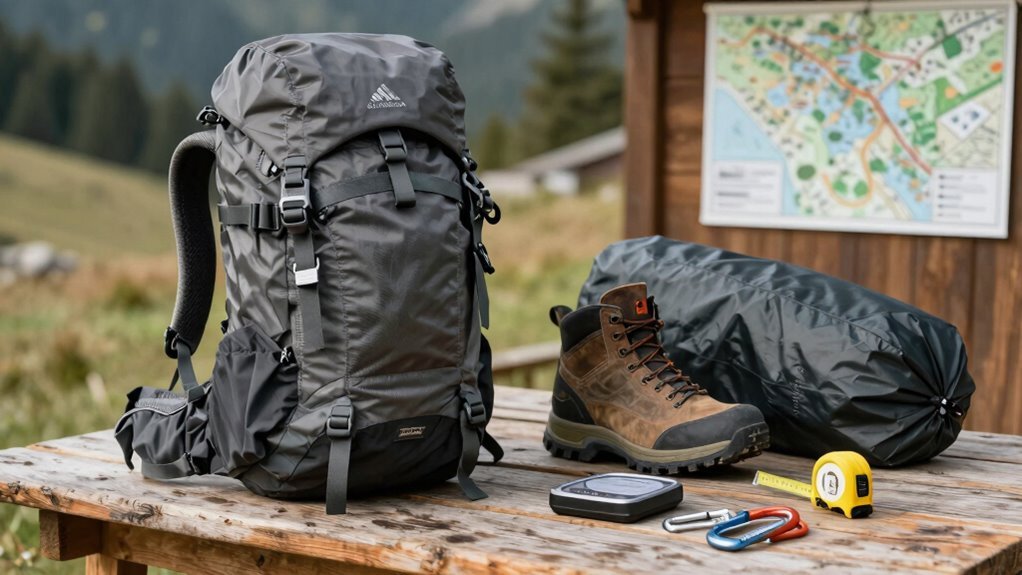
Why let sore ankles or tired feet slow you down when the trail’s calling?
Choose boots if you’re hauling heavy gear, tackling rocky scrambles, or have tender ankles—they’ve got your back with stiff soles and snug support.
Hauling over 30 pounds? Boots are your best buddy.
But if you’re lightweight, nimble, and craving speed, trail runners cut the weight and keep you springy mile after mile.
Less shoe means less fatigue—every ounce saved is like ditching five off your pack!
Love rugged, root-choked trails or icy slopes? Boots deliver grip and protection.
Prefer smooth paths with a sprightly step? Light shoes work fine.
Just don’t blame us when a rogue rock bruises your sole!
Match your kicks to your pace, pack, and terrain—because happy feet mean more fun, fewer “ouches,” and way more “wow!”
Frequently Asked Questions
Can Pack Fits Be Resoled Like Traditional Boots?
No, you can’t resole pack fits like traditional boots—those mesh uppers and glued soles just won’t cut it.
Unlike sturdy leather boots with stitches that hold up, your lightweight trail friends wear out all at once.
By the time the sole’s shot, the upper’s toast too.
Resoling’s a no-go, kind of like trying to re-sole a sock.
Stick to boots with a welt if you want long-term love.
Are Traditional Boots Worth the Higher Price?
Yes, they’re worth every penny—you’re not just buying boots, you’re investing in hiking happiness.
They hug your feet like your favorite hoodie, handle rugged trails like a pro, and keep you dry without sweating buckets.
Sure, they cost more, but think of all the high-fives your feet will give you on steep climbs—priceless!
Do Pack Fits Work for People With Wide Feet?
Yeah, pack fits can work for wide feet, but you’ve gotta be smart about it.
They compress over time, so snug now means room later.
Still, if your feet scream at the width, a dedicated wide boot’s your best bet.
Think of pack fits like breaking in jeans—tight at first, but they loosen up.
Just don’t count on magic; measure first and try them on!
How Do I Clean Pack Fit Materials Effectively?
You clean pack fit materials just like your favorite backpack—start by emptying pockets, then shake out dirt and vacuum crevices.
You hand wash with mild soap and lukewarm water, gently scrubbing straps where sweat builds up.
You rinse thoroughly, squeezing until the water runs clear.
Hang it upside down in the shade, avoid heat, and let it dry completely before storing.
Simple, right?
It’s like giving your pack a spa day!
Can I Use Traditional Boots for Daily Commuting?
You *can* use traditional boots for daily commuting, but you’ll feel the weight—those 4–5+ pound boots add up fast on your feet.
They’re tough as nails, sure, but they’re built for job sites, not sidewalks.
You’ll trade comfort for durability, and your legs might stage a protest by noon.
Swap them for lightweight commuter boots—your joints will thank you, and you’ll still look sharp without the ache.
Who knew happy feet meant happier commutes?
Conclusion
So, which one’s right for you? Think of it like choosing between a cozy sweater and a raincoat—it depends on where you’re headed! Pack fits hug your feet like a favorite sock, great for breezy trails or city strolls. Boots stand strong, ready for muddy paths and surprise storms. Match your move, embrace your groove, and let your feet throw a happy dance every step of the way.
References
- http://www.zamberlanusa.com/shop/category/9789372/backpacking
- https://nicksboots.com/blogs/blog/what-to-look-for-in-hiking-boots-a-guide-to-comfort-durability
- https://bakershoe.com/blogs/news/choosing-the-perfect-hiking-boot
- https://www.rei.com/learn/expert-advice/hiking-boots.html
- https://www.alfaoutdoor.com/en-US/hiking-boots
- https://bootworld.com/blogs/advantage/what-to-look-for-in-hiking-boots-5-tips-to-consider
- https://stories.hanwag.com/en/how-to-choose-hiking-boots-finding-your-model/
- https://www.thehikinglife.com/gear/the-hiking-footwear-guide/
- https://www.outdoorgearlab.com/topics/shoes-and-boots/best-hiking-boots
- https://alamoshoes.com/blogs/general/understanding-the-anatomy-of-a-good-hiking-boot