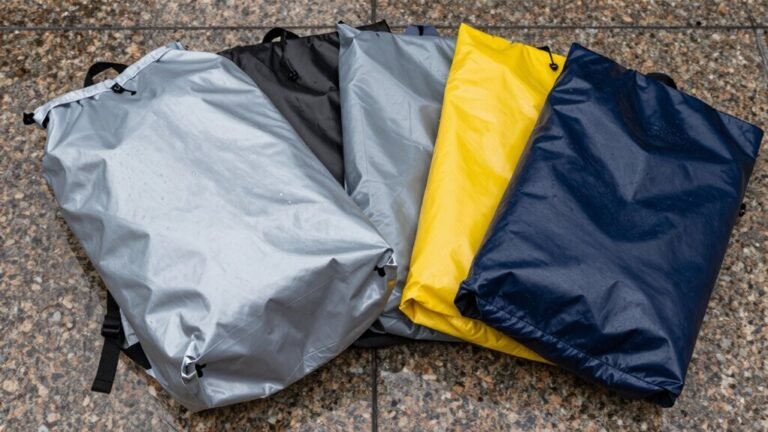
Packing for a Weekend Backpacking Trip
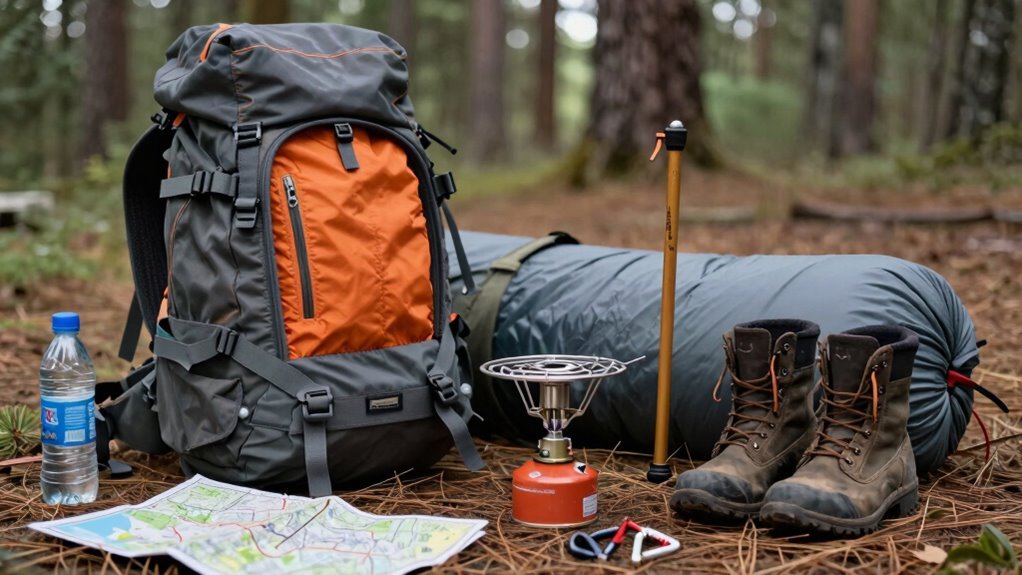
For a weekend backpacking trip, grab your 30–65L backpack—this is the ideal size for carrying all essentials without excess weight. Pack a lightweight shelter like a sleek tarp or Dyneema tent to stay dry while maximizing pack space.
Include a cozy sleeping pad and smart layers, such as a rain jacket and quick-dry pants, to handle changing weather. A good sleep system ensures comfort whether it’s chilly, wet, or unexpectedly sunny.
Bring meals in sealed bags and a bear canister if traveling in bear country—this keeps food safe and odors contained. Don’t skip the merino socks; they wick moisture and help prevent blisters on long hikes.
Oh, and just wait—there’s a pro tip coming that’ll make your pack feel half as heavy.
Choose the Right Backpack for Your Trip
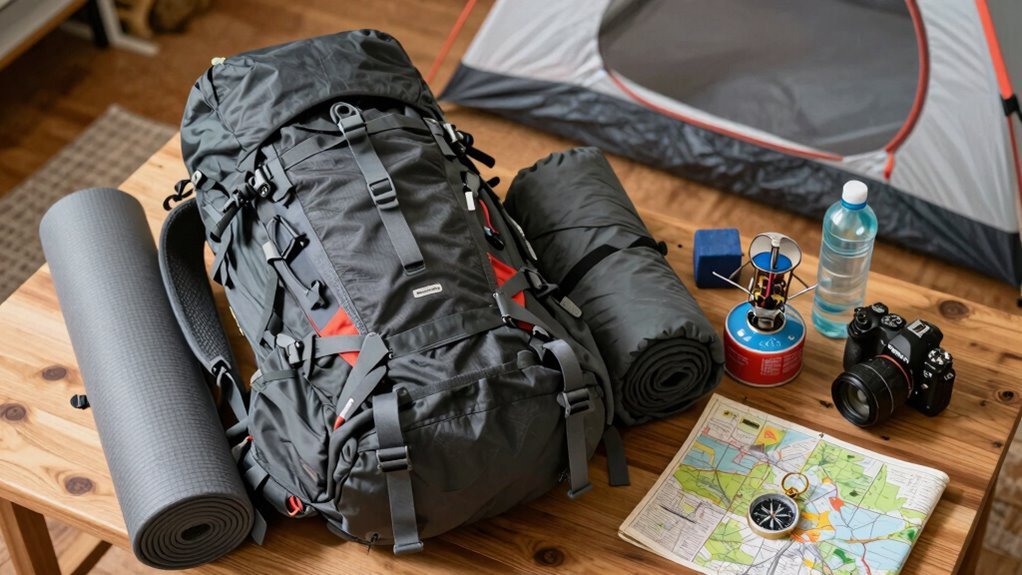
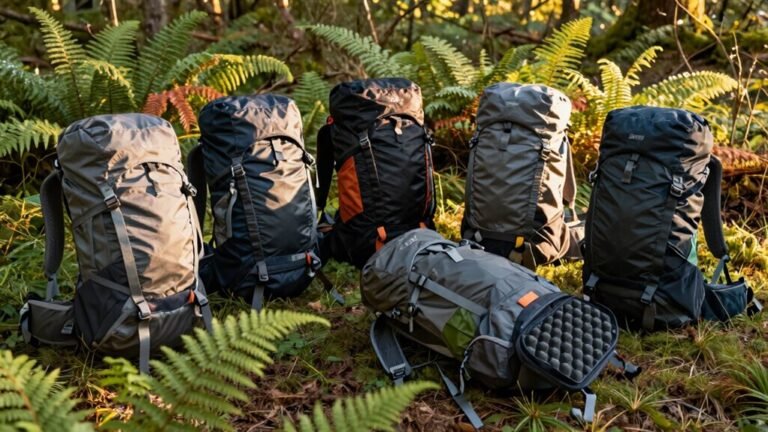
Ever wonder why your shoulders scream after just a few miles? You’re probably carrying too much—or worse, your pack doesn’t fit right. For weekend trips, aim for 50–65L; it’s sweet spot size for gear, food, and that extra cozy layer.
If you’re a minimalist, a 30–43L pack cuts weight and keeps you light on your feet.
Need extra space for comfort? Go 65L+ and embrace the luxuries—hey, no judgment if you pack a pillow.
Adjustable torso sizing and hip belts aren’t just fancy extras, they shift weight off your shoulders and onto your hips, where it belongs.
Look for ventilated backs and mesh panels to stay cool and dry.
Roll-top designs and smart pockets mean you’re not digging around like a raccoon at 8,000 feet.
Pick a pack that fits *you*—your back will thank you. Some models even offer backlength adjustable harness systems for a more personalized fit.
Pack a Lightweight and Weather-Appropriate Shelter
Ditching the heavy dome tent and going light means freedom, speed, and more room for trail snacks—yes, really.
Swap that bulky shelter for something sleek, like the ALPS Mountaineering Ultra-Light Tarp Shelter at just over a pound, or go ultralight with the Zpacks Plexamid at under 15 ounces.
Made from tough Dyneema or silnylon, these shelters won’t quit when the weather turns.
With fully taped seams and coatings that laugh at rain, you’ll stay dry even in surprise downpours.
Pitch your tarp with a 6-point design for stormy winds, or use trekking poles to save weight.
Options like the Tarptent Double Rainbow or Gossamer Gear The Two give you cozy two-person space without the heft.
Even better, many pack smaller than your water bottle—talk about smart design.
Light, tough, and weather-ready? Now *that’s* shelter smarts.
It’s designed to accommodate two people and gear with ease, making it ideal for minimalist backpacking or emergency use.
Select the Right Sleeping System for Comfort and Warm此后
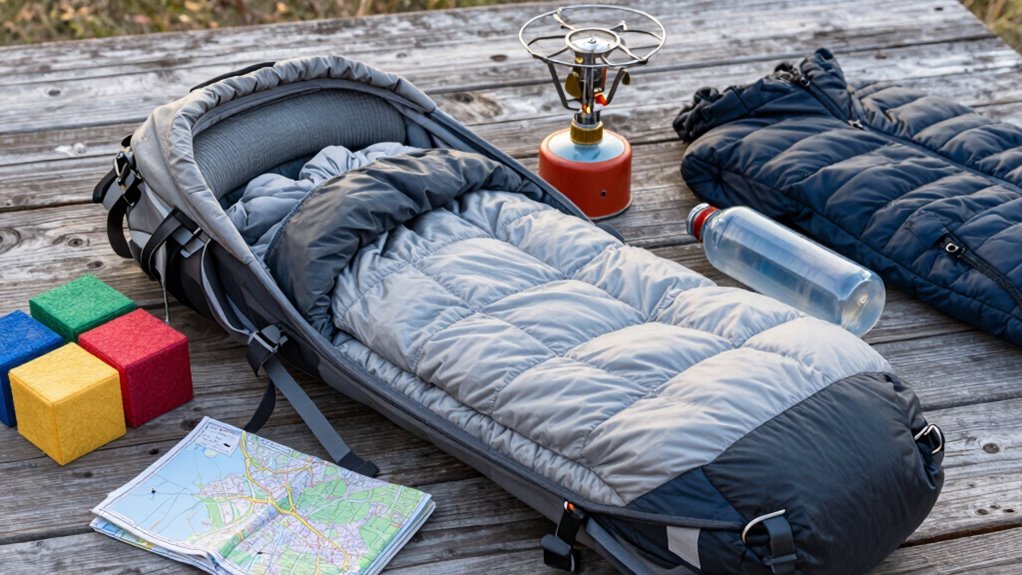
You’re not just grabbing shut-eye in the wild—you’re setting up a cozy sleep sanctuary that keeps you warm and well-rested after miles on the trail.
Grab a sleeping pad that matches your trip: inflatable ones like the NeoAir XLite are cushy and pack small, while foam pads like the Z Lite Sol won’t quit on you and double as a camp chair!
Need warmth?
Check the R-value—bigger numbers (like 4.7 or 6.9) mean toasty nights in chilly weather.
For weekend trips, a pad like the Exped SynMat UL Lite gives you great insulation without weighing you down.
Sure, air pads might need a little puff of breath (or a repair kit, just in case), but they’re worth it for the comfort.
Foam’s cheap, tough, and laughs at thorns.
Pick smart, sleep better—you’ll wake up happy, not stiff!
When choosing your sleep system, consider if you want the added warmth of a mummy-style bag or the lightweight freedom of a sleeping quilt.
Carry Efficient Cooking and Food Storage Solutions
A smart cooking and food storage setup keeps your meals safe, your pack light, and midnight snack raids by critters to a minimum.
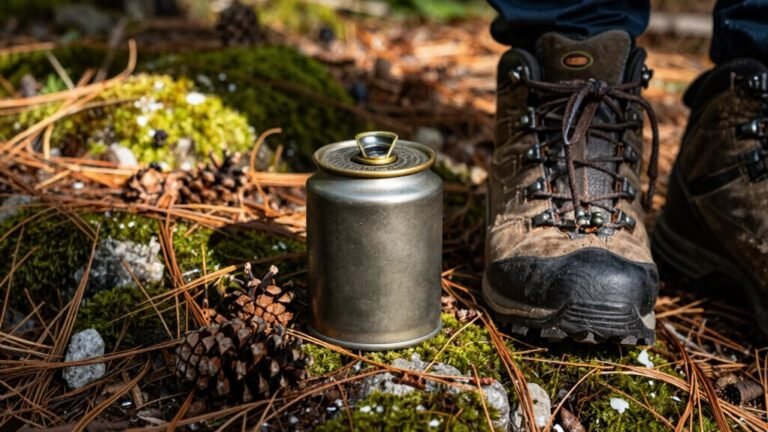
If bears are around, grab a BearVault canister—it’s bulky but bomber, and grizzlies hate puzzles.
For lighter loads, try a Kevlar-and-steel Ursack; it’s tough on rodents and saves weight.
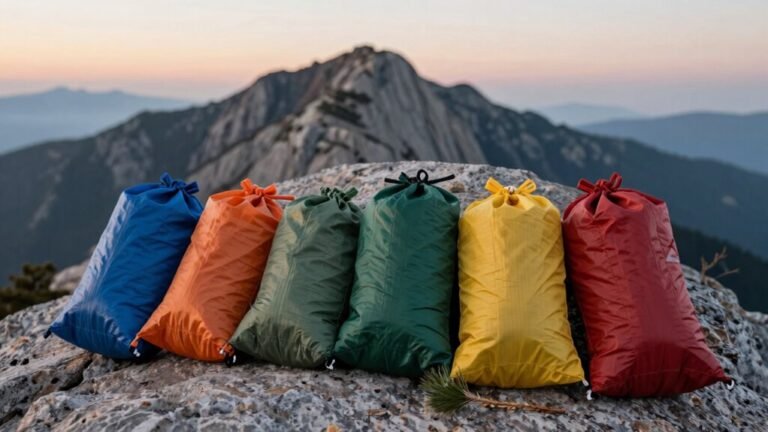
In bear-free zones, go ultralight with a Dyneema food bag—waterproof, sleek, and just 5–6 ounces.
Need maximum efficiency? Use heat-sealed plastic bags; they’re durable, organized, and squish down nice.
Pack meats here, pasta there, and voilà—dinner’s sorted.
All these options stash easily in your pack, hang well, and won’t become a squirrel snack.
Just don’t leave food in your tent—unless you enjoy 3 a.m. raccoon roommates.
With the right system, you’ll eat well, sleep easy, and keep critters out of your chocolate stash.
Win-win.
Bring Essential Clothing for Layering and Protection
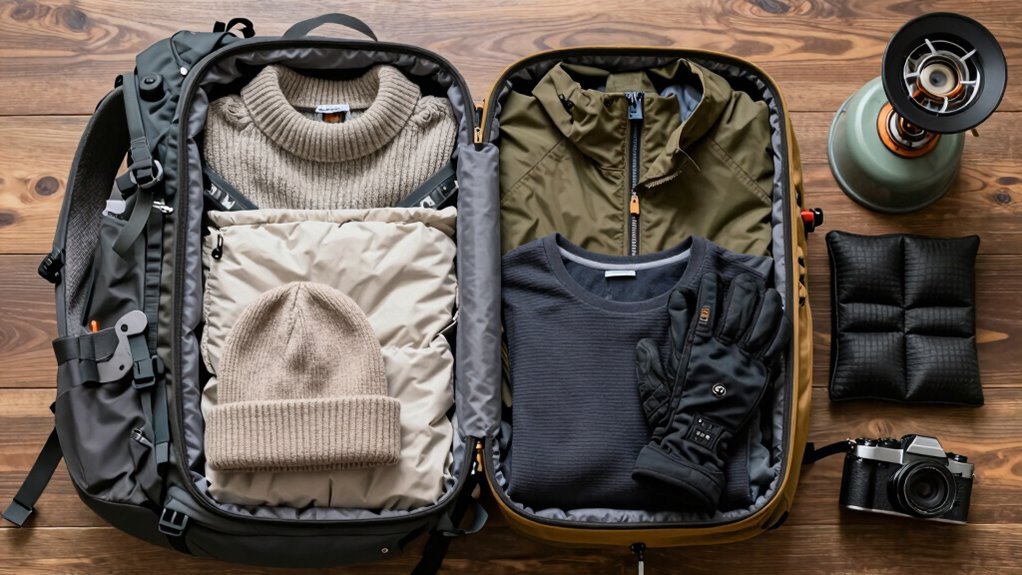
After locking down your food so the local wildlife doesn’t throw a midnight snack party, it’s time to talk about what *you’re* wearing when the trail gets tough and the weather turns moody.
Start with a moisture-wicking base layer—think merino wool or polyester—to keep sweat off your skin.
Add a cozy fleece or puffy jacket for warmth when the wind bites.
Top it off with a breathable rain jacket like the REI Flash or Montbell Versalite to block storms without trapping steam.
For pants, grab quick-dry hiking pairs that handle sweat and scratches alike.
Don’t forget a sun-protective trekking shirt—light, stretchy, and bug-smart.
Layer smart: trap heat when you need it, shed pieces before you overheat.
Avoid cotton like a soggy bear trap—it’s cozy once, then cold forever.
With the right system, you’ll stay dry, warm, and ready for anything, from drizzly peaks to golden meadow hikes.
Dress like an onion, not a sausage—layers win every time.
Don’t Forget Critical Safety and Navigation Tools
What if you’re deep in the woods, the trail fades, and your phone’s already dead?
Don’t panic—you’ve got this.
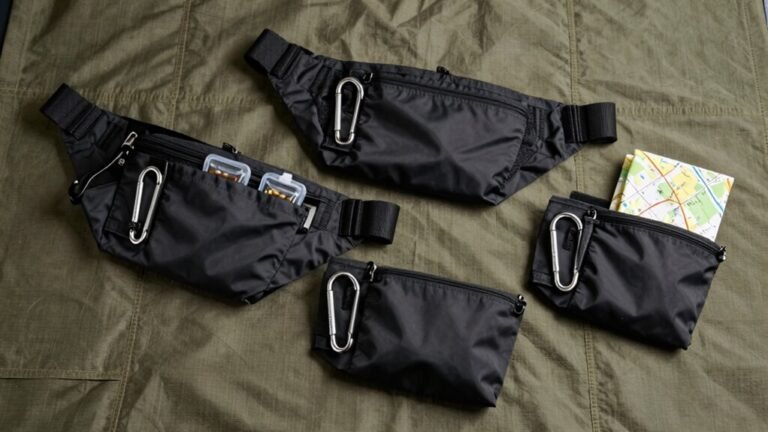
Bring a detailed map and a global needle compass; they’ll never quit on you, even when batteries don’t.
Toss in a GPS device or phone app as backup, but never rely on tech alone—it can glitch or die faster than your snack stash.
Pre-plan your route so you’re not guessing where you’re headed.
Pack a whistle on your pack, a signal mirror, and consider a PLB or satellite messenger for real emergencies—they’re like calling 911 from the middle of nowhere.
A bright headlamp with extra batteries?
Absolutely.
Nights get dark fast, and tripping over roots isn’t part of the adventure.
These tools aren’t overkill—they’re your quiet safety net, letting you hike boldly, explore freely, and stay found.
Smart prep means more fun, less fear.
Include Personal Items and Hygiene Supplies
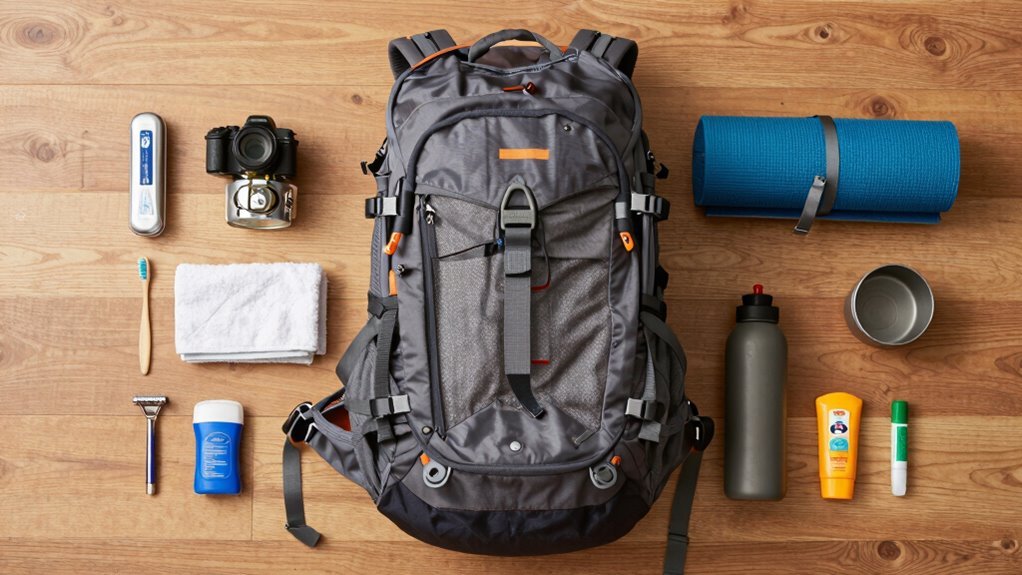
You’ve got your map, compass, and emergency gear locked down—now let’s talk about staying fresh and feeling human when you’re miles from a shower.
Trust me, a little hygiene goes a long way when you’re sharing a tent with your buddy.
Pack smart: grab a travel-size toothbrush and toothpaste, floss, and a tiny mirror for that post-hike beard check.
Don’t forget SPF chapstick—chapped lips on a ridge gust? No thanks.
Toss in contact solution, eye drops, and a mini deodorant to stay comfy.
Wet wipes are your trail MVP—face, hands, or “mystery dirt,” they handle it all.
- Travel-sized toothbrush and paste
- SPF lip balm
- Contact lens solution and case
- Biodegradable wet wipes
- Mini sunscreen for reapplication
Frequently Asked Questions
How Do I Prevent Wildlife From Approaching My Campsite?
You keep wildlife away by storing food right—you bet!
Use certified containers or odorproof bags, then hang your grub 10–20 feet high and 4–8 feet from the trunk.
Keep all smelly stuff—yes, even toothpaste—away from camp.
Make noise while moving, so critters know you’re around.
And please, don’t let Mr. Squirrel raid your chips like it’s a snack heist!
What’s the Best Way to Pack for Rainy Weather?
You pack smart by sealing everything in dry bags—imagine soggy socks ruining morale, not cool.
You zip your rain jacket tight, slip boots into gaiters, and throw a rain cover over your pack like a superhero cape.
You stash layers in waterproof liners, avoid cotton like the plague, and laugh when the mud tries to steal your shoe.
You stay dry, warm, and grinning—because rainy trails? Still epic.
Should I Bring a First-Aid Certification on Short Trips?
Yeah, you should totally bring your first-aid cert on short trips—it’s smart, not overkill.
If someone gets hurt, you’ll be the hero with the know-how.
Plus, most high-adventure programs double-check certifications anyway.
Keep your card or digital copy handy, and don’t forget your CPR is part of the package.
Stay ready, stay safe, and yeah, maybe earn some bragging rights when you save the weekend.
Can I Bring My Pet on a Backpacking Trip?
You can’t bring your pup along for the ride—many trails slam the door on four-legged friends.
National parks?
Most backcountry zones say nope.
Even if rules bend a little, leash laws, wildlife worries, and rugged routes make it tough.
You’d end up carrying their pack *and* your sanity.
Better to book a pup-friendly hike closer to home—your dog’ll still wag for adventure, just sans switchbacks and summit bids.
How Do I Handle Menstrual Hygiene in the Backcountry?
You’ve got this—managing your period outside is totally doable!
Use a cup or period undies to cut waste, and stash backups just in case.
Pack out used stuff in ziplock bags—yep, even tampons—because leave no trace means all the trace.
Wash hands before and after, wipe front to back (hello, no UTIs!), and rinse gear with clean water.
Pro tip: double-bag anything messy—discreet *and* responsible.
Your backcountry adventure stays wild, not wild-eyed!
Conclusion
You’ve packed light, chosen wisely, and double-checked everything—only to realize you forgot the map, again. But hey, getting lost is just adventuring with extra steps, right? Your backpack feels suspiciously light, so clearly you nailed it—unless you count forgetting your toothbrush. No worries, bears probably don’t judge your breath. You’re all set for fun, freedom, and just enough discomfort to make great stories later. Happy trails, forgetful explorer!
References
- https://www.backpacker.com/gear/backpacks/best-backpacking-packs/
- https://www.trailgroove.com/blogs/entry/584-best-backpacking-backpacks-from-overnight-to-thru-hike/
- https://madelinemarquardt.com/best-hiking-backpacks
- https://www.outdoorgearlab.com/topics/camping-and-hiking/best-backpacks-backpacking
- https://www.gregory.com/packs/backpacking/
- https://alpsmountaineering.com/ultra-light-tarp.html
- https://pieonthetrail.com/best-ultralight-backpacking-tents-and-shelters/
- https://zpacks.com/collections/shelters
- https://www.cleverhiker.com/backpacking/best-ultralight-tarps-and-tents/
- https://seekoutside.com/trekking-pole-tents/