Hiking Socks Vs Boots: Which Should You Pick?
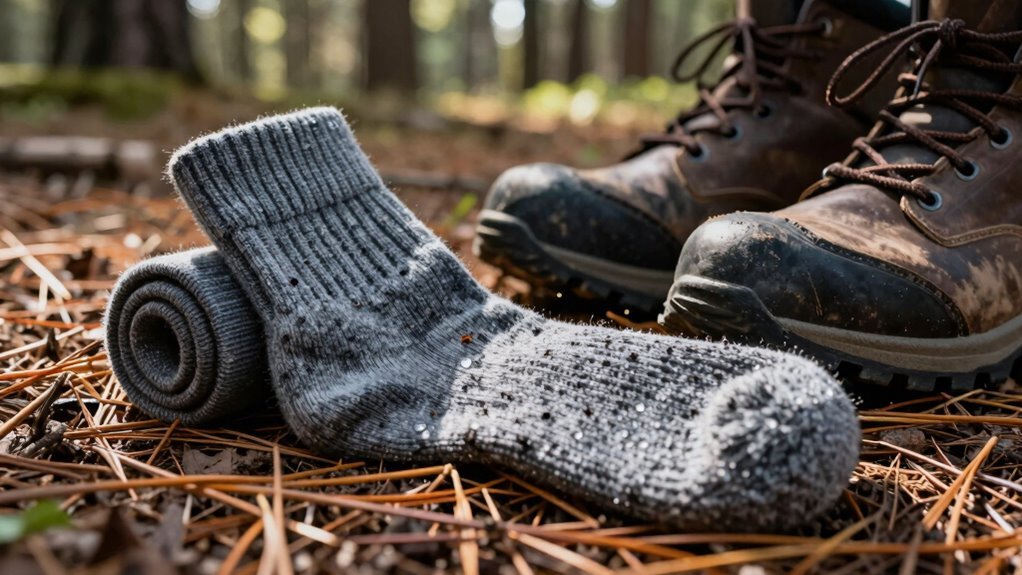
When it comes to hiking, the debate of hiking socks vs boots misses the point—they’re essential companions, not competitors. Together, they form a powerful duo that keeps your feet protected and comfortable on every trail.
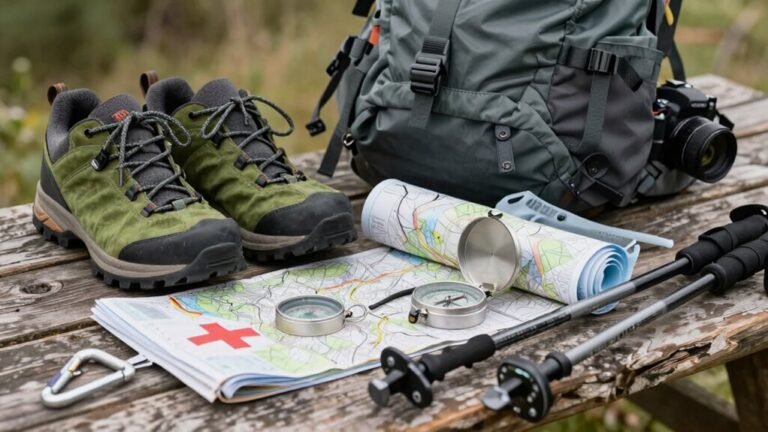
Lightweight trail runners offer agility, while hiking socks made from merino wool wick away sweat and provide a snug, comfortable fit. These socks act like a cozy high-five for your feet, preventing blisters and regulating temperature.
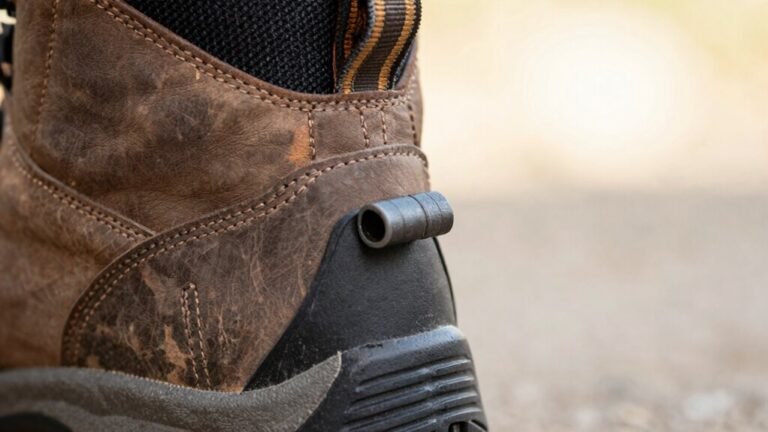
Boots deliver the support needed on rugged, rocky terrain, shielding your ankles and stabilizing each step. They tackle tough conditions like mud, snow, and scree with confidence and durability.
Pair them with quality hiking socks, and you’ve got a trail-ready combination that enhances performance. Both hiking socks and boots bring unique strengths, making them MVPs on every hike.
The Role of Hiking Boots in Trail Performance
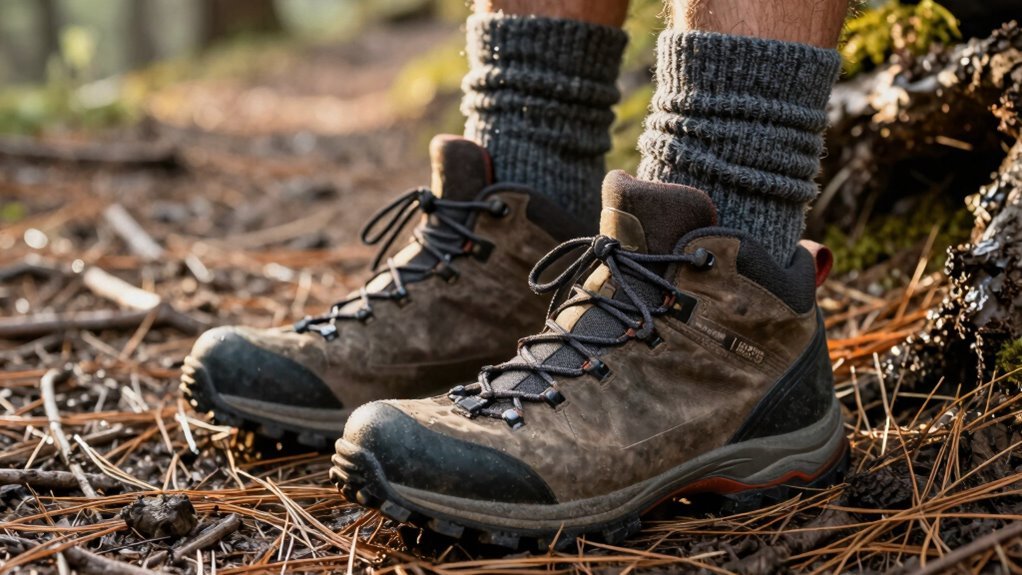
When you’re tackling the trail, your choice of footwear isn’t just about breaking in stiff leather or chasing that “serious hiker” look—it’s about how well your boots or shoes work with your body, not against it.
You’re moving faster and more naturally in trail runners, which weigh nearly 40% less than clunky boots—imagine shedding 10 pounds from your pack by just lightening your feet!
Heavier boots fatigue your legs quicker, especially uphill or at speed.
Rigid soles limit ankle movement, dulling your feel for rocky terrain and possibly weakening muscles over time.
Flexible soles keep you nimble, let you adjust instinctively, and help avoid awkward rolls.
Sure, tall boots feel supportive, but they don’t actually reduce injury risk—and sometimes make it worse by limiting natural reflexes.
Lighter, lower footwear? It’s like giving your hike a secret energy boost.
Why fight your feet when they’re just trying to help?
Trail runners also deliver better ground feel, enhancing balance and precision on uneven surfaces thanks to their lower-to-the-ground sole.
How Hiking Socks Impact Comfort and Fit
Ever wonder why your feet feel like they’re on vacation even after miles of pounding the trail?
That’s your hiking socks working magic.
Thanks to soft, stretchy merino wool, they hug your feet without rubbing or slipping.
These smart socks wick sweat like a pro, so you stay dry and avoid that soggy, squishy discomfort.
They keep you cool when it’s hot and cozy when it’s cold—talk about a foot whisperer!
Snug fits and heel cups lock everything in place, so no more dreaded bunching or blisters.
Seamless toes and cushioned heels absorb shock, turning rocky paths into cloud-like steps.
With targeted padding and breathable fibers, your feet stay happy, aligned, and ready for adventure.
Merino wool can absorb up to 30% of its weight in moisture without feeling wet, enhancing comfort during long hikes high moisture absorption.
Honestly, a great sock doesn’t just boost comfort—it’s your secret weapon for happy hiking.
Who knew socks could be this exciting?
Protection and Support: Boots Vs Socks Compared
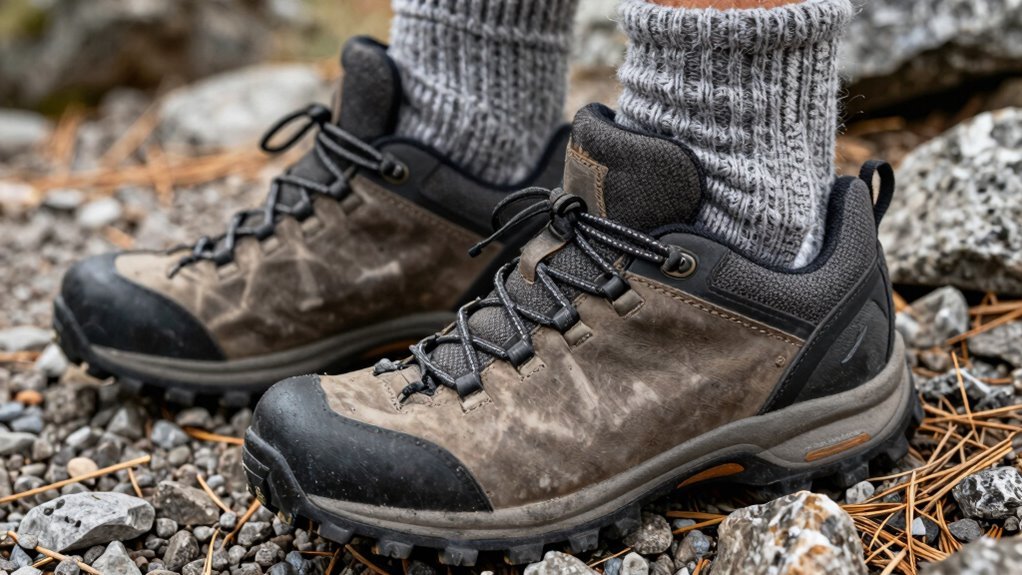
Why do your feet stay dry when splashing through a creek—socks or boots?
Well, both play a role, but boots are your first line of defense.
They’re built with tough materials and waterproof tech like Gore-Tex, shielding you from rain and puddles like a trusty umbrella.
Socks, especially waterproof ones, add a snug inner layer that blocks sneaky leaks, with tight cuffs sealing out water like bungee cords.
Boots win for ankle support too, thanks to rigid shanks—imagine hiking with built-in stilts for stability.
Socks flex with your stride, great for light trails, but boots dominate on rocky terrain.
Need serious protection from roots, rocks, or heavy loads?
Boots have your back (and your feet).
Together, they’re a dream team—like armor with a comfort liner.
The SealSkinz Dunton offers best overall balance of comfort, cushioning, and durability in wet conditions.
Weather Considerations for Footwear Choices
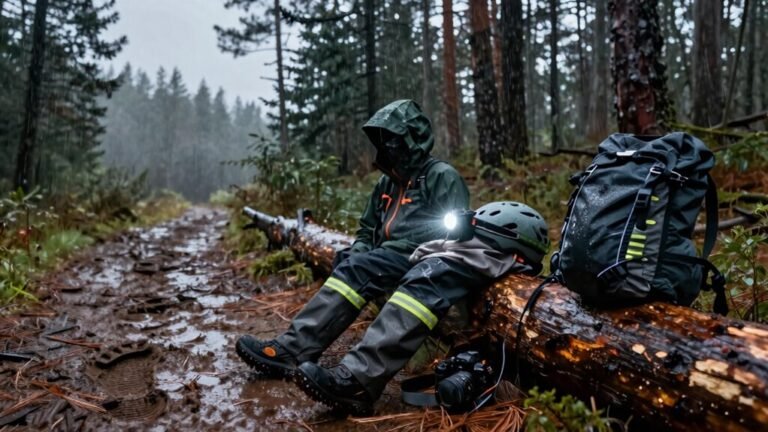
If you’ve ever squelched through a swamp or simmered in swampy socks on a desert trail, you know weather calls the shots when it comes to footwear.
In hot, dry climates, go for breathable mesh trail runners—your feet will thank you with every step.
Skip waterproof linings; they trap heat like an oven.
When rain rolls in, grab Gore-Tex boots or pair trail runners with waterproof oversocks and gaiters to keep squishy misery at bay.
Facing snow? Opt for stiff, high-cut boots with warm wool-blend socks—pruney feet aren’t cute in freezing temps.
Muddy trails? Durable leather uppers and gaiters are your mud-fighting heroes.
For changing conditions, mid-cut boots or versatile trail shoes strike the sweet spot.
They handle drizzle, dust, and damp without weighing you down.
Whether you’re dodging puddles or baking on sunbaked rock, match your shoes to the sky—you’ll hike happier.
Terrain Types and Their Effect on Gear Selection
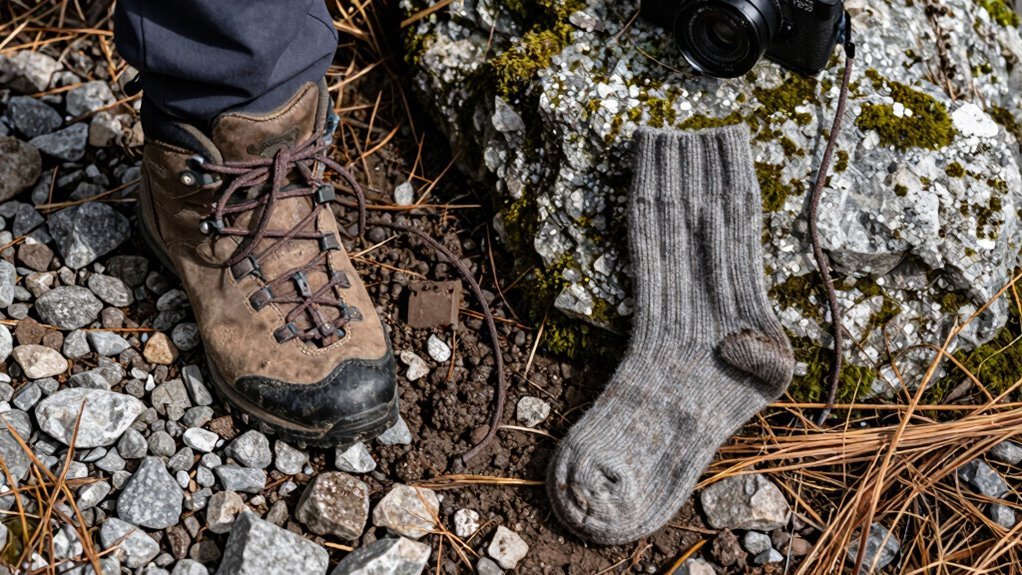
Weather plays a big role in what you lace up, but the ground underfoot really decides the game plan.
Your trail choice?
It’s calling the shots for your socks and boots.
Check this out:
- Hard-packed dirt trails – smooth operators, perfect for lightweight boots and low-cut socks.
- Rocky trails – scree, talus, boulders? Yeah, grab those high-traction boots; your ankles will thank you later.
- Sandy paths – loose and sneaky, sucking energy with every step; breathable soles + grip win here.
- Slickrock and off-trail zones – beautiful but tricky; dry sandstone loves rubber lugs, but go off-trail? Full boots save the day.
Balancing Weight and Durability on Long Hikes
How does your foot feel after 20 miles of relentless trail? Pretty beat up, right? You need socks that won’t quit, not just ones that feel light.
Yeah, ultralight socks save a few grams—cool, sure—but your feet work harder with every extra ounce, so ditch the featherweight flimsy ones.
Go for durable mid-weight crews, like Darn Tough’s 46-gram warriors.
They use merino wool, nylon, and a touch of lycra for toughness that lasts years, not weeks.
You’ll skip the blisters and stink, thanks to natural odor control.
Plus, one tough pair beats hauling three flimsy ones.
And who wants extra laundry mid-trail?
Smartwool’s solid, but Darn Tough’s warranty’s unbeatable—free socks if they fail!
So save weight *smartly*: pick long-lasting socks, and let your feet hike happy, smell-free, and ready for mile 50.
Your backpack—and toes—will thank you.
Frequently Asked Questions
Can I Wear Hiking Socks With Regular Shoes?
Yes, you can wear hiking socks with regular shoes—and you should!
They keep your feet dry, cushion every step, and prevent blisters better than cotton socks.
Just match the sock height to your shoe, pick the right size to avoid bunching, and enjoy trail-ready comfort.
Your feet will thank you, especially on long walks.
Think of it as giving your sneakers a hiking upgrade—no boots required!
Do Hiking Boots Need Breaking in Before Use?
Yeah, you gotta break in hiking boots—skipping it’s like hiking barefoot into a cactus patch.
Stiff soles and rigid leather scream for mercy on day one.
Start wearing them around the house, then short walks with your hiking socks.
Gradually up the miles so blisters don’t crash the adventure.
Think of it as boot boot camp: tough love now means happy feet later.
Just don’t rush—your toes will thank you when you’re knee-deep in mud, grinning.
Are Compression Hiking Socks Worth the Investment?
Yeah, compression hiking socks are totally worth it—you’ll feel fresher longer and bounce back faster.
They boost blood flow, cut muscle shake, and slash soreness so you can hike harder and recover quicker.
Think of them as cheat codes for tired legs.
You’ll skip the stiffness, enjoy better balance, and yes, even flex in style.
Your future self—sore-free and grinning at the summit—will thank you.
How Often Should I Replace Hiking Socks?
You should replace your hiking socks every 500 to 1,500 kilometers—think of them as trusty trail partners who’ve earned retirement after months of muddy high-fives and rocky handshakes.
Thin ones wear out faster, around 500–750 kays, while tough merino pairs can go the distance.
Swap them out when they’re thin, saggy, or smell like a locker room picnic.
Your feet will thank you—happy socks mean happy hikes!
Can I Machine Wash My Hiking Boots?
No, you can’t machine wash your hiking boots—don’t even think about it!
Washing machines and dryers beat them up, melt adhesives, and wreck waterproofing.
Your boots didn’t sign up for spin cycle warfare!
Instead, hand-wash them with mild soap and a soft brush.
Let them air-dry naturally, away from heat.
Treat them right, and they’ll keep your feet dry, comfy, and ready for adventure—like a good trail buddy should.
Conclusion
You’ve mapped the trail, packed your gear, and now—feet first—comes the real test. Boots grip, socks cushion, but choose wrong and blisters talk louder than views. Rugged paths beg for armor, while slick socks sneak in comfort. Weather shifts, terrain tricks, and your feet? They’re begging you to pick wisely. So, what’s it gonna be—tough treads or cozy toes? The mountain’s waiting… and laughing.
References
- https://www.thehikinglife.com/2020/08/trail-runners-vs-hiking-boots-a-30-year-perspective/
- https://commons.nmu.edu/cgi/viewcontent.cgi?article=1605&context=theses
- https://vivobarefoot.nz/blogs/news/the-bare-truth-about-hiking-boots
- https://www.rei.com/learn/expert-advice/the-best-hiking-boots.html
- https://backpackinglight.com/forums/topic/exploding-myths-footwear-and-energy-consumption/
- https://www.outdoorgearlab.com/topics/shoes-and-boots/best-hiking-boots
- https://www.heatholders.com/blogs/wow/how-merino-wool-socks-can-enhance-your-hiking-experience
- https://soxs.co/en/blog/hiking-socks-comfort-and-support-for-every-hike/
- https://www.hikerbabescommunity.com/post/the-ultimate-guide-to-choosing-the-best-socks-for-hiking-adventures
- https://www.nordicsocks.com/blogs/magazine/what-should-you-look-for-when-buying-hiking-socks