Best Recovery Tips After a Hike Over 50
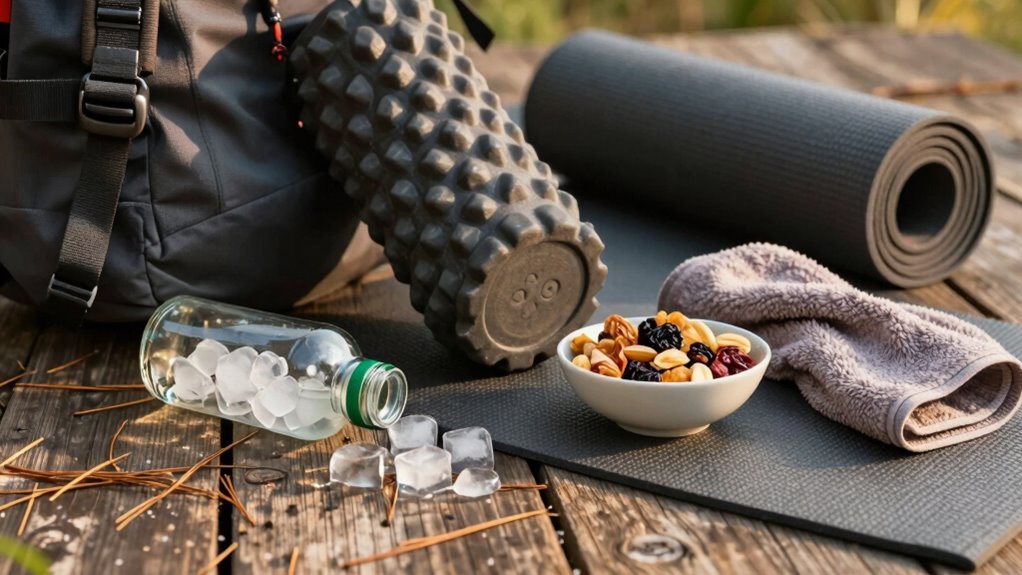
You crushed that hike—now treat your body right. Recovery is crucial after a hike over 50, so start fast to help your muscles repair and energy restore.
Hydrate immediately with water and a pinch of salt or Hydralyte. Skip the beer for now—your body needs real rehydration, not empty calories.
Grab 25 grams of protein soon after finishing, like grilled chicken or peanut butter on toast. This supports muscle recovery after a hike over 50.
Stretch or foam roll your quads while your muscles are still warm. Hold each stretch for 20–30 seconds to improve flexibility and reduce stiffness.
Don’t underestimate sleep—aim for 9 hours to maximize recovery. Elevate your legs, use heat or cold as needed, and stay gently active the next day.
Soreness is normal after a hike over 50, especially if you pushed your limits. Keep moving lightly to prevent stiffness and speed up recovery.
Hydrate Immediately After Your Hike
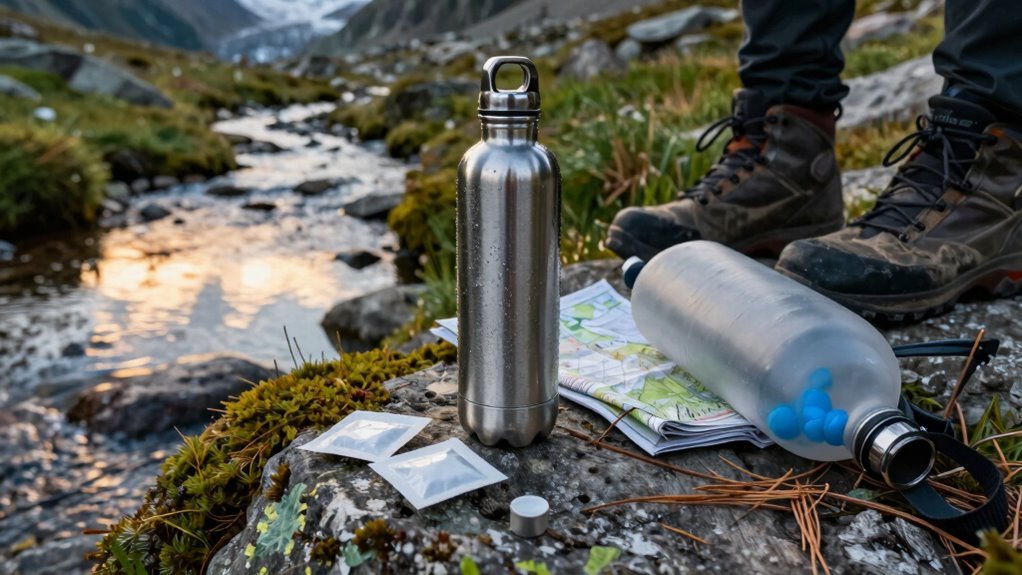
The moment your boots stop crunching on the trail, your body’s recovery clock starts ticking—and hydration is your best teammate. You’re still sweating, even if you don’t realize it, so chug a big glass of water or a sports drink right away. Trust us, your muscles will thank you—less soreness means you’ll bounce back faster for your next adventure. Don’t skip electrolytes; sweat steals them, and plain water won’t cut it. Try a Hydralyte or munch on salty crackers to keep things balanced. This combo helps your body absorb fluids better and prevents that sluggish, headachy feeling. Pee a clear-ish yellow? Perfect. Dark gold? You’re playing dehydration catch-up. And skip the post-hike beer—alcohol sneaks in like a dehydrating ninja. Keep that water bottle handy, refill often, and remember: hydrated hikers are happy hikers! Pre-hike hydration supports organ function and waste removal.
Replenish With Protein and Nutrients
You’ve knocked back that water or sports drink like a pro, good job—now let’s talk about feeding your muscles what they’ve been begging for since mile two.
Your body’s repairs kick into high gear after a hike, so load up on 25 grams of protein at your next meal—think grilled chicken, tuna pouches, or a hearty lentil stew with rice.
Sneak in 10–15 grams in snacks like jerky, nuts, or hummus with crackers.
Hitting 1.2 to 2.0 grams of protein per kilo of body weight helps rebuild torn fibers and dodge that “can’t-walk-tomorrow” ache.
Opt for a mix of animal or plant-based sources—salmon, hard cheese, peanut butter, or protein powder in oatmeal.
Eat within 20 minutes post-hike with some complex carbs, and space protein hits every few hours.
Your muscles will thank you, loud and clear—no grumbles, just happy vibes. This timing supports muscle recovery most effectively.
Stretch While Your Muscles Are Warm
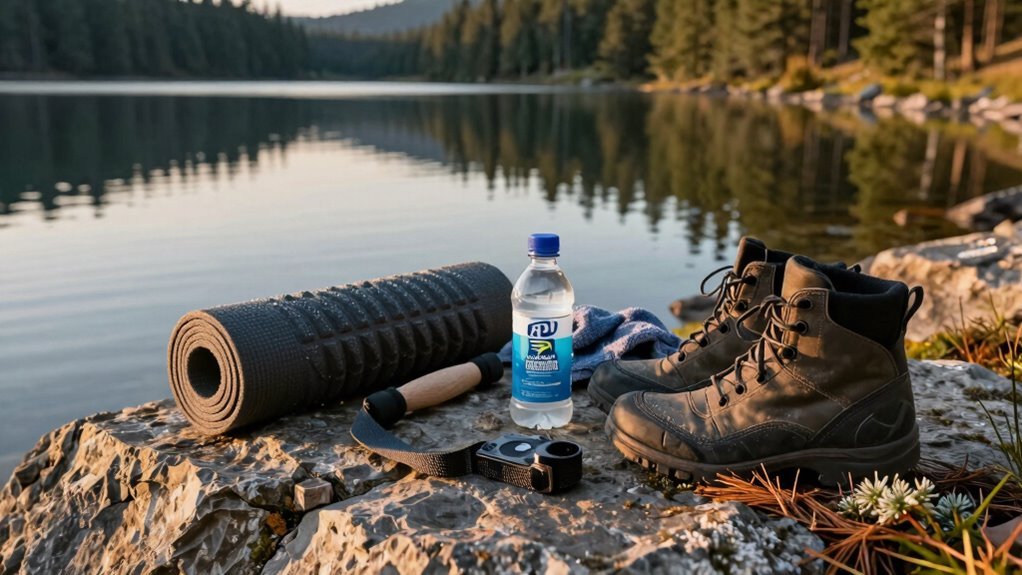
Warming down with a stretch right after your hike? Yes, please! Your muscles are warm, loose, and ready to soak up every benefit of a good stretch. Grab five to ten minutes to loosen things up—you’ll boost blood flow, flush out gunk that causes soreness, and help your body bounce back faster.
Hit those hams, quads, calves, and hips with static stretches like the 3D hamstring stretch or knee-to-wall moves.
Hold each for 10–30 seconds, repeat 2–3 times per side, and aim for 60 seconds per muscle group.
It’s like giving your legs a warm hug. You’ll move better, feel looser, and lower your injury risk—all while winding down happily.
Plus, say hello to deeper sleep and happy joints!
Just don’t overdo it—this isn’t the time to become a human pretzel. Think gentle, effective, and oh-so-satisfying.
Your future sore-self will thank you!
Include static stretches to help decrease muscle stiffness and support long-term flexibility.
Use a Foam Roller to Ease Soreness
Feeling like your legs turned into concrete after a steep downhill stretch?
Grab a foam roller—it’s your post-hike secret weapon.
Think of it as a DIY massage that squishes out soreness and loosens tight fascia, the thin layer hugging your muscles.
You’ll boost flexibility, ease tension, and bring fresh oxygen to tired tissues.
Roll your quads to beat knee pain, hit your hamstrings and glutes for full-leg relief, and don’t ghost your back—side-to-side rolls work wonders.
Use a high-density roller for best results, ideally within 20 minutes post-hike and every 24 hours after.
Science backs this: studies show faster recovery, less DOMS, and even better muscle performance.
Roll like you mean it (but ease into the tender spots—no need to grimace wildly).
Your body will thank you tomorrow with springier steps and way less stiffness.
Now *that’s* smart recovery.
Prioritize Quality Sleep
After you’ve rolled out every tight spot and sent the day’s tension packing, don’t skimp on the recovery magic that happens when your head hits the pillow—sleep is where your body really goes to work.
You’re not just zoning out; you’re rebuilding muscle, refueling energy stores, and leveling up your immune system.
Aim for 9 to 10 hours—top athletes do, and they’re faster, sharper, and stronger for it.
That post-hike glow from sunshine and movement? It fine-tunes your sleep cycle, making deep, restorative rest more likely.
Skip it, and you’ll face slower recovery, more soreness, and messed-up hormones.
Naps help—grab a 20-minute recharge or a 90-minute plunge into serious repair mode.
Keep it consistent, avoid late workouts, and let your body turn downtime into comeback power.
Sweet dreams mean stronger strides tomorrow—so don’t hike hard and sleep light.
Take a Cool Down Walk Post-Hike
Even if you’re dying to plop down on a rock and chug your water, give your body a few extra minutes to wind down—your legs will thank you later.
After your hike, do a 3- to 10-minute cool down walk to slowly lower your heart rate and breathing.
A light jog or brisk stroll helps blood keep moving, so it doesn’t pool in your legs—say no to dizziness and surprise faceplants!
Walking on your toes, heels, or doing walking lunges keeps muscles loose and helps flush out lactic acid.
That means fewer cramps and less soreness tomorrow—no hobbling like a zombie.
Add stretches like knee-to-chest or torso twists as you walk; they boost circulation and prep muscles for repair.
If your hike was intense, extend your cool down—you earned it!
Just 10 minutes of gentle movement makes recovery easier, safer, and way smarter.
Your future self will be walking tall.
Elevate Your Legs to Reduce Swelling
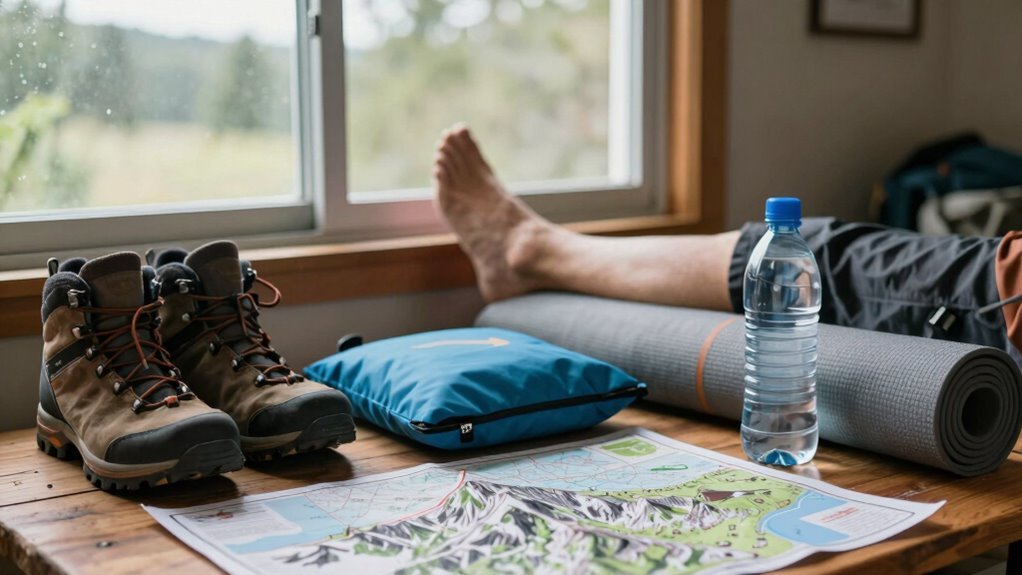
While your legs might feel like overcooked noodles after miles on the trail, giving them a little lift—literally—can work wonders.
Elevate your legs above your heart to fight swelling by reversing gravity and helping excess fluid drain. It’s perfect after long hikes when your feet and calves are puffy from all that pounding.
Aim for 10–15 minutes, or up to 30 if you’re extra sore, propped up on a backpack, log, or cushion.
Try the legs-up-the-wall pose for deep relief—yes, it’s as fun as it sounds.
Bonus? You’ll boost blood flow, flush out lactic acid, and ease achy muscles.
Pair it with compression socks for superhero-level recovery.
Just don’t zone out too long—wiggle around every now and then to keep things moving.
Your legs will thank you with less stiffness and more pep for tomorrow’s adventure.
Apply Heat or Cold Therapy as Needed
When your muscles are screaming after a long trek, don’t just sit there—fight back with a little temperature trickery that actually feels amazing.
Heat or cold? Both work, but it depends on what your body needs.
Here’s how to choose like a pro:
- Use cold right after a tough hike to calm swelling and numb sore spots—think of it as a reset button.
- Apply heat later to loosen stiff muscles and boost blood flow—it’s like a warm hug for your tired legs.
- Try contrast therapy: alternate hot and cold to flush out junk and deliver fresh nutrients.
- Soak in a warm bath for up to two hours—you’ll cut pain by nearly half (and feel amazing).
- Remember: cold first for inflammation, heat later for stiffness. Match the method, and recovery feels way easier.
Stay Active the Day After With Light Movement
You’ve cooled down, soaked up the relief from that icy pack or warm bath, and given your muscles some well-deserved TLC—now let’s keep the momentum going.
Don’t turn into a couch potato just yet—light movement the day after a hike gets your blood flowing, flushing out soreness-causing junk and delivering repair crews (okay, oxygen and nutrients) right where you need them.
Think of it as a tune-up for your body.
Go for a 30-minute walk, pedal gently on a bike, or swim some lazy laps—keep it easy, just 30-60% effort.
If you can chat without huffing, you’re golden.
Try yoga, glute bridges, or stroll through chores like you’re in a slow-motion workout ad.
A little motion fights stiffness and helps you bounce back faster—so move like you’ve got a secret date with recovery.
Your legs will thank you.
Listen to Your Body’s Signals
Ever wonder why your legs feel like overcooked spaghetti after a big hike?
Your body’s just sending you a memo—listen up!
Ignoring those cues can turn a proud trek into a painful recovery.
Instead of powering through, tune in and respond like a pro.
Here’s what to watch for:
- Muscle cramps? You might be low on electrolytes or pushed too hard.
- Feeling dizzy or faint? That’s dehydration waving a red flag.
- Heavy legs or sore muscles? Lactate’s built up—easy does it.
- Mood swings or irritability? Mental fatigue and gut health could be off.
- Can’t sleep or lost interest in hiking? Your mind might need recovery too.
Catch signs early, and you’ll bounce back faster—maybe even in time for your next adventure. Your body’s talking; don’t hit mute.
Frequently Asked Questions
How Soon After Hiking Should I Eat a Meal?
You should eat within 30 to 60 minutes after hiking—your body’s like a sponge then, soaking up nutrients fast.
Grab something with carbs and protein, like a banana with peanut butter or a smoothie.
It helps you recover quicker, refuels your energy, and stops your hunger from turning into a hangry beast.
Seriously, don’t wait—you’ll feel way better, faster, and won’t scare the wildlife with your grumbling stomach.
Can I Take a Hot Shower Right After a Hike?
No, you shouldn’t jump in a hot shower right after hiking—give your body a breather.
Let the sweat dry and your heart rate settle first, or you’ll feel dizzy and overheated.
Wait 20–30 minutes, then enjoy that steamy reward.
Your muscles will thank you, your skin won’t dry out, and you’ll avoid turning into a wobbly noodle.
Patience, trail champ—good things come to those who cool down first!
Should I Avoid Alcohol After a Long Hike?
Yeah, you should skip the booze after a long hike.
Alcohol slows muscle repair, messes with protein synthesis, and dehydrates you when your body’s already tired.
It also trashes your sleep quality—so no deep rest or dream-filled recovery.
Plus, it spikes cortisol and tanks testosterone, which your muscles totally need right now.
Save the celebration for tomorrow—your body will thank you with less soreness and way better gains!
Is It Normal to Feel Sore Two Days Later?
Yeah, it’s totally normal to feel sore two days later—your muscles are just yelling, “Hey, we worked hard!”
That peak achiness around day two is classic DOMS, especially after downhill hiking.
Your legs aren’t mad at you; they’re remodeling themselves like tiny construction zones.
Soreness means progress, not punishment.
Move gently, stretch, and think of it as your body’s way of flexing its effort.
You’ve earned those creaks!
Can Hiking Downhill Cause More Muscle Soreness?
You’re right—hiking downhill *can* leave you way more sore than uphill, even if it feels easier at the time.
That’s because your muscles stretch while braking, creating tiny tears and inflammation.
Sounds scary, but it’s normal!
Think of it like your legs doing slow, forced lunges the whole way down.
Next time, try a quick 5-minute downhill walk first—it’ll prep your legs and save you from waddling like a penguin afterward.
Conclusion
You crushed that trail, and now your body’s thanking you—maybe a little too loudly! Soreness isn’t a punishment, it’s proof you showed up. Hydrate like your life depends on it, stretch like a curious cat, and roll out the kinks with your foam roller—it hurts so good. Sleep like you’re training for a napping championship, and move easy the next day, think strolling, not sprinting. Listen close: your body’s whispering recovery secrets, if you just pause to hear ‘em. Keep it fun, keep it smart, and the mountains will keep calling you back.
References
- https://www.fsguides.com/hydration-before-during-and-after-hiking
- https://www.walks4all.com/blog/the-importance-of-hydration-for-walkers-and-hikers/
- https://www.backpacker.com/survival/how-to-stay-hydrated-and-treat-dehydration/
- https://www.ditradventures.com.au/blog/25/hydrating-for-trekking
- https://news.asu.edu/20200709-discoveries-why-hydration-so-important-when-hiking-heat-summer
- https://www.letstrekit.com/a-hikers-guide-to-electrolytes
- https://backpackinglight.com/forums/topic/79997/
- https://trail.recipes/blog/the-hikers-diet-essential-nutrients/
- https://naturesgarden.net/blogs/tips/hiking-nutrition-tips
- https://www.peaktopeaknutrition.com/blog/the-backpackers-guide-to-nutrition