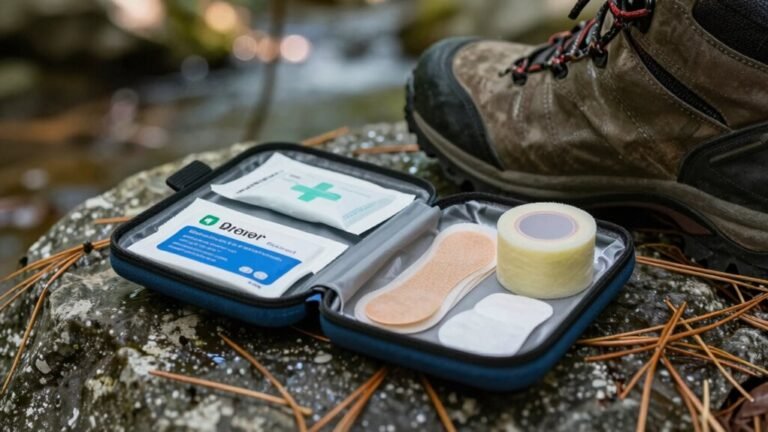
Common Trail Runners Mistakes and Easy Fixes
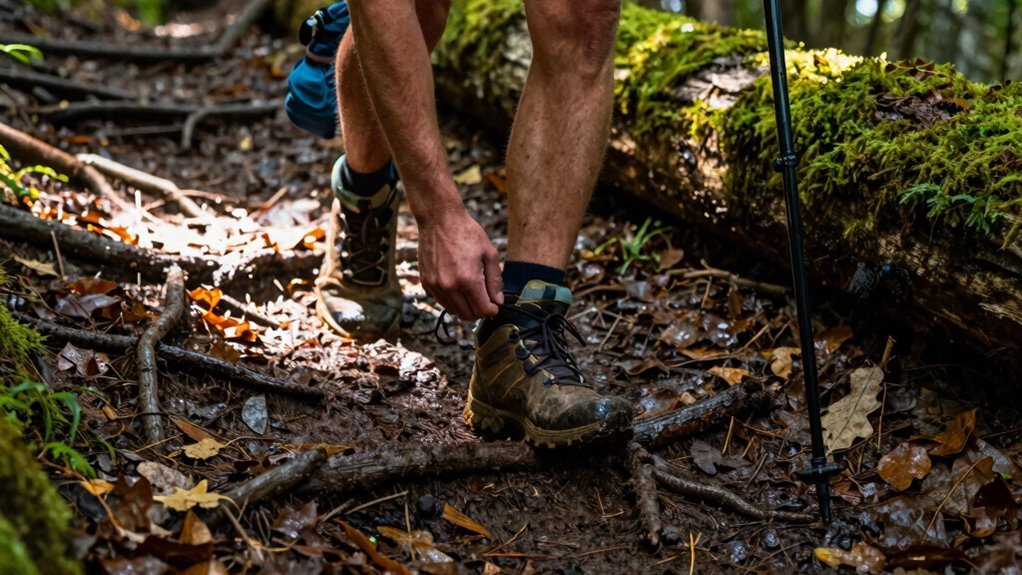
Trail running comes with its challenges, but avoiding common trail runners mistakes can make all the difference. You’re slipping on mud? Your shoes might not have enough grip—grab a pair with deep lugs for better traction on slick terrain.
Bonking at mile five? Fuel early, not just when you’re toast. Many trail runners overlook nutrition, but consistent fueling keeps energy steady on long runs.
Smacking down hills? Shorten your stride and let gravity help instead of fighting it. This small adjustment improves control and saves your quads.
Skipping strength work? Add a few single-leg moves to avoid face-plants and boost stability. Weak muscles lead to poor form, especially on uneven ground.
Check the weather, listen to your body, and fix small aches before they scream. Smart habits prevent common trail runners mistakes and keep you on the path longer.
Do this, and you’ll run smoother, longer, and with way more fun—you’ve got tricks you haven’t even tried yet.
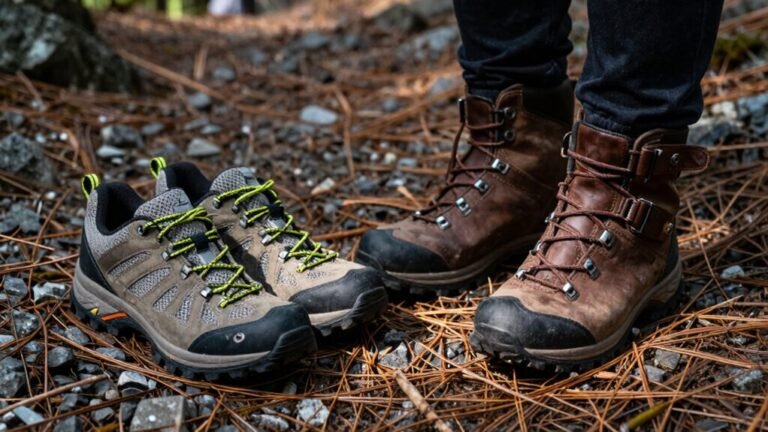
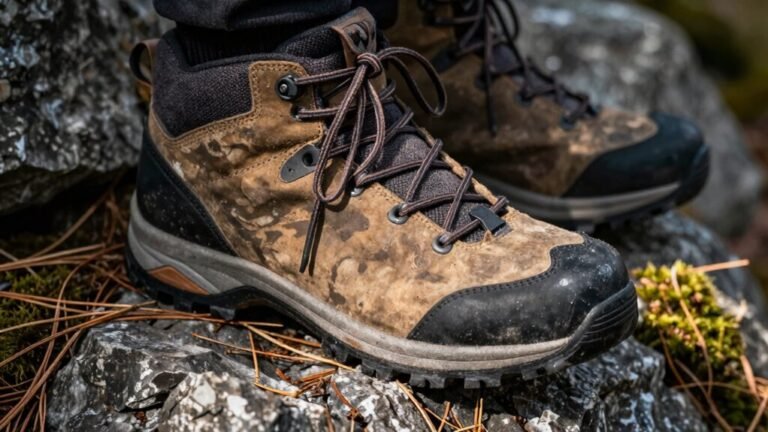
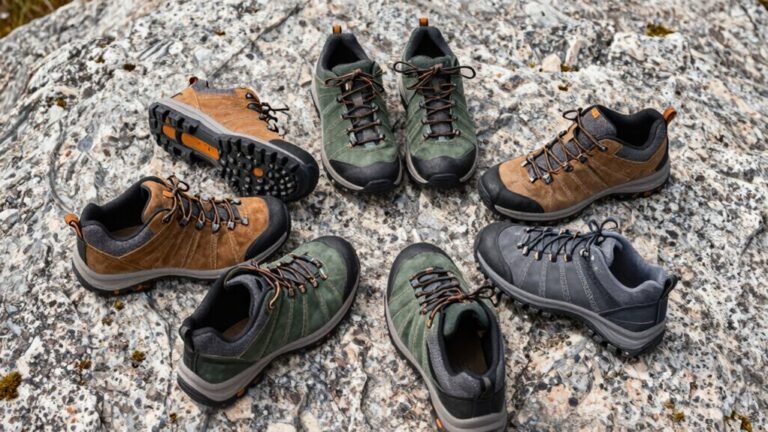
Wearing the Wrong Footwear for Trail Conditions
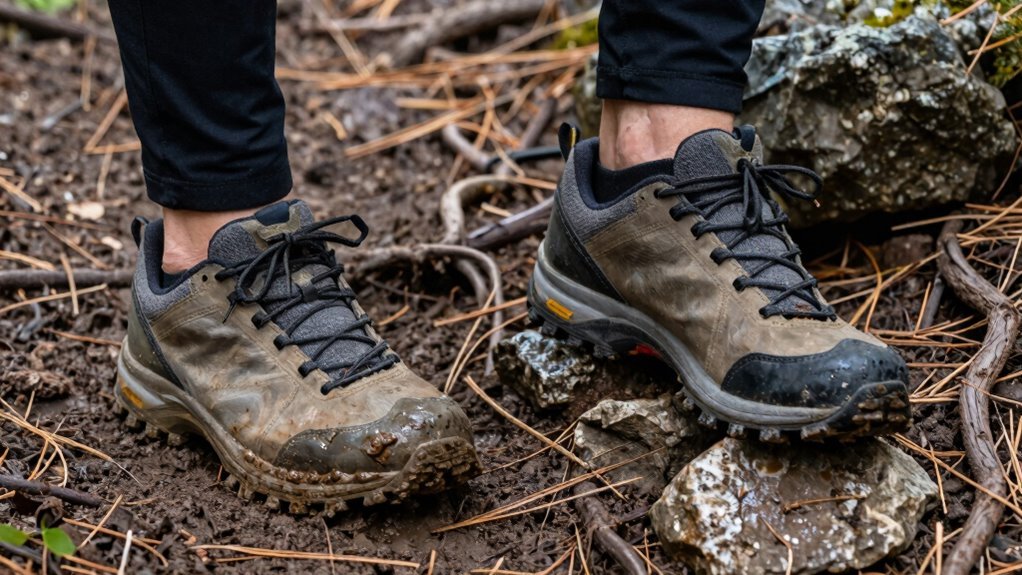
Ever wonder why your feet ache halfway through a trail run—or worse, why you’re suddenly doing an unplanned faceplant on a slick rock? That’s your shoe screaming, “I wasn’t built for this!”
Slapping smooth trail runners on rocky terrain? No wonder you’re wobbling.
Rocky trails need aggressive lugs and rock plates—think armor for your feet.
Muddy paths? Deep treads grab muck like a pro.
And if roots or sharp stones keep bruising your soles, you likely skipped reinforced toe caps or durable outsoles.
Oh, and that zero-drop shoe meant for forest paths? Not ideal when you’re stomping through a stream unless it’s quick-drying.
Waterproof? Great for sogginess, but swap it in dry heat—your feet’ll thank you.
Pick smart: match cushion, drop, and grip to the trail, not your Instagram aesthetic. Choosing shoes based on terrain type ensures protection and performance where it matters most.
Your runs’ll feel lighter, faster, and way more fun—faceplants optional.
Neglecting Hydration and Nutrition on Longer Runs
Why do some long trail runs start strong but end with you feeling flat, shaky, or worse—arguing with a trail mix packet you can’t open?
You’re probably skipping smart hydration and fueling.
Don’t wait until you’re thirsty or starving—your body’s already behind.
Consuming a 3:1 ratio of carbs to protein post-run optimizes glycogen replenishment and muscle repair, especially after long efforts.
- Hydrate early and often: Sip water all day before, not just chug before the trail. Your kidneys aren’t fans of water overload.
- Fuel like clockwork: Eat every 20–30 minutes, even if you’re not hungry. Gels work, but mix in real food to avoid flavor burnout.
- Salt your run right: Sweat steals sodium, so replace it with electrolyte drinks or tabs—especially when it’s hot.
Get this right, and you’ll crush those climbs, nail the distance, and keep your snacks (and sanity) intact.
Overstriding on Downhill Sections
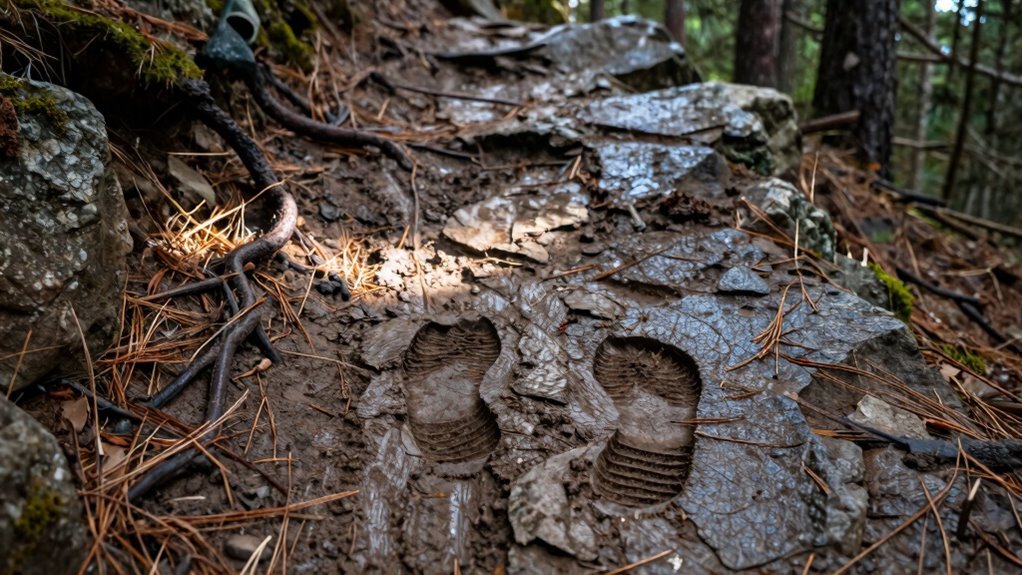
You’ve nailed your fueling, sipped like a champ, and now you’re flying—until the trail tilts downhill and suddenly your legs feel like they’re auditioning for a slapstick routine.
That awkward, jarring thud?
You’re overstriding—landing with your foot way out ahead of your body, braking with each step.
It’s hard on your quads, torches your knees, and invites soreness, sprains, even runner’s knee.
Downhills shouldn’t hurt like that.
The fix? Short, quick steps.
Land with your foot under your body, not far out front.
Crank up your cadence and let gravity help, not hinder.
You’ll flow smoother, protect your joints, and save your legs for the long haul.
Think light, fast, and in control—like you’re tiptoeing over hot coals.
Soon, downhill running feels less like a disaster and more like fun.
This becomes easier when you consciously reduce stride length, as stride length tends to increase on downhills, raising impact and injury risk.
Skipping Strength and Balance Training
Building real trail toughness isn’t just about logging miles—it’s about prepping your body for the bumps, wobbles, and surprise root ambushes that leap out when you least expect them.
Skipping strength and balance training? That’s like showing up to a knife fight with a noodle.
You’re begging for sprains, falls, or worse—long-term injuries that knock you out for good.
Boost your game with just a few smart moves:
- *Build resilient muscles and joints* so hills and rocks don’t wreck your rhythm
- *Sharpen your balance and reflexes* to stay upright when the trail throws a tantrum
- *Fix weaknesses before they fail*—strong, stable bodies run faster, longer, and way more fun
Try single-leg stands, weighted hill repeats, or superman lifts a few times a week.
Your future self won’t be limping—and might even win a race.
Failing to Check Weather and Trail Conditions Ahead of Time
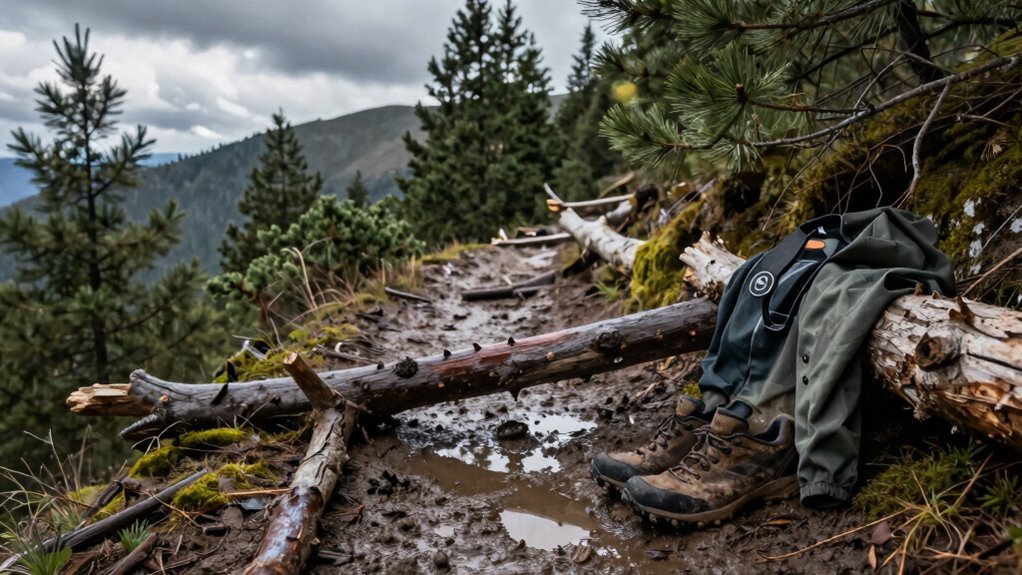
You crushed the strength work, nailed your balance drills, and now you’re feeling like a trail warrior—ready to take on roots, rocks, and steep drop-offs without flinching.
But wait—did you check the weather? Skipping that step is like showing up to a race in flip-flops.
Hot air above 60°F slows you by 20–30 seconds per mile, and humidity can zap 15% of your pep.
Even cold, snowy trails demand respect: icy patches love ambushing overconfident runners.
Wind and blazing sun? They steal speed too, especially if clouds don’t lend a hand.
The fix? Peek at the forecast and trail reports—it takes two minutes.
Adjust gear, pace, or route, and laugh at the weather instead of cursing it.
Smart prep keeps your trail triumph on track!
Ignoring Early Signs of Overuse Injuries
Ever wonder why some trail runners keep logging miles without a hitch while others end up hobbling after a few weeks?
You’re not alone—and chances are, it’s because you’re ignoring those whispers of discomfort before they turn into full-blown screams.
Overuse injuries love to sneak up, especially on tricky terrain where your knees, ankles, and lower legs take the hit.
- That dull ache in your knee? It’s not “just part of the grind”—it’s your body waving a red flag.
- Feeling off-balance or unusually stiff? Poor control on uneven ground ups your injury odds fast.
- Pushing through fatigue or ramping up mileage too quick? Hello, Achilles strain and IT band rage!
Catch it early, tweak your routine, and keep running strong—because nobody likes being benched by their own boots.
Frequently Asked Questions
How Do I Choose the Right Trail Running Socks?
You pick trail running socks by matching fit, cushion, and fabric to your feet and trails.
Get anatomical socks that hug snug without squeezing—no slips or blisters.
Choose cushion based on terrain: more padding for rocky paths, less for speed.
Wear merino or synthetics to stay dry and cool.
Pick crew heights for tough trails, quarter lengths for breathability.
And hey, your socks should feel like cozy sidekicks, not afterthoughts!
Can I Use Road Running Gloves for Trail Runs?
Nope, you can’t reliably use road running gloves for trail runs—those flimsy, flappy fingers fail on rough, rocky routes.
They’re too thin, tear easily, and slip right off steep slopes.
Trail terrain trounces flimsy fabrics, so you need tough, tenacious gloves with grip, padding, and protection.
Sure, they’re snugger and stiffer, but they won’t surrender to mud, muck, or midnight chills.
Skip the struggle—smart hands choose trail-tuned gear!
What Should I Do if I See Wildlife on the Trail?
You see wildlife? Cool, don’t panic—you’ve got this!
Stop, stay calm, and speak softly while slowly backing away.
Never run; that triggers chases, and nobody wants a game of tag with a bear.
Make yourself look bigger, keep your eyes peeled but avoid direct staring.
Carry bear spray like a trailside accessory, just in case.
Stay safe, stay smart, and remember: you’re a guest in their backyard!
How Often Should I Replace My Trail Running Shoes?
You should replace your trail running shoes every 300 to 500 miles—some hold up like superheroes, others wear out faster than your favorite socks.
Rocky trails and heavy mileage beat them up quick.
Watch for flat cushioning, slick treads, or blisters you didn’t invite.
If your knees say “ouch” or your shoes look sad, it’s time.
Keep fresh kicks coming, and your feet will thank you with happy miles.
Is It Safe to Run Trails Alone at Dawn?
You can run trails alone at dawn, but it’s riskier—cold temps and low light up your odds of hypothermia or slipping.
Wildlife’s less a worry than icy patches or sudden weather swings.
You’re smart to question it!
Boost safety: pack warm layers, a headlamp, and tell someone your plan.
Bonus points if you bring a buddy—or at least don’t ghost your group like a trail-running ninja.
Conclusion
You’re not just running trails—you’re dancing with roots, splashing through streams, and high-fiving every rock like an old friend. Skip the stumbles by lacing up right, fueling up early, and listening to your body’s whispers before they shout. Think of each fix as a trailside snack: small, sweet, and totally worth it. Now, go chase those sun-dappled paths, you glorious dirt-loving squirrel, you!
References
- https://www.101footandankle.com/blog/choosing-the-right-trail-running-shoes-for-different-terrains
- https://www.princetonmedicine.com/blog/choosing-the-perfect-trail-running-shoes-a-comprehensive-guide
- https://www.candriafas.com/blog/choosing-the-right-running-shoes-for-different-terrains
- https://rununited.com/blog/5-key-features-to-look-for-when-choosing-trail-running-shoes/
- https://www.rei.com/learn/expert-advice/trail-running-shoes.html
- https://www.nnormal.com/en_ID/content/trail-running-shoes-everything-you-need-to-know-about
- https://www.youtube.com/watch?v=7kttHOgqwCI
- https://www.outdoorgearlab.com/topics/shoes-and-boots/best-trail-running-shoes
- https://www.trailrunnermag.com/nutrition/daily-nutrition-nutrition/top-recovery-nutrition-mistakes-runners-make/
- https://www.runnersworld.com/trail-running/g20856053/5-hydration-mistakes-you-are-probably-making/