How to Choose Packing a Backpack
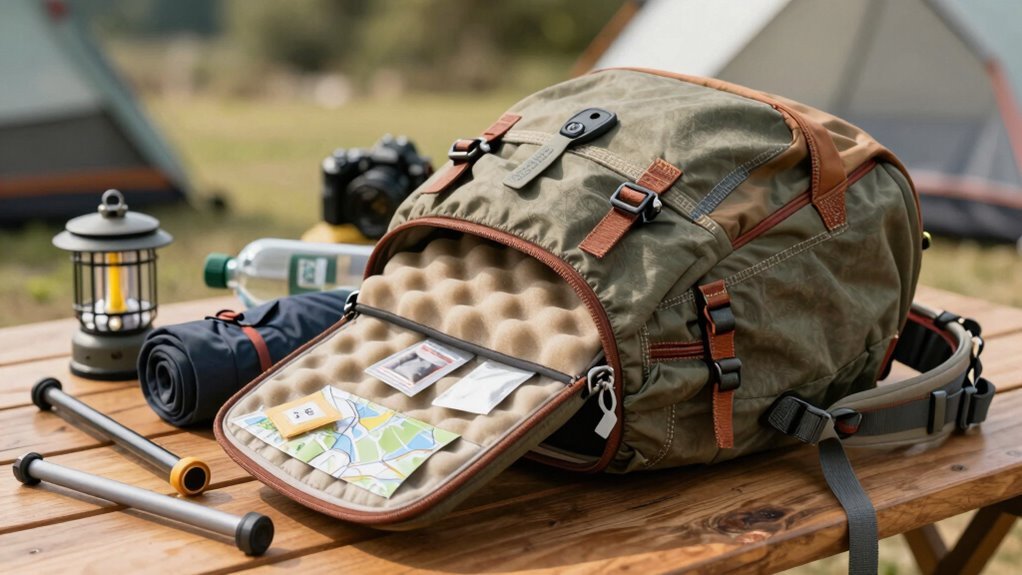
Choosing the right backpack size is the first step in learning how to choose packing a backpack. Go for a 20L pack for daily use or work, and opt for 50L or larger when hitting the trails.
Load your backpack with heavier items close to your back to maintain balance and comfort. Always use the hip belt—it transfers weight off your shoulders and makes carrying much easier.
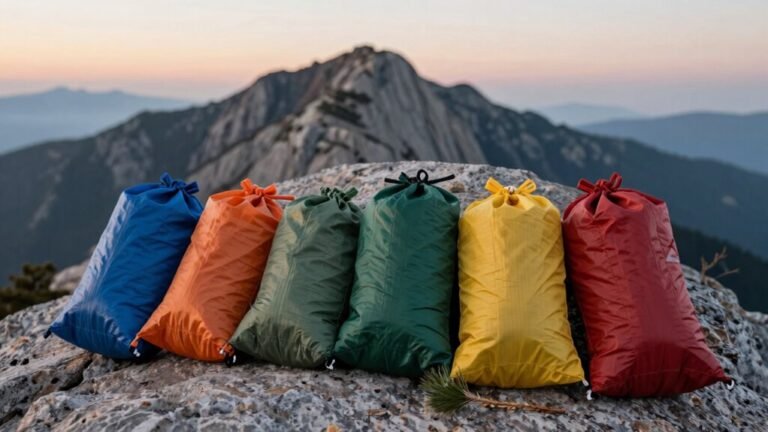
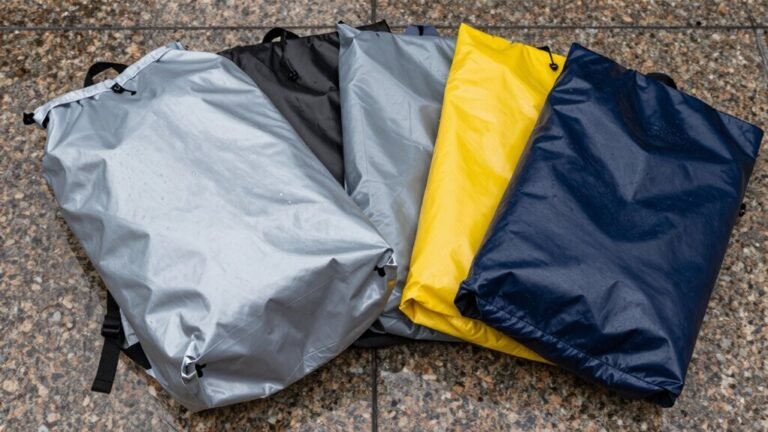
Organize your gear using packing cubes and compression sacks to save space and keep things tidy. Place frequently used items like snacks, rain gear, or maps in the top compartment for quick access.
Secure everything tightly so nothing shifts or jiggles while you move. Properly packing a backpack means every sock, stove, and sunscreen stick has its place, keeping your adventure smooth and efficient.
Assess Your Backpack’s Purpose and Size
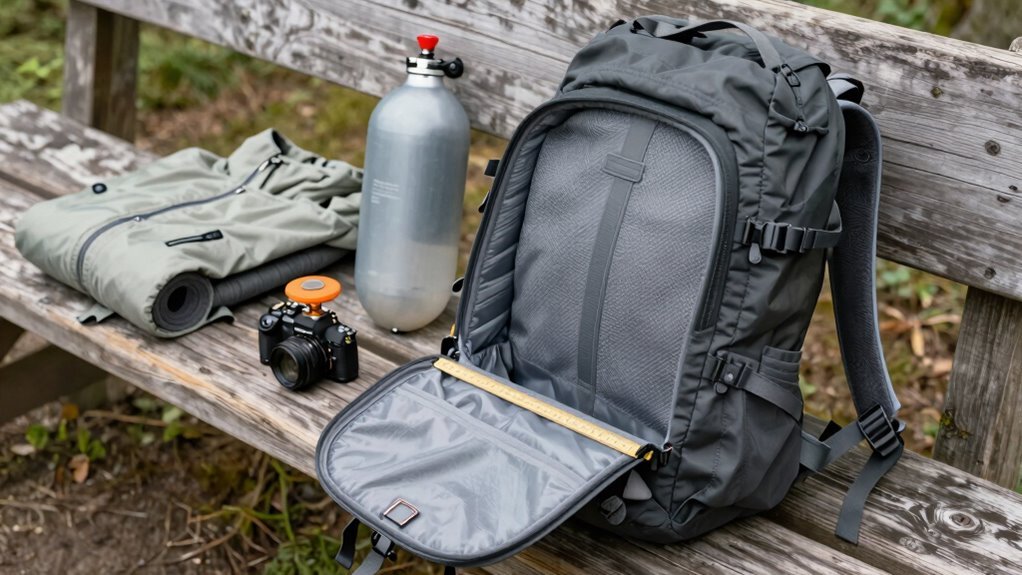
Whether you’re braving the urban jungle or hitting the actual one, picking the right backpack starts with knowing your mission.
If you’re commuting, grab a 20L–25L pack with a laptop sleeve—because nobody likes a crushed MacBook.
Weekend getaway? Aim for 30L–50L, ideally 35L–40L to breeze through airport security like a pro.
Hiking calls for smart features: torso adjustments, load lifters, and a hip belt that hugs you back (literally).
Backpacking for weeks? Go big—50L to 80L—with room for all your “just in case” items.
Day trips? A 15L–24L pack’s got your back.
Work or overnight stays? 24L–35L handles your hustle.
Think of your pack like a trusty sidekick—match its size to your adventure, and you’ll both shine.
Size matters, but the right fit? That’s pure magic.
Staying within the recommended capacity helps prevent strain on seams and extends the life of your backpack.
Prioritize Essential Items Based on Activity
What’s the one thing standing between you and a great adventure? It’s knowing what to pack—and what to leave behind—based on your trip.
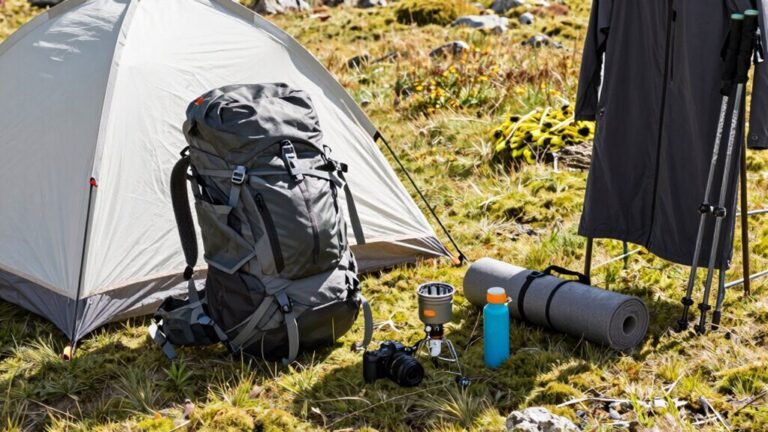
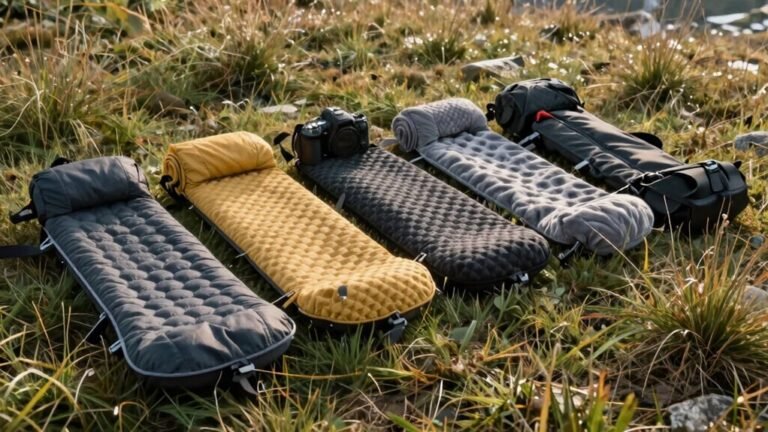
Hiking? Grab your tent, sleeping bag, and pad for cozy nights, plus a stove, water tools, and solid boots.
You’ll want navigation, a headlamp, and first aid for safety, too.
Going ultralight? Aim under 20% of your body weight, trim the “Big 4,” and repackage toiletries—you’ll move faster and feel like a trail ninja.
On multi-day trips, pack extra socks, food, a trowel, and a repair kit; toss in a Garmin InReach for emergencies.
Hygiene? Mini sunscreen, toothpaste, wipes, and Leukotape work wonders.
Keep lip balm, snacks, and maps handy—you’ll thank yourself later.
Choose gear like you’re packing for fun, not a survival show.
Smart prep means more joy, less junk.
Comfortable shoulder straps make a big difference on long hikes by reducing strain and increasing carry comfort.
Distribute Weight for Maximum Comfort
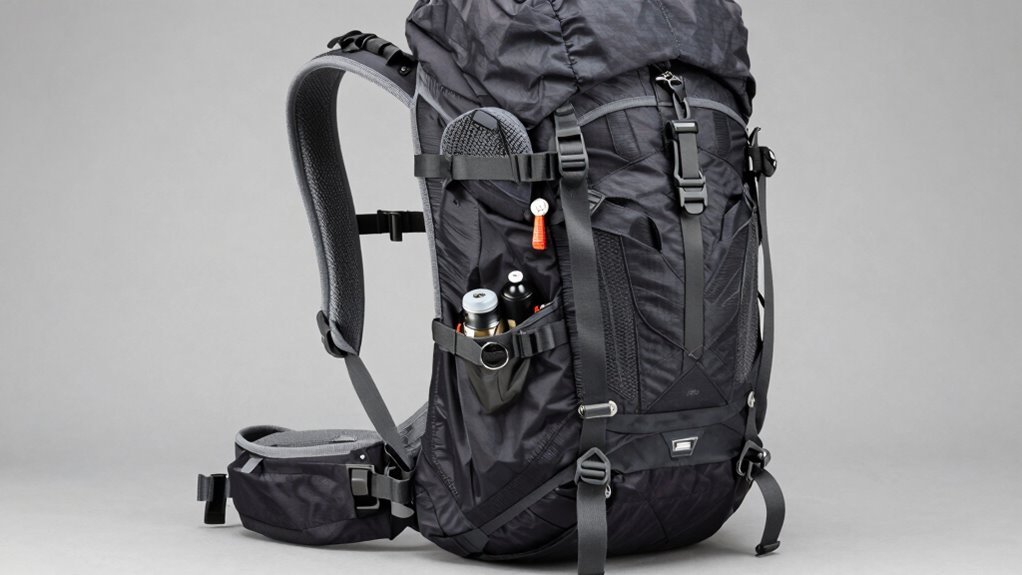
You’ve picked the right gear for your adventure, now let’s make sure it rides right on your back.
Start by stuffing lightweight, bulky stuff like your sleeping bag or extra clothes at the bottom—keeps things stable and stops you from wobbling like a penguin.
Pack your heaviest gear—think food, stove, water—midway up, close to your spine, right between your shoulder blades.
Yep, that’s the sweet spot—60-70% of the weight lives there.
It keeps your center of gravity low, so you won’t tip backward like a tipping soda can.
Use your hip belt—seriously, don’t skip it—and tighten it snug around your hips, not your waist, so your legs do the heavy lifting.
Adjust shoulder and load-lifter straps so the pack hugs you tight, with no annoying gaps.
You’ll hike easier, feel lighter, and maybe even outrun that squirrel eyeing your snacks.
For internal frame packs, always center heavy items between shoulder blades to optimize balance and reduce strain.
Organize With Packing Cubes and Compartments
- Designate cubes for clothing, accessories, or tech gear
- Compress and organize to maximize every inch
- Keep clean and dirty items in dedicated zones
- Speed through security with easy-access compartments
Packing goes from chore to win in under ten minutes. Who knew being this organized could feel this good—and look this tidy?
Secure Loose Items to Prevent Shifting
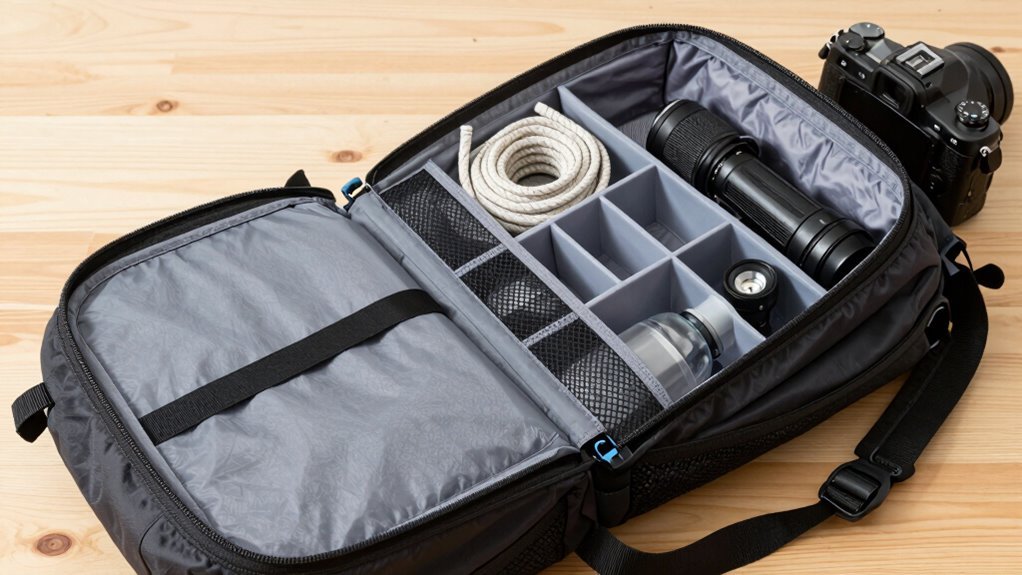
Often, the secret to a smooth hike hides in how well you’ve packed—not just what you’ve packed.
Start by wrapping soft items like clothes or your sleep system around bulky gear—think of your tent body as a cozy hug for your cookset.
Fill every gap with low-density stuff: mush your sleeping bag into corners, stuff your puffy jacket in side pockets, and let loose items snuggle into odd nooks.
Use a pack liner (a trash bag works great!) to keep things from sliding around like marbles in a can.
Then, tighten those compression straps—snug it down so nothing dances during your trek.
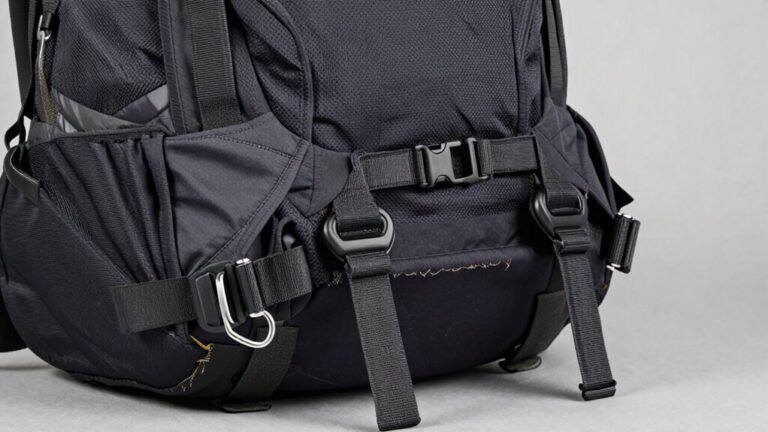
Got oversized items? Strap trekking poles or a sleeping pad outside using daisy chains or D-rings.
Securing loose gear isn’t just smart—it’s your ticket to a pack that moves with you, not against you.
Happy trails, and no more jingle-jangle!
Optimize Access for Frequently Used Gear
Why fumble around like a squirrel in a gear dump when you need a snack or your rain jacket?
You’ve got better things to do—like enjoying the trail.
Keep your go-to gear smartly within reach by optimizing access zones on your backpack.
Slide snacks and sunscreen into hip belt pockets so they’re thumb-ready.
Toss your rain shell and headlamp in top compartments where you won’t need a treasure map.
Side pockets? Perfect for water bottles—stay hydrated without breaking stride.
And hey, color-coded pouches aren’t just pretty, they’re genius for pinpointing meds or tech fast.
- Use top pockets for first aid kits and headlamps
- Store quick-grab items like snacks and rain gear in upper zones
- Assign side pockets to water bottles for instant hydration
- Organize essentials by category in labeled, waterproof pouches
Frequently Asked Questions
How Do I Clean My Backpack Without Damaging It?
You clean your backpack right by hand, using lukewarm water and mild soap—no harsh stuff!
Spot clean stains first, then gently scrub with a soft brush.
Check the label, ’cause some backpacks, like Jansport or Osprey, can’t take a full dunk.
Rinse well, towel-press out water, and air dry it completely—no dryers!
Keep it out of direct sun, so it doesn’t fade.
Easy, breezy, and your pack stays fresh as a daisy!
Are Waterproof Backpacks Worth the Extra Cost?
Yeah, waterproof backpacks are totally worth the splurge—if you’ve ever had soggy socks or a drowned phone, you know regular bags just don’t cut it.
They’re like a raincoat for your gear, shielding everything from downpours and spills.
Sure, they cost more, but think of them as an all-weather BFF.
Durable, smart-designed, and ready for adventure, they save your stuff and sanity every time.
Can I Use a Hiking Backpack for Travel?
Yeah, you can use a hiking backpack for travel, but you’ll wrestle with airport chaos and daily packing headaches.
Those loose straps scream “tourist!” and snag everywhere, while top-loading means digging like a treasure hunter for socks.
Sure, it’ll carry your life on your back, but travel packs make city-hopping smoother, faster, and way less “help, my backpack’s attacking the baggage carousel!”
Be honest—you want easy, not adventure in customs.
What Should I Do if My Backpack Gets Stolen?
You’ve been hit with the travel worst—your backpack’s gone.
Don’t panic, but move fast: report it to local police within 24 hours, get a copy of the report, and file an incident with details.
Cancel cards, contact your embassy for a new passport, and notify your hotel.
Use cloud backups, claim insurance, and grab a secure replacement bag—because adventure waits for no thief, right?
Stay sharp!
How Often Should I Replace My Backpack?
You should replace your backpack every 1.5 to 2.5 years—better safe than sorry, right?
If it’s sagging like a tired sloth, covered in rips, or one strap’s longer than your excuses for being late, it’s time.
Kids grow fast, daily use takes a toll, and even tough bags give up.
But hey, a good backpack’s like a loyal pet: love it, check for wear, and swap it before it quits mid-commute!
Conclusion
You’re not just packing a backpack—you’re taming a wild suitcase squirrel! Toss in your must-haves, zip up the chaos, and let weight snuggle close to your back like a cozy cat. Cubes? Your secret treasure drawers. And hey, if snacks shift, well, they’re just ready to be eaten. Every buckle clicked means adventure clicked on. Go—you’ve packed the story, now live it!
References
- https://eikenshop.com/blogs/products-guide/how-to-find-backpack-size
- https://www.rei.com/learn/expert-advice/backpack.html
- https://knackbags.com/blogs/one-bag-blog/the-comprehensive-guide-to-backpack-sizes-and-liters
- https://hyperlitemountaingear.com/pages/hiking-backpack-size-chart
- https://www.deuter.com/int-en/advice/fits
- https://www.garagegrowngear.com/blogs/trail-talk/ultralight-cottage-made-backpack-buying-guide-sizing-selection
- https://www.columbiasportswear.fi/FI/l/organize-backpack
- https://www.lilymtang.com/blog/gear
- https://www.calpaktravel.com/pages/how-to-pack-for-a-backpacking-trip
- https://www.skyestoury.com/blog/what-to-pack-for-backpacking