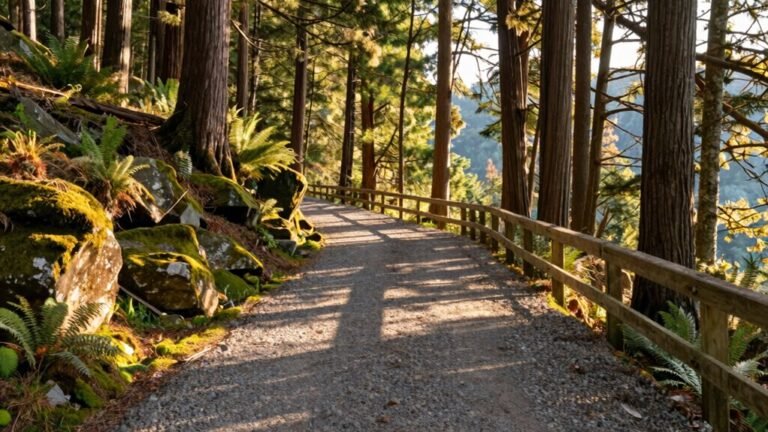
The 10 Essentials for Hiking (No Fluff)
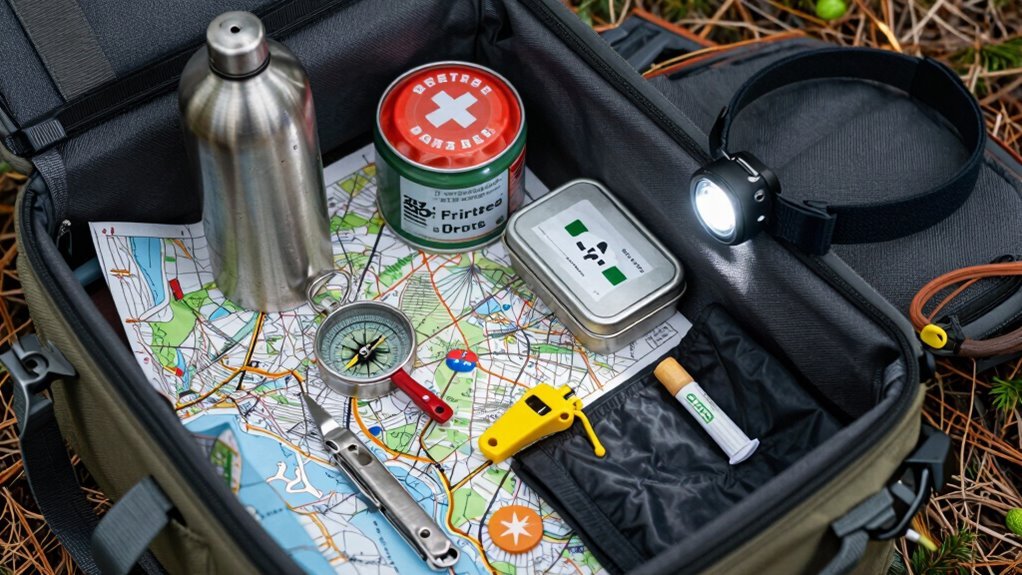
Pack smart and stay safe with the 10 essentials for hiking. These core items prepare you for any situation on the trail, from sudden weather shifts to unexpected delays.
Navigate with maps, a compass, and a GPS device to avoid getting lost. Reliable direction tools are key components of the 10 essentials for hiking.
Block UV rays with a hat, sunglasses, and sunscreen. Protecting yourself from the sun is critical, even on cloudy days.
Layer up with moisture-wicking clothing, insulation, and a shell to stay warm and dry. Proper layering is part of the 10 essentials for hiking.
Bring a headlamp with extra batteries for visibility after dark. A light source is a non-negotiable item when preparing for hikes.
Carry a first aid kit, repair tools, and fire starters. These essentials cover emergencies, gear fixes, and warmth.
Fuel up with high-energy snacks and at least two liters of water. Hydration and nutrition are central to the 10 essentials for hiking.
Toss in a lightweight shelter, like a bivy or emergency tent. It can save your life in sudden storms or evacuations.
You’re ready for anything—nature’s surprises included. Curious what pro tips make these essentials work even better?
Navigation Tools
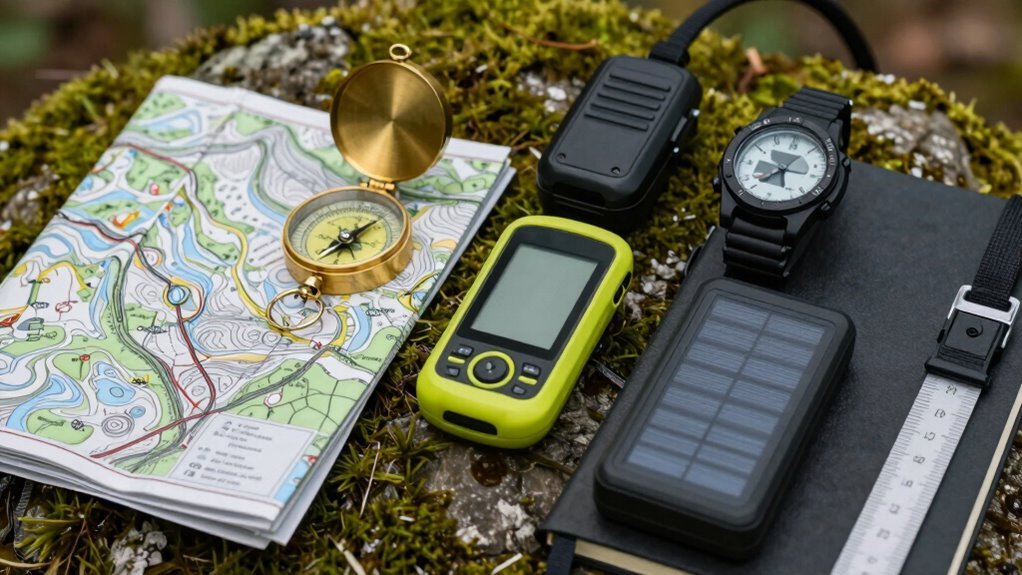
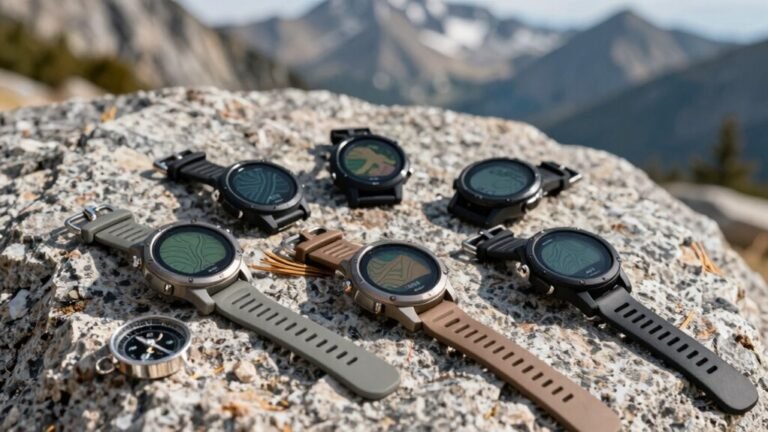
Finding your way through the wild doesn’t have to feel like a game of hide-and-seek with the trail—you’ve got tools that make navigation smart, simple, and even kind of fun. You’ve got paper maps from National Geographic or USGS, detailed and reliable, especially when you pair them with a trusty Suunto compass—just 1.6 ounces and ready for any terrain. Keep that compass close, grab your retractable pen, and you’re set to take bearings like a pro. Altitude can be a critical clue when navigating mountainous terrain, helping confirm your location when landmarks are unclear. Your smartphone runs GaiaGPS or AllTrails, loaded with offline maps, so you’re never guessing. Apple Watch with Footpath? Yep, it tracks too. Prefer gadgets? GPS watches like the Garmin Enduro 3 give real-time stats, while handhelds like the GPSMAP 67 shine in tough weather. They all back each other up, because in the backcountry, redundancy isn’t paranoia—it’s just smart hiking.
Sun Protection Gear
Sun protection isn’t just a suggestion—it’s your secret weapon against sizzle, sunburn, and premature aging on the trail.
Ditch the guesswork and grab a UPF 50 shirt that blocks 98% of UV rays—seriously, it’s like wearing sunscreen you can’t sweat off.
Long sleeves with thumbholes? Yes, they keep arms covered and reduce how much sunscreen you need (and carry).
Don’t forget a wide-brimmed hat—your face, neck, and ears will thank you when the sun’s blazing.
Skip the baseball cap unless you enjoy lobster-neck syndrome.
Toss on sunglasses with wraparound coverage because squinting ruins vibes.
Slap on SPF 30+ every two hours (set a reminder!), and don’t skip those ears!
Use gaiters or bandanas soaked in creek water—they’re cool, comfy, and fight sun + heat.
Snowy terrain reflects 80–90% of sunlight, increasing exposure to your nose, lips, and chin underside—so protect those spots extra.
Layer it all together and hike smarter, not redder.
Insulating Layers
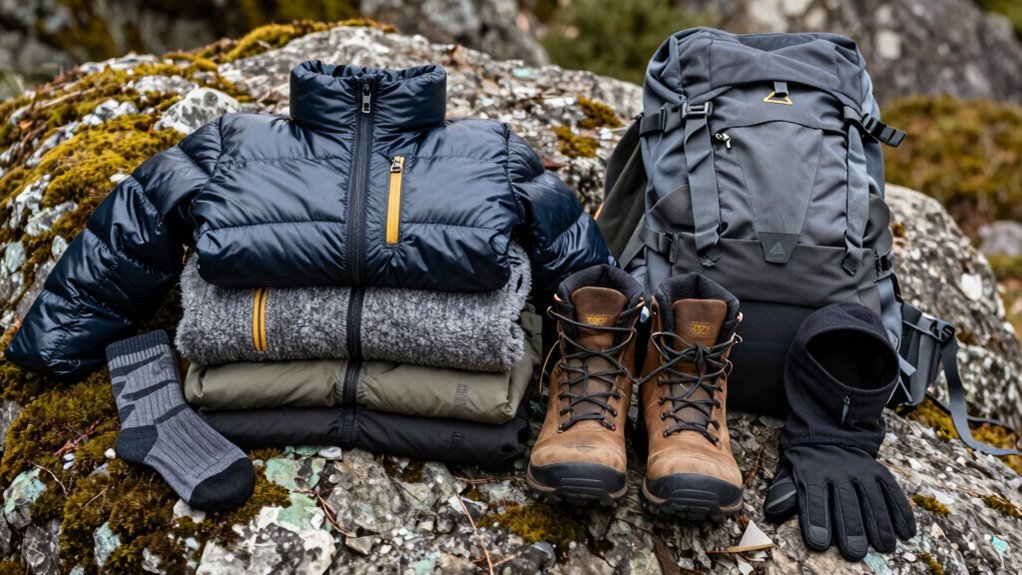
Stay cozy when the trail gets nippy—insulating layers are your secret stash of warmth on cold hikes.
They trap heat while letting sweat escape, so you stay warm without getting soggy.
Pair them with a moisture-wicking base and a weatherproof shell, and you’ve nailed the layering game.
Whether you’re moving fast or pausing to snack, the right insulation keeps you comfortable and safe, even if the weather turns wild.
Trapped air is what actually keeps you warm, so choose layers with good loft and air-trapping.
- Your jacket’s warmth could save your life in a surprise storm
- Nothing beats the puffiness of a down jacket on a freezing summit
- Fleece feels like a warm hug from your dog after a long, muddy climb
- Synthetic insulation still works even if you fall in a creek (oops!)
Illumination Devices
How’s a midnight scramble up a rocky trail without dropping your headlamp—or worse, your sandwich—supposed to work?
Grab a reliable one, and suddenly you’re a night-hiking pro.
Top picks like the Black Diamond Distance LT1100 give you 1100 lumens, RGB lighting, and even swappable batteries—perfect when the trail turns sketchy.
Petzl’s Swift RL adjusts brightness automatically, so you’re not blinding yourself at camp.
Need throw?
Fenix HP25R blasts 182 meters, while Zebralight’s clarity helps you spot roots fast.
Most now charge via USB-C, and lightweight models like the Nitecore NU25 UL won’t weigh you down.
Red or UV modes help preserve night vision, and waterproof builds shrug off rain.
With wide beams, reactive sensors, and rugged durability, these headlamps keep your hands free and your path bright—no more tripping over tent stakes.
First Aid Supplies
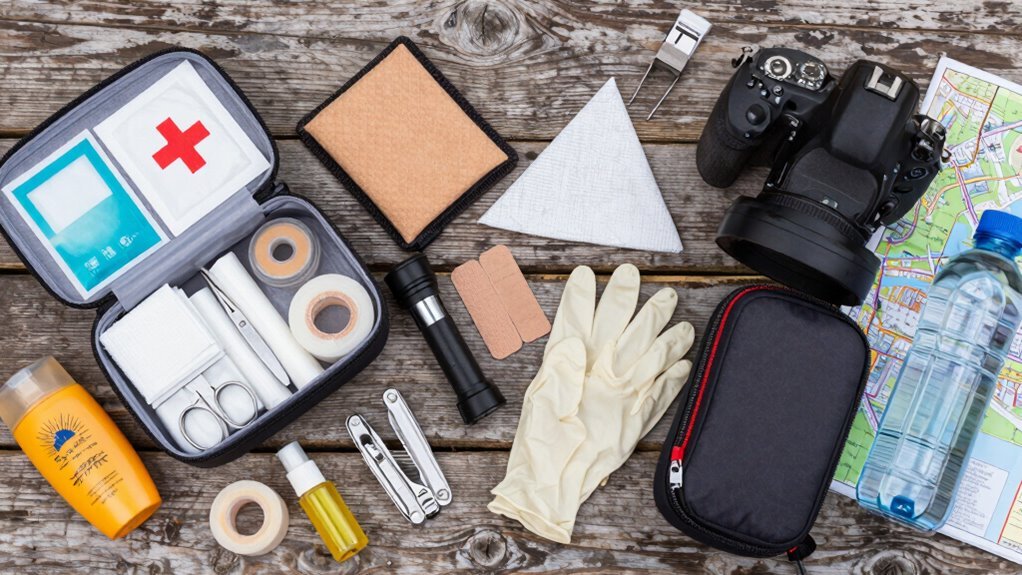
You’re tearing through the trail, feeling unstoppable—until a rogue root trips you up and turns your knee into a modern art piece.
That’s when your first aid kit becomes your trailside superhero.
Don’t laugh—you’ll thank it when you’re patching up scrapes, calming swelling, or stopping a bleed fast.
A solid kit isn’t bulky, but it’s packed with lifesavers you actually need.
- Hemostatic gauze – because “bleeding everywhere” isn’t part of the hiking plan
- Butterfly bandages – they’re like tiny paramedics for your cut-up skin
- Nitrile gloves – keep things clean, not gross, when playing doctor
- Emergency blanket – turns you into a shiny survival burrito if things get chilly
Toss in meds for pain, allergies, and upset tummies, and you’re ready for anything—from tick panic to trailface.
Be the calm in the chaos, not the one crying over antiseptic wipes.
Fire-Starting Equipment
Ever tried lighting a campfire with soggy sticks and sheer willpower? Spoiler: it doesn’t work.
That’s why you pack reliable fire-starting gear.
Grab stormproof matches—they reignite even after getting dunked and burn over 20 seconds, perfect for damp wood.
Keep them dry in a waterproof case.
Pair them with a ferro rod like the Light My Fire Mini or Leatherman Signal, which throws hot sparks with just a scrape.
For tinder, toss in Vaseline-soaked cotton balls or Sweetfire starters—they catch fast and burn long.
Even birch bark from the trail works if it’s dry.
Use a rechargeable arc lighter or Zippo torch for backup.
Pro tip: always carry at least two ignition methods.
Wind, rain, or cold won’t stop you when you’re geared right.
Stay warm, stay safe, and never let your fire dreams go up in smoke.
Repair Kit and Tools
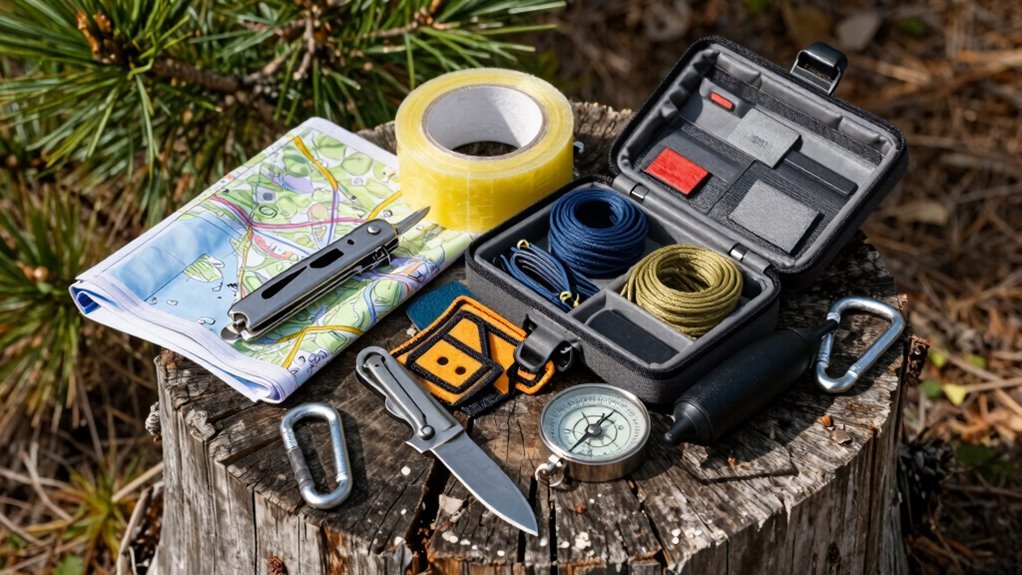
A well-stocked repair kit mightn’t be the star of your pack, but it’s the behind-the-scenes hero that saves your trip when gear starts acting up.
You’ve got your multi-tool ready to tighten, cut, or pry—because loose screws and frayed cords love to show up uninvited.
Wrap duct tape around your water bottle for quick fixes, and tuck in tenacious tape for stubborn rips.
Need to mend a seam? Needle, thread, and fabric patches have your back.
Don’t forget cordage—paracord or stretch cords keep your gear strapped down tight.
And when a tent pole snaps? Yep, the repair sleeve’s got jokes, but it works.
- That moment your zipper dies and a safety pin becomes your MVP
- The quiet panic when your sleeping pad hisses—thank goodness for repair patches
- A frayed strap turning into a secure lifeline with a zip tie and tape
- Using a toothbrush to fix a grimy zipper—because you’re resourceful and prepared
Nutrition Reserves
When your gear’s holding together thanks to a well-timed wad of duct tape and a prayer, the last thing you want to fail is your energy.
You’re burning 300–500 calories per hour, so keep those carbs coming—30 to 60 grams hourly from quick bites like trail mix, gels, or a banana.
Simple carbs give you a fast boost; complex ones, like oatmeal or whole-grain wraps, keep you going.
Pair them with at least 7g of protein per snack—think jerky, nuts, or tuna pouches—to repair muscles and slow energy release.
Don’t forget healthy fats: a spoon of peanut butter or some cheese adds staying power without weighing you down.
Toss in vitamins B, C, and E from fruits, nuts, and whole grains to beat fatigue and stay sharp.
Snack often, stay fueled, and hike strong—your stomach’s the real MVP.
Hydration System
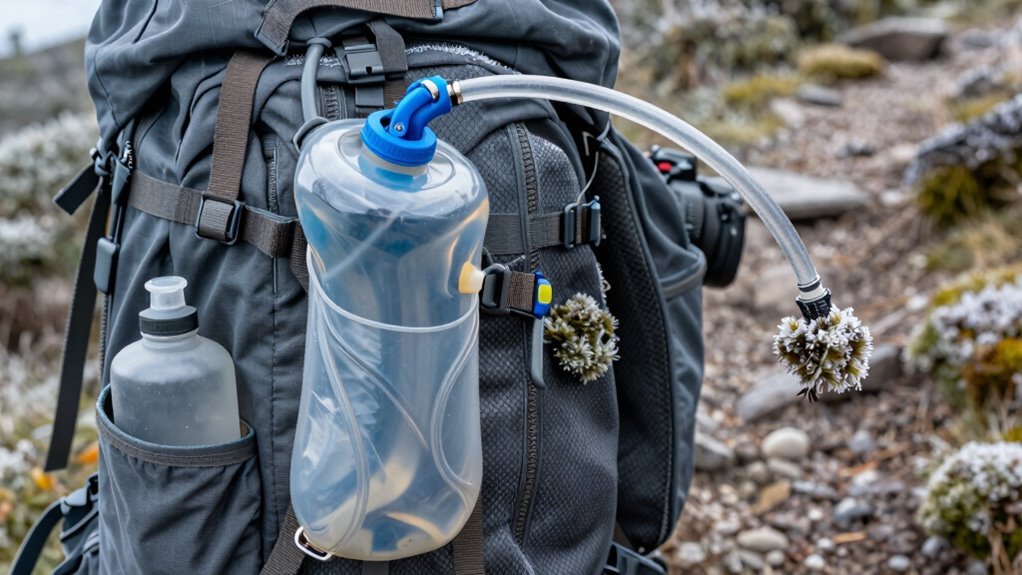
- That first cool sip when you’re sweating buckets
- Never stopping just to dig for water
- Knowing you won’t run dry in the middle of nowhere
- Laughing because your pack didn’t leak… for once
Emergency Shelter
No need to panic when the sky turns angry or your trail miles still stretch longer than your energy—your emergency shelter’s got your back, and it’s lighter and smarter than you think.
Toss a bivvy or lightweight tarp in your pack, and you’re set: they weigh less than two pounds and pack smaller than your lunch.
Need a quick hideout? Throw a tarp over a ridgeline with paracord, stake the corners, and bam—A-frame shelter in minutes.
Mylar blankets reflect your body heat like a space-age hug, great for cold snaps.
Build a lean-to with branches, pile on leaves or moss, and you’ve got a cozy, natural fort.
Two-person tube tents pop up fast with trees or poles—no PhD in survival needed.
Pick durable, weatherproof gear that matches your hike, whether solo in the snow or group camping in the rain.
Stay dry, stay warm, and laugh off the storm—you’ve outsmarted nature, again.
Frequently Asked Questions
How Heavy Should My Backpack Be for a Day Hike?
Your pack should weigh no more than 10% of your body weight—so if you’re 70kg, keep it under 7kg.
It’s light, but trust me, your back will thank you.
You’ll move faster, feel stronger, and actually enjoy the trail instead of grunting uphill.
Think of your backpack as a mini-vacation suitcase—pack smart, skip the kitchen sink, and save room for snacks.
Because nobody’s happy when you run out of trail mix.
What Should I Do if I See a Wild Animal?
If you see a wild animal, stay calm and back away slowly—don’t run.
Imagine spotting a moose munching shrubs at dawn, you stop, talk softly, and wave your arms to announce you’re human.
Give it space, since moose are shy but can charge if startled.
Keep your dog leashed, food packed away, and remember: you’re just a guest here, and nobody wants a moose with trust issues.
Is It Safe to Drink Water From a Stream?
No, it’s not safe to drink straight from a stream, even if it looks crystal clear.
You might think you’re sipping nature’s finest, but tiny bugs like giardia don’t show up on the menu—just in your gut, causing nasty symptoms.
Trust us, you don’t want that surprise.
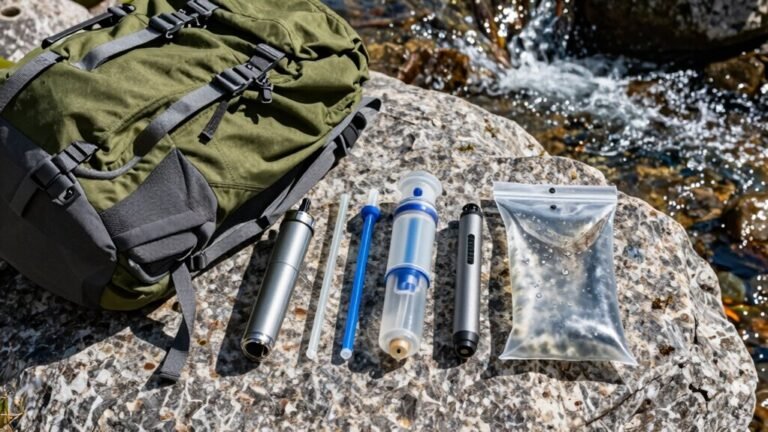
Always filter or purify your water.
It’s quick, easy, and saves you from a gross, gut-wrenching adventure.
Stay safe, stay hydrated, and let your stomach thank you later.
How Do I Choose the Right Hiking Footwear?
Think of your boots as tires for your hiking adventure—grippy, supportive, and built for the terrain.
You’ll want flexible shoes for easy trails, but grab stiffer, ankle-hugging boots when the path turns rocky or steep.
Match them to the weather, pack weight, and your feet’s quirks—never skip trying them on late in the day, socks included.
Your feet will thank you, and hey, blister-free hiking’s basically a win!
Can I Bring My Dog on Hiking Trails?
You can bring your dog on many hiking trails, but check rules first—most national parks say no, even on a leash.
Stick to national forests or state parks where pups are welcome.
Keep your buddy leashed, pack water and a bowl, and watch those paws on hot trails.
Clean up poop—nobody likes surprise landmines!
Train ’em to stay calm around hikers, and for the love of squirrels, don’t let ’em chase wildlife.
Make it fun, safe, and responsible!
Conclusion
You wouldn’t show up to a birthday party without a cake, right? Same goes for hiking—these 10 essentials are your trail birthday, every time. Last summer, my friend forgot her rain jacket and turned into a shivering, soggy squirrel by mile three—lesson learned! Pack smart, stay warm, dry, and safe. With these basics, you’re not just ready—you’re trail magic waiting to happen. Now go crush that hike!
References
- https://andrewskurka.com/backpacking-navigation-toolkit-intro-maps-equipment-skills/
- https://www.outsideonline.com/outdoor-gear/hiking-gear/backcountry-navigation-gear-gps-maps-compass/
- https://www.shedreamsofalpine.com/blog/best-gps-for-hiking
- https://www.hopeandfeathertravels.com/navigation-tools-for-hiking/
- https://hikingguy.com/best-hiking-gear/
- https://www.thehikinglife.com/hiking-and-backpacking-skills/navigation/
- https://www.outdoorgearlab.com/topics/camping-and-hiking/best-handheld-gps
- https://thetrek.co/the-essential-gear-for-sun-protection-on-your-thru-hike/
- https://www.ker-sun.com/en-us/pages/sun-protective-clothing-for-hiking
- https://www.rei.com/learn/expert-advice/hot-weather-hiking.html