How to Prevent Blisters on Long Hikes
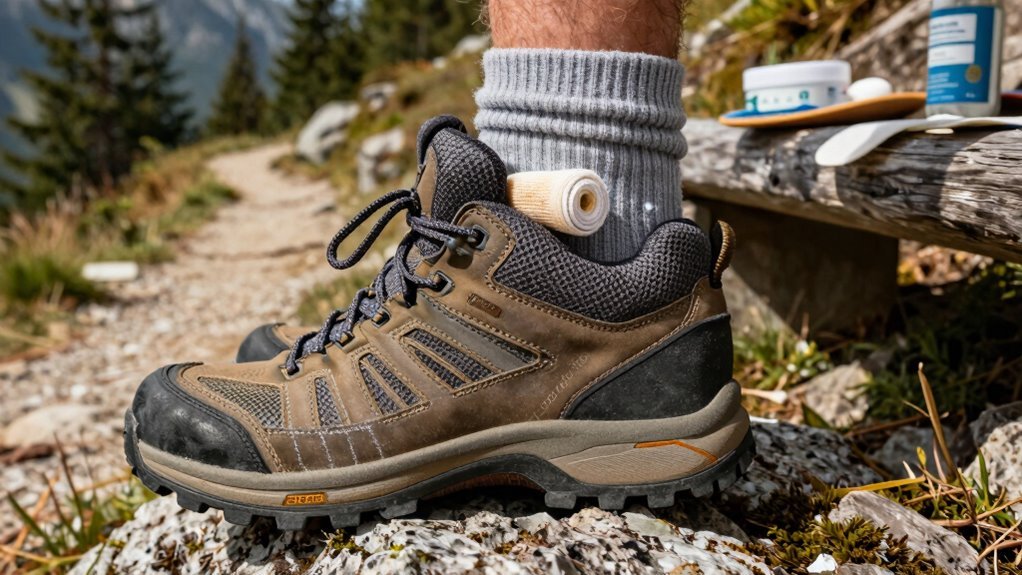
To prevent blisters on long hikes, ditch cotton socks and choose moisture-wicking materials like merino wool or CoolMax. These socks keep your feet dry and reduce friction, which is key to avoiding blisters.
Break in your hiking boots before hitting the trail by wearing them around the house or on short walks. Properly fitted, broken-in footwear minimizes heel slippage and pressure points.
Keep your feet dry by using liner socks and changing into a fresh pair if they get damp. Moisture increases the risk of blisters, so staying dry is essential.
Lace your boots with a heel-lock technique to prevent your foot from sliding inside. This added stability helps reduce friction during long descents or uneven terrain.
Apply Body Glide or similar anti-friction products to common trouble spots before starting. This creates a protective barrier against rubbing.
Tape hot spots as soon as you feel them to stop small irritations from becoming full blisters. Also, trim your toenails short to avoid pressure and bruising during long miles.
Choose the Right Hiking Socks
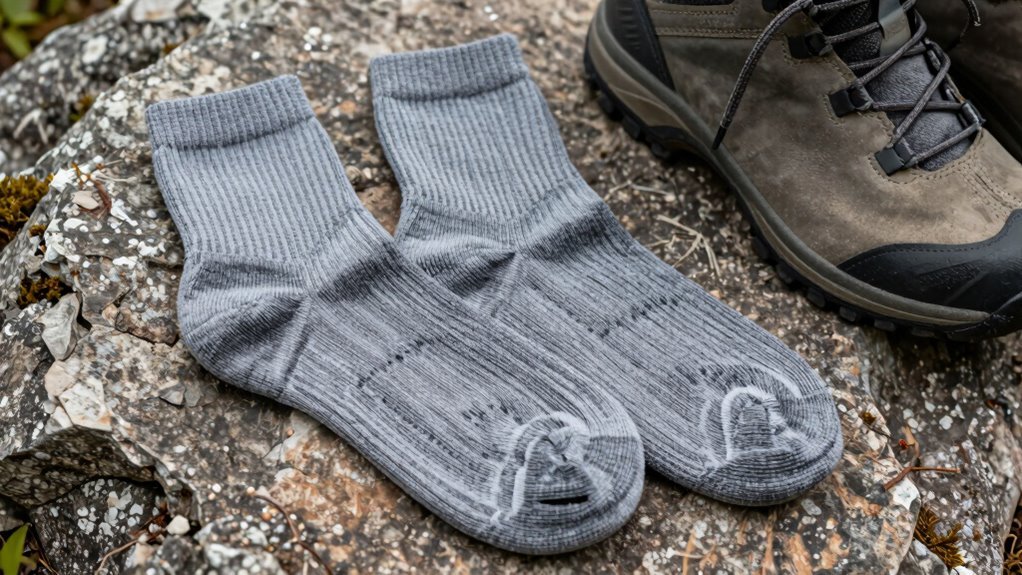
Picking the perfect hiking socks mightn’t sound exciting, but trust us—it’s your first line of defense against angry, red blisters.
Ditch the cotton—they’re moisture magnets that turn your feet into blister factories.
Instead, grab merino wool or CoolMax socks; they wick sweat like magic and keep things dry.
Acrylic works too, especially if you’re logging serious miles.
Love extra protection? Try double-layer socks like Wrightsock—the inner layer slides against the outer, not your skin, so friction stays put where it belongs.
Or go toe-first with Injinji socks, separating each toe to stop rubs before they start.
A snug fit’s key: too loose and they bunch, too tight and things get pinchy.
Thick or medium cushioning helps absorb shock, especially on rocky trails.
And hey, some brands even offer blister guarantees—now that’s confidence!
Your feet will thank you with every step.
Darn Tough socks, known for their durability and moisture management, have been tested over 1,600 miles in extreme conditions with no blisters reported.
Break In Your Hiking Boots
Lace up, because it’s time to turn those stiff, box-fresh boots into your foot’s new best friend.
Start easy—wear them around the house for short stints, letting them mold to your feet without risking harm.
No marathon hikes straight from the box; that’s asking for trouble.
Gradually increase wear time, letting the leather soften like butter over toast.
Spot tight spots? Try a boot stretcher or stuff them with socks overnight—clever, right?
A quick blast from a hairdryer softens leather, but wear them right after to lock in the fit.
Begin with short hikes, watch for hot spots, and adjust fast.
Play with lacing—try the surgeon’s knot or window lacing to dodge pressure points.
Wear moisture-wicking merino wool socks to keep feet dry and reduce friction during the break-in process.
It’s all about teamwork: boots and feet, learning the dance.
Do it right, and you’ll laugh all the way to the summit—without a single blister throwing shade.
Keep Your Feet Dry and Moisture-Free
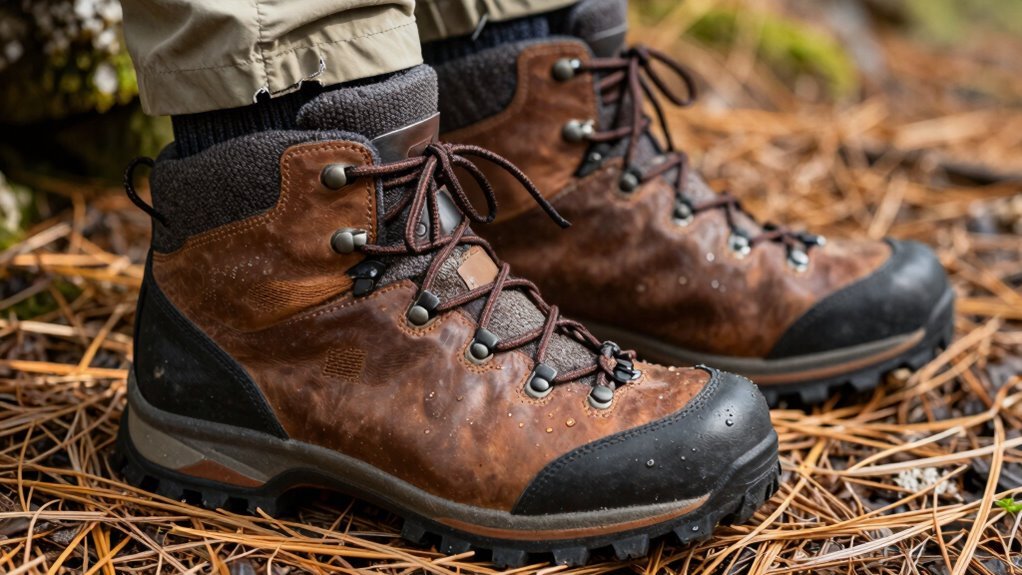
Keeping your feet happy starts with kicking moisture to the curb—because soggy feet aren’t just uncomfortable, they’re blister bait.
Ditch cotton socks; they trap water like a sponge and scream trouble.
Instead, grab merino wool socks—they wick sweat, fight stink, and keep feet dry and cozy.
Add liner socks to pull moisture away and slash friction.
Bring at least three pairs, swap them daily, and wring out wet ones on breaks.
Dry feet before slipping on fresh socks—macerated skin is no joke.
At camp, use bread bags in shoes to stay dry, stuff boots with newspaper, and save a clean pair of sleeping socks.
Try antiperspirant at night, foot powder after hikes, or Hydropel to repel dampness.
Gel protectors and anti-blister sticks help too.
Prolonged wetness can lead to trench foot symptoms, so prioritize drying feet and resting in dry conditions overnight.
Your feet will thank you when they stay dry, comfy, and blister-free all trail long.
Use Proper Lacing Techniques
Ever wonder why your feet insist on staging a mutiny halfway down the trail?
Blisters love poorly laced boots—don’t hand them an invitation.
With the right lacing, you’re not just tying shoes, you’re building a blister-proof fortress.
Try these game-changers:
- Lock that heel with a heel-lock technique—it stops slippage and keeps your foot from babysitting your boot.
- Snug up smartly using graduated tension—loose at the toes, tighter at the ankle—to prevent jamming and slipping.
- Tame tension with surgeon’s knots at key eyelets; they act like seatbelts for your laces, holding everything in place.
- Skip pressure points by adjusting lacing paths—less hot spot drama, more happy hiking.
A few tweaks and your boots fit *right*.
Your future self (and your soles) will thank you.
Apply Preventive Foot Lubricants and Tapes
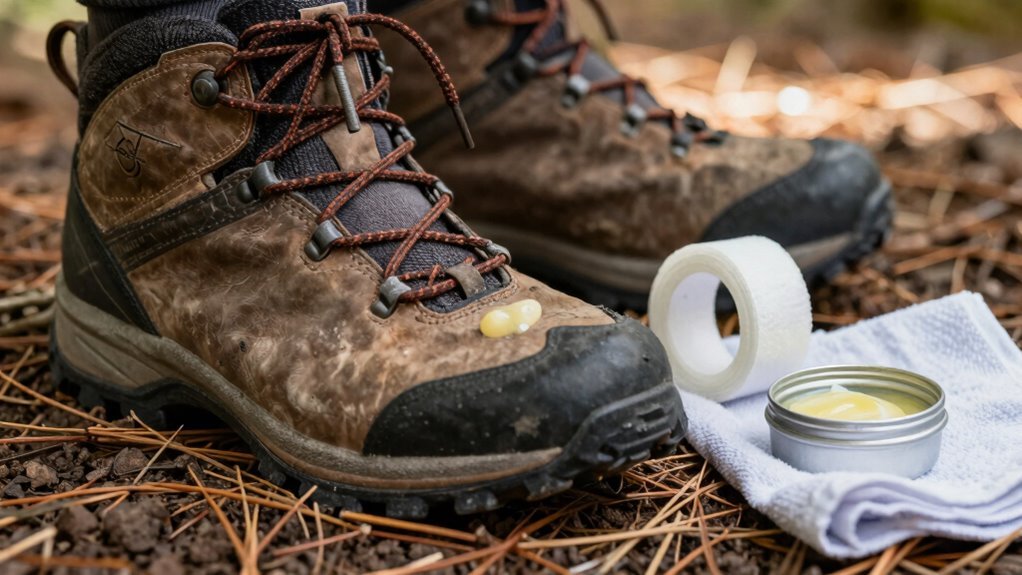
You’ve locked in your laces and your boots are hugging your feet just right—now let’s make sure nothing else tries to crash the hike.
Slather on a lubricant like Body Glide to your toes, heels, and arches before you even hit the trail—it’s dry, non-greasy, and fights friction like a pro.
Or try GurneyGoo, born from adventure racing in New Zealand, perfect for wet hikes and keeping trench foot at bay.
If you’re all about backup, Leukotape’s your go-to: stick it on dry skin where blisters love to start, just watch for latex if you’re sensitive.
These barriers don’t care if it’s sweaty, dry, or pouring rain—they work.
Combine tapes and lubes based on your foot’s drama zones, and team them up with smart socks and good boots.
Prevent first, reapply as needed, and keep your feet laughing all the way to the summit.
Trim Toenails and Address Hot Spots Early
Snipping your toenails the smart way keeps your feet hiking happy and blister-free. A little prep goes a long way—just ask your poor toes after a long descent. Stay ahead of trouble with these simple steps:
1. Trim straight across—no curves, no ingrown drama, just smooth sailing for your toes.
2: File those edges—no jagged corners sneaking up to irritate you mid-mile.
3: Check early and often—spot hot spots (hello, warm, pink patches!) before they throw a full-blister tantrum.
4: Tape it fast—Leukotape or moleskin on hot spots stops friction in its tracks.
Catch issues before they blow up—your future self, limping into camp with blister rage, will thank you. Keep it simple, keep it smart, and let your feet enjoy the journey as much as you do. Happy trails—and happier toes!
Maintain a Consistent Foot Care Routine
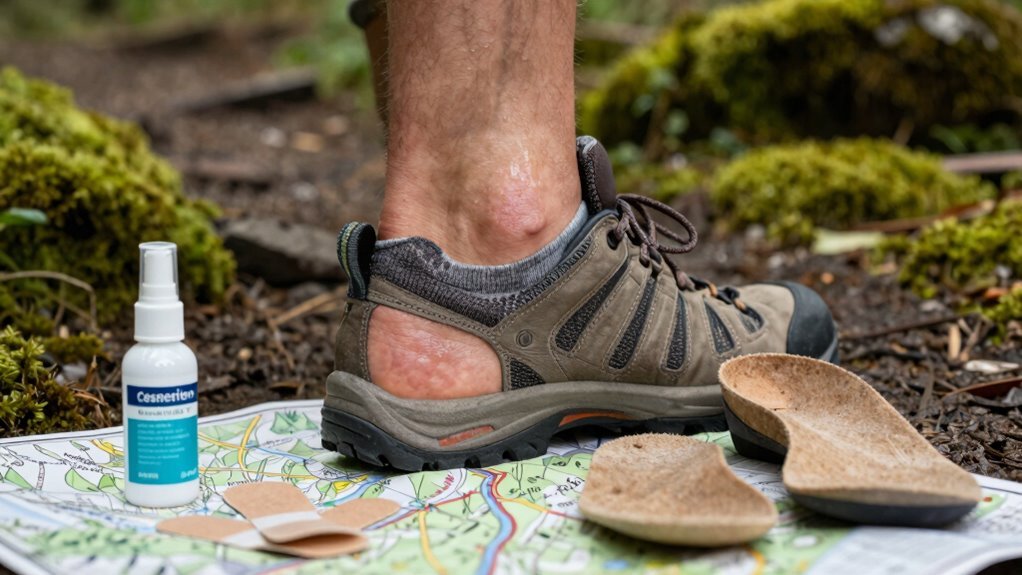
Taking care of your feet isn’t just about reacting to problems—it’s about staying one step ahead with a solid routine. You’ve picked the right boots, broken them in, and nailed your sock game—now keep that momentum going!
Wear moisture-wicking socks like Darn Tough, and swap them out the second they feel damp. Dry feet are happy feet, so kick off your shoes during breaks and let your toes breathe—no one’s judging.
Check your feet often, especially early on; a hot spot today could be a blister tomorrow. Catch it fast, slap on some moleskin, and keep moving.
Adjust lacing as your feet swell—tight shoes are sneaky friction machines.
And please, don’t hike in brand-new boots on day one of a big trek. Your feet will thank you when they’re still smiling at mile 20.
Stay consistent, stay comfortable, and happy trails!
Frequently Asked Questions
How Do I Treat a Blister While Still Hiking?
You pop it clean, don’t peel the skin, and keep it protected.
Sterilize a needle, gently drain the fluid, then clean around it with an alcohol wipe.
Slap on antibiotic ointment, cushion with a moleskin donut, and tape it down securely.
Use a hydrocolloid patch if you’ve got one—it’s like a magic force field.
Keep it dry, stay on the move, and give yourself a mini high-five for adulting so hard on the trail!
Can Hiking Poles Help Reduce Foot Friction?
Yeah, hiking poles totally help cut down foot friction!
You shift some weight to your arms, so your legs and feet don’t take all the pounding.
With less squish and slide in your boots, your skin stays happy.
Plus, you stride smoother and hit each step with less oomph—fewer hot spots, fewer blisters.
It’s like giving your feet a high-five for lasting the whole trail!
Should I Pop a Blister if It’s Large?
No, you shouldn’t pop that blister—it’s like opening a door you can’t close.
Leave it alone; the skin’s a built-in bandage.
If it’s huge and painful, drain it carefully with a clean needle, but keep the roof on.
Cover it with a hydrocolloid patch or Molefoam, and keep hiking.
Popping willy-nilly just begs for trouble—and nobody wants a side of infection with their trail mix!
Do Gaiters Help Prevent Blisters?
Yeah, gaiters definitely help prevent blisters!
They keep grit, sand, and pebbles out of your boots, so you’re not walking with tiny rocks playing bowling against your toes.
Less debris means less rubbing, less chafing, and fewer surprise blisters.
They also block water and mud, helping your socks stay dry—because soggy feet + friction = blister city.
Think of gaiters as bouncers for your boots: they say “nope” to troublemakers.
Is Foot Strengthening Important for Blister Prevention?
Yeah, foot strengthening’s a total game-changer for preventing blisters.
You’re building tougher skin by walking more, which helps your feet handle friction without rebelling.
Think of it like training for a foot marathon—your soles get smarter and stronger.
Start slow, so day two isn’t a disaster.
Stronger feet mean less squish, less shear, and way fewer “ouch” moments on rocky trails.
Your boots will thank you!
Conclusion
You’ve got this! With the right socks, broken-in boots, and a solid foot care routine, blisters don’t stand a chance. Did you know 38% of hikers report blisters on trips over 10 miles? Yikes! But now, you’re armed with tricks like smart lacing and spot-on lubricants. Catch hot spots early, keep feet dry, and trim those toes—your soles will thank you. Hike on, blister-free, and own that trail like a pro with happy, healthy feet!
References
- https://www.treelinereview.com/gearreviews/best-hiking-socks
- https://www.wrightsock.com
- https://thetrek.co/my-secret-weapon-against-blisters-on-trail-hiking-in-toe-socks/
- https://www.blister-prevention.com/blogs/prevention/blister-prevention-socks
- https://followtiffsjourney.com/best-hiking-socks/
- https://darntough.com/collections/hiking-socks
- https://www.outdoorgearlab.com/topics/shoes-and-boots/best-hiking-socks
- https://weareexplorers.co/how-to-stop-blisters/
- https://www.wrightsock.com/blogs/news/5-ways-to-break-in-new-hiking-boots
- https://www.columbia.com/breaking-in-hiking-boots.html