When to Replace Your Hiking Shoes
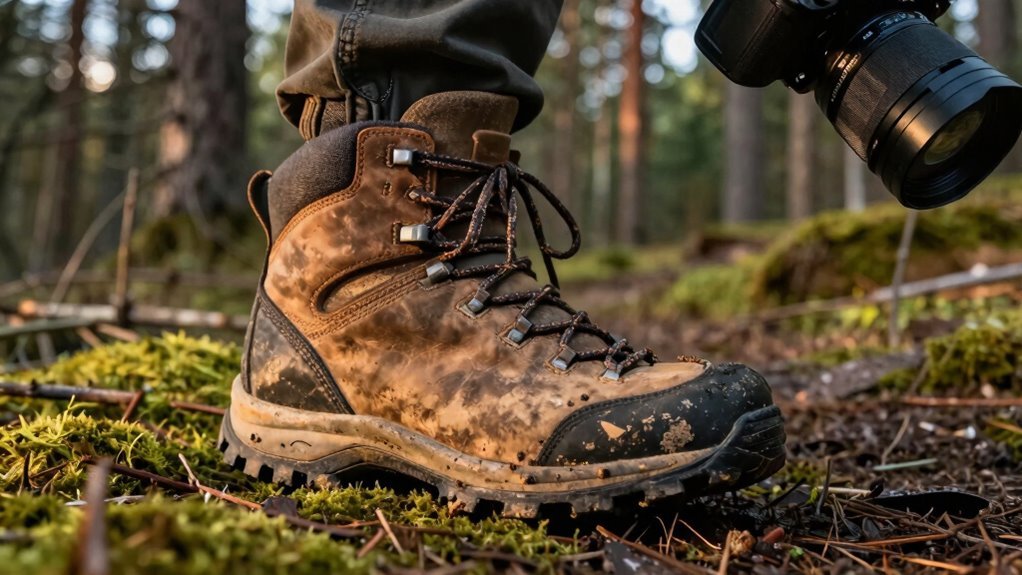
You’ll know it’s time to replace your hiking shoes when the treads are slick, the laces keep fraying, and your feet start aching with every step. Worn treads and discomfort are clear signs that your hiking shoes need replacing.
If the midsole feels flat, the upper’s stretched out, or water sneaks in, they’re done. These issues compromise both performance and protection, especially on rugged terrain.
Rocky trails chew up hiking shoes faster, and after 500 tough miles, cushioning fades significantly. When your boots flop instead of support, it’s not just comfort—it’s safety. Stick around, and you’ll uncover the smartest ways to pick their perfect replacement.
Signs Your Hiking Shoes Are Worn Out
Ever wonder why your feet are screaming after a short hike?
Well, your shoes might be crying for help too.
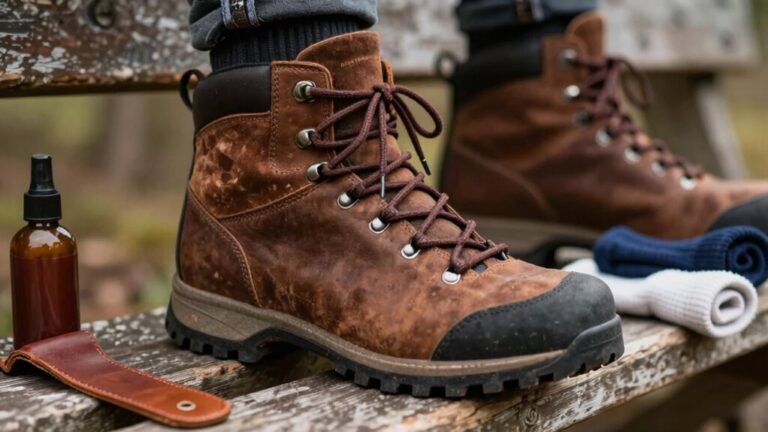
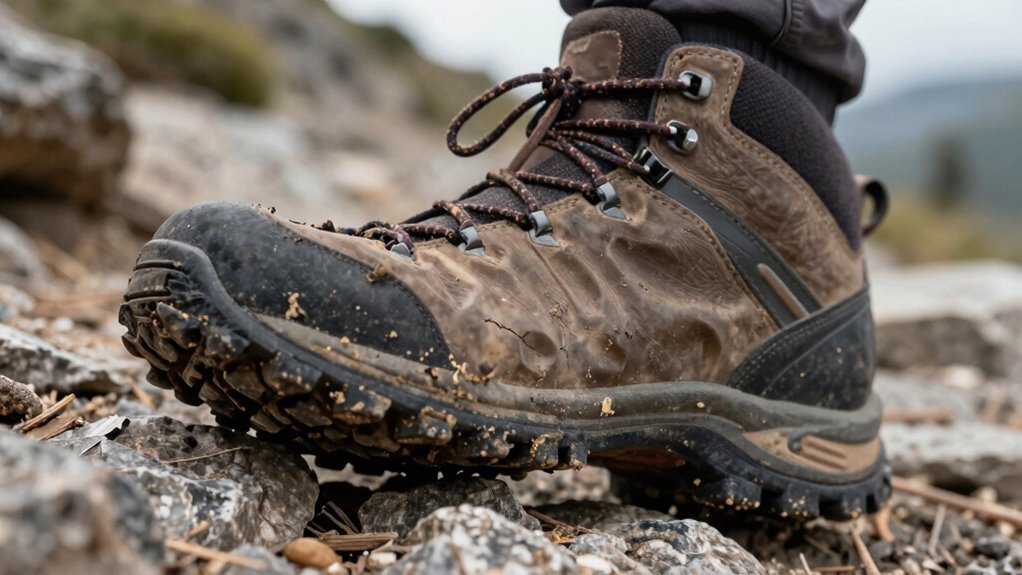
If your laces are frayed or your eyelets are bent or missing, they can’t hold tension, leaving your ankles wobbly and unsupported.
Take a peek at the upper—cracks, tears, or a stretched-out shape mean your boot’s lost its backbone.
Is the midsole flat as a pancake?
No bounce means no cushion, and that spells achy knees and tired toes.
Worn-out treads or peeling rubber?
Say goodbye to grip and hello to slips.
And if your boots leak, pinch, or feel floppy, don’t shrug it off—your feet are begging for relief.
Even stubborn blisters or heel slip are red flags.
When your favorite hiking shoes start failing the twist test or feel like sad, squished pancakes, it’s not just wear—it’s time.
Replace them before your adventure turns into a foot fiasco!
Moisture exposure from leaky footwear can lead to trench foot and fungal infections.
How Mileage Impacts Shoe Lifespan
Your hiking shoes might still look okay on the outside, but how many miles have they actually logged?
That number matters more than you think.
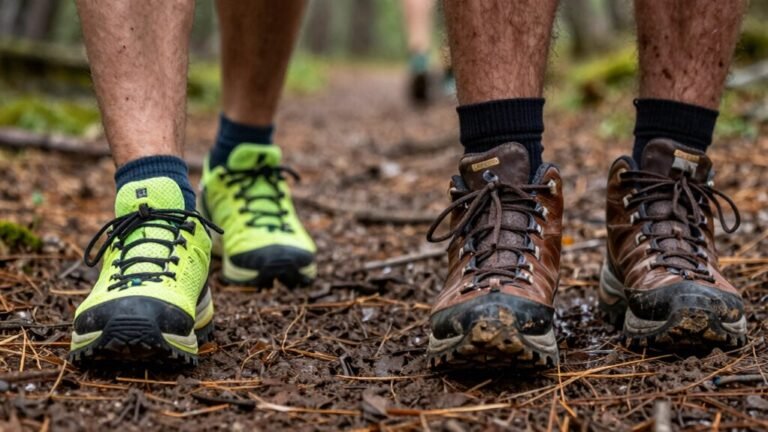
Lightweight trail runners usually tap out at 400 to 500 miles, while sturdier hiking boots can go 600 to 1,000—some backpacking beasts even hit 1,500.
Yep, your weekend warrior boots are tougher than your road-runners!
Manufacturers suggest swapping shoes every 300 to 500 miles, but don’t panic—proper care can stretch that life.
Cushioning fades fast, losing half its bounce by 500 miles, and heel support drops noticeably after just 300.
Think of it like a car: even if it runs, it won’t ride as smooth.
So grab your notebook (or your hiking app) and track those miles.
Your feet will thank you when you’re not limping down the trail like a wobbly penguin.
For example, 1,600–2,400 km is the typical lifespan for backpacking boots, meaning they can last thousands of miles with consistent use.
The Role of Terrain in Wear and Tear
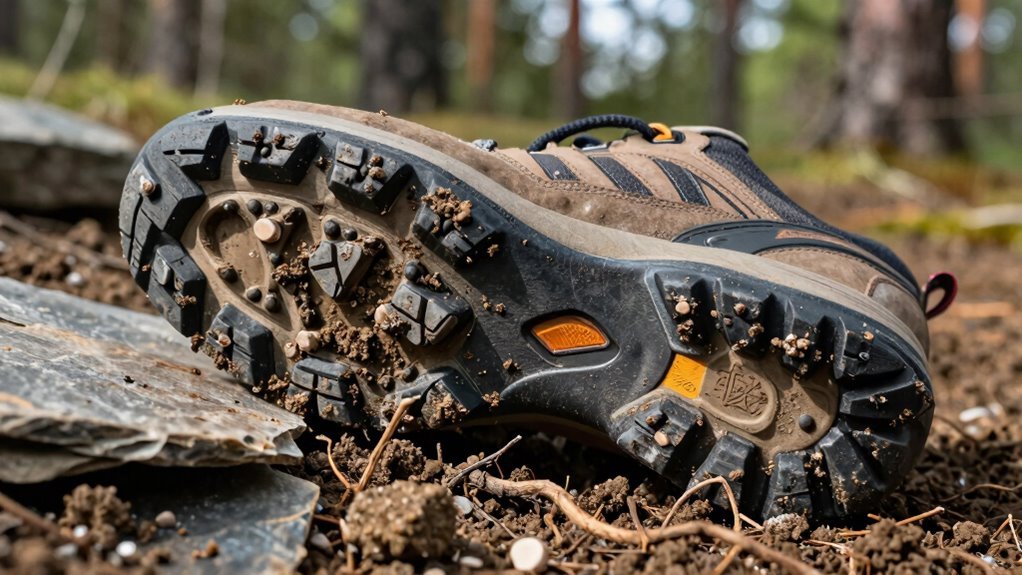
That trail you’re eyeing? It’s not just miles—it’s *how* you rack them up.
Smooth pavement? Your shoes barely break a sweat, lasting longer with lighter, breathable trail runners.
But hit rocky roots or river crossings, and boom—midsoles compress faster, uppers crease, and cushioning fades.
Rugged alpine climbs? Oof.
Steep grades and heavy loads chew through lugs and rands like snacks at a campfire.
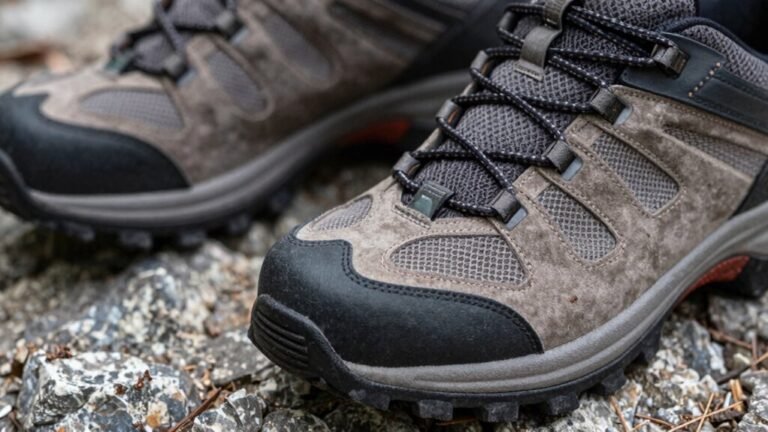
Rocky paths need deeper treads (great grip, quicker wear), while muddy spring trails cling and tear.
Deserts? Abrasion-resistant materials win.
Snow patches? You’ll want crampon-ready soles.
Flex matters in forests; support rules on scree.
Even weather changes stress your shoe’s materials.
So yeah, terrain’s a big deal—your boots aren’t just aging, they’re *earning scars*.
Treat them right—match the shoe to the trail, or face the blistering consequences!
Proper boot-to-terrain match ensures longevity and performance, aligning footwear design with trail demands.
When Comfort Starts to Fade
When your once-trusty hiking shoes start feeling more like cardboard slippers than mountain companions, it’s time to pay attention—because comfort doesn’t just pack up and leave overnight, it slowly sneaks away with every rocky mile.
You’ll notice the foam’s flatter, less springy, and those trail bumps? Yeah, you feel every single one now. Deep creases in the midsole or a press test that leaves dents mean it’s toast.
Your feet ache more, heels slip, and rocks suddenly feel personal. Maybe you’re getting blisters in places you didn’t know could blister—yikes.
The upper’s probably torn, stretched, or flopping like a fish. Arch support’s gone, the fit’s off, and your knees or back are throwing tantrums.
Let’s be real: if your shoes feel like sad, mushy pancakes, it’s not *you*—it’s them. Time to say goodbye and treat your feet to something lively again. Your hikes will thank you!
Preventing Injury With Proper Footwear
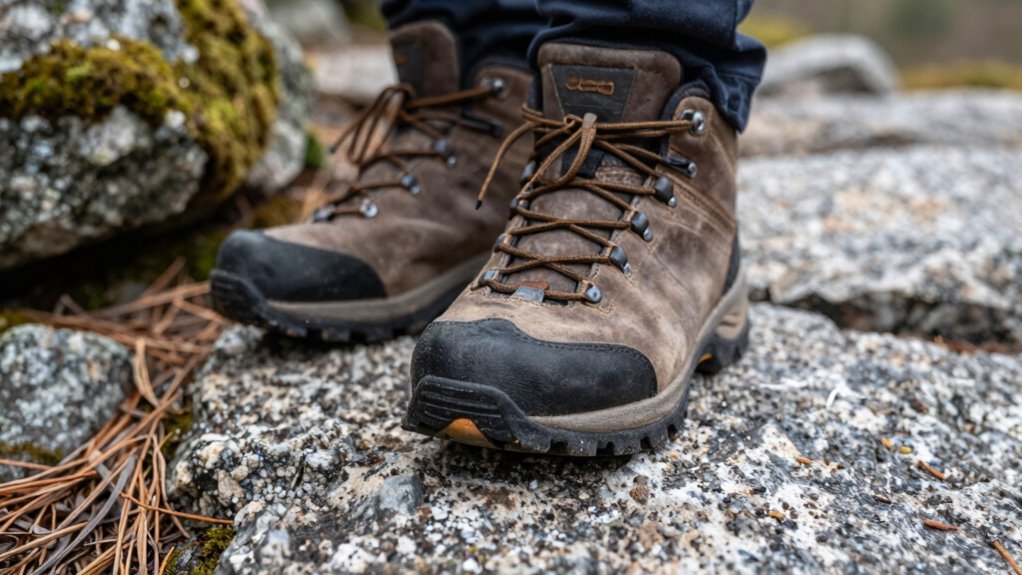
A solid pair of hiking shoes does more than just look good on the trail—they’ve got your back, literally.
You’re way less likely to twist an ankle when your shoes fit snug but not tight, and let your feet move naturally.
Skip those stiff boots—even though they seem tough, they can actually increase numbness and forefoot pain, especially with heavy loads.
Lighter packs mean fewer injuries, so pair a sleek pack with flexible, well-fitted shoes.
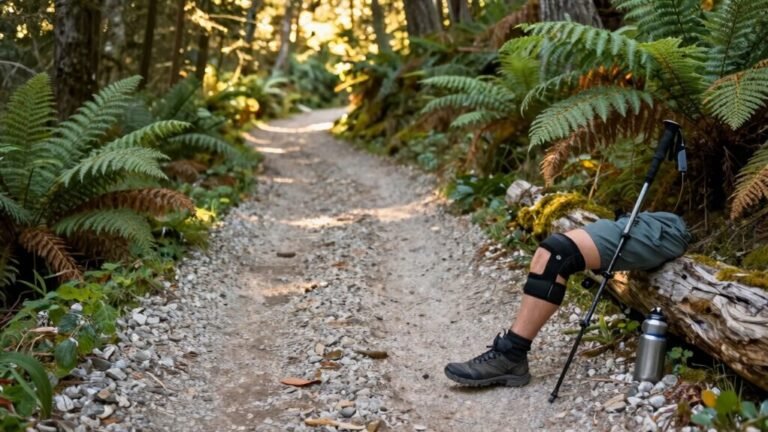
Oh, and don’t overlook terrain: scree and slopes love to trip you up, but good footwear reduces ankle roll.
Surprisingly, high-tops don’t lower sprain risk more than low-tops—fit matters way more.
Try different styles, wiggle your toes, and avoid painful pressure points.
After all, no one wants blisters or bruised toes crashing their adventure.
Your feet will thank you when every mile feels light, confident, and fun—because happy feet make for epic hikes!
Frequently Asked Questions
Can I Resole My Hiking Shoes Instead of Replacing Them?
You can totally resole your hiking shoes instead of replacing them—yep, it’s a smart move!
As long as the uppers are intact, the midsole isn’t dead, and there’s some sole left to work with, resoling saves cash and keeps your favorite pair broken in just right.
It’s like a spa day for your boots: fresh soles, same comfy fit!
How Do I Store Hiking Shoes When Not in Use?
Think of your hiking shoes like hibernating bears—they need a cozy, dry cave to rest in.
Clean off dirt with a soft brush, wipe with a damp cloth, then air-dry away from heat.
Once dry, stuff them with newspaper or cedar shoe trees to keep their shape.
Store in breathable fabric bags in a cool, dark closet.
Toss in silica gel to fight moisture, and let them “stretch” occasionally—your boots will wake up ready for adventure!
Are Waterproof Hiking Shoes Worth the Extra Cost?
Yeah, waterproof hiking shoes are worth the extra cost—if you’re braving snow, slush, or winter slogs.
They’ll keep your feet toasty and dry when temps dip below 40°F.
But let’s be real, they’re overkill for sunny trails.
You’ll sweat more, dry slower, and risk blisters.
Save ’em for winter adventures, not summer hikes.
For most terrain? Ditch the membrane and breathe easy—your feet will thank you!
Should I Buy Hiking Shoes a Size Bigger for Thick Socks?
No, don’t size up just for thick socks—that’s a blaster move for blisters.
Instead, try your hiking shoes with the exact thick socks you’ll wear.
That snug fit keeps everything stable and wrinkle-free.
Think of it like pizza: too much extra space, and the toppings slide off.
Match sock thickness to boot fit, and you’ll stomp trails in comfy glory—no toe bruises, no slippage, just happy feet doing happy dances.
Is It Okay to Use Hiking Shoes for Everyday Walking?
Yeah, you can totally use hiking shoes for everyday walking—go ahead and step out in them with confidence!
They’re tough, supportive, and handle sidewalks just fine, even if they’re a bit heavier.
Sure, they might scream “I’m ready for a mountain!” on a grocery run, but hey, who doesn’t love over-prepared feet?
Just don’t expect the same snappy flex as lighter walking shoes.
Conclusion
You’re out on the trail, sun peeking through the trees, when your foot slips—just a little. Hmm. That never happened before. Could it be? Yeah, those once-trusty shoes are whispering, “We’re done.” Don’t wait for a full-blown faceplant. Swap them before the hike turns hilarious—for all the wrong reasons. Your feet, knees, and pride will thank you. Time for new soles? You already know the answer.
References
- https://www.fitness19.com/5-signs-its-time-to-replace-your-autumn-hiking-boots/
- https://housershoes.com/blogs/news/14-signs-you-need-new-hiking-shoes
- https://altaigear.com/signs-you-need-to-replace-your-hiking-boots/
- https://sectionhiker.com/when-should-you-replace-trail-runners-used-for-hiking-and-backpacking/
- https://www.backpacker.com/gear/footwear/when-to-replace-hiking-shoes/
- https://www.mountainwarehouse.com/community/expert-advice/signs-you-need-new-walking-boots/
- https://www.youtube.com/watch?v=KHZW24OouhI
- https://projectcloudshoes.com/blogs/faq-blog-news/when-to-replace-your-shoes
- https://runrepeat.com/shoe-lifespan-statistics
- https://bootworld.com/blogs/advantage/how-long-do-hiking-boots-last