Layering Tips for Seniors in Cold Weather
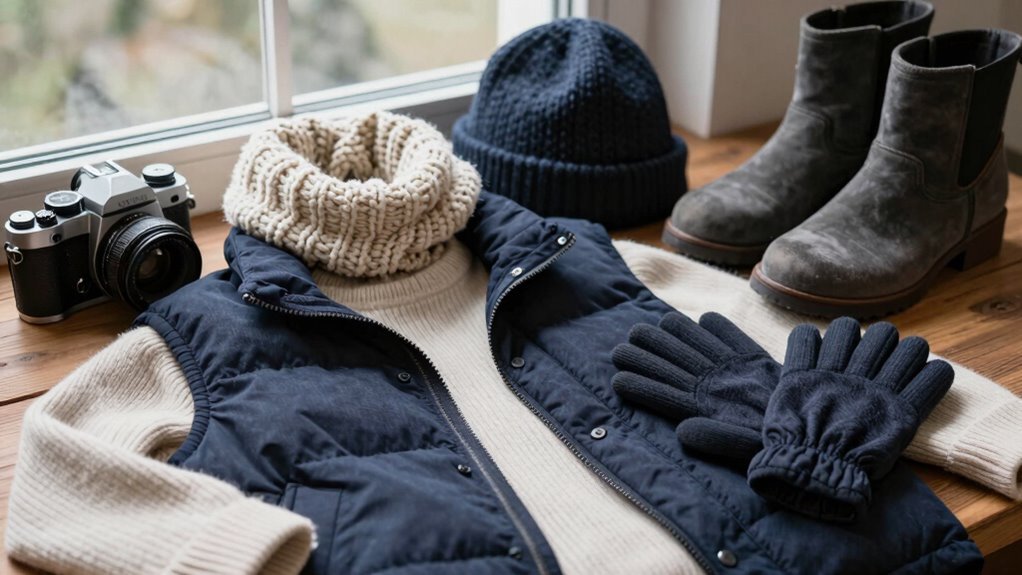
Layering tips for seniors in cold weather are essential for staying warm and comfortable. As you feel the cold more with age, dressing in layers is key—think like an onion with multiple protective levels.
Start with a moisture-wicking base layer, avoiding cotton since it traps moisture and cools the body. Instead, opt for thermal or synthetic fabrics that keep your skin dry and warm.
Add a mid-layer like a cozy fleece or breathable sweater to retain heat without causing overheating. This layer helps regulate your body temperature during everyday activities.
Top it off with a windproof, water-resistant outer shell to shield against the elements. Look for jackets with zippers for quick adjustments when moving between hot and cold environments.
Don’t forget accessories—wear a warm hat even indoors, as much body heat can be lost through the head. Pair it with mittens that allow touchscreen use so you can stay connected without discomfort.
Warm socks are non-negotiable for maintaining circulation and comfort in cold weather. Consider thermal or wool blends to keep feet dry and toasty throughout the day.
Understanding How Aging Affects Body Temperature
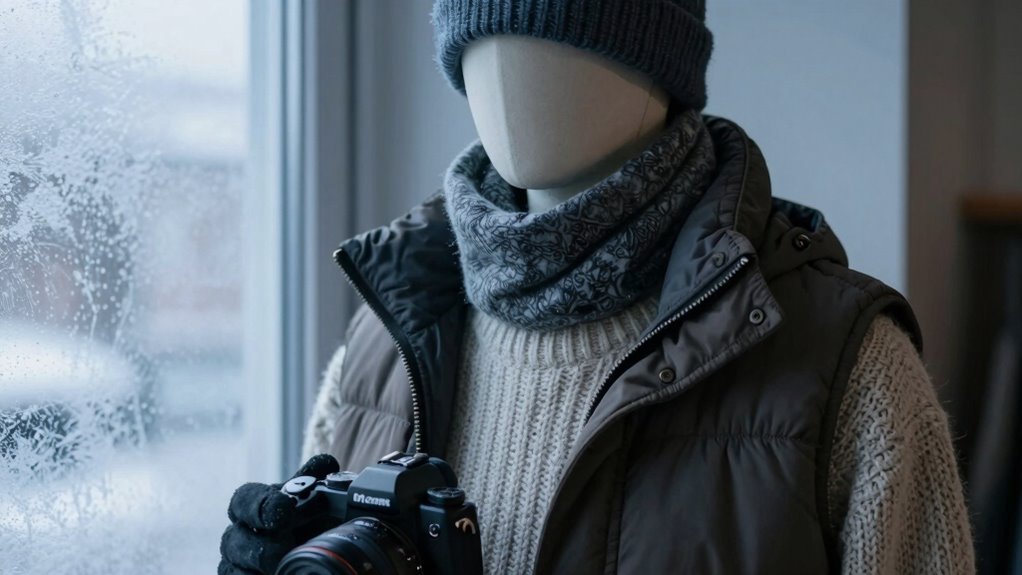
Ever wonder why you feel chilly when everyone else is comfortable?
Well, it’s not all in your head—aging actually lowers your core body temperature, so you start off cooler than younger folks.
Your body doesn’t fight the cold as well, either.
Blood vessels lose their zip, failing to tighten up and keep warmth in, meaning chilly fingers aren’t just annoying—they’re science!
You also sweat less when things heat up, which sounds good, but trust us, it’s your body struggling to cool down.
And when temperatures drop, your metabolism won’t kick into high gear like it used to—shivering? More like gentle trembling.
With less muscle and fat, you’ve got fewer built-in heaters.
Basically, your body’s thermostat is aging, too—just like your Wi-Fi password, it needs a little extra love to keep things running smoothly.
Thinning skin further reduces insulation and increases vulnerability to cold-related discomfort.
Choosing the Right Base Layer for Moisture Management
Why do some clothes leave you feeling damp and chilly, even when you’re not moving fast? Cotton traps sweat and slows drying, making you cold—no fun at all.
But here’s the good news: your base layer can actually work *for* you. Choose synthetic fabrics like polyester or nylon to wick moisture away fast. Or try merino wool—it’s soft, fights odor, and keeps warming you, even when damp.
Blends? Even better, combining durability with comfort. Pick lightweight for milder days, midweight for real cold, and avoid bulky fits that squish your other layers.
A snug, non-itchy base with flat seams means more comfort, less fuss. You’ll stay dry, warm, and agile—perfect for walking, gardening, or just sipping cocoa outside. Think of it as your personal climate control. Now that’s smart dressing! One base layer should be worn directly against the skin for optimal moisture management, especially in extreme cold, because adding more than one can actually impede moisture management.
Selecting an Effective Insulating Middle Layer
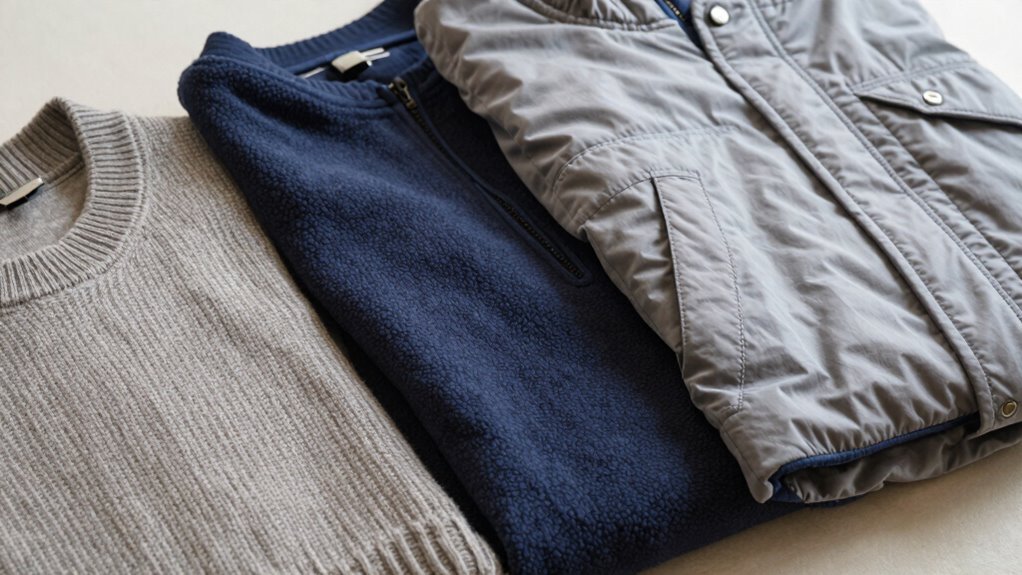
Now that you’ve got a base layer keeping you dry and comfortable, it’s time to turn up the cozy with your middle layer—the real MVP when it comes to holding in warmth.
Snag a fleece jacket, a merino sweater, or a soft alpaca blend—they trap heat without weighing you down.
These fabrics let sweat escape so you won’t overheat, even if you’re just gardening or strolling.
For easier on-and-off, grab one with zippers or Velcro—perfect if bending or reaching feels tricky.
Hoodies and zip jackets give you quick temp control, while puffy vests keep your core toasty without bulk.
Merino and bamboo stay warm even when damp, and gentle blends won’t irritate sensitive skin.
Avoid down if it’s wet or snowy—synthetics work way better.
Pick something durable, comfy, and breathable, because staying warm shouldn’t mean sweating buckets or wrestling with stiff fabric.
Designed to perform in very cold weather, this layer can make all the difference during winter walks or outdoor errands.
You’ve got this, cozy champion!
Picking a Protective and Breathable Outer Layer
You’re one smart layer away from braving the elements like a pro—meet your outer layer, the trusty shield that keeps rain, snow, and wind from crashing your cozy party.
Choose a shell made of ripstop nylon or Omni-Tech so you stay dry without sweating buckets.
These breathable fabrics, like Hydrapore Pro or 150D Dry.Q, block rain but let steam escape—no swampy jacket surprise!
Need extra armor? Pick one with a DWR finish for long-lasting water resistance.
Look for adjustable hoods, especially stowable or helmet-compatible ones, so you’re ready for sudden showers.
Magnetic zippers help if fingers aren’t as nimble as they used to be.
Parkas with reflective tape and snug cuffs seal out cold air while keeping you visible.
And don’t forget pockets—because gloves, keys, and candy deserve safe homes.
Stay warm, dry, and dashing—winter won’t know what hit it.
Layering Tips for Indoor and Outdoor Transitions
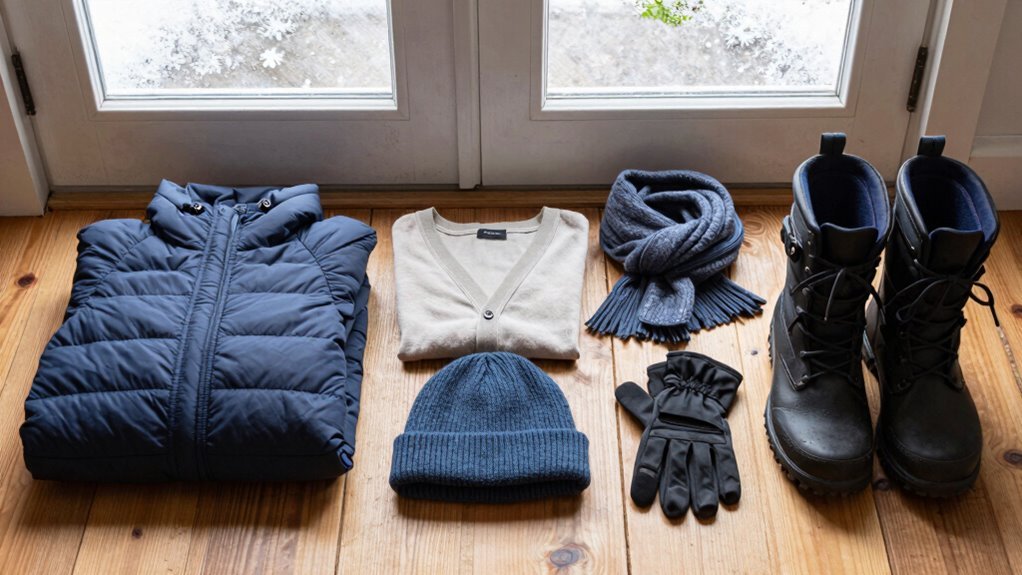
When the weather can’t make up its mind and neither can your thermostat, layering smart keeps you comfy no matter where you are.
Start with a lightweight thermal top or thin turtleneck that wicks moisture—skip cotton, since it holds onto sweat like a grumpy old sock.
Add a cozy fleece or cardigan with a zipper so you can cool down fast when you step into a warm building.
A vest warms your core without bulk, perfect if you often feel chilly in the middle.
Tuck your base layer to trap heat, then peel it back when things get toasty.
Slip on gloves with liners, a beanie under your hat, and a scarf to block sneaky drafts.
Thin, warm socks beat double ones—no one wants socks slipping down mid-step!
With the right layers, you’ll stay snug, stylish, and ready for anything.
Importance of Properly Fitted Clothing for Mobility
Clothing that fits just right isn’t just about looking put-together—it’s about moving freely, feeling confident, and staying safe as you go about your day. You don’t want pants that pinch when you sit or sleeves that fight your arms like tiny prison bars.
As we age, our bodies change—hips expand when seated, joints stiffen, and muscles weaken. That’s why well-fitted clothing helps you bend, reach, and walk without a struggle.
Features like elastic waists, magnetic buttons, or open-back designs aren’t just clever—they’re life-savers when fingers get stubborn.
Over 96% of seniors care about clothes that help them move safely, and honestly, who wouldn’t? The right fit means fewer stumbles, less frustration, and more “I’ve still got this” moments.
Accessorizing for Warmth: Hats, Gloves, and Socks
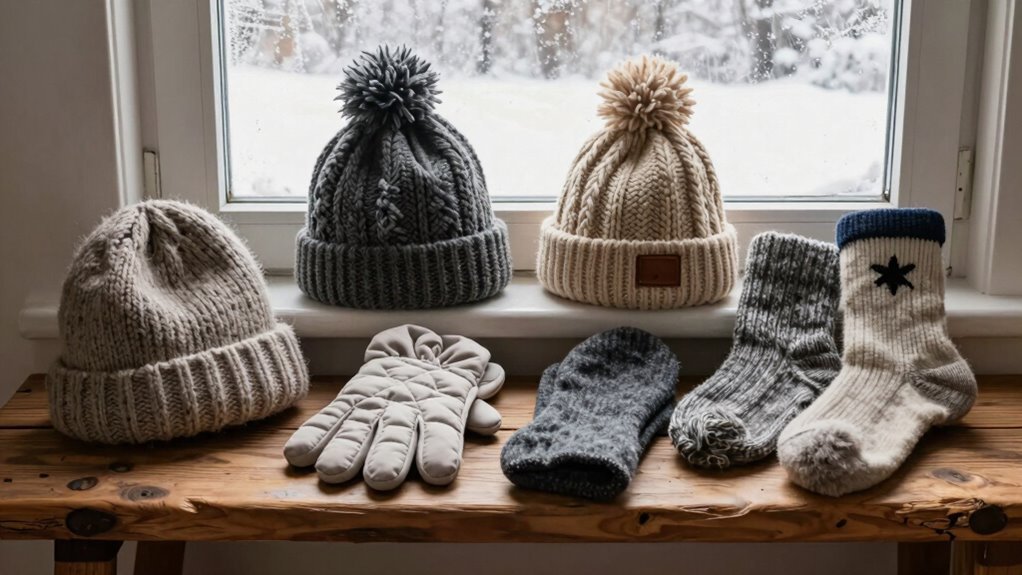
Now that your clothes fit just right and let you move with ease, it’s time to turn up the coziness with some smart layering extras—meet your new best friends: hats, gloves, and socks.
You lose a lot of heat through your head, so grab a warm hat—bonus points if it teams up with a scarf to guard your face from icy winds.
Swap flimsy gloves for snug mittens; they’re like hugs for your hands and way better at keeping warmth in.
And don’t forget your feet—thermal socks trap heat, fight cold floors, and won’t pinch your legs, perfect for both lounging and braving the snow.
Fleece and wool work magic here, and modern fabrics stay soft even on sensitive skin.
With stylish, senior-friendly options booming in the market, staying toasty has never looked so good—or felt so fun.
Stay warm, stay cozy, and let your accessories do the chilling for you.
Frequently Asked Questions
Can I Wear Heat-Generating Clothing Safely With Medical Conditions?
Yeah, you can wear heat-generating clothing safely with medical conditions—just check with your doctor first.
If you’ve got arthritis or Raynaud’s, it’ll feel like a warm hug for your joints and fingers.
These smart garments won’t overheat you, thanks to built-in safety tech.
They’re perfect for staying cozy without bulk.
Just avoid pairing them with heavy layers—stay light, stay comfy, and let the heat do the work.
You’ve got this!
Are Heated Jackets Safe for Seniors With Pacemakers?
Yes, you can safely wear heated jackets with a pacemaker—studies show no interference in 98% of cases.
Just keep the battery pack 6 inches away from your device, like Medtronic suggests.
Use low heat settings, avoid wearing it directly over your pacemaker, and chat with your doctor first.
Most users stay cozy without issues, so bundle up, stay warm, and don’t let Old Man Winter catch you chillin’!
How Often Should I Replace My Thermal Layers?
You should replace your thermal layers every year if you use them a lot, or sooner if they’re looking sad and thin.
Check for holes, pilling, or smells that won’t quit—yep, even after washing!
If they’ve lost their stretch or leave you chilly, they’re done.
Fresh layers keep you cozy and safe, so don’t wait for Jack Frost to sneak a peek at your worn-out long johns!
Can Layering Cause Overheating During Activity?
Yeah, layering can totally make you overheat when you’re active—your body’s like a little furnace once it gets going.
All those cozy layers trap heat, and if you’re moving a lot, you’ll start sweating like a polar bear in a sauna.
That dampness can chill you fast, especially if you slow down.
Plus, your core temp keeps rising even after you stop—talk about sneaky!
So, peel off layers as you warm up, stay dry, and don’t let your outfit outsmart you.
Smart choices keep you comfy, not cooked.
Are There Laundry Tips Specific to Thermal Wear?
Yep, thermal wear’s got its own laundry quirks!
You gotta treat it kind but smart—always check the label, wash cold on gentle, and turn ‘em inside out.
Skip the bleach and fabric softener; they wreck the magic fibers.
Toss them in a mesh bag if machine washing, or hand wash for extra love.
Never toss in high heat—air dry flat instead.
Oh, and don’t overwash; a quick air-out between wears works wonders.
Your thermals will thank you!
Conclusion
You’d freeze faster than a popsicle in a snowstorm without proper layers! Think of your outfit like a parfait—cool, delicious, and smartly stacked. One senior walked three blocks warm and dry while others shivered. How? Base, middle, outer—each layer did its job. So suit up, stay cozy, and laugh at winter’s icy breath. You’ve got this cold weather thing down!
References
- https://pmc.ncbi.nlm.nih.gov/articles/PMC6098859/
- https://pubmed.ncbi.nlm.nih.gov/22085834/
- https://journals.physiology.org/doi/full/10.1152/ajpregu.00557.2006
- https://www.regencyhcs.com/blog/why-are-old-people-always-cold
- https://health.clevelandclinic.org/why-does-your-body-temperature-change-as-you-age
- https://www.elitecarehc.com/blog/regulating-body-temperature-in-the-elderly/
- https://magazine.hms.harvard.edu/articles/effects-heat-older-adults
- https://www.cdc.gov/heat-health/risk-factors/heat-and-older-adults-aged-65.html
- https://forloh.com/blogs/watering-hole/best-base-layer-extreme-cold
- https://www.seniorhelpers.com/pa/reading/resources/blogs/2023-10-17/