How to Choose a Lighter Pack Over 50
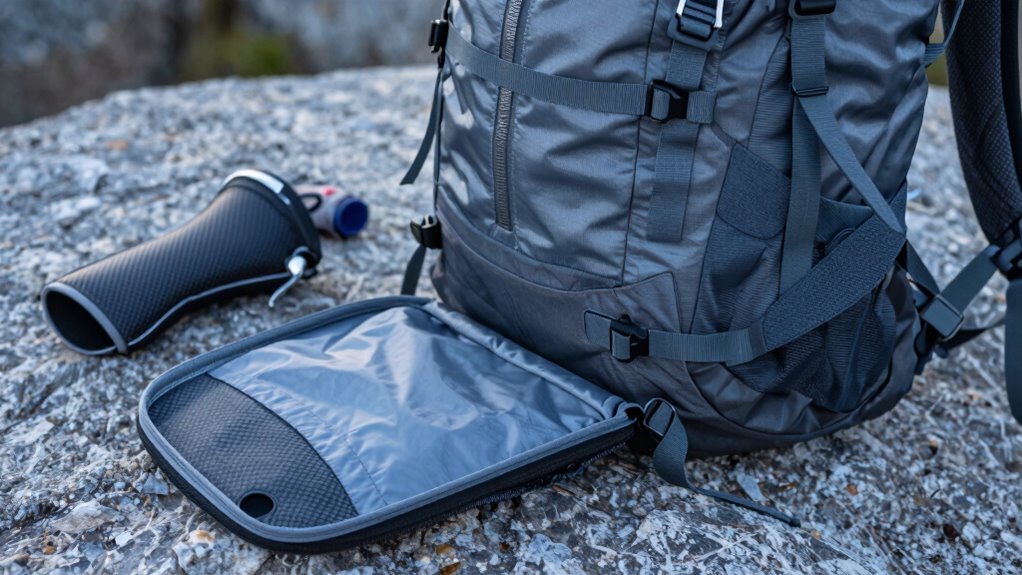
You don’t need a pack over 50 liters—honestly, most folks overpack and still fit fine in 40–50L. Choosing a lighter pack over 50 liters comes down to smarter design, not more space.
Pick a lightweight model made from tough, sleek materials like Robic nylon or even Dyneema if you’re feeling fancy. These fabrics reduce weight without sacrificing durability.
Smaller packs keep you agile, force smarter choices, and save your back. Focus on smart organization, comfy straps, and balance.
Your future self (and shoulders) will thank you. Keep going—you’ll discover how little you actually need.
Assess Your Travel Needs and Trip Length
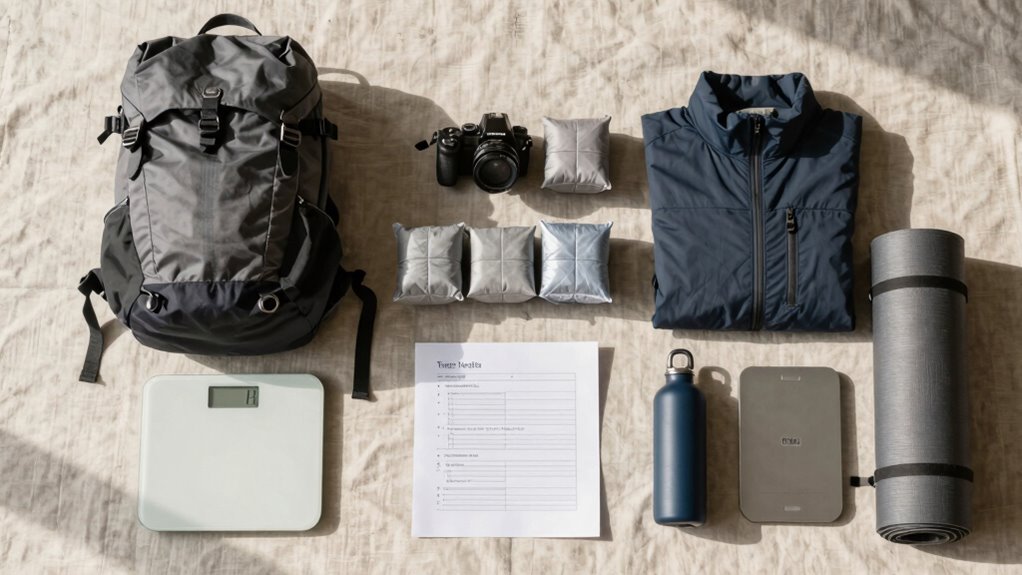
Ever wonder why your backpack feels like it’s staging a rebellion halfway through your trip?
It’s probably because you guessed the size instead of evaluating your actual travel needs.
If you’re just hopping away for a weekend, a 20–35L pack’s got your back—literally.
Traveling a week or two? Grab something in the 35–50L sweet spot.
Hiking through monsoons or snow? You’ll want 50–70L with room for layers and gear.
Six months of hitchhiking across seasons? A 65–80L rucksack keeps you ready for anything.
Even tropical ultralight trips thrive in a lean 40L.
Think about your trip length, your gear, and your comfort—don’t just shove stuff in and hope.
Picking the right size means less strain, more freedom, and zero mutinies from your overstuffed pack.
Proper sizing also ensures better weight distribution, reducing physical strain over long distances.
Choose smart, travel light, and let your backpack work *for* you—not against you.
Prioritize Lightweight, High-Quality Materials
You’ve nailed down the perfect pack size for your adventure, so now let’s talk about what that pack’s actually made of—because no one wants their trusty travel companion to rip at the seams when you’re halfway up a muddy trail.
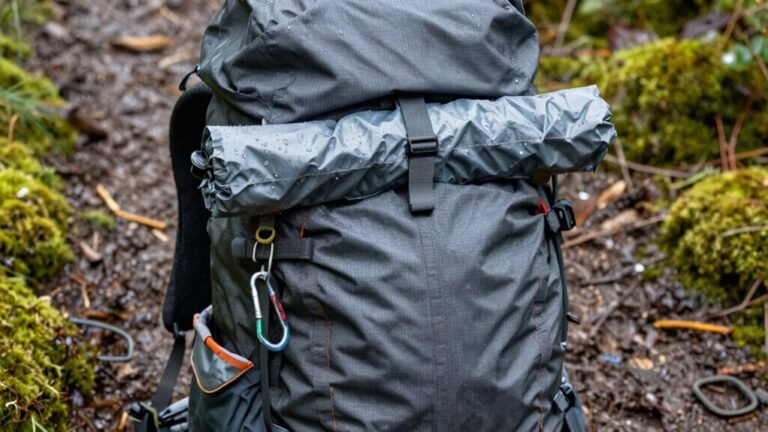
Opt for high-tenacity fabrics like Cordura or Robic nylon—they’re tough, lightweight, and won’t quit on you.
Ripstop weave? That’s your tear-stopping superhero.
If you’re chasing ultralight glory, Dyneema Composite Fabric (DCF) is insanely strong, waterproof, and crazy light—though it’ll cost ya.
Ultra 200X and UltraGrid offer similar durability with a softer price tag.
These materials laugh at rain, shrug off rocks, and stay solid after hundreds of miles.
Reinforced stress points and bound seams add backup where you need it most.
Sure, DCF’s pricier, but think of it as investing in a pack that might outlive your hiking boots—maybe even your sense of direction!
Polyester is often used in non-structural areas like linings or pockets to balance cost and performance.
Choose the Right Pack Size for Efficient Packing
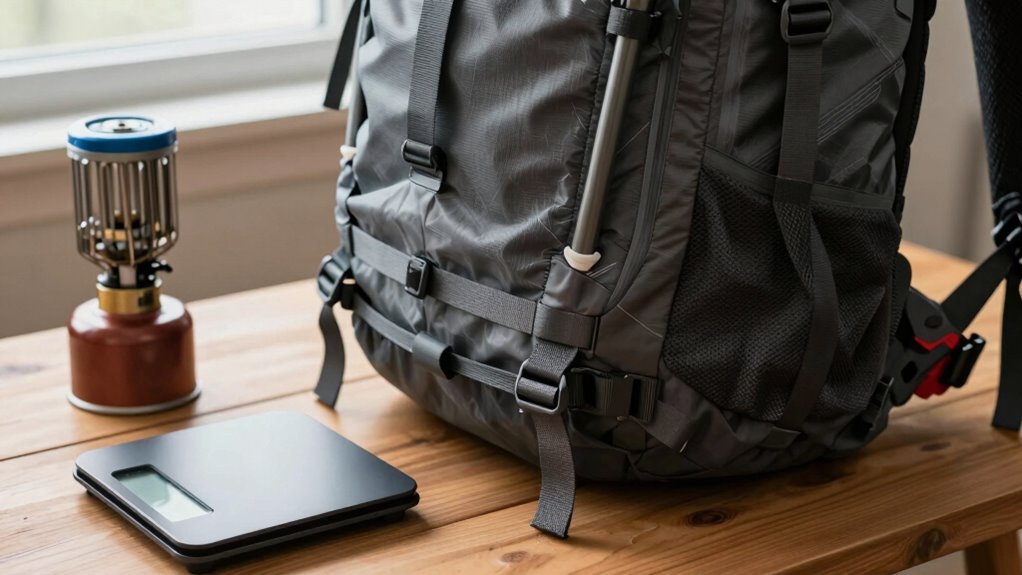
How much can your backpack actually hold—really?
If you’re gone over five nights, you’ll want 70 liters or more—it’s a game-changer for bulky winter gear and extra clothes.
But for most trips, a 50–60 liter pack hits the sweet spot, especially if you’re zigzagging through changing climates.
Weekend warrior? Go 30–50 liters—plenty of room for gear without becoming a pack mule.
Want versatility? Grab an expandable model (35–45 liters) that zips open like magic when you need more space.
And hey, 40–45 liters is carry-on gold—perfect for international hops without checking a bag.
Just remember: bigger isn’t always better.
Pick the smallest pack that fits your needs—your back will thank you.
Plus, lighter loads mean happier hiking.
Choose smart, pack light, and travel like a pro—with room for souvenirs (or that extra sweater you swore you wouldn’t buy).
The global backpack market is projected to reach 31.38 billion dollars by 2030, driven by rising outdoor activities and remote work trends.
Optimize Access and Organization Features
Where do you keep your snacks when the trail gets long and hunger strikes mid-hike?
In easy-to-reach pockets, of course!
Use exterior zippered or mesh pockets to stash snacks, rain gear, or your phone—no more unpacking the whole pack.
Hip belt pockets? Perfect for a headlight or energy bar you’ll want fast.
Inside, multiple compartments keep things sorted.
Flashlight up top, map in a side pocket, and your lunch where you can grab it quickly.
Try the 3-zone method—bottom for sleep gear, middle for clothes, top for trail essentials.
Packing cubes and compression sacks save space and cut chaos.
Bungee cords and daisy chains let you strap on extras without digging inside.
And hey, if your flashlight wants to dangle from a cord loop, let it!
Smart access means less fumbling, more hiking—and that’s a trail win.
Focus on Comfortable, Ergonomic Design
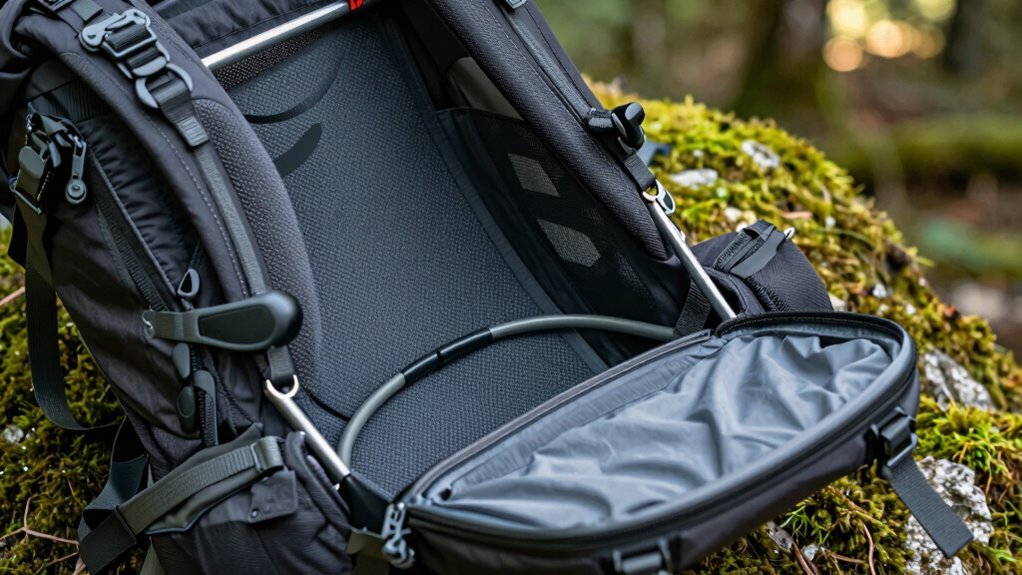
A well-designed pack doesn’t just carry your gear—it works with your body, so you stay comfortable mile after mile.
You want a frame that shifts weight to your hips, not your shoulders, keeping your spine happy and strain low.
Padded straps and breathable back panels? Absolutely.
They cradle your shoulders and let you breathe easy, even when the trail heats up.
An adjustable fit means the pack hugs *your* shape, not some random torso from a factory mold.
It’s like a custom suit—only for hiking.
Hip belts stabilize your load so you’re not wobbling like a shopping cart with a bad wheel.
Plus, good suspension cuts fatigue, prevents injury, and keeps energy flowing.
You’ll hike smarter, not harder.
And let’s be real—nobody wants back pain crashing their adventure.
Choose comfort, stay light, and let your pack do the heavy lifting—literally.
Select Multi-Functional Packs With Smart Compartments
Ever wonder how some travelers seem to pull exactly what they need from their pack in seconds—like magic?
Spoiler: it’s not magic, it’s smart design.
You’ll love multi-functional packs with clever compartments that work *for* you, not against you.
Imagine grabbing your laptop without unpacking half your life—thanks to a padded 16-inch sleeve.
Need space? Expand hidden compartments like a suitcase, only when you want to.
Keep your phone and passport safe in rear security pockets that even a sneaky pickpocket wouldn’t find.
Felt-lined slots protect valuables, while zippered pockets stash snacks, cords, or that secret chocolate bar.
Front-access panels mean no more face-planting into your bag at security.
With modular insides and stretch walls, everything stays put—no jumbled mess.
It’s like Tetris, but effortless.
Lightweight, organized, and built for real life, these packs turn chaos into calm—one smart pocket at a time.
Test Weight Distribution and Mobility Before You Go
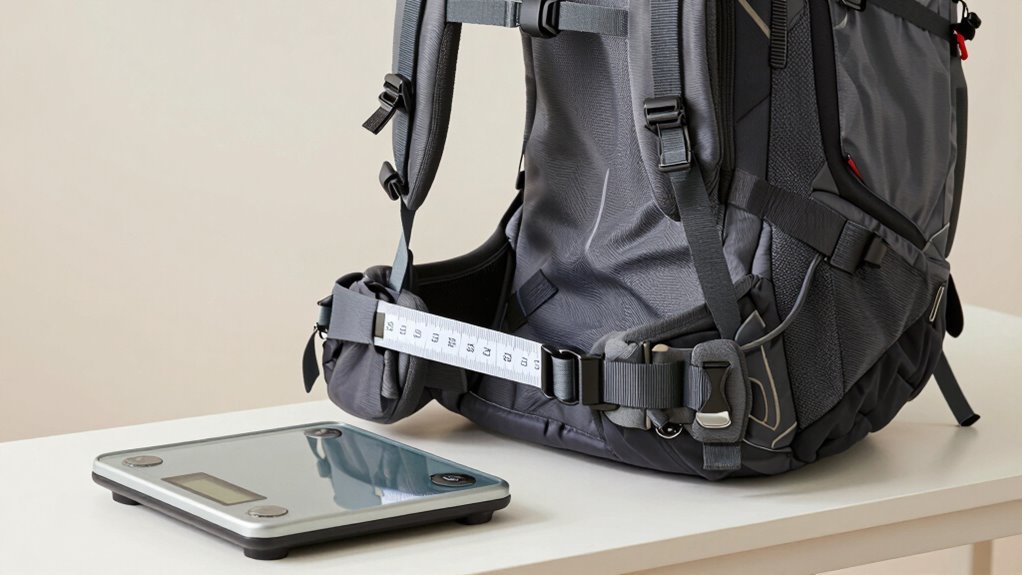
Feeling like a pack mule on your last hike?
Don’t let poor weight distribution wreck your next adventure.
Aim for the 80/20 rule—80% of the weight should rest on your hips, not your shoulders.
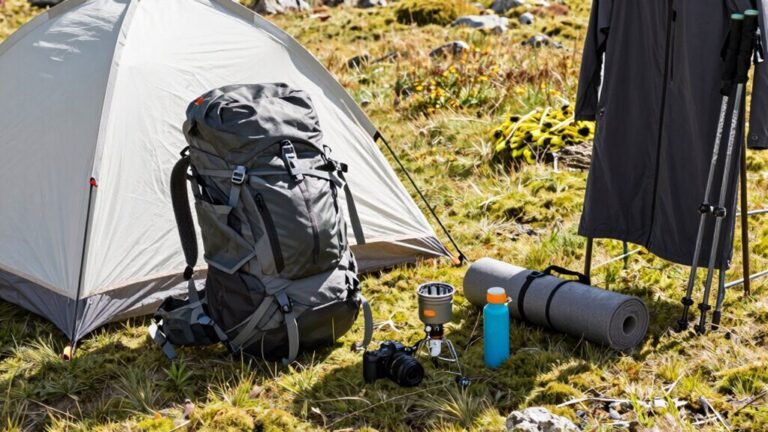
Pack heavy gear like your tent, stove, and water right in the middle, snug against your back at shoulder-blade level.
This keeps your center of gravity stable and saves your energy.
Balance left and right, too—toss that water bottle on one side, a first-aid kit on the other.
If the pack tilts, redistribute until it sits square.
Use the zoned system: heavy in the core, light on top, soft base below.
Test it all first—strap it on, walk around, adjust the hip belt, sternum strap, and lifters.
If you’re waddling like a penguin, it’s too heavy—stick to 20% of your body weight.
Your back will thank you!
Frequently Asked Questions
Is a Wheeled Backpack Better for My Back After 50?
Yeah, a wheeled backpack is way easier on your back after 50—you’re rolling, not hauling, which saves your spine and joints.
Think of it like giving your shoulders a break without skipping the adventure.
Just avoid rocky sidewalks, ’cause wheels hate potholes as much as you hate bad Wi-Fi.
Pair it with good posture and smart packing, and you’ll move like you’ve got a secret youth potion.
Can I Use a Travel Backpack as a Carry-On?
Yes, you can absolutely use a travel backpack as a carry-on—most are designed just for that!
It zips right into overhead bins and beats waiting at baggage claim.
You’ll breeze through airports, hop on trains, and dodge crowded subways with ease.
Plus, no more wrestling with heavy suitcases.
Just sling it on and go—your future self will thank you when you’re skipping lines like a travel ninja.
How Do I Clean and Maintain My Backpack?
You clean and maintain your backpack like it’s a muddy puppy after a rainstorm—start by dumping everything out and giving it a good shake.
Brush off gunk, spot-clean stains with mild soap, then hand wash gently.
Rinse well and air dry away from sunlight.
You vacuum crevices, check zippers, and toss in a moisture-absorbing packet to keep mildew away—simple, right?
Your pack’ll smell fresh and last years, not fume like a locker room.
Are Anti-Theft Features Worth the Extra Cost?
Yeah, anti-theft features are totally worth the extra cash.
You’re dodging pickpockets without even trying—lockable zips, slash-proof straps, and RFID pockets’ve got your back.
Imagine sipping espresso on a crowded train, stress-free, while thieves glance your way and move on.
It’s like having a silent bodyguard for your laptop and passport.
Peace of mind? Priceless.
Plus, you’ll look cool doing it.
What Colors Are Best for a Travel Backpack?
You’ll love neutral tones like black, grey, or navy—they’re sleek, match everything, and stay cool on any trip.
Want adventure vibes? Go for earthy greens or khaki; they blend with nature and scream wanderlust.
If safety’s key, grab neon yellow or bright orange—they shout “I’m here!” to drivers and friends.
Bright colors like turquoise or pink add fun and make your pack easy to spot.
Pick what feels like *you*!
Conclusion
You zip it up, hoist it onto your shoulders, and feel the perfect balance—light, sleek, and ready. The trail ahead winks at you, whispering secrets only pack-less wanderers miss. This isn’t just a backpack, it’s your free pass to move faster, breathe easier, and laugh when others groan under the weight. Go on, take that step. Adventure’s not waiting—it’s already running ahead, grinning.
References
- https://mygoo.life/blogs/news/backpack-buying-guide-factors-to-consider-before-making-a-purchase
- https://minimul.co/blogs/digital-nomad-and-travel-hub/backpack-size-guide-what-you-need-to-know-before-travel
- https://travelfreak.com/rating-system-backpacks/
- https://globeroverly.com/archives/242
- https://www.nomadtravellers.com/travel-tips-guide/how-to-choose-a-travel-backpack
- https://www.istairport.com/en/blog/6-features-travelers-backpack?locale=en
- https://terraincognita-shop.com/blogs/news/how-to-choose-the-perfect-backpack
- https://www.thepackablelife.com/travel/gear/backpack-fabric
- https://www.garagegrowngear.com/blogs/trail-talk/dcf-vs-ultra-fabric-test-ultralight-packs
- https://www.cleverhiker.com/backpacking/best-ultralight-backpacks/