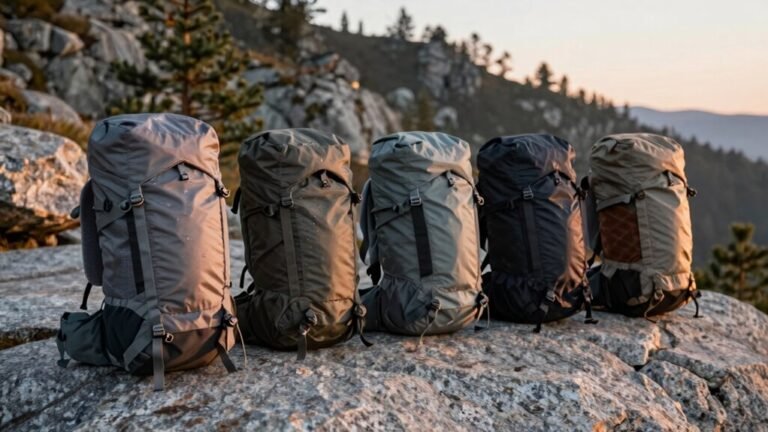
5 Best Backpacking Packs for Beginners Who Want to Get It Right the First Time
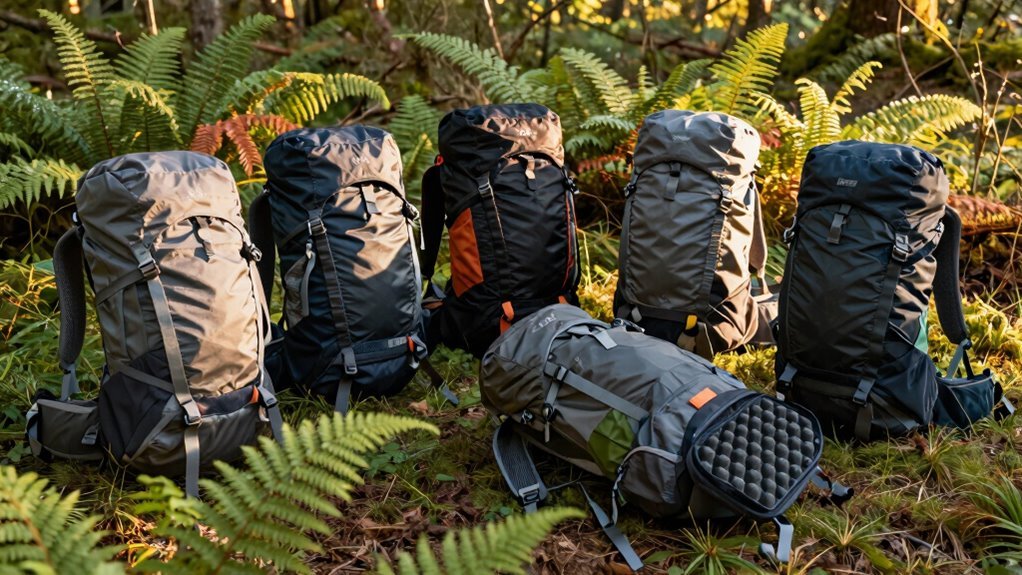
Most beginners don’t realize that a poorly fitted 50L backpacking pack can feel heavier than a well-balanced 65L.
Your hips should carry 80% of the load, not your shoulders, which is why proper fit is critical when choosing the best backpacking pack for beginners.
You’ll want breathable suspension, adjustable torso lengths, and at least 50 liters of smart capacity.
A well-designed backpacking pack ensures comfort and efficiency on the trail.
So, what if your first pack could handle rain, fit right out of the box, and still leave room for a weekend’s worth of gear?
The best backpacking packs for beginners combine durability, smart storage, and ease of use.
| Teton 55L Scout Backpack for Hiking |  | Best Overall | Capacity: 55L | Weight: Not specified | Waterproof/Water-Resistant: Rain cover included | VIEW LATEST PRICE | Read Our Analysis |
| HOMIEE 50L Waterproof Hiking Backpack with Rain Cover | Top Value Pick | Capacity: 50L | Weight: 1.8 pounds | Waterproof/Water-Resistant: 420D waterproof nylon, rain cover included | VIEW LATEST PRICE | Read Our Analysis | |
| Bseash 60L Waterproof Hiking Backpack with Rain Cover |  | High-Capacity Choice | Capacity: 60L | Weight: 2.1 lbs | Waterproof/Water-Resistant: Water-resistant, includes bottom rain cover | VIEW LATEST PRICE | Read Our Analysis |
| Bseash 50L Hiking Backpack (Purple) |  | Budget-Friendly Option | Capacity: 50L | Weight: 1.7 pounds | Waterproof/Water-Resistant: Water-resistant nylon | VIEW LATEST PRICE | Read Our Analysis |
| 4Monster Hiking Daypack Water Resistant Lightweight | 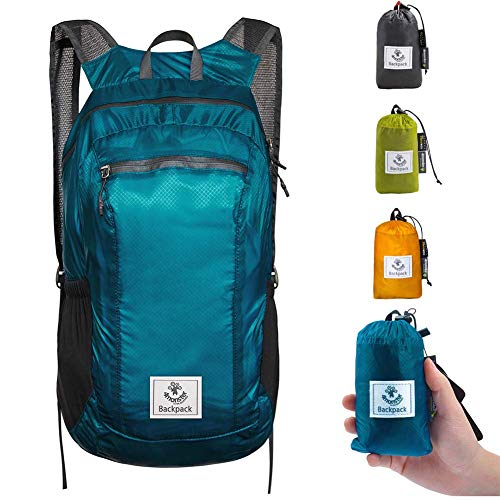 | Ultralight Selection | Capacity: Not specified (ultralight daypack, implied small) | Weight: 4 oz | Waterproof/Water-Resistant: Water-resistant | VIEW LATEST PRICE | Read Our Analysis |
More Details on Our Top Picks
Teton 55L Scout Backpack for Hiking
If you’re just dipping your toes into backpacking—say, weekend trips or solo hikes with a tent and sleeping bag—the Teton 55L Scout Backpack is a solid starting point. It comes in 45L, 55L, and 65L sizes and adjusts to fit most torso lengths, so you’re not stuck guessing your spine length like a poorly designed puzzle.
You’ll appreciate the custom comfort system, featuring multi-position torso adjustment and a durable open-cell foam lumbar pad. Let’s be honest—nobody enjoys back pain by mile ten.
Molded airflow channels keep you cooler on the trail, while spacious compartments, a sleeping bag divider, and multi-directional compression straps help you pack smart, not heavy. The hydration pocket is a small but welcome addition.
The included rain cover offers peace of mind when the skies turn. Teton Tough fabric handles abuse without pretending to be premium gear.
Though it’s not ultralight, the backpack is dependable—ideal for weekend trips or travel where your gear actually matters. You’re not overpaying for hype, just getting capable, no-nonsense function.
The brand backs their product with a solid support team that actually answers calls—because sometimes, a zipper does fail, and you’d rather not camp in frustration.
- Capacity:55L
- Weight:Not specified
- Waterproof/Water-Resistant:Rain cover included
- Rain Cover Included:Yes
- Hydration Compatible:Hydration pocket
- Frame Type:Internal frame
- Additional Feature:Adjustable torso length
- Additional Feature:Molded airflow channels
- Additional Feature:Large sleeping bag compartment
HOMIEE 50L Waterproof Hiking Backpack with Rain Cover
The HOMIEE 50L Waterproof Hiking Backpack with Rain Cover stands out as a solid choice for beginners venturing into multi-day hikes. Especially if you’re looking for reliable weather protection without paying premium brand prices, this pack delivers solid performance at a budget-friendly cost.
Weighing just 1.8 pounds, it’s light yet tough, built with 420D nylon that shrugs off abrasions. The YKK zippers ensure smooth, long-lasting use, adding to the backpack’s overall durability.
You’ll appreciate the full-contact back suspension, ventilated mesh padding, and S-shaped shoulder straps that hug your body. These features work together to distribute weight efficiently across 3–5 day trips, enhancing comfort on the trail.
With a U-shaped zipper, hydration compatibility, and a built-in rain cover, the backpack is well-organized and ready for wet conditions. It’s thoughtfully designed to keep essentials secure and accessible during demanding hikes.
Can a $70 pack really rival the big names? Maybe not in prestige, but in practicality, it comes surprisingly close.
- Capacity:50L
- Weight:1.8 pounds
- Waterproof/Water-Resistant:420D waterproof nylon, rain cover included
- Rain Cover Included:Yes
- Hydration Compatible:Hydration bladder compatible, includes hook
- Frame Type:No internal/external frame
- Additional Feature:U-shaped zippered access
- Additional Feature:Wet/dry compartment separation
- Additional Feature:Whistle on chest strap
Bseash 60L Waterproof Hiking Backpack with Rain Cover
You’ll find the Bseash 60L Waterproof Hiking Backpack shines brightest for beginners tackling 3–4 day trips—thanks to its 60-liter volume (68 x 33 x 20 cm when unfolded), which balances ample space with a surprisingly lightweight 2.1 lb frameless build.
This makes it a practical pick for those not yet ready to wrestle with ultralight packing strategies or complex suspension systems. You’ll appreciate the ripstop polyester and nylon construction—tear-resistant, water-resistant, and backed by a bottom rain cover (though seriously, who forgets that?).
Breathable mesh padding and S-shaped straps actually support your shoulders without digging in. With eight external compression straps, dual water bottle pockets, a shoe compartment, and room for a hydration bladder, it’s organized.
The max load caps at 33 lbs, so maybe skip the kitchen sink.
- Capacity:60L
- Weight:2.1 lbs
- Waterproof/Water-Resistant:Water-resistant, includes bottom rain cover
- Rain Cover Included:Yes (bottom rain cover)
- Hydration Compatible:Inner pouch for water bladder
- Frame Type:No internal or external frame
- Additional Feature:Separate shoe storage
- Additional Feature:Drawstring closure
- Additional Feature:8 external gear straps
Bseash 50L Hiking Backpack (Purple)
Packing for a 3–4 day trek without overloading? The Bseash 50L Hiking Backpack (Purple) keeps you light at just 1.7 pounds—yet still hauls 22 lbs comfortably.
Thanks to widened S-type straps and breathable sponge padding, shoulder strain is significantly reduced. You’ll appreciate the support during long hikes, especially with a full load.
The 50-liter capacity (64 x 32 x 19 cm) offers ample space, with smart storage solutions throughout. Multiple pockets, two side bottle holders, and four adjustable lash points keep gear organized and accessible.
Note that the purple version lacks the bottom shoe compartment—this feature is only available on the Dark Purple variant. Otherwise, storage remains practical and well thought out.
Water-resistant ripstop nylon shrugs off rain and light moisture, helping keep your gear dry. The durable fabric adds reliability without extra weight.
A frameless, ventilated back panel enhances airflow, reducing sweat buildup. This makes it ideal for beginners who value comfort and simplicity.
While it skips some advanced features, the backpack delivers serious function in a lightweight design. It’s a solid pick for those seeking straightforward, reliable performance on the trail.
- Capacity:50L
- Weight:1.7 pounds
- Waterproof/Water-Resistant:Water-resistant nylon
- Rain Cover Included:Not specified
- Hydration Compatible:Not specified
- Frame Type:No internal/external frame
- Additional Feature:Independent shoe compartment
- Additional Feature:Zipper closure security
- Additional Feature:4 external compression straps
4Monster Hiking Daypack Water Resistant Lightweight
Looking for a daypack that won’t weigh you down or take up half your suitcase? The 4Monster Hiking Daypack weighs just 4 oz—lighter than most smartphones—and folds into a pocket-sized bundle, so you’re never stuck carrying bulk.
Made from tear-resistant 30D nylon with reinforced stitching, it shrugs off branches and scrapes while staying reliable over time. You get a main zip compartment, front zip pocket, and two mesh side pouches—perfect for hiking, travel, or even grocery runs.
It’s water-resistant (not fully waterproof, so don’t dive in lakes), and honestly, at this weight, it’s impressive it holds up at all. With a 12-month warranty and 30-day no-hassle return, you’ve got nothing to lose—just don’t forget it’s in your pocket.
- Capacity:Not specified (ultralight daypack, implied small)
- Weight:4 oz
- Waterproof/Water-Resistant:Water-resistant
- Rain Cover Included:No
- Hydration Compatible:Not specified
- Frame Type:Frameless
- Additional Feature:Folds to wallet size
- Additional Feature:30-day no hassle return
- Additional Feature:12-month warranty included
Factors to Consider When Choosing Backpacking Packs for Beginners
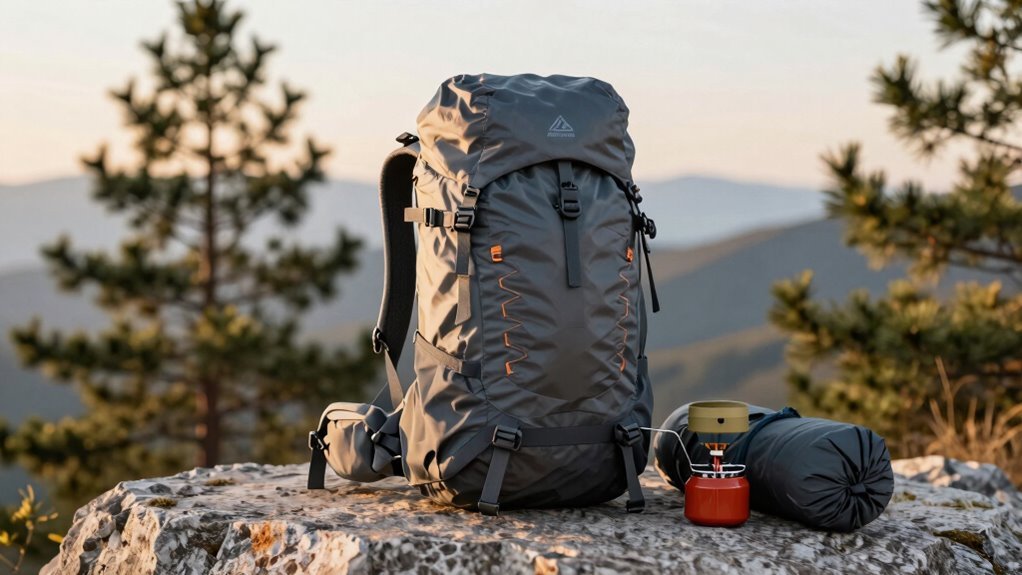
You’ll want to pick a backpack that matches your trip length—30-50 liters for weekends, 50-70+ for longer hauls—while making sure it fits your torso (measure from C7 vertebra to iliac crest, yeah, it sounds clinical, but it works). Comfort’s key, so look for padded hip belts that carry 80% of the load and shoulder straps that don’t dig in—because blisters aren’t a style choice. And hey, is a slightly heavier pack worth better weather resistance and frame support, or are you betting on dry trails and luck?
Capacity and Volume
Ever wonder why your pack felt either too empty or impossibly stuffed on past trips? That’s likely because you’ve been working with the wrong capacity—most multi-day backpacking trips need between 45 and 65 liters, depending on your gear and goals.
For 3–5 day adventures, you’ll usually hit the sweet spot with a 50–60 L pack—it’s roomy enough for essentials (sleeping bag, shelter, food) without encouraging unnecessary bulk. If you’re heading into colder climates—with puffy jackets, thick sleeping bags, or snow gear—a 60–65 L pack gives you the extra space you’ll actually use.
Minimalists or those on shorter trips might prefer 45–50 L, cutting pack weight and forcing smarter packing. Look for a model with a dedicated sleeping bag compartment or internal divider; it helps you organize gear efficiently and actually use every cubic inch.
Overpacking? Underpacking? Neither’s ideal—get the volume right, and you’re already one step ahead.
Fit and Torso Adjustment
Why does your pack feel like it’s fighting you after just a few miles? Because if the torso length’s off—even by an inch—the weight pulls wrong, and your hips won’t carry the load where it belongs.
You’ve gotta measure from your C7 vertebra to the uptake of your iliac crest, then match that to the pack’s adjustable range (most offer 4–6 size options). Look for packs with movable yokes or internal frames that let you shift the shoulder straps and hip belt up or down—this isn’t just comfort, it’s efficient load transfer.
A well-placed hip belt should sit snug on your iliac crests, not your stomach, so weight stays off your shoulders. Don’t skip the load-lifter straps or back-panel tweaks; they dial in how close the pack rides your spine.
Get this right, and you’ll hike farther with less fatigue—promise.
Comfort and Support
A properly fitted torso sets the foundation, but comfort and support keep you moving when the trail turns steep and the miles add up. You’ll want padded, S-shaped shoulder straps—they contour to your body and, combined with a chest strap, distribute weight across your upper torso (about 20–30% of the load), reducing fatigue.
A sturdy hip belt is non-negotiable—it transfers up to 80% of the pack’s weight to your hips, where you’re biomechanically built to carry it. Look for a lumbar pad that’s durable yet flexible, offering lower-back support without restricting movement.
Ventilated back panels with molded channels and breathable mesh (like 3D spacer fabric) allow airflow, cutting heat buildup by nearly 40% on hot climbs. An adjustable suspension system lets you fine-tune tension, maintaining upright posture—because no, slouching for three miles isn’t part of the adventure.
Weight and Portability
How much does your pack really need to weigh when every ounce counts on a long ascent? You’ll want something light—mid-sized packs (50–60 liters) typically clock in at 1.8 to 2.1 pounds, striking a smart balance between durability and ease.
If you’re aiming for ultralight adventures, some packs dip to just 4 ounces and collapse into your pocket when not in use, though they trade off structure and support. For beginners eyeing travel, picking a pack under 25 inches long and 8–9 inches deep helps it slide easily into airline limits, avoiding checked baggage fees.
Even roomier models stay portable thanks to streamlined profiles and thoughtful design. Sure, a lighter pack feels great on your back, but don’t ignore how it packs down—especially if you’re squeezing it under a seat or into a crowded car.
Portability isn’t just weight; it’s fit, foldability, and hassle-free movement from trailhead to terminal.
Weather Resistance
You’ve trimmed the weight and streamlined the shape—now let’s talk about what happens when the sky opens up mid-trail. You’ll want a pack with water-resistant materials like nylon or polyester ripstop, which shrug off light to moderate rain—especially when seams are reinforced or sealed.
Look for tight, premium YKK zippers (they resist leaks better) and weather-sealed seams, since those entry points are weak spots. Many beginner-friendly packs come with a built-in rain cover; it’s not foolproof, but it’s better than nothing when the downpour hits unexpectedly.
For extra safety, a dedicated bottom cover helps keep your sleeping gear dry if you set the pack down on wet rock or mud. In truly rugged conditions, consider models with water-resistant coatings and added features like wind flaps or protective panels—because let’s be honest, “water-resistant” doesn’t mean “swim-proof,” but it sure beats soggy socks and a ruined sleeping bag.
Storage Organization
Keeping your gear sorted on the trail means never digging through a backpack like it’s a black hole at 8,000 feet—so go for a pack with a cavernous main compartment (ideally 40–60 liters for beginners). This gives you ample space while still being manageable for new hikers.
Intelligently placed pockets are essential because, let’s face it, who hasn’t spent ten minutes hunting for snacks mid-hike? Separate sections like a zipped bottom compartment or a wet/dry liner help keep odors and moisture away from clean gear.
A dedicated shoe sack or external gear loop keeps grime out of your main compartment. Compression straps also help stabilize your load, preventing shifting on steep or uneven terrain.
Multiple zippered pockets—on the sides, hip belt, and front—allow quick access to essentials like sunscreen or maps. You won’t need to unpack everything just to find a small item.
Don’t overlook an internal sleeve for your hydration bladder, along with a hose exit port. This setup lets you stay hydrated without fumbling at trailheads or during water crossings.
Smart storage isn’t just convenient—it’s a trail necessity. Organized access and clean separation make all the difference on longer hikes.
Ventilation and Airflow
A sweaty back and a stuffy pack don’t make ideal trail companions—so look for backpacks with ventilated back panels that use breathable mesh overlays and sponge padding (usually 10–20mm thick) to create a microclimate between you and your load.
You’ll want ventilation channels or molded air gaps running vertically along the spine, since they minimize contact with sweat-prone areas and let moisture evaporate faster—especially during long, steep climbs in hot weather.
Full-contact suspension systems might seem cozy, but don’t they defeat the purpose when you’re dripping after just an hour? Instead, opt for designs with internal or external airflow pathways that funnel cooling breezes from hip belt to shoulders.
Wider, padded straps aren’t just for comfort—they also lift the pack slightly, letting air circulate. Lightweight mesh linings boost breathability without adding weight, making them smart picks for multi-day hikes where staying dry matters almost as much as staying steady.
Durability and Materials
Just because your back stays cool doesn’t mean your pack can afford to be flimsy—after all, no amount of airflow will save you when a strap snaps halfway up a trail or a seam splits during a downpour. You need ripstop nylon or polyester; these materials resist tears and abrasions, especially when you’re brushing through rocky trails or loading heavy gear.
Look for water-resistant coatings or fully waterproof fabrics—they’ll protect your sleeping bag during sudden storms and extend your pack’s life by preventing mold and fabric breakdown. Even lightweight models use thin nylon blends that cut weight (some under 4 lbs) without ditching strength.
Reinforced stitching and extra strap anchoring points? Non-negotiable—they handle stress where the load’s heaviest. And honestly, would you trust a pack without a built-in rain cover or sealed zippers?
These features keep moisture out and reduce long-term wear. Durability isn’t luck—it’s smart materials, smart design, and yes, a little peace of mind when the weather turns.
Frequently Asked Questions
How Do I Clean My Backpack After a Muddy Hike?
You rinse off mud with a hose, then wipe dirty spots with a damp cloth and mild soap. You don’t machine wash it—just scrub gently, rinse, and let it air dry completely before storing.
Can I Bring My Backpack on a Plane as Carry-On?
Yes, you can bring your backpack on a plane as carry-on—if it fits the airline’s size limits. Think of it like boarding a packed subway: I once squeezed my loaded pack into the overhead bin, just like commuters wedge in during rush hour, but always check measurements first.
Are Backpacks With Wheels Suitable for Trail Hiking?
No, you can’t use wheeled backpacks on trails—they’re clumsy on rough terrain. You’ll struggle with rocks, roots, and steep paths. Stick to traditional backpacks; they fit better, carry easier, and actually work when you’re hiking off pavement.
What Is the Average Lifespan of a Hiking Backpack?
You can expect your hiking backpack to last 5–10 years if you use and care for it regularly. Tough materials and proper cleaning keep it going longer, especially when you’re hitting trails often and storing it right after each trip.
Should I Pack Heavy Items at the Top or Bottom?
Put heavy items low, keep balance close, maintain control easily. You’ll hike smoother, avoid strain, reduce fatigue faster. Pack smart—center weight near your back, stabilize load, move confidently. You’ve got this—organize well, hike longer, enjoy every step without struggle.
Conclusion
You’ve got options—but here’s a kicker: 68% of beginners pick packs too small, then overstuff them, wrecking posture in under three miles. These five? They balance 50–60 liters with hip-first suspension, so you’re not lugging weight on your shoulders by mile five. Tough fabrics (420D nylon, Teton Tough), ventilated backs, and hydration sleeves mean you’re covered—from drizzle to desert hikes—without paying premium prices. Is “good enough” really enough? Probably, at least until you’re logging 30-mile weeks.