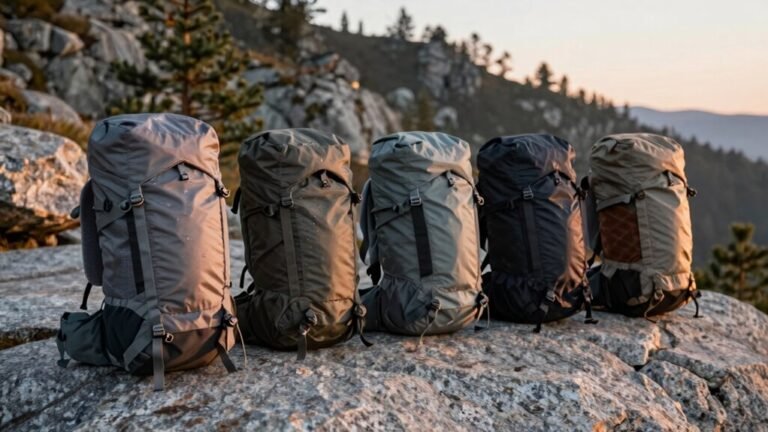
How to Pack a Backpack for Balance
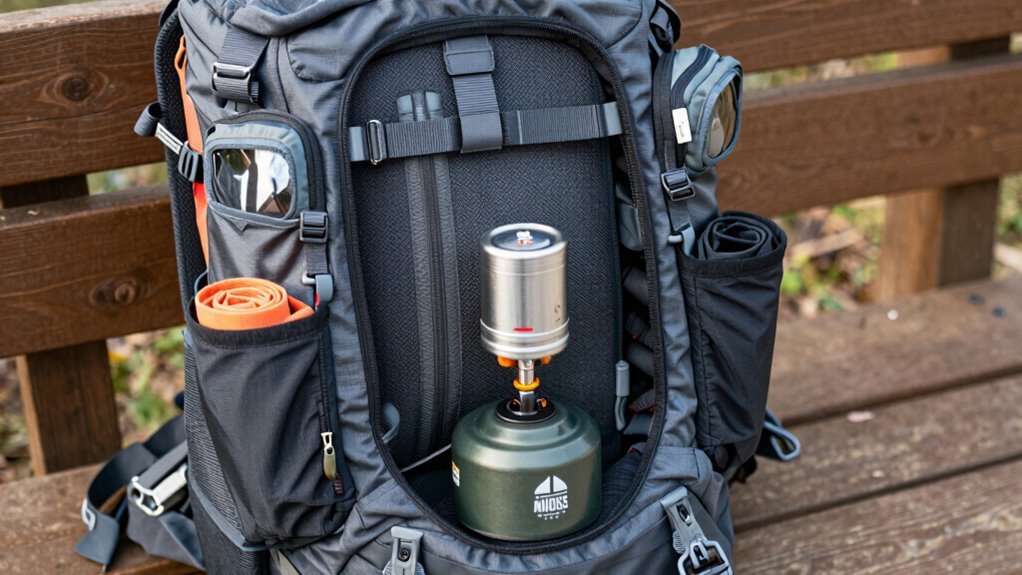
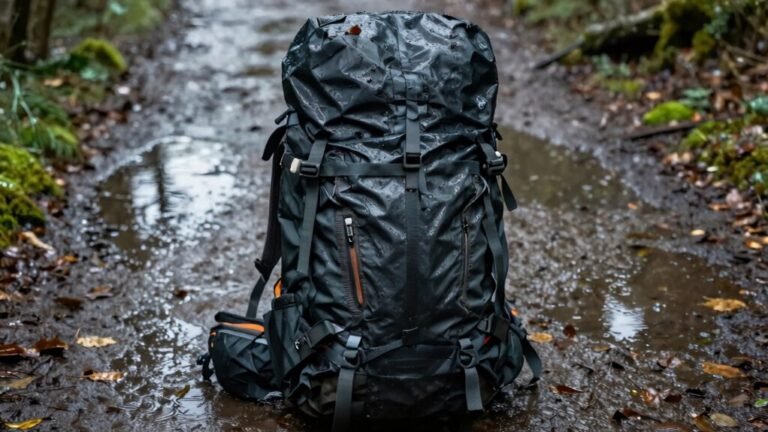
To pack a backpack for balance, start by placing heavy items like books or food snug against your back in the middle. This keeps your center of gravity stable and prevents you from leaning forward awkwardly.
Layer lighter gear around the heavier items to maintain balance and protect delicate contents. Place soft items, like clothes, at the bottom for added spine comfort during long carries.
Use pockets efficiently by keeping essentials such as snacks and sunscreen in easy-to-reach spots. Distribute weight evenly on both sides of the pack, like balancing a seesaw, to avoid strain.
Finally, tighten the load with compression straps and adjust shoulder and hip belts for a secure fit. Packing a backpack for balance not only improves comfort but also makes your load feel lighter on the trail.
Position Heavy Items Close to Your Back
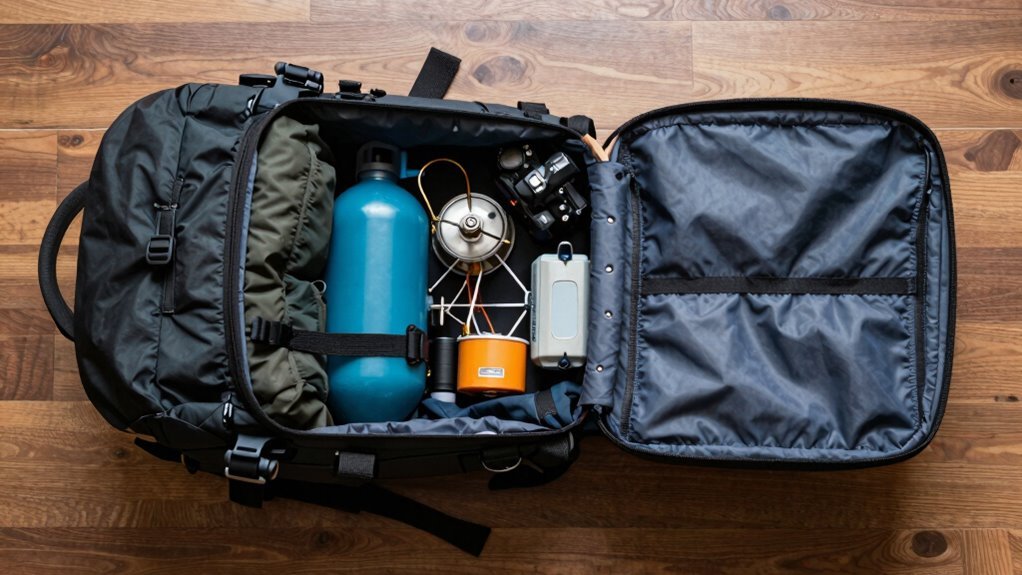
Toss those heavy books right into the back—literally!
Placing them close to your spine keeps your center of gravity balanced and stops you from leaning way forward.
You’re not a turtle carrying its house on its back, so don’t let your backpack pull you around!
Keeping weight near your back reduces strain on your lower spine and helps you walk steadily, without wobbling like a penguin.
It also prevents your posture from slipping into weird, unhealthy curves over time.
Load up the rear center compartment with textbooks and notebooks—those are your anchors.
Secure them so they won’t shift, and keep the pack snug.
Your lumbar muscles will thank you, especially if you’re lugging more than 10% of your body weight.
Exceeding this 10% body weight threshold can lead to chronic spinal strain and postural misalignment.
Trust us, your back’s happiest when the heavy stuff stays tight and close—no awkward hunching or lopsided swagger!
Layer Gear by Weight and Frequency of Use
Now that you’ve anchored your backpack with heavy items snug against your back, it’s time to build around that foundation like a pro packer.
Start by tucking your sleeping bag or other bulky, light gear at the bottom—think of it as fluffy padding for your spine.
Stack soft clothes like pants or a hoodie underneath to cushion your lower back.
Then, layer in medium-weight gear like thicker jackets or your sleeping pad, surrounding the heavy core to keep everything snug.
This mid-layer should carry most of the weight, balanced from waist to shoulders.
Keep lighter stuff like your puffy jacket toward the top, just don’t go full marshmallow monster—no wobbling!
Pack symmetrically so you don’t lean like a tipsy hiker.
And hey, if your pack starts doing the cha-cha on one hip, blame the lopsided layers—not your balance!
A stable pack prevents shifting during tough terrain, so position and layer items to minimize internal movement.
Keep Frequently Needed Items Accessible
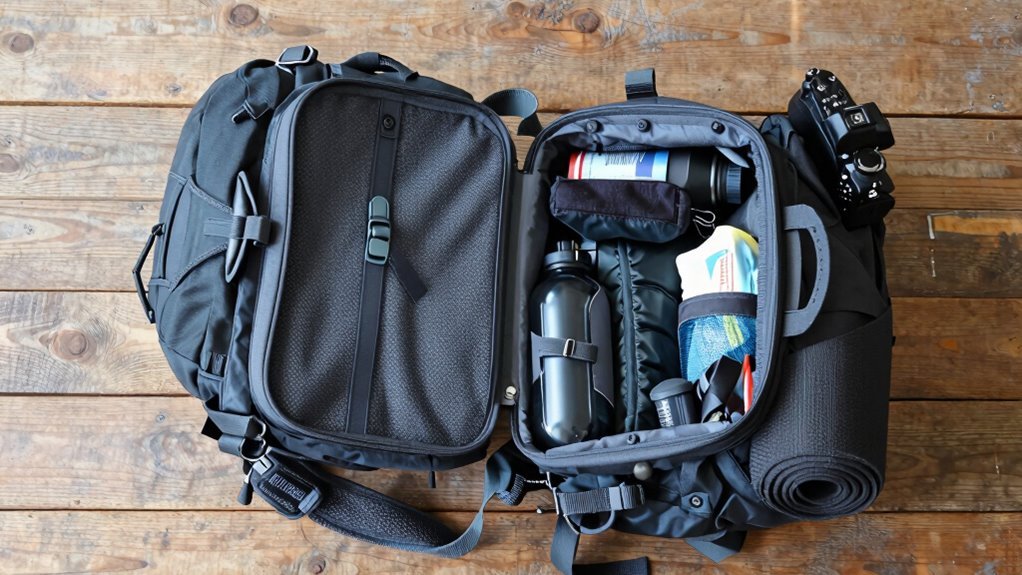
Reach for what you need without unpacking your whole life—smart placement turns your backpack into a trailside butler.
Slide energy bars and lip balm into hip belt pockets so you’re never caught hungrily licking dry lips mid-hike.
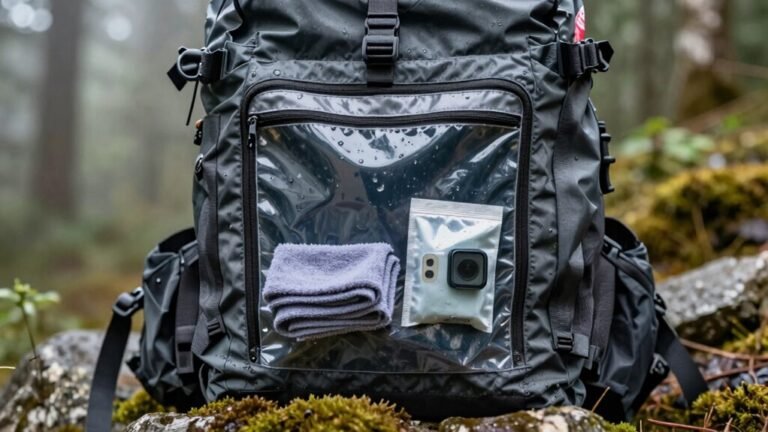
Keep your phone, sunscreen, and bug spray handy—because no one likes digging during a downpour or mosquito ambush.
Tuck your rain cover and jacket in front or top pockets for quick grabs when skies turn dramatic.
Put your map, headlamp, and sunglasses in side slots so they’re there when you need them, not buried like lost treasure.
Store the trowel, toilet paper, and hand sanitizer up top—because bathroom breaks wait for no one.
Attach trekking poles to the outside for easy on-off action.
Hip pockets carry small essentials securely and keep them within reach thanks to 80% weight on hips.
With everything you need within reach, you’ll move smoothly, stay prepared, and keep the adventure fun, not fussy.
Balance Weight Side to Side
Think of your backpack as a fussy seesaw that hates being lopsided—keep it even, and you’ll walk smooth, strong, and sane.
You want balance side to side, not a tug-of-war across your hips.
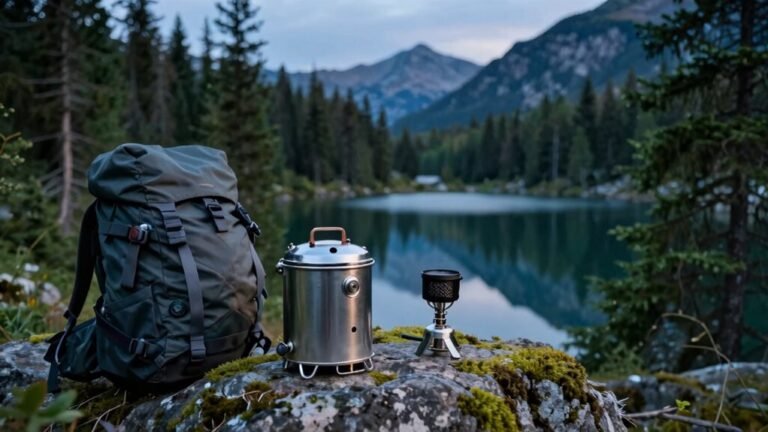
Load heavy stuff like food and fuel bottles close to your back and centered, not slung to one side.
If you stash a water bottle in one pocket, do the same on the other—twin bottles keep things fair.
Avoid cramming all your dense gear on one flank; spread it out, baby!
Use soft items like clothes to fill empty corners and keep things from sliding around like a sack of angry cats.
A stable load won’t wiggle or twist with every step.
Treat your pack like a puzzle—every piece has a place, and symmetry wins.
When both sides carry equal weight, your shoulders stay happy, your spine stays quiet, and your hike stays joyful.
Nobody likes a lopsided adventure!
Use Compression Straps to Secure the Load
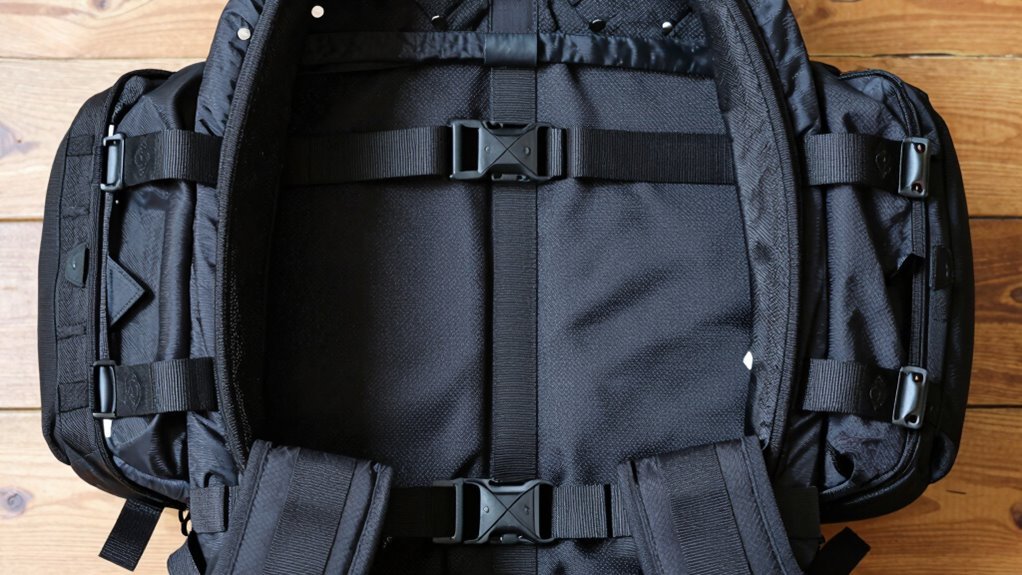
Tighten those straps and feel the difference—one good pull can turn a wobbly mess into a sleek, steady companion.
You’ll love how compression straps lock down your gear, stopping it from shifting and bouncing around like a rogue basketball.
They squash bulk by up to 55%, making your pack firm, tidy, and way easier to carry.
Need to stash a sleeping bag or snowshoes?
Use the side or front straps—bulky items stay secure without blocking your water bottle pockets.
By hugging the load close to your back, these straps keep weight centered, so you’re not leaning forward like a confused penguin.
You’ll stand taller, hike longer, and strain less—your shoulders and spine will thank you.
It’s not magic, but it’s close.
Give those straps a yank, and boom: balanced, stable, and ready to roll.
Adjust for Stability Before You Move
Now that you’ve cinched everything down with those handy compression straps and turned your wobbly load into a tidy, compact bundle, it’s time to get personal with your pack—literally.
Start by fastening your hip belt first—lock it snugly on your hip bones, not your waist or groin, so 80–90% of the weight lands right where it should.
Next, adjust the shoulder straps: hug your shoulders without digging in, closing any gaps while avoiding neck or underarm pressure.
Then, zip in the load lifters at a 45-degree angle—pulling the pack closer to your back for better balance.
Don’t forget the sternum strap; sit it just below your collarbone to keep shoulders stable.
Tweak side or top stabilizers as needed, and boom—you’re not just packed, you’re trail-ready, feeling like a hiking unicorn: balanced, smooth, and pain-free.
Frequently Asked Questions
How Heavy Should My Loaded Backpack Be?
Your loaded backpack should weigh no more than 10% of your body weight for day hikes, or 20% for multi-day trips—so if you’re 150 pounds, that’s 15 or 30 pounds max.
Lighter packs feel way better on tough trails, trust me.
You’ll hike faster, tire slower, and actually enjoy the view instead of wheezing like a asthmatic donkey.
Aim lighter when you can—your back will thank you later!
Should I Pack Rain Gear for Every Hike?
You should pack rain gear for every hike—trust us, getting soaked stinks.
A lightweight jacket’s cheap insurance against surprise storms, especially in rainy zones like the Pacific Northwest or high mountains.
Toss in pants if cold, wet forecasts loom.
They’re bulky, yeah, but way better than shivering in soggy jeans.
Stay dry, stay safe, and keep grinning like a goofball under that hood!
Can a Poorly Packed Backpack Cause Back Pain?
Yeah, a poorly packed backpack can definitely cause back pain.
You’re asking for trouble if you stuff it all willy-nilly—weight ends up in the wrong places, making your spine work overtime.
Heavy loads pull you backward, so you lean forward like a confused turtle.
That strain? It leads to aching shoulders, stiff necks, and even nerve issues.
Pack smart, feel great—your back will thank you!
Do Hydration Bladders Affect Backpack Balance?
Oh, *of course* hydration bladders affect balance—because carrying water isn’t already tricky, right?
You toss that full bladder high, and suddenly you’re a backpacking superhero with weight glued to your spine.
It stabilizes you, yeah, but overfill it and boom—you’re top-heavy like a wobbly penguin.
Drain it? Smoother than a yoga pose.
Play with water levels, feel the shift, and hey, dancing down the trail never felt so balanced.
Is It Okay to Pack Food at the Bottom?
Yeah, it’s totally fine to pack food at the bottom—actually, it’s a smart move!
You’ll keep your center of gravity low, which makes hiking way easier on rough trails.
Just tuck those heavy cans and dense grains down low, and they’ll settle nicely, reducing wobble.
Think of it like building a sandcastle: solid base, lighter stuff on top.
Your back’ll thank you later—no wobbly, tip-prone pack!
Conclusion
You’ve got this—packing smart is like conducting your own little symphony, with every item playing its perfect note. Keep heavy gear close, balance side to side, and use straps to tidy things up. Toss in what you’ll need often up top, and adjust before you step out. A well-packed backpack shouldn’t wobble like a tipsy penguin—it should move with you, smooth and steady, ready for adventure!
References
- https://pmc.ncbi.nlm.nih.gov/articles/PMC9180465/
- https://tctecinnovation.com/blogs/daily-blog/backpack-over-10-bodyweight-harms-spine-know-why
- https://pmc.ncbi.nlm.nih.gov/articles/PMC8318162/
- https://uihc.org/health-topics/your-backpack-too-heavy
- https://www.brownhealth.org/be-well/how-pack-backpack-right-light-and-tight
- https://www.chla.org/blog/advice-experts/your-childs-backpack-too-heavy
- https://www.uab.edu/news/news-you-can-use/lighten-the-load-preventing-backpack-injuries-this-school-year
- https://jetboilnz.co.nz/blogs/news/how-to-pack-a-backpack-for-backpacking-trips
- https://www.youtube.com/watch?v=u2weHhTSw3s
- https://andrewskurka.com/how-to-pack-a-backpack-load-distribution-organization-canisters-video/