How to Avoid Chafing on Long Hikes
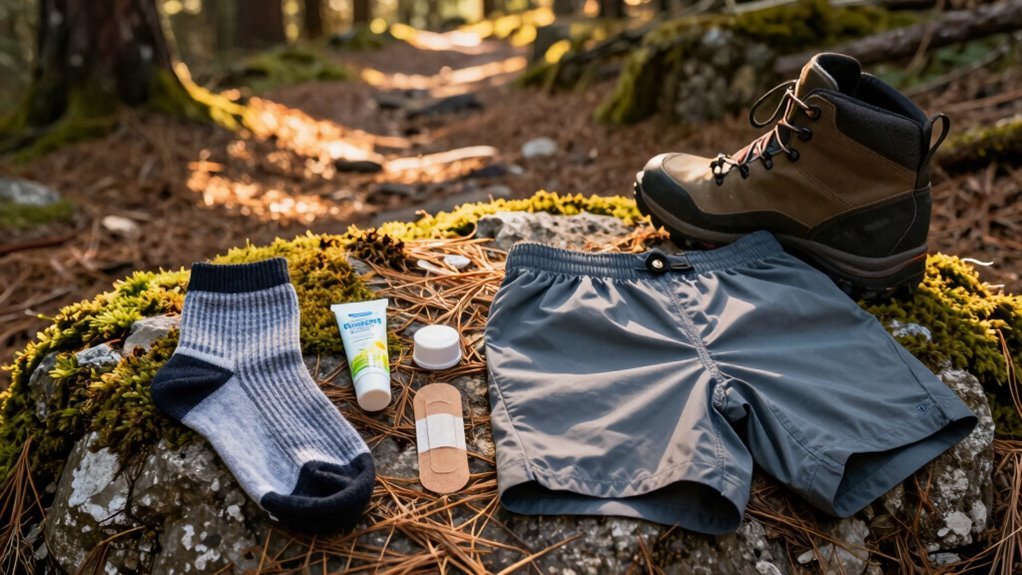
To avoid chafing on long hikes, always ditch cotton and opt for moisture-wicking gear that stays smooth against your skin. Seamless socks, base layers, and underwear are essential for reducing friction and keeping you comfortable mile after mile.
Apply Body Glide or a sunscreen stick to common hot spots like thighs and underarms before starting your hike. Keeping these areas lubricated helps prevent irritation and protects sensitive skin.
Stay dry by taking short breaks to air out sweaty areas and changing into dry clothes if needed. Hydrate well throughout the day to support skin health and catch early signs of chafing before they worsen.
Treat problem spots promptly with zinc oxide or protective tape to stop chafing from getting worse. With the right prep and awareness, you can enjoy long hikes without chub rub or discomfort.
Choose Moisture-Wicking, Seamless Clothing
You’ll love how good it feels to skip the cotton and go straight for gear that’s got your back—literally.
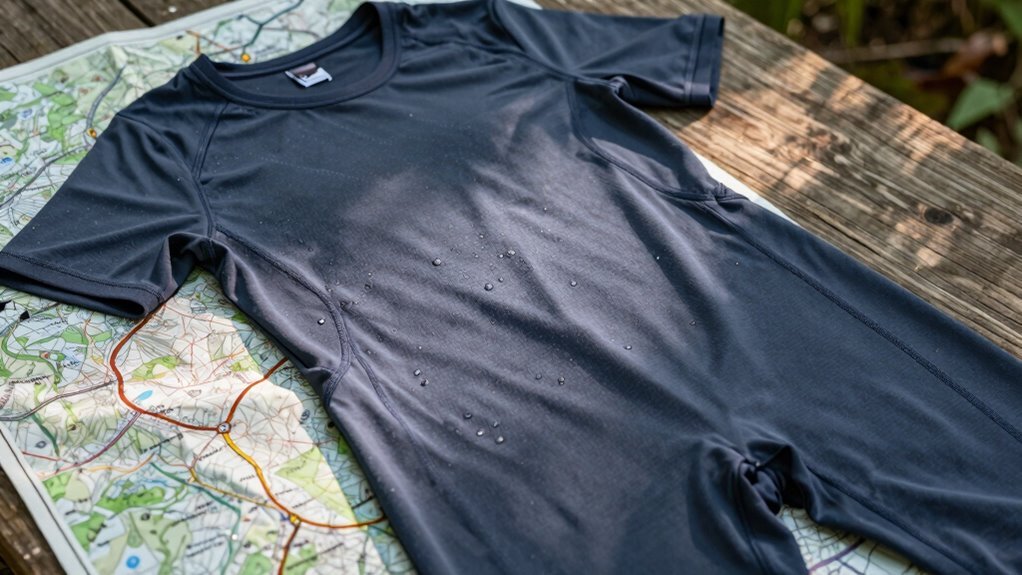
Ditch the chafing blues by wearing moisture-wicking clothes that pull sweat away fast, keeping you cool and dry.
Polyester moves sweat 50% quicker than cotton, so you stay comfortable longer.
These fabrics dry fast, breathe easy, and actually work *with* your body—like a high-five for your skin.
Seamless designs? Even better. No stitches mean no rub, no rash, just smooth sailing on tough trails.
They hug you right without pinching, especially where it matters—think socks, base layers, and underwear.
Pair that with breathable airflow and lightweight feel, and you’ve got hiking armor.
Trust us, your thighs will thank you when you’re miles in and still feeling fresh.
Moisture-wicking fabrics also help prevent overheating by efficiently managing sweat, keeping your body at a safer temperature during intense activity (overheating prevention).
Skip the swamp, not the hike—your skin’s in for a treat!
Apply Anti-Chafe Products Before Hiking
Slipping into your hiking boots with a slick of anti-chafe balm already in place? Smart move.
Apply products like Body Glide or Gold Bond Friction Defense before hitting the trail—just a dab on thighs, feet, armpits, or even nipples prevents painful rub.
These spots sweat, move, and chafe fast, but a quick morning layer keeps you smooth all day.
Most sticks last 8+ hours, so no mid-hike fuss.
Love petroleum? Try Vaseline or Trail Toes for heavy-duty slickness.
Prefer lighter, breathable barriers? Silicone or zinc oxide options like Desitin block moisture without clogging skin.
Even Neosporin helps by killing chafe-causing bacteria.
Salty Britches and Gurney Goo offer thick, trail-tough protection with a splash of minty freshness.
Test a few—your skin’s pick might surprise you.
With the right balm, you’ll hike longer, laugh louder, and ditch the ouch.
Wear Properly Fitted Hiking Gear
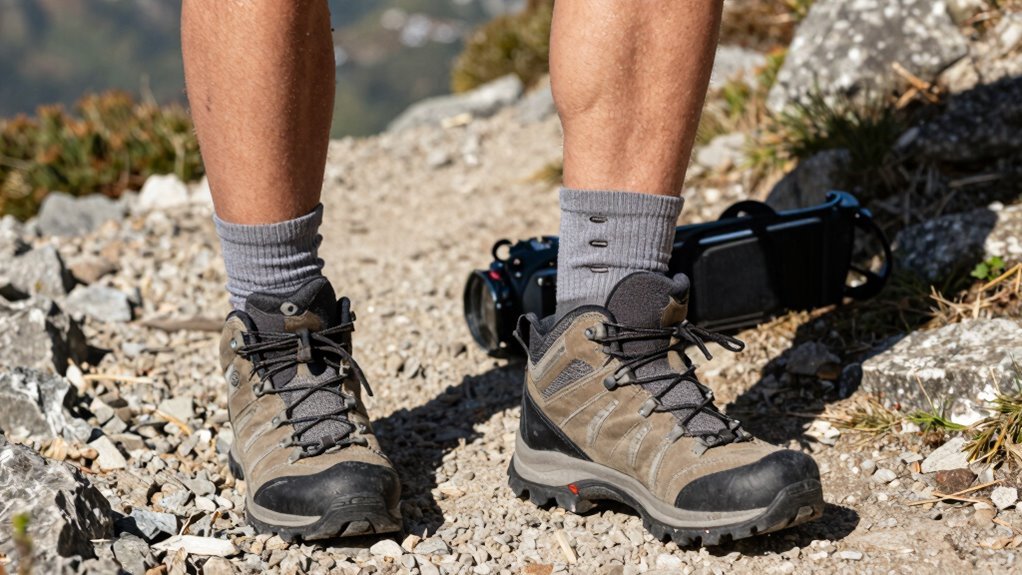
- Pick snug, stretchy clothing that moves freely
- Choose seamless, tagless base layers to stop rub spots
- Secure backpack straps so they don’t bounce with every step
Moisture-wicking fabrics help keep skin dry and reduce friction, especially in high-heat areas like the underarms and inner thighs, where moisture-related chafing is most likely to occur.
Your skin will thank you—and so will your sense of humor when you’re not constantly adjusting gear like a nervous tick.
Keep Skin Dry With Strategic Layering
Most times, staying dry on the trail boils down to one smart move: dressing in layers that work together like a well-rehearsed team.
Start with a moisture-wicking base layer—synthetic or wool, never cotton—that hugs your skin and pulls sweat away fast.
Add a breathable midlayer, like fleece or wool, to trap heat but let vapor escape, especially when you zip and unzip to control temp.
Compression gear? They’re your friction-fighting heroes, hugging thighs and joints to stop rub before it starts.
Swap out cotton socks for synthetic or wool ones, and consider liner shorts or moisture-managing underwear.
When it gets steamy, don’t just suffer—peel off a layer before sweat pools.
Think of your outfit as a smart, breathable system, not just clothes.
Stay cool, stay dry, and keep hiking like the trail’s cheering you on!
Use Lubricants on High-Risk Areas
Rubbing the wrong way? You’re not alone—friction’s the enemy on long hikes, but you’ve got moves to stop it.
Hit those high-risk zones with lubricants before you hit the trail, and keep them happy all day.
Think of it as greasing the wheels (but on your skin).
- Slather on salves like BodyGlide or Gurney Goo at hot spots—inner thighs, underarms, nipples, butt cheeks—because nobody wants a raw regret.
- Use 2Toms SportShield or petroleum jelly for a slick, sweatproof barrier that lasts, especially where seams nag or sweat pools.
- Reapply mid-hike if you’re hours in—friction waits for no one, but you can stay ahead with a quick refresh.
Prep clean, dry skin, and don’t skimp—lubrication’s your slip ‘n slide to comfort.
Your skin will thank you with zero burn, no drama, just smooth strides.
Prevent Blisters With the Right Socks
You’ve got one mission when your boots hit the trail: keep your feet happy, and that starts with the right socks.
Ditch cotton—it’s a moisture magnet and blister bait.
Instead, grab wool or synthetic blends that wick sweat and keep things dry.
Wet socks boost blister risk nearly twofold, no matter the material, so change them mid-hike to stay fresh.
Think of liner socks as your foot’s secret shield—they reduce friction and trap less moisture, especially when paired with a tougher outer sock.
Toe socks? Game-changer.
They stop toes from rubbing together, a top blister hotspot.
Plus, they keep grit out and airflow in.
Make sure your socks fit snugly—no wrinkles or tight bands—to avoid pressure points.
And hey, if your dog can hike barefoot, you’ve got no excuse not to gear up right.
Your feet will thank you—blister-free and ready for miles.
Take Breaks to Air Out Problem Zones
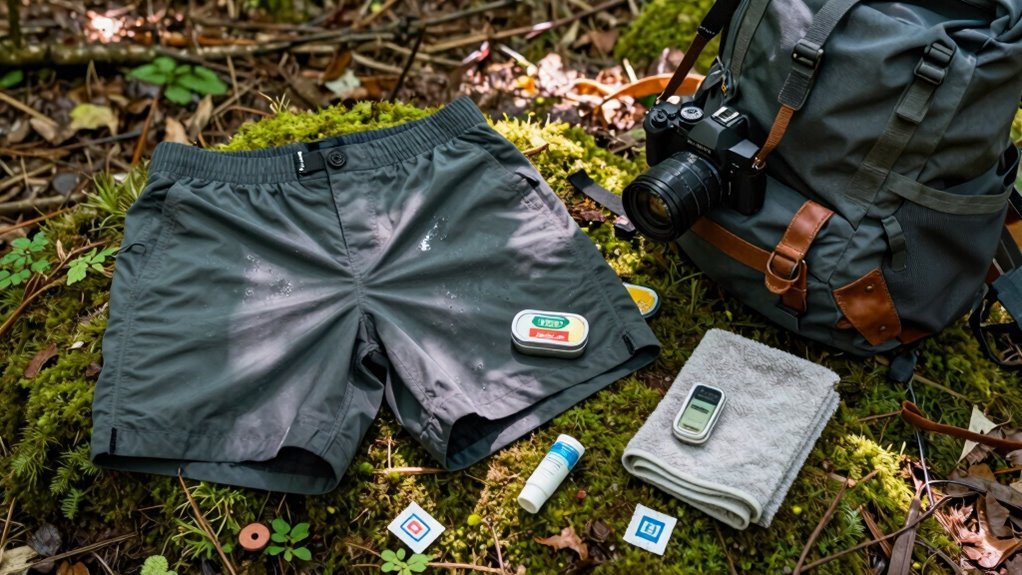
- Lift your shirt, unclip straps, and let breeze hit hot zones like thighs and armpits
- Pat dry with a quick-dry towel or bandana, then reapply a dab of anti-chafing balm
- Adjust clothing: loosen straps, straighten seams, and banish fabric bunching with a quick tug
Stay cool, stay dry, and keep friction from crashing your adventure like an uninvited trail beast.
Your skin will thank you—no dramatics, just happy hiking.
Stay Hydrated to Maintain Skin Resilience
Keeping your skin happy on the trail starts from the inside out, and hydration’s the real MVP when it comes to avoiding chafing disasters.
You’re sweating buckets, but your skin still needs moisture—go figure!
Drink water before, during, and after hiking to keep cells plump and resilient.
Skimping leads to dry, tight skin that cracks under pressure (and friction).
And nobody wants that drama mid-trail.
Toss in electrolytes too—sodium, potassium, magnesium—to balance what sweat steals.
High altitudes? Dry air zaps moisture fast, so sip more, not less.
Your feet, especially the soles and heels, hold onto water like tiny sponges; if they’re too wet or too dry, blisters love that.
Stay smart: carry a bottle, take gulps often, and outsmart chafe before it strikes.
Hydrated skin = happy hikes.
Bottoms up!
Treat Early Signs of Chafing Immediately
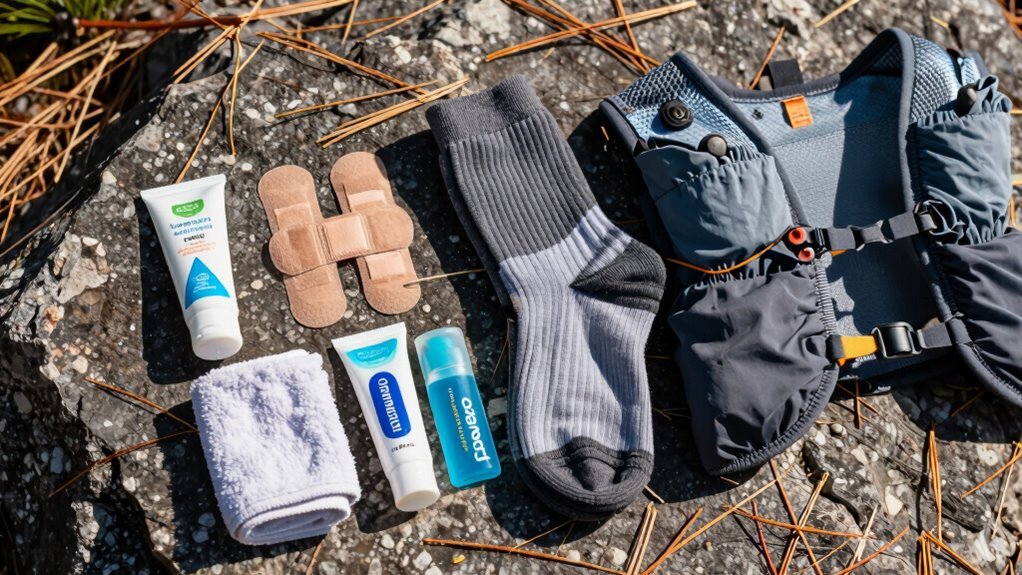
When that first weird rub or warm spot shows up on your skin, don’t brush it off like it’s just part of the adventure—because guess what? It’s your body screaming, “Help me before things get ugly!” Ignoring it’s like pouring gasoline on a campfire. Stop now, not later, and treat it like the emergency it is. A little attention now saves you from a painful, wince-with-every-step disaster.
- Apply a protective barrier like anti-chafe balm or Vaseline to soothe and shield the spot
- Cover the area with moleskin or tape to stop friction dead in its tracks
- Keep moving only after you’ve cleaned (if possible) and protected the zone
Catch it early, fix it fast, and hike on like a chafe-fighting hero—because nobody hikes for the blisters.
Pack a Chafe Prevention Repair Kit
Slip a chafe prevention repair kit into your pack and turn potential skin disasters into a non-issue—because let’s be real, nobody hikes to feel like they’re losing a battle with their thigh.
Toss in a Body Glide stick or Chamois Butt’r—it won’t melt and glides on smooth.
Add GurneyGoo for its tea tree kick or a squeeze of zinc oxide cream to calm angry skin.
A tiny anti-chafe powder like Gold Bond or Anti Monkeybutt keeps sweat from turning walks into war zones.
Pack synthetic undies or compression shorts—they wick moisture and stay put.
Toss in KT Tape for instant skin lockdown and wool bundles like Wool-It to wick hotspots.
A dab of Piñon Balm soothes, while Tenacious Tape saves gear seams rubbing you raw.
You’ve got this—no chub rub, no drama, just trail bliss.
Frequently Asked Questions
Can Chafing Occur Even With Anti-Chafe Products?
Yeah, chafing can still sneak up on you even with anti-chafe products.
Sweat washes some away, sand grinds through others, and your body might just shrug them off after a few miles.
Thick goos need constant reapplying, and some creams lose punch when rubbed in.
Dirt, sticky fabric, or even your awesome new muscles can team up against the balm.
It’s like your skin’s throwing a rebellion—ugh, trail life!
Is Chafing More Common in Humid or Dry Climates?
Yeah, chafing’s way more common in humid climates—heat and sweat team up to soften your skin, making it way easier to rub raw.
You’re basically hiking in a steam room, and damp skin? It’s like sandpaper city.
Dry climates keep things crisp, so friction’s less intense.
Humidity traps moisture, you stay soggy, and boom—ouch city.
Pack anti-chafe cream, moisture-wicking clothes, and laugh your way through the sticky struggle!
Can Body Weight Affect Chafing Risk During Hikes?
Yeah, your body weight can tweak chafing risk, especially if you’ve got more thigh rub when you walk.
Heavier legs might touch more, and when sweat joins the party, it turns every step into a tiny battle.
But hey, it’s not about size—it’s about smart prep.
Lubricate, wear smooth fabrics, and keep things dry.
You’ve got this, trail champ!
Do Gender Differences Influence Chafing Vulnerability?
Yeah, gender can play a role in chafing—your anatomy and gear fit matter more than you’d think.
Women often deal with backpack straps, hip belts, or seams rubbing sensitive areas, while men might battle inner thigh or groin friction.
Hormonal shifts and sweat patterns add to the mix.
But hey, it’s not a battle of the sexes—smart fabric choices, proper fit, and a dab of anti-chafe cream keep everyone hiking happy and rash-free.
Can Shaving Increase Chafing Likelihood on Long Hikes?
Yeah, shaving can actually make chafing worse on long hikes.
You’re better off keeping your natural hair—it helps reduce friction and wicks away sweat.
Without it, your skin rubs more, traps moisture, and gets irritated faster.
And hello, stubble? It’s like sandpaper when it grows back!
Skip the razor unless you’re strategically clearing a tiny spot for protection.
Your skin’ll thank you when you’re miles in!
Conclusion
You’ve got this—think of your skin as your adventure buddy, not your foe. Slap on that anti-chafe armor, let your gear breathe like a happy campfire, and take sneaky snack breaks to air things out. Stay slick, stay dry, stay laughing when the trail tries to rub you the wrong way. Chafing? Not today, Satan. Your feet may grumble, but your stride stays smooth—hello, glory miles!
References
- https://theoutdoorsoul.net/the-benefits-of-moisture-wicking-clothing-for-summer-hiking/
- https://thecambridgesockcompany.com/blogs/news/moisture-wicking
- https://obviouslyapparel.com/blogs/mens-underwear-blog/what-is-moisture-wicking-fabric
- https://store.voler.com/blogs/news/the-benefits-of-moisture-wicking-fabrics-in-hot-weather
- https://www.hotchillys.com/blogs/news/reasons-to-use-moisture-wicking-thermal-clothes
- https://www.rei.com/learn/expert-advice/how-to-choose-hiking-clothes.html
- https://red-equipment.co.uk/blogs/sup-life/benefits-of-moisture-wicking-clothing
- https://www.scuba.com/lists/moisture-wicking-t-shirts-for-hiking
- https://thetrailhunter.com/body-glide/
- https://www.treelinereview.com/gearreviews/best-chafing-cream