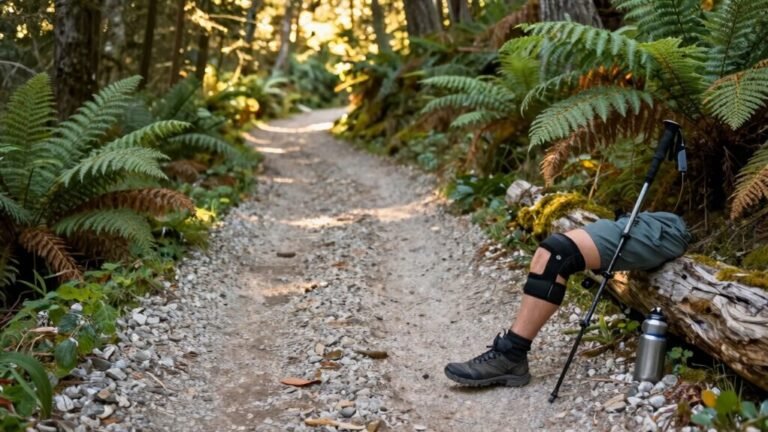
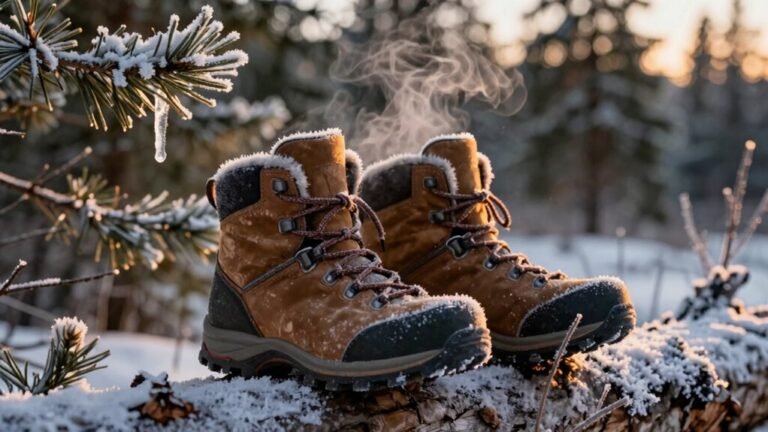
Blister Care Vs Boots: Which Should You Pick?
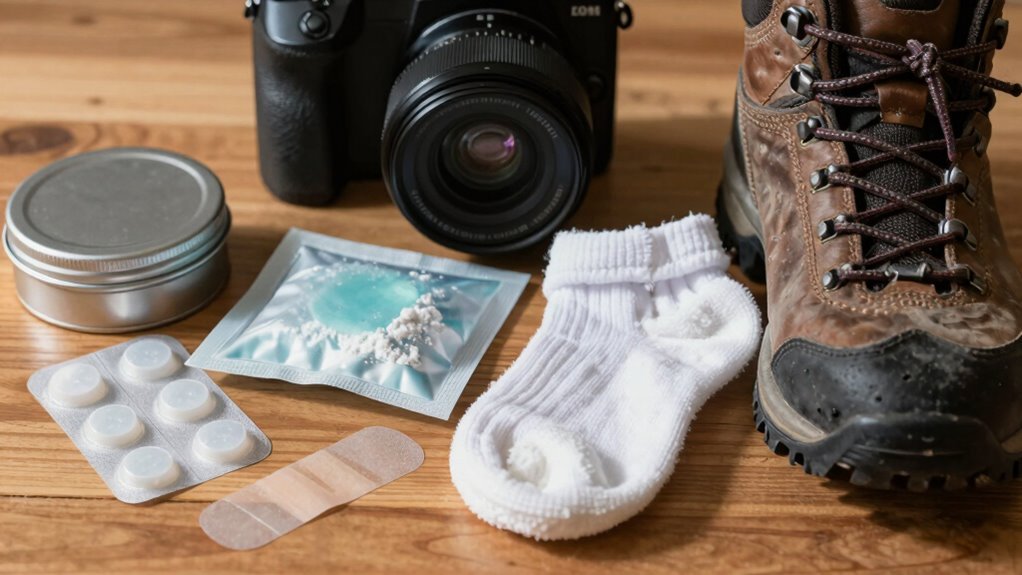
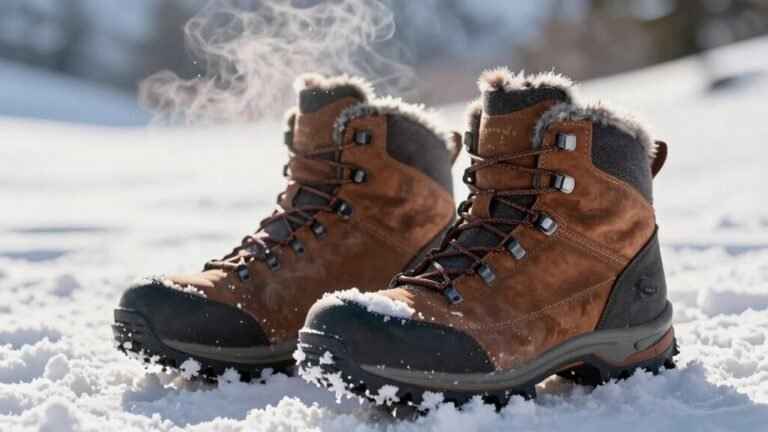
When it comes to blister care vs boots, the smarter choice is clear: prevention beats treatment. You’re better off stopping blisters before they start by choosing the right boots.
Proper footwear with a snug fit, moisture-wicking liners, and cushioned insoles cuts friction fast. These features are key in effective blister care, making boots your first line of defense.
Tapes and plasters help, but they’re backup singers, not the lead. Think prevention first, and your feet will thank you mile after mile.
Avoiding hotspots beats playing doctor later. Keep comfy, stay steady, and discover smarter ways to love your feet every step.
How Blisters Form and Why They Hurt
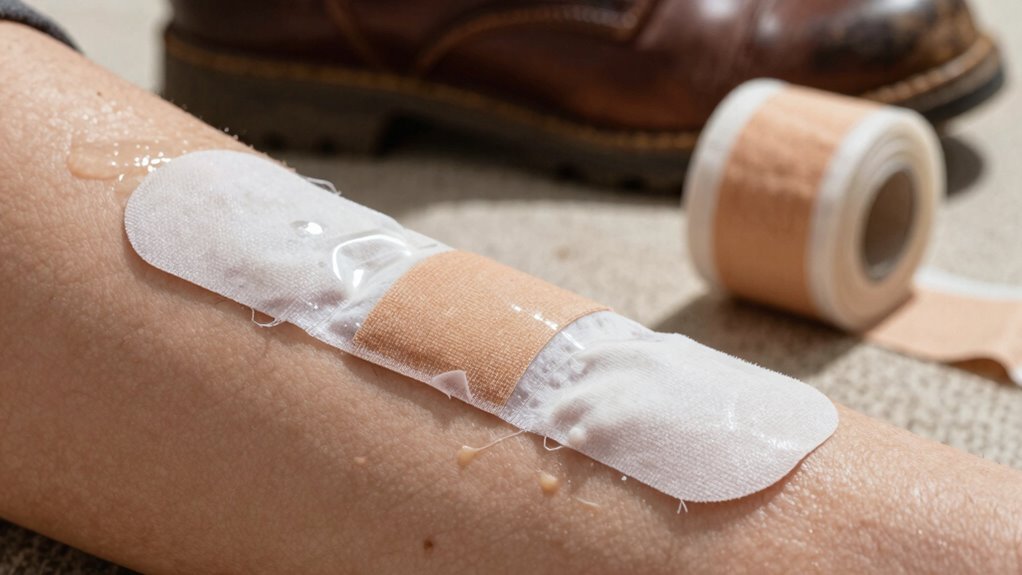
Rubbing your feet the wrong way? Boom—blisters form fast.
Friction pulls epidermal cells apart deep in your skin, especially on tough spots like your soles.
Moist skin? That’s worse—it grips more, increasing tear risk.
Dry or soaked? Slightly better, but still dice nab.
When you hike hard or wear stiff boots, each step adds cycles of damage.
Enough rubbing, and tiny layers split at the stratum spinosum—hello, fluid pocket!
That goo inside? Mostly plasma, calming and cushioning the hurt zone.
But pressure builds, nerves get cranky, and oof—ouch.
Shear forces irritate, fluid accumulates, and suddenly you’re limping like a cartoon character.
And if it pops? Double ouch.
Even your socks feel like sandpaper.
Blisters hurt not just because they’re there, but because your skin’s screaming, “Hey! We’re under pressure here!”
This protective fluid is part of the body’s defense, helping prevent deeper tissue damage by acting as a natural cushion.
The Science Behind Blister Care Products
Slip on the right gear, and you’re already winning the blister battle before the first mile marker.
You’ve got science on your side—products that reduce friction, manage moisture, and keep hot spots at bay.
Think of them as your foot’s pit crew, stepping in before trouble flares up.
And while some solutions are lab-tested, others rely on trail-tested trust.
A recent randomized controlled trial found RockTape performs similarly to traditional Elastikon for blister treatment in extreme conditions.
Here’s what’s working in real life:
- Tapes like 3M Micropore create a slick barrier, cutting friction where your shoe rubs hardest.
- Antiperspirants with aluminum chloride dial down sweat, keeping skin tough and less prone to tearing.
- Anti-chafe sticks like Body Glide smooth trouble zones, acting like butter on a hotpan—just for your feet.
You’re not just slapping stuff on randomly; you’re arming up with smart, proven tactics. And hey, if science can save your soles, why not let it?
Types of Blister Treatments Available
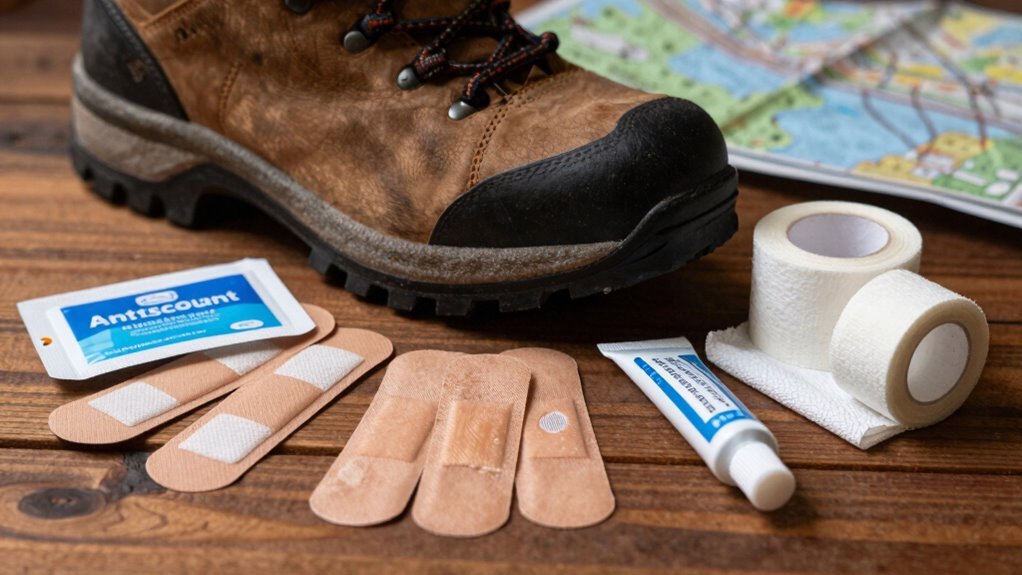
You’ve already got smart backups from science to keep blisters at bay, but let’s say the unthinkable happens—hotspots flare, skin rubs raw, or a full-blown bubble shows up mid-hike.
No panic!
Tapes like Leukotape or KT tape stick well and shield trouble spots before they blow up.
Duct tape? Yep, it’s not just for gear—smooth it on clean hotspots to stop friction fast.
Slap on a hydrocolloid plaster like Compeed or BlisterPod, and let it work its magic by speeding up healing—superhero status unleashed.
Moleskin cushions popped blisters, while antibiotic ointment fights nasties under a Band-Aid or silk tape.
Prevention sticks and lube glide on easily to calm cranky skin.
Use Superglue to seal small blisters (seriously, it works!) or try New Skin liquid as armor.
Toe caps, gels, and Spenco 2nd Skin? All secret weapons.
With this toolkit, you’re trail-ready and drama-proof.
These treatments support the body’s natural blister formation process by protecting damaged skin and reducing further friction.
When to Pop a Blister (And When Not To)
- A giant bubble on your thumb from hours on your bike? Drain it carefully.
- A red-hot blister on your foot with pus, swelling, or red streaks? See a doc—don’t touch it.
- A cold sore on your lip pretending to be a blister? Leave it be—it’ll spread if you pop it.
How Proper Boot Fit Prevents Blisters
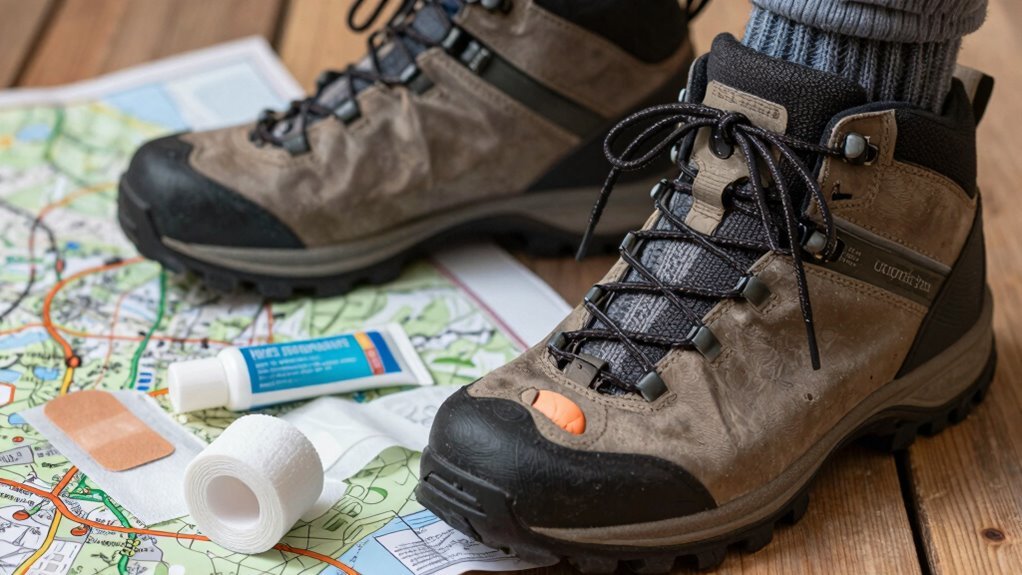
When your boots hug your feet just right, they don’t just feel good—they actively team up with you to stop blisters before they start.
Tight spots? Nope, they’re friction troublemakers.
A proper fit keeps everything snug so your foot doesn’t slip, slide, or squirm.
Lace-lock your ankle and say goodbye to heel rub—seriously, your skin will thank you.
Break in your boots like a pro: wear them regularly, not just on day one of a big trek.
New boots straight out of the box? Risky move—blisters love that.
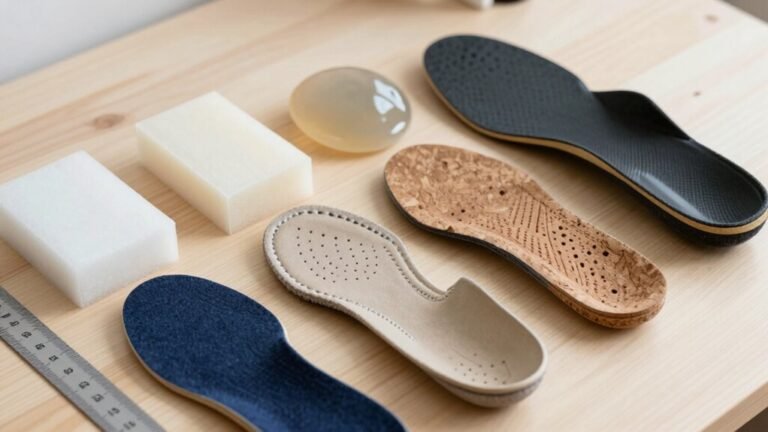
Cushioned insoles, thick socks, and zero wrinkles mean less pressure and way less friction.
And hey, skip the cotton—it’s a moisture magnet.
Choose fit over fashion, avoid common slip-ups, and keep that coefficient of friction below the blister danger zone.
Your feet aren’t asking for much—just a good fit.
Give ’em that, and you’re golden.
Key Features of Blister-Preventing Footwear
Let’s talk about your secret weapon in the battle against blisters: the right footwear features.
You’ve got options that don’t just feel good—we fight friction like tiny foot superheroes.
Smart materials and clever designs team up to keep your skin happy, even on long hikes or busy workdays.
Forget cotton—it’s basically a moisture magnet.
You want socks that wick sweat, absorb shear, and stay put without slipping or bunching.
Here’s what to look for:
- Moisture-wicking liners – Acrylic or merino wool that pulls sweat away and keeps feet dry.
- Double-layer designs – Inner and outer layers slide against each other, not your skin, slashing friction.
- Strategic padding – Thick, shear-absorbing zones in high-risk areas to stop hot spots before they start.
Comparing Costs: Treatment Vs Prevention
You’ve armed your feet with awesome blister-fighting boots and socks—smart move.
Now let’s talk money: prevention beats treatment every time.
Buying bandages over and over adds up, especially when sweat ruins them mid-hike—annoying and wasteful.
Ill-fitting pads just cause more pain, leading to even more purchases.
Yikes.
But slap on a $12 roll of Leukotape or a long-lasting Body Glide stick? Boom—cheap, easy, and it actually works.
And get this: preventing blisters doesn’t just save your skin, it saves serious cash.
One study found net savings of millions yearly across medications—yes, really.
Fewer blisters mean fewer health issues, lower medical bills, and way less drama.
Skip the bandage roulette.
Your feet (and wallet) will thank you.
Prevention isn’t just cheaper—it’s the ultimate hack.
Smart *and* savvy? Now that’s a win-win.
Real-World Scenarios: Hiking, Work, and Daily Wear
Even if your adventures take you from rugged trails to long shifts on your feet or just chasing kids around the park, blister care isn’t one-size-fits-all—it’s about matching the fix to the friction.
Whether you’re scaling hills, standing for hours, or running errands, the right protection keeps you moving without that “ouch” moment.
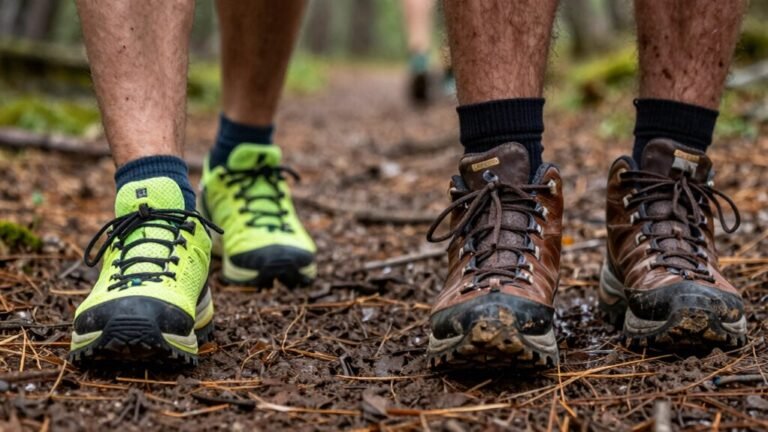
- On the trail: Pre-tape heels with Leukotape P, wear trail runners with smart lacing, and slip on gel toe caps to stop pinch spots before they start.
- On the job: Combat sweaty boots with moisture-wicking socks, slap duct tape on hot zones, and smooth calluses with a pumice stone—because blisters shouldn’t be part of your uniform.
- In daily life: Toss cotton socks, use hydrocolloid patches on tender spots, and let Leukotape P do the heavy lifting—it stays put even when you’re sprinting after the ice cream truck.
Long-Term Foot Health and Smart Choices
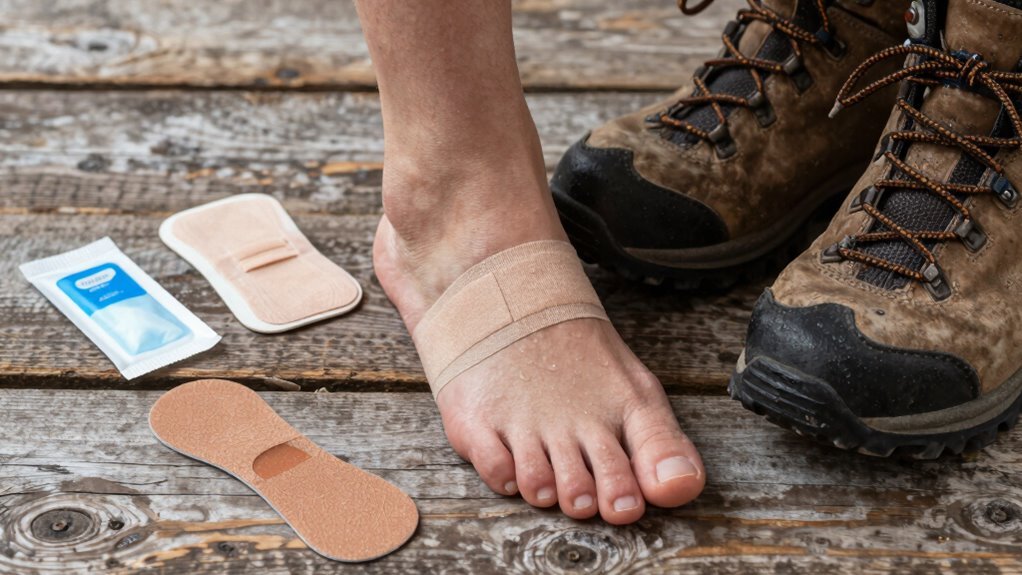
While your feet mightn’t ask for much, they definitely deserve more than being stuffed into stiff shoes and forgotten until something hurts—because long-term foot health isn’t just about avoiding blisters, it’s about making smart, everyday choices that keep you on your toes, literally.
You’ve got the power to protect them with proper shoes that fit well, support your arches, and wick away moisture.
If you’re managing diabetes, keeping blood sugar in check helps prevent nerve damage that can turn small sores into big problems.
Don’t skip daily foot checks—they’re like a pep talk for your tootsies.
And hey, washing and drying them well keeps fungus from crashing the party.
Education, comfy boots, and a little love go a long way.
Trust us, your future self (and your feet) will thank you when you’re still dancing through life pain-free.
Frequently Asked Questions
Can Blister Care Products Be Used on Children?
Yes, you can use blister care products on children—they’re made with safety in mind!
The tough packaging keeps meds secure from little hands, yet most adults open them easily.
With peel-push tabs and micro-perforations, kids stay safe while you stay stress-free.
It’s like a tiny fortress for medicine—smart, simple, and sneak-proof against curious munchkins.
Peace of mind? Totally included.
Are Blister-Preventing Boots Suitable for Wide Feet?
You bet, wide feet and blister-preventing boots are a match made in heaven!
Look for roomy toe boxes and “W” or “EE” labels—they’re like a cozy hug for your feet.
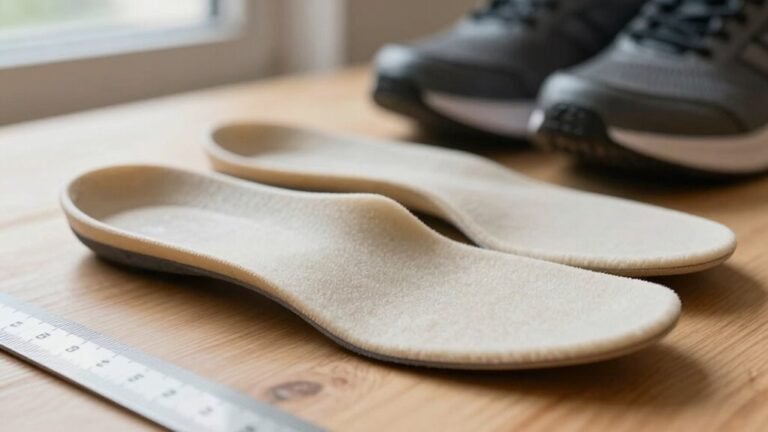
Make sure the midfoot doesn’t pinch, and use insoles to stop slippage.
When your boots fit just right, you’ll walk longer, laugh harder, and say goodbye to blisters—no drama, just comfort with a little swagger.
Do Blister Treatments Work on Sunburn Blisters?
Yeah, blister treatments work great on sunburn blisters—you’re already on the right track!
Keep the area clean, slap on some aloe or petroleum jelly, and gently cover it with gauze.
Avoid popping, unless it bursts on its own—then treat it like a tiny battle wound: clean, soothe, repeat.
Stay cool, hydrated, and give your skin some TLC.
It’ll thank you by healing faster!
Can I Wear Blister Pads Overnight?
Yes, you absolutely can—and should—wear blister pads overnight.
In fact, hydrocolloid plasters speed healing by up to 50%, so keeping them on while you sleep isn’t just safe, it’s smart.
They stay put for days, block germs, and cushion your skin while you dream.
Think of it as a tiny bodyguard for your blister—fighting off trouble, even when you’re not looking!
Just leave it be until it peels off naturally.
Are There Vegan Blister Care Options Available?
Yes, you’ve got vegan options that work great!
Try PreHeels+ spray—it’s vegan, cruelty-free, and forms an invisible shield against friction.
Or grab vegan hydrocolloid heel protectors; they’re comfy, eco-friendly, and come in handy sizes.
They stick right to hotspots and heal blisters fast.
Skip the wool-based stuff if you’re plant-powered.
Your feet deserve kindness—no animal products needed for happy, blister-free adventures!
Conclusion
You’ve got choices, and your feet are counting on you. Treat a blister like an uninvited guest—polite but firm—or stop the party before it starts. Boots? Think of them as peacekeepers. Blisters? Just drama you can skip. Prevention’s not magic, just smart love for your soles. Step wisely, laugh often, and let your footwear do the heavy lifting. Your future self will literally thank you—no bandages required.
References
- https://pubmed.ncbi.nlm.nih.gov/8570998/
- https://www.medicalnewstoday.com/articles/264783
- https://www.henryford.com/Blog/2024/07/blister-causes-and-care
- https://www.merckmanuals.com/home/skin-disorders/blistering-diseases/overview-of-blistering-disorders
- https://my.clevelandclinic.org/health/diseases/16787-blisters
- https://pmc.ncbi.nlm.nih.gov/articles/PMC12148011/
- https://clinicaltrials.stanford.edu/trials/b/NCT03835806.html
- https://www.dovepress.com/improving-adherence-and-reducing-health-care-costs-through-blister-pac-peer-reviewed-fulltext-article-CEOR
- https://ph.health.mil/PHC Resource Library/cphe-ip-blister-prevention-factsheet.pdf
- https://clinicaltrials.gov/study/NCT07099612