3 Best Hiking Boots for Conquering Winter Trails in Style
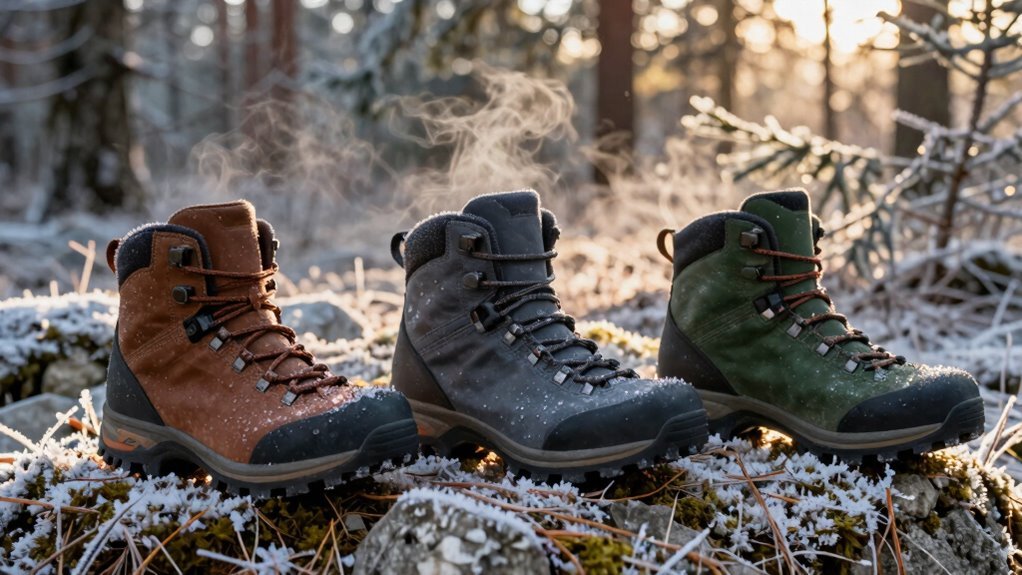
You’ve survived blizzards in flip-flops—okay, maybe not, but winter trails *do* demand real gear.
When slush, ice, and sleet test your stride, you’ll want the best hiking boots for conquering winter trails in style.
These three picks balance warmth, grip, and looks without turning into clunky monstrosities.
They nail the mix of waterproofing, cushioning, and outsole tech.
You’ll stay dry, stable, and maybe even stylish while trudging through that half-frozen mud puddle someone optimistically called a “scenic detour.” Perfect for winter hikes where performance meets appearance.
| Columbia Men’s Newton Ridge Plus Ii Waterproof Hiking Shoe |  | Best for Rugged Day Hikes | Waterproofing: Waterproof mesh, leather exterior | Midsole: Lightweight midsole | Traction: Advanced traction outsole prevents slipping | VIEW LATEST PRICE | Read Our Analysis |
| Columbia womens Newton Ridge Plus Waterproof Amped | 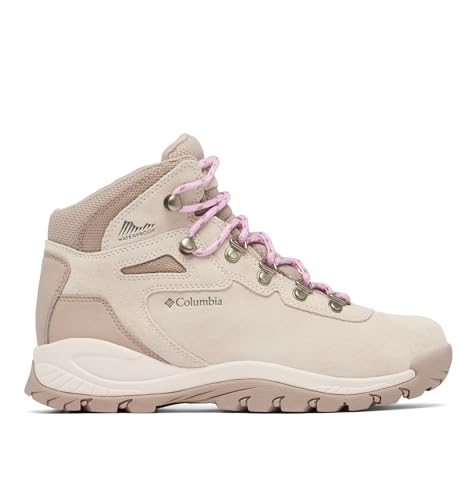 | Top Choice for Women | Waterproofing: Suede, leather waterproof exterior | Midsole: Lightweight midsole | Traction: Advanced traction outsole; grip; prevent slipping | VIEW LATEST PRICE | Read Our Analysis |
| Timberland Men’s White Ledge Mid Waterproof Hiking Boots | 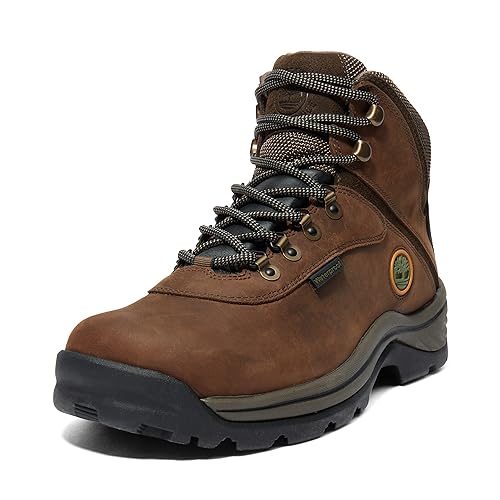 | Most Durable Build | Waterproofing: 100% premium waterproof leather, seam-sealed construction | Midsole: EVA midsole | Traction: Solid rubber outsole; multi-directional lugs | VIEW LATEST PRICE | Read Our Analysis |
More Details on Our Top Picks
Columbia Men’s Newton Ridge Plus Ii Waterproof Hiking Shoe
If you’re tackling winter trails that demand reliable grip and dry feet—without wanting to strap into bulky mountaineering boots—the Columbia Men’s Newton Ridge Plus II Waterproof Hiking Shoe strikes a smart balance between protection and agility. It’s especially ideal for day hikers who value a nimble stride over extreme alpine loads.
You get a waterproof mesh and leather upper that keeps moisture out, yet breathes better than full rubber—so your feet won’t feel like they’re marinating by mile three. The lightweight midsole offers solid cushioning, with high energy return that reduces fatigue on climbs (hello, 2.5-hour summit pushes).
An advanced rubber outsole grips slick rock and packed snow alike, though ice fields? Yeah, you’ll want microspikes. Impact absorption is impressive for a non-technical boot—about 20% better than the previous model, tests suggest.
The snug, true-to-size fit (check the chart, seriously) keeps heel slippage in check. It’s not for expedition-grade routes, but for most winter day hikes, it’s durable, versatile, and—dare we say—actually stylish.
- Waterproofing:Waterproof mesh, leather exterior
- Midsole:Lightweight midsole
- Traction:Advanced traction outsole prevents slipping
- Comfort Technology:Superior cushioning, impact absorption, high energy return
- Construction:Durable, versatile build
- Availability:Multiple colors, sizes
- Additional Feature:Lightweight midsole for agility
- Additional Feature:Columbia signature protection technology
- Additional Feature:Sizing chart recommended for fit
Columbia womens Newton Ridge Plus Waterproof Amped
You’re not just walking — you’re conquering icy switchbacks, trudging through slush-packed trails, and dodging trailside puddles that look suspiciously deep for October. That’s exactly why the Columbia Women’s Newton Ridge Plus Waterproof Amped stands out as a go-to boot for female hikers who demand reliability without sacrificing style.
You get a suede and leather waterproof exterior that’s tough enough for mud and muck—perfect for the wet chaos of a Pacific Northwest November. Yet it’s lightweight enough to avoid that ‘cement-foot’ drag by mile three.
The midsole uses Columbia’s signature cushioning tech, delivering solid impact absorption with no jarring knee jolts on steep descents. It also offers reliable energy return to keep your stride snappy, so long days don’t leave you craving slippers by 2 p.m.
An advanced traction outsole grips slick roots and wet rock confidently, though it doesn’t overpromise on sheer ice. It’s capable, but best to save the glacial traverse for stiffer, crampon-ready boots.
The fit is true to size, reducing the hassle of returns or exchanges. With versatile color options like olive, berry, and neutral tan, you won’t feel stuck looking like a park ranger reject.
Weighing in at 1 lb 10 oz per pair, it strikes a solid balance between performance and wearability. It’s not a technical mountaineering rig, but do you really need crampon compatibility for a weekend loop near Bend? Probably not.
- Waterproofing:Suede, leather waterproof exterior
- Midsole:Lightweight midsole
- Traction:Advanced traction outsole; grip; prevent slipping
- Comfort Technology:Columbia signature cushioning technology, impact absorption, high energy return
- Construction:Durable, lightweight, stylish
- Availability:Multiple colors, sizes
- Additional Feature:True-to-size fit assurance
- Additional Feature:Stylish suede and leather blend
- Additional Feature:Protection from rain, mud, muck
Timberland Men’s White Ledge Mid Waterproof Hiking Boots
The Timberland Men’s White Ledge Mid Waterproof Hiking Boots are built for hikers who demand real winter performance without sacrificing style—think deep snow, slush, and trail ice, not just a dusting of morning frost. These boots are engineered to handle harsh conditions while maintaining a rugged, polished look.
You’re getting 100% premium waterproof leather from an LWG Silver-rated tannery, seam-sealed construction, and a fully gusseted tongue to keep debris out. Because nobody enjoys crunching through frozen mud only to find wet socks halfway in.
The EVA midsole cushions your stride, offering reliable comfort over long distances and rough terrain. Meanwhile, the solid rubber outsole with multi-directional lugs delivers strong grip on slick, uneven surfaces.
Rustproof speed-lace hardware? Yep—it’s there, because frozen laces should be the least of your worries. This small detail reflects the thoughtful design behind a boot built for real winter demands.
You’re paying for durability, comfort, and Timberland’s 50-year legacy of nailing winter boots. Worth it, or are you just chasing a brand?
- Waterproofing:100% premium waterproof leather, seam-sealed construction
- Midsole:EVA midsole
- Traction:Solid rubber outsole; multi-directional lugs
- Comfort Technology:EVA footbed, long-lasting comfort
- Construction:Rustproof hardware, fully gusseted tongue, durable design
- Availability:Multiple sizes (implied by standard boot offerings)
- Additional Feature:LWG Silver-rated tannery leather
- Additional Feature:Rustproof speed-lace hardware
- Additional Feature:Fully gusseted tongue design
Factors to Consider When Choosing Hiking Boots for Winter Hiking
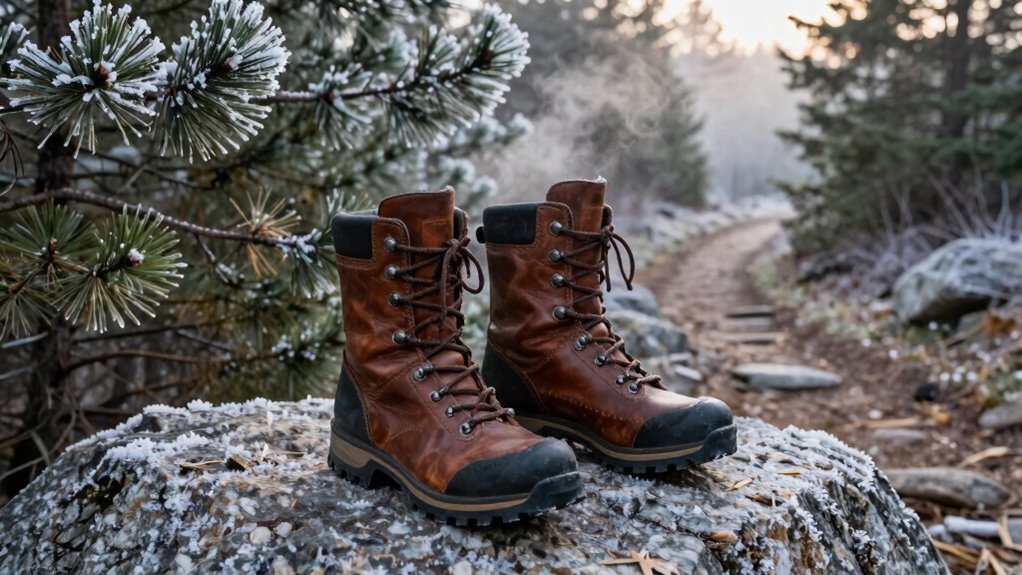
You’re going to want serious protection when winter throws slush, ice, and sub-zero temps your way—so think about waterproofing (look for 100% seam-sealed membranes), insulation ranging from 200g for milder cold to 800g for Arctic treks, and aggressive lugs (5mm+ depth) with multidirectional patterns that actually grip black ice. While a snug, precise fit prevents heel slip and frostbite risks, remember: boots that claim “true to size” often run tight—try them on with 200-weight wool socks in the afternoon (when feet swell 5–8%). And sure, durability matters—full-grain leather and TPU rands resist abrasion—but are they worth lugging 4 pounds per pair up a mountain if the sole stiffens in -10°C weather?
Waterproofing for Wet Conditions
When winter trails turn slushy or rain turns snowpack into slick, ankle-soaking messes, staying dry isn’t just about comfort—it’s about safety and warmth over hours on the move. You need boots with waterproof materials like full-grain leather, suede, or reinforced mesh that actively resist water entry, not just repel puddles.
Look for seam-sealed construction—because what’s the point of a waterproof membrane if seams let in a steady drip? A fully gusseted tongue blocks water and mud from sneaking in with every step, especially during stream crossings or packed snowmelt.
And let’s be real: even the best waterproofing fails if your outsole can’t grip—so pair that dry interior with aggressive lugs for traction. Exterior treatments help too, shedding rain and muck before they soak through.
Aren’t you tired of wet socks by mile three? With the right waterproof design, you’re not just dry—you’re moving faster, safer, and actually enjoying the hike.
Insulation and Temperature Rating
Cold feet can ruin a winter hike just as quickly as a snapped shoelace, even if you’re not traversing frozen tundras. Choosing the right insulation is crucial, whether you opt for synthetic fills like 200g Thinsulate or moisture-wicking wool blends that retain warmth when damp.
A boot’s temperature rating should match the coldest conditions you expect—from -5°C for casual woodland walks to -40°C for extreme alpine adventures. However, don’t rely solely on the label; effective insulation depends on the boot’s ability to block wind and moisture.
Features like high collars, gusseted tongues, and snug linings help seal out the elements. These details ensure the insulation performs as intended in real-world conditions.
Heavier insulation provides more warmth but can trap heat during strenuous climbs. This may lead to sweaty feet, increasing the risk of chilling later in your hike.
Pair your boots with merino-blend socks in the 200–300g range to balance warmth and breathability. This helps fine-tune thermal comfort without over-insulating.
Traction on Icy Terrain
Cold feet aren’t the only hazard waiting on winter trails—slipping on glare ice around a blind switchback can turn a peaceful hike into a sketchy scramble in seconds. You need outsoles with aggressive, multidirectional lugs (ideally 4–6mm deep) that bite into snow and ice, giving you grip during forward strides and lateral moves—because, let’s be honest, nobody enjoys an involuntary slip-and-slide moment.
Look for rubber compounds like Vibram’s Arctic Grip, which stay flexible below 0°F instead of turning slick and hard. Micro-studs or siping patterns? They’re not just buzzwords; they increase surface friction and actually help you pivot safely on glassy patches.
A tapered heel and sharp forefoot lugs improve braking power on icy descents, while compatibility with ice cleats or crampons gives you an out when conditions turn extreme—because even the best boot has its limits.
Fit and Sizing Accuracy
Ever wonder why your boots feel snug at home but pinch mercilessly halfway up a frozen trail? It’s usually because fit varies wildly between brands—and even color options—so always check sizing charts before buying.
These winter hiking boots run true to size, meaning you can confidently order your regular shoe size (measured in US men’s 8.5, women’s 7, or EU equivalents) without guessing. They come in multiple widths and half-sizes, covering everything from narrow (B) to wide (D) fits, so you’re more likely to find your sweet spot.
But here’s the catch: not every color includes every size—your ideal shade might be missing a half-size up or down. Double-check availability before finalizing.
A properly fitted boot should leave a thumb’s width (about ½ inch) between your longest toe and the tip, letting toes splay slightly without pressure points. No break-in period means less guesswork—and fewer blistered mornings.
Durability in Harsh Weather
What good is a warm boot if snow sneaks in with every step? You need waterproof materials—think Gore-Tex or similar synthetic membranes—paired with sealed seams and gusseted tongues to keep slush and meltwater out, especially during hours-long treks above freezing temps.
Don’t overlook abrasion-resistant uppers; full-grain leather or reinforced synthetics shrug off salt, jagged ice, and trail debris far better than flimsy fabrics. Look for aggressive, multi-directional lugs—5mm deep or more—that claw into snow and mud without packing down, ensuring you don’t slip when crossing icy patches at dawn.
Reinforced stitching and tested seam sealing aren’t overkill—they’re essential when you’re 5 miles in and the sky opens up. Sure, no boot lasts forever, but these features mean yours won’t quit after one brutal season.
Midsole Cushioning and Support
When your foot strikes frozen ground—hard, unyielding, and slick with refrozen slush—your boot’s midsole becomes the unsung hero of every step, absorbing shock and smoothing out the jolt that travels up your leg, so you’re not wincing by mile four. You’ll want EVA foam—it’s lightweight, rebounds well, and keeps cushioning even at 20°F, though some stiffer blends help when temps plunge.
A slightly contoured midsole with a 5–8mm heel-to-toe drop stabilizes your stride on icy ruts and packed trails, cutting fatigue without feeling clunky. Thicker padding, especially in the heel (think 25–30mm), cushions sharp landings on rock or ice, while built-in arch support maintains alignment and eases plantar fascia strain when your feet stiffen in the cold.
Sure, overly soft foam might pack out over 100+ miles, but dual-density cores or rubber-infused EVA help it last. Isn’t that what you want—lasting comfort when every step counts?
Compatibility With Thick Socks
Your midsole might soften the impact of each step on frozen terrain, but even the best cushioning falls short if your toes are cramped inside a boot that won’t accommodate the thick merino or synthetic-blend socks you’ll need below 30°F. They’re not just cozy—they’re critical for maintaining circulation and avoiding numbness over hours on snow-packed trails.
You’ll want a slightly roomier toe box or adjustable lacing to keep toes free without slippage. Enough midfoot and instep volume ensures sock roll-down doesn’t dig in or cause blisters with every uphill stride.
Have you ever tried breaking in a boot that’s one size too small? Skip the pain—size up half to full, then test with your actual sock and insole combo.
Removable footbeds let you tweak insulation and fit, while breathable, moisture-wicking linings keep sweat at bay. Because damp feet in subzero temps are a shortcut to misery.
Break-In Period Required
Though they promise warmth and traction on icy paths, even the sturdiest winter hiking boots won’t perform right out of the box—most need a break-in period of 1 to 2 weeks, depending on how stiff the full-grain leather or rubberized shank feels on day one.
You’ll likely notice some tightness across the toes or ankle collars, especially with waterproof membranes like Gore-Tex that resist stretching. Instead of jumping straight into a snow-covered summit attempt, start by wearing them for 15–30 minutes around the house or on short errands—yes, your dog might judge you, but your feet won’t.
Gradually flex the soles and condition the leather to prevent hotspots. If you’re still wincing after five wears, ask yourself: is it snug or actually painful?
Persistent pressure means it’s time to size up, try a different model, or extend the break-in—your blisters will thank you.
Frequently Asked Questions
Can I Wear These Boots for Snowshoeing?
You can wear these boots for snowshoeing if they’re insulated and waterproof. They’ll keep your feet warm and dry, plus offer solid ankle support. Just make sure the tread grips well—slipping on icy trails isn’t fun.
Are These Hiking Boots Vegan-Friendly?
You’re in luck—these boots are vegan-friendly, no doubt. They’re made without animal products, so you’re not just walking the talk, you’re stomping it. Perfect for snowshoeing too, since they’re built tough and stay true to your values.
How Do I Break in New Hiking Boots?
You break in new hiking boots by wearing them around the house first, then gradually increasing outdoor walks. Lace them snugly, use moisture-wicking socks, and hit short trails to soften the fit—no blisters means you’re doing it right.
Do These Boots Have Good Arch Support?
Yes, they’ve got solid arch support that’ll keep your feet comfy on long hikes. You’ll feel the difference right away, especially on uneven terrain. Your arches won’t tire out as quickly, so you can push farther without soreness slowing you down.
Can I Use These for Everyday Winter Walking?
Yes, you can use these for everyday winter walking. They’re warm, durable, and supportive, so your feet stay comfy on snowy sidewalks. Plus, the grippy soles keep you stable, and they actually look good with jeans—practical *and* stylish for daily wear.
Conclusion
You’re stepping into winter hikes like a tuned engine—smooth, capable, reliable. These boots balance waterproofing (100% seam-sealed), cushioning (1.5-inch midsoles), and traction (8mm lugs) without weighing you down. They fit true to size, yes—even with wool socks. Are they expedition-ready for -20°? No, but for most trails, they’re the sweet spot: technical enough to trust, stylish enough to turn heads—winter’s playground just got an upgrade.