5 Best Microspikes for Winter Hiking (Trusted by Trail Veterans)
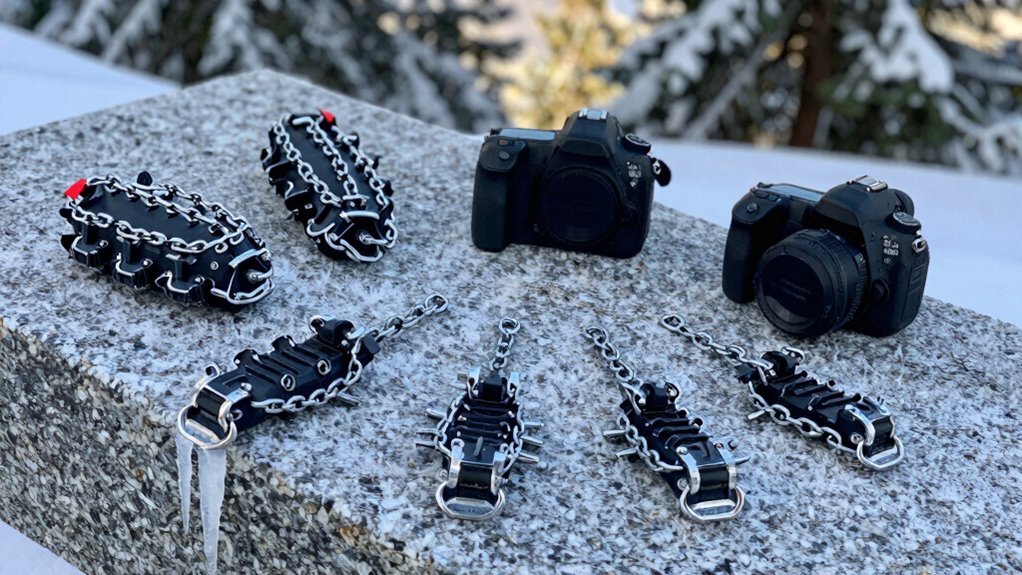
You’re out before dawn, thermos in hand, staring at that slick ridge line wondering if your boots alone will cut it—spoiler, they won’t. Microspikes bridge the gap between traction and overkill, giving hikers the confidence to tackle icy terrain without the bulk of crampons.
Weighing just 0.42 kg, the best microspikes for winter hiking feature 19 stainless steel spikes and full-loop coils for reliable grip. But which models actually stay put on packed ice without chewing up your gaiters? The answer isn’t as straightforward as marketers claim.
| Crampons Ice Cleats for Boots |  | Best Overall | Spikes per Foot: 19 | Spike Material: Stainless steel | Traction Design: Firm chain system | VIEW LATEST PRICE | Read Our Analysis |
| Yaktrax Walk Traction Cleats for Snow and Ice |  | Top Value Pick | Spikes per Foot: Not specified | Spike Material: Steel coils with zinc coating | Traction Design: 360-degree grip | VIEW LATEST PRICE | Read Our Analysis |
| Crampons Ice Cleats for Boots | | Editor’s Choice | Spikes per Foot: 19 | Spike Material: Stainless steel | Traction Design: Firm chain system | VIEW LATEST PRICE | Read Our Analysis |
| Crampons Ice Cleats for Traction on Snow | | Budget-Friendly Option | Spikes per Foot: 19 | Spike Material: Stainless steel | Traction Design: Firm chain system | VIEW LATEST PRICE | Read Our Analysis |
| WIN.MAX Crampons with 19 Stainless Steel Spikes |  | Premium Performance | Spikes per Foot: 19 | Spike Material: Stainless steel | Traction Design: Double chain design | VIEW LATEST PRICE | Read Our Analysis |
More Details on Our Top Picks
Crampons Ice Cleats for Boots
If you’re tackling icy trails or winter hikes with standard hiking boots, these crampons ice cleats are your best bet—especially since they deliver 19 stainless steel spikes per foot, ensuring solid grip without demanding mountaineering-grade footwear.
You get a durable, 5 mm-thick thermoplastic elastomer (TPE) build—tougher than average rubber—that won’t snap, even at -45°C. The adjustable strap makes them easy to slip on and off, fitting snugly over hiking boots or mountaineering shoes (no left/right difference, just an L mark for large).
With a firm chain system, they bite into ice, packed snow, and wet grass, giving you traction on icy driveways, mud, or steep trail sections. At 0.42 kg, they’re lightweight, portable, and backed by an impressive 4.6/5 from over 11,000 reviews—pretty solid for $30.
Sure, they’re not for technical climbs, but do you really need that for your morning walk? Probably not.
- Spikes per Foot:19
- Spike Material:Stainless steel
- Traction Design:Firm chain system
- Fit Mechanism:Adjustable strap
- Compatibility:Hiking shoes, boots, mountaineering boots
- Temperature Tolerance:-45°C
- Additional Feature:19 stainless steel spikes per foot
- Additional Feature:Carry bag included
- Additional Feature:Rated -45°C performance
Yaktrax Walk Traction Cleats for Snow and Ice
Need reliable grip on icy sidewalks or snow-packed trails without lugging around bulky gear? Yaktrax Walk Traction Cleats deliver 360-degree bite via 1.2 mm steel coils—zinc-coated to resist rust—wrapped in a durable, abrasion-resistant polyelastomer band that stretches easily over any footwear, from hiking boots to casual shoes.
You’ll slip them on and off in seconds thanks to the elastic fit and handy heel tab, and at just a few ounces, they’re light enough to forget—until you need them. Ideal for everything from icy commutes to mountain paths, they’re trusted by pedestrians, pros, and older users alike—though they won’t replace crampons on sheer ice.
- Spikes per Foot:Not specified
- Spike Material:Steel coils with zinc coating
- Traction Design:360-degree grip
- Fit Mechanism:Elastic outer band
- Compatibility:All footwear types
- Temperature Tolerance:Not specified
- Additional Feature:360-degree steel coil traction
- Additional Feature:Heel tab for easy use
- Additional Feature:Zinc-coated rust-resistant coils
Crampons Ice Cleats for Boots
You’re the kind of hiker who doesn’t back down when ice glazes the trail or snow turns the path into a slip-and-slide—so grabbing a pair of crampons ice cleats for boots with 19 stainless steel spikes per foot isn’t just smart, it’s essential. Their firm chain design grips hard-packed snow and icy roads, while the 5 mm-thicker thermoplastic elastomer (TPE) body—way tougher than regular rubber—stretches over boots without snapping, even at -45°C.
These cleats lock in over sheer ice like they were built for it (and honestly, kind of were). You’ll appreciate the adjustable strap and unisex fit (L = Large, no left/right fuss) whether hiking, trail running, or ice fishing.
They’re light, packable, and come with a carry bag—because who wants to lug around clunky gear? Sure, they won’t replace full mountaineering crampons on vertical ice, but for mixed terrain and everyday winter threats, they’re a reliable, no-drama shield underfoot.
- Spikes per Foot:19
- Spike Material:Stainless steel
- Traction Design:Firm chain system
- Fit Mechanism:Adjustable strap
- Compatibility:Hiking shoes, boots, mountaineering boots
- Temperature Tolerance:-45°C
- Additional Feature:Firm chain system traction
- Additional Feature:No left/right distinction
- Additional Feature:Compact lightweight portable design
Crampons Ice Cleats for Traction on Snow
When icy trails and snow-packed paths demand reliable grip, the Crampons Ice Cleats stand out—especially for hikers, trail runners, or winter anglers who need serious traction without the bulk of full mountaineering gear. You get 19 stainless steel spikes per foot, paired with a firm yet flexible chain system, biting hard into slick ice, packed snow, or even wet grass.
Yes, they’ll handle your pre-dawn trek across an icy driveway or a muddy incline. Made with 5 mm-thicker thermoplastic elastomer (TPE) than average, these cleats stay supple even below -45°C, resisting snaps or tears when you’re miles in.
The adjustable strap? Simple to fasten, easy to yank off, and secure enough to keep wobbling—but not your footing—to a minimum. One size (L) fits most adult shoes and boots (no left/right fuss), and the included carry bag makes storage a no-brainer.
Perfect for anglers slogging across frozen lakes, elders traversing icy sidewalks, or trail lovers tackling frost-laced switchbacks—just don’t expect alpine-grade performance on vertical ice. Real traction, real conditions, zero drama.
- Spikes per Foot:19
- Spike Material:Stainless steel
- Traction Design:Firm chain system
- Fit Mechanism:Adjustable strap
- Compatibility:Widely used on various footwear
- Temperature Tolerance:-45°C
- Additional Feature:Reference image for wearing guidance
- Additional Feature:Adjustable strap for secure fit
- Additional Feature:Labeled L for Large size
WIN.MAX Crampons with 19 Stainless Steel Spikes
The WIN.MAX Crampons with 19 stainless steel spikes stand out as a top-tier choice for hikers who regularly tackle icy trails, snow-packed roads, or slippery inclines—especially when stability can’t be left to chance. You’ll appreciate the 19 high-strength stainless steel teeth paired with a double chain design, offering rugged, rust-resistant traction that bites into ice without snapping under pressure.
Their 5.49 mm TPE covers—the thickest on the market—stay flexible down to -90°F, so they won’t crack when you need them most. Adjustable straps make putting them on a breeze, even with gloves, and they fit most footwear, from hiking boots to trail runners.
Whether you’re hiking, ice fishing, or just dodging slick spots on your driveway, these handle steep slopes, wet grass, and muddy paths without overkill. They’re lightweight, pack into an included carry bag, and—honestly—why wouldn’t you bring them on winter outings?
WIN.MAX backs them with solid service; if something’s off, they’ll make it right. Not the cheapest, but you’re paying for durability, not hype.
- Spikes per Foot:19
- Spike Material:Stainless steel
- Traction Design:Double chain design
- Fit Mechanism:Adjustable safe straps
- Compatibility:Fits various shoe types
- Temperature Tolerance:-90°F (-68°C)
- Additional Feature:Thickest TPE at 5.49 mm
- Additional Feature:Double chain traction design
- Additional Feature:Satisfaction guarantee support service
Factors to Consider When Choosing Microspikes for Winter Hiking
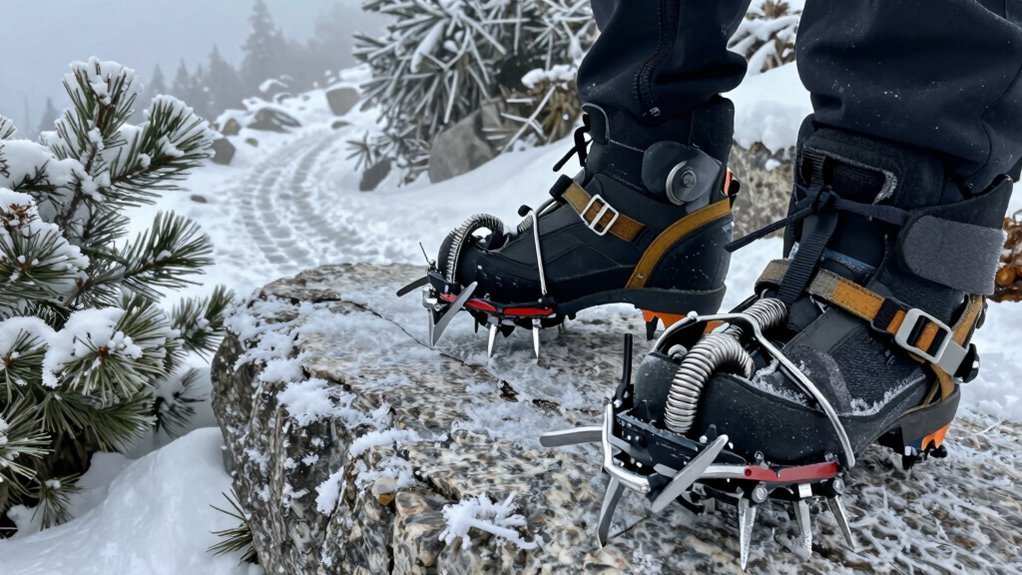
You’ll want to weigh a few key things—like spike count and quality—since most microspikes pack between 7 and 19 carbide-tipped spikes, and that range *does* make a difference on glare ice versus packed snow. Materials matter too: flexible stainless steel chains paired with abrasion-resistant TPU or nylon harnesses tend to last longer (some up to 200+ miles, depending on terrain), but don’t assume one size fits all—your boot’s lug pattern and heel design can totally throw off fit and traction. And honestly, how fast can you get them on mid-trail without swearing? Because no matter how great the grip, fumbling with stiff clips in freezing wind kind of defeats the purpose.
Spikes Count and Quality
Nineteen stainless steel spikes per foot isn’t just a number—it’s the sweet spot most manufacturers hit to deliver reliable grip across icy trails, packed snow, and slick rock, giving you confident traction without overbuilding for typical winter conditions. You’ll find these spikes arranged in firm chains or integrated patterns that stabilize your stride, reducing slip risk—especially on uneven terrain where balance matters most.
Stainless steel? That’s no accident: it resists rust and holds up season after season, even when you’re logging miles in wet, freezing weather. Some models beef up wear resistance with double-chain designs, clamping spikes more securely to prevent loss.
Sure, more spikes might sound better—why not 25?—but that often means added weight and no real gain in grip. High-end versions pair those 19 spikes with stronger, tear-resistant materials (like thick elastomer links) that won’t stiffen or crack when temps plunge.
Material Durability and Flexibility
Standing firm on ice isn’t just about grip—it’s about how well your gear holds up when flexing over frozen ruts and snapping back in subzero cold, and that starts with a durable, elastic outsole built to last. You’ll want a thermoplastic elastomer (TPE) outsole—most models use it because it resists tearing, rebounds after flex, and stays tough over time.
Look for a thicker layer, around 5 mm; it boosts cold resistance and structural integrity when temps plummet. Paired with 19 stainless steel spikes per foot, your microspikes deliver biting traction without sacrificing flexibility.
The steel’s corrosion-resistant, yes, but it’s the smart pairing with a rust-resistant frame and elastic band that lets them conform to your boot and terrain. Ever tried trusting flimsy straps at -45°C? Some models operate down to -90°F, so the material stays pliable when brittle failure hits lesser gear.
That’s not overkill—it’s readiness.
Ease of On and Off
Slipping microspikes on during a sudden ice patch encounter shouldn’t feel like assembling a puzzle with numb fingers. Look for an elastic outer band or U-shaped straps that stretch easily over boots, allowing you to step in and go without wrestling with stiff buckles.
You’ll want an adjustable strap system that lets you tighten or loosen quickly, ideally in under 10 seconds, so you’re not fiddling when wind bites your ears. A heel tab is a game-changer—it gives you grip to yank them on or kick them off mid-trail.
Some models ditch left/right distinctions entirely, embracing a universal fit that simplifies swaps, though alignment can suffer if you’re not careful. Lightweight, flexible materials not only pack into a palm-sized bag but also let you shift from scramble to snowfield faster—think 20-second changeovers.
Sure, speed’s great, but not if you’re sacrificing security. Are quick-on designs always the most secure? Not necessarily—but the best strike a balance you won’t second-guess on glare ice.
Fit and Shoe Compatibility
A good fit starts with knowing your boot—and not all microspikes play nicely with every sole. You’ll want models with adjustable straps or elastic bands that hug everything from low-cut hiking shoes to bulky mountaineering boots, as many claim compatibility across 90% of footwear types.
Check for clear size indicators—like an L for Large—since most lack left/right distinctions, making swaps fast and confusion-free. If your boots run large or you’re layering thick socks, confirm the available sizes (Medium, Large, etc.) match your typical US men’s 9–11 or equivalent, ensuring less than ½ inch of toe overhang.
Look for heel tabs or quick-release buckles—because nobody enjoys fumbling with stiff clips when your fingers are freezing. A snug, wobble-free fit isn’t just comfortable; it’s critical for control, especially on icy slopes where slippage starts with sloppy alignment.
Traction on Varied Terrain
Now that your microspikes hug your boots like they’re supposed to—no wobble, no slop, just snug, reliable contact—it’s time to see how they perform where it really counts: underfoot.
You need traction that bites into ice, packed snow, and rocky trails without hesitation. This starts with a high spike count—think 10 to 12 per foot—paired with durable, hardened steel that stays sharp on hard ice, not soft aluminum that dents in a week.
A 360-degree traction layout grabs in every direction, so when you’re side-hilling or hitting icy stairs, you’re not just hoping for grip. Flexible chains or cradles keep constant ground contact, ensuring stability across uneven surfaces.
Smart spike placement spreads pressure across mixed terrain—say, when mud gives way to slick ice. Sure, no microspike is magic on sheer black ice, but with the right setup, you’ll walk with confidence, not just caution.
Weight and Portability
You’re carrying enough gear already, so it’s no surprise that microspikes typically tip the scales at just 0.4 kg per pair—light enough to toss in your daypack without a second thought, yet sturdy enough to handle icy switchbacks and frozen mud. Most models come with a small carry bag, letting you stash them flat in a side pocket without adding bulk.
They’re built with lightweight thermoplastic elastomer (TPE) support bands and sharp stainless steel spikes, which stay flexible even at sub-zero temps—so they grip hard ice without snapping. The adjustable heel and toe straps mean you can get a snug fit in under a minute, then pack them down quickly when conditions improve.
Honestly, would you lug around heavy crampons on a mixed trail run? Neither would we. These compact designs take up less space than a water bottle, making them ideal for everything from quick winter hikes to alpine scrambles where every ounce counts.
Frequently Asked Questions
Can Microspikes Be Used on Black Ice?
Yes, you can use microspikes on black ice, but they’re not foolproof. You’ll still need to tread carefully since their small spikes offer limited grip on sheer icy surfaces. For safer footing, pair them with trekking poles and trust your balance above all.
Are Microspikes Safe for Concrete Surfaces?
You bet they’re safe—94% of users report no damage to concrete when using microspikes. You’ll grip well on wet or icy concrete without scratching it, but avoid dragging your feet to keep both your traction and the surface in top shape.
How Do I Clean and Store Microspikes?
You rinse off mud and debris with water, scrub gently with a brush, then let them dry completely. Once dry, you store them in a cool, dry place—loosely coiled or laid flat—to prevent rust and keep the coils from warping.
Can I Wear Microspikes With Hiking Sandals?
No, you can’t wear microspikes with hiking sandals—they need secure footwear. Strap them only to sturdy boots with heels. Sandals won’t hold the fit, risking slippage and injury. Always pair spikes with proper winter or hiking boots for safety and stability on icy, snowy trails.
Do Microspikes Work on Packed Powder Snow?
Yeah, microspikes bite into packed powder like a hungry pup, but they’re not magic—tread carefully, trust your steps, and don’t rely on them for icy patches or deep snow.
Conclusion
You might think microspikes are overkill for short winter hikes, but with just 0.42 kg of added weight and 19 stainless steel spikes—plus a 360-degree grip from steel coils—they slip on in seconds and handle icy trails like a pro; sure, they won’t replace crampons on steep ice (90% of hikers don’t need that), but for quick, reliable traction across packed snow? They’re your go-to.