Common Blister Care Mistakes and Easy Fixes
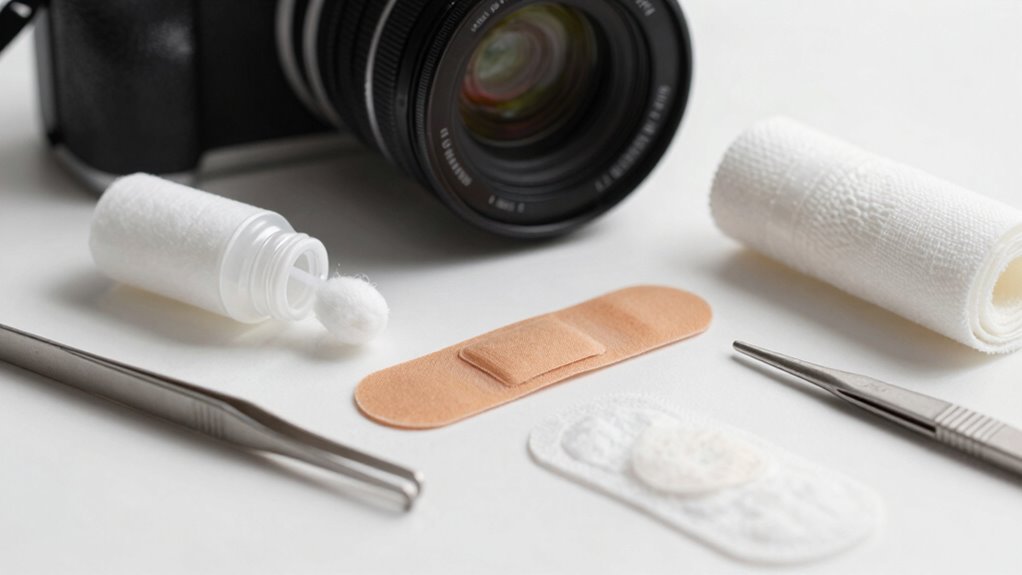
You’re probably popping blisters thinking it’ll help, but that just opens the door to germs and slows healing. This common blister care mistake can lead to infection and increased discomfort.
Ditch the dirty tools—always clean them first to avoid nasty infections. Skip harsh antiseptics like hydrogen peroxide and alcohol, as they sting and dry out the skin, delaying recovery.
Instead, practice proper blister care by using mild soap, water, and a loose, breathable bandage. Keep the area protected and reduce friction to promote faster healing.
Watch for signs of infection, such as redness or pus. Giving blisters time and protection helps prevent complications and keeps you on your feet safely.
Popping Blisters for Faster Healing
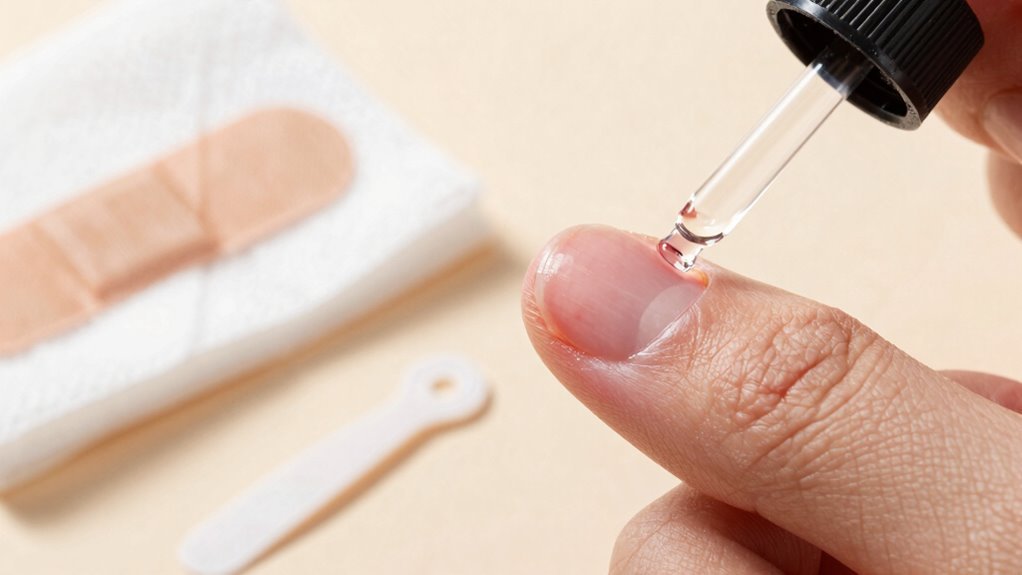
If you’ve ever thought popping a blister would speed things up, you’re not alone—but your shortcut might actually be slowing down the healing train.
That fluid isn’t just sitting there twiddling its thumbs; it’s protecting your tender skin and helping new tissue grow.
Pop it, and you’re basically rolling out the welcome mat for irritation and bacteria.
An intact blister usually heals in just a few days, no drama.
But once you drain it? Now you’ve got exposed skin, delayed healing, and a much higher chance of infection.
Think redness, swelling, pus—or worse, fever and red streaks creeping up your foot.
Yikes.
Nature gave you a built-in bandage, so why ditch it early?
Unless it’s huge, painful, or in a high-friction zone, skip the needle.
Your blister’s got this—and so do you!
Draining may be considered if the blister is in a high-use area.
Using Unsterilized Tools on Broken Blisters
Diving into blister care with anything less than a clean tool? Don’t do it—your skin’s not a science experiment!
Unsterilized tools carry bacteria like staph and E. coli, turning a tiny blister into a pain party.
Yikes!
Even a nicked scissor or dirty needle can harbor gunk that resists sterilization, thanks to hidden scratches or dried residue.
Plus, blood or salt leftovers can block cleaning methods—76% fail if not pre-cleaned!
Reusing tools without proper checks? That’s like sharing a toothbrush with a stranger—no thanks!
These mistakes invite infections, sepsis, or worse, especially if you’re a kid or older adult.
Biofilm formation can occur on improperly cleaned tools, making disinfection nearly impossible.
Stay smart: inspect tools, wear gloves, and never skip the clean check.
Keep your kit safe, simple, and scratch-free—your skin will thank you with a happy healing dance!
Skipping Proper Cleaning and Disinfection
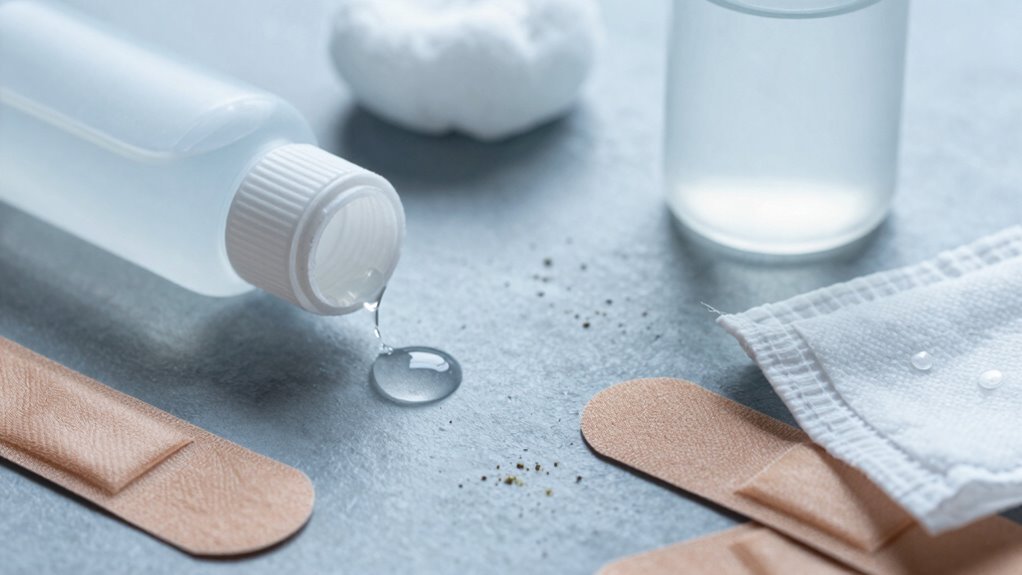
Ever wonder why your blister just isn’t getting better, even after you’ve popped it and dabbed something on?
You might be skipping the basics: cleaning and disinfecting right.
Ditch the hydrogen peroxide—it stings, kills healthy cells, and slows healing, all while pretending to help with its bubbly show.
Instead, wash gently with mild soap and warm water (and yes, wash your hands first—no double-dipping with dirty fingers!).
Skip harsh stuff like alcohol wipes or betadine; they dry out your skin like a desert.
After rinsing well, pat dry and apply a soothing touch—think aloe vera, a dab of Neosporin, or plain petroleum jelly.
It’s like a spa treatment for your blister!
Clean it daily, keep it calm, and let your skin do its thing.
Your blister will thank you—no drama, just healing!
Hydrogen peroxide can actually harm the delicate tissue around blisters due to its oxidative action.
Applying Tight or Impermeable Bandages
You’ve cleaned your blister just right, skipped the stinging peroxide, and now you’re ready to cover it up—hold on!
Slapping on a tight or plastic-y bandage might seem protective, but you’re basically building a sweat spa for bacteria.
Yikes!
Trapped moisture softens skin, delays healing, and boosts infection risk—no thanks.
And if that wrap’s squeezing your blister like a stressed avocado, it’s cutting off blood flow and making swelling worse.
Ouch meets ouch.
Skip the cling-wrap effect and tight tape jobs that tug fragile skin.
Instead, go breathable!
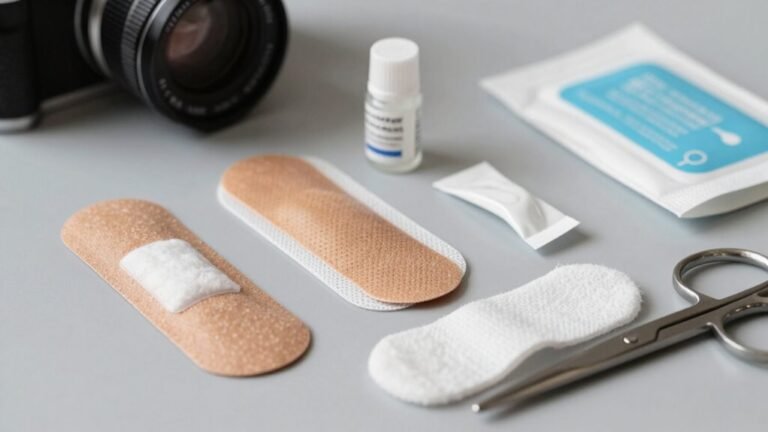
Try nonstick gauze with a dab of petroleum jelly or a moleskin donut—yes, a donut—to float over the sore spot.
Let that blister breathe, relax, and heal happy.
Your feet will throw you a thank-you parade.
Continuing Activity Without Protecting the Area
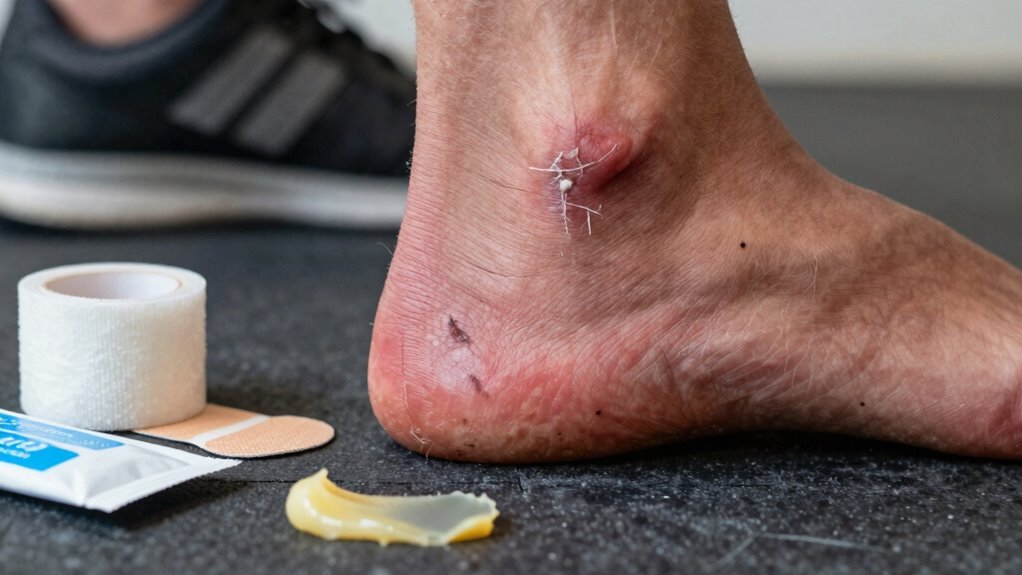
While your blister might seem small, jumping back into action without shielding it’s like sending a snowball into a volcano—things are gonna melt down fast.
You’re pushing against constant friction and pressure, and most blisters pop the minute you shove your foot back in your shoe.
That open spot? Now it’s a welcome mat for infection, especially if you’re sweating buckets.
Moist, hot, and rubbing nonstop—your skin doesn’t stand a chance.
Blood blisters are even more delicate, breaking deeper and slower.
Plus, bone movement keeps shearing skin layers, making blisters worse or triggering new ones.
Taping alone won’t save you if the root issue isn’t fixed.
Studies show 74% of untaped spots blister versus just 8% protected.
Don’t be that statistic—pad it, support it, and keep moving smart, not sore.
Ignoring Signs of Infection
That blister might’ve started as a simple rub, but skipping proper care turns it into a party zone for trouble—especially if you’re still moving hard like nothing’s wrong.
If redness spreads, pain spikes, or the area feels warm and tender, your skin’s screaming for help—don’t ignore it!
Cloudy fluid, yellow pus, or a funky smell? Yeah, that’s not a good look.
Crusting or oozing means germs are throwing a full-on rave under your skin.
Fever, chills, or feeling off? Uh-oh—this just got serious.
Red streaks or swollen, hard skin can mean cellulitis, and if left unchecked, infection can race through your system fast.
Sepsis isn’t a joke.
But here’s the good news: catching it early means you can shut down the party with antibiotics or drainage.
Don’t tough it out—smart treatment keeps your adventure going strong.
Frequently Asked Questions
How Long Does a Blister Usually Take to Heal Naturally?
You’re usually looking at 7 to 14 days for a blister to heal naturally—pretty quick, right?
If it’s small and unbroken, your body reabsorbs the fluid in a couple of days.
New skin grows underneath, and the blister dries up like a tiny deflating water balloon.
Bigger or blood blisters? Those can take weeks, especially on feet.
Just keep it clean, avoid popping, and let your amazing skin do its thing—nature’s got this!
Can I Use Regular Tape Instead of Blister Bandages?
Yes, you can use regular tape instead of blister bandages—and it’s actually smarter!
Grab paper tape or Leukotape before your run, slap it on hotspots, and go.
It sticks well, won’t rip your skin, and laughs at sweat.
Unlike floppy bandages, these tapes stay put and stop blisters before they start.
Think of it as armor for your feet—light, tough, and totally worth it.
Are Foot Blisters More Common Than Hand Blisters?
Yeah, foot blisters definitely outshine hand blisters—like stars in a night sky, they just pop up more often.
You’re way more likely to battle blisters on your soles than your palms, especially when running, hiking, or marching.
Feet bear the brunt, trapped in shoes with sweat and friction, while hands usually only blister during grip-heavy sports.
Should I Moisturize Around a Healing Blister?
Yes, you should moisturize around—not on—the healing blister, and doing so keeps the surrounding skin supple and less prone to cracking or irritation.
Just dab a little lotion nearby, avoiding the blister itself, like you’re painting a tiny protective moat.
It helps create a comfy zone for healing while you stay on your feet.
Think of it as self-care with a side of common sense—and maybe a dance break.
Can Blisters Be a Sign of a Skin Condition?
Oh, you bet blisters can signal a skin condition—because nothing says “everything’s fine” like your skin rebelling and forming bubbles all on its own!
If they keep popping up without reason, linger for ages, or show up in weird spots, your body’s probably hinting at something deeper.
Think autoimmune issues, infections, or even medication drama.
Don’t laugh it off—your skin’s yelling for help, and it’s time you listened.
Conclusion
You’ve got this! Skipping blister care might seem no big deal, but 25% of hikers end up sidelined by one nasty hotspot turned disaster. Ouch! Just clean it, cover it right, and let your skin breathe. No popping, no drama. Your feet will thank you later—trust us, they’re not fans of blisters or bad decisions. Treat ’em well, step easy, and keep smiling through every mile!
References
- https://www.healthline.com/health/should-you-pop-a-blister
- https://www.uclahealth.org/news/article/blisters-require-gentle-patient-care
- https://www.cumberlandskin.com/healthy-skin-blog/what-to-do-if-a-blister-gets-infected
- https://journals.cambridgemedia.com.au/application/files/3316/0514/8980/2101_04.pdf
- https://www.webmd.com/skin-problems-and-treatments/understanding-blister-treatment
- https://www.citymd.com/health-and-wellness/should-you-pop-a-blister-your-guide-to-dealing-with-blisters
- https://www.nationwidechildrens.org/specialties/sports-medicine/sports-medicine-articles/the-abcs-of-blister-care
- https://www.nyp.org/healthlibrary/multimedia/blister-care
- https://www.washingtondcinjurylawyers.com/hidden-dangers-how-unsterilized-medical-equipment-causes-infections/
- https://www.gilmanbedigian.com/my-doctor-didnt-properly-sterilize-their-tools-now-what/