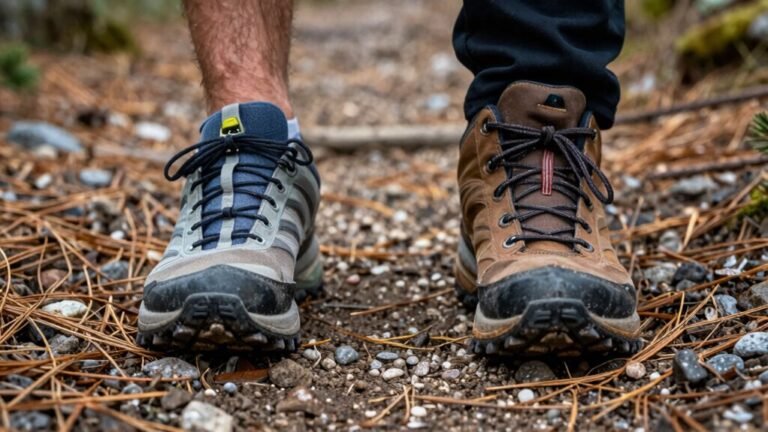
How to Choose Hiking Shoes
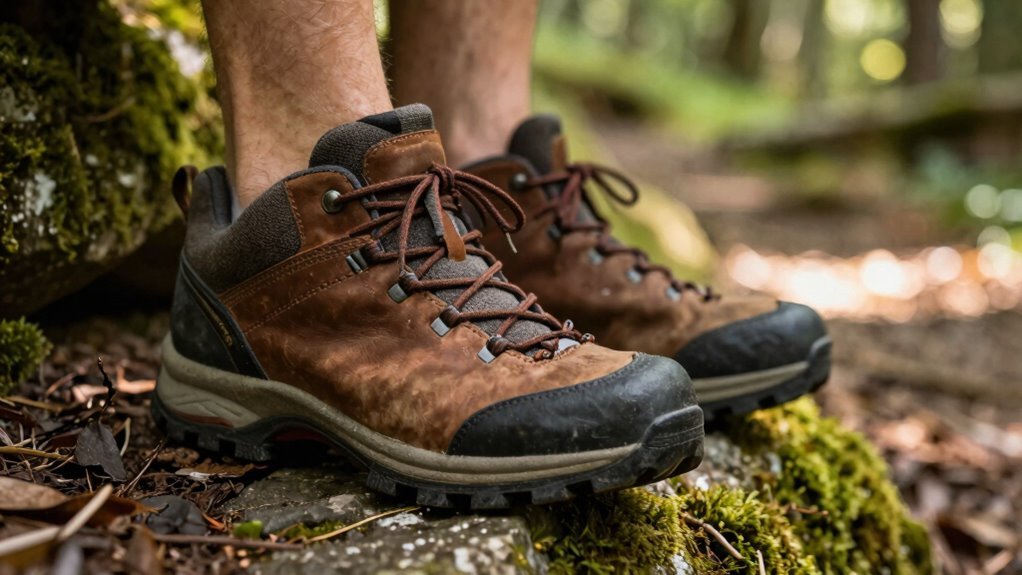
When choosing hiking shoes, fit is everything—especially if you have wide feet or high arches. Make sure they feel snug but not tight, with enough room to wiggle your toes for all-day comfort.
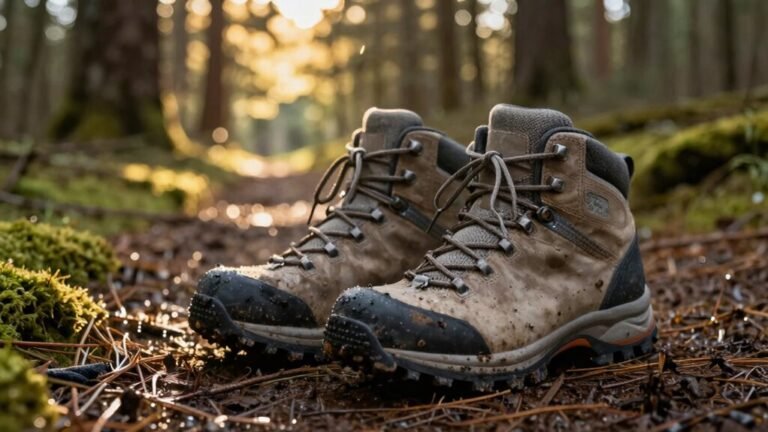
Hike mostly on smooth trails? Light trail runners are a great choice for agility and breathability. But if you’re tackling rocky slopes or uneven terrain, opt for hiking boots with strong support and grippy soles.
Consider the conditions: do you need waterproofing or extra warmth? Choose hiking shoes that match your environment, whether it’s wet, cold, or dry. And never underestimate traction—solid grip keeps you stable on mud, rocks, and slippery surfaces.
Know Your Foot Type and Fit Needs
Finding the perfect hiking shoes starts with knowing your feet—really knowing them, like how you know your favorite trail snack or go-to campfire song.
Got wide feet?
Look for a roomy toe box and midfoot.
Narrow feet?
Slimmer profiles keep you locked in without gaps.
High arches?
You’ll love extra arch support—it spreads your weight evenly and saves your soles.
Flat feet?
Firm heel counters and supportive midsoles keep you steady.
Don’t forget foot volume—too much space on top means slippage, even with tight laces.
Always leave a thumb’s width at the toe; your dogs swell on long hikes!
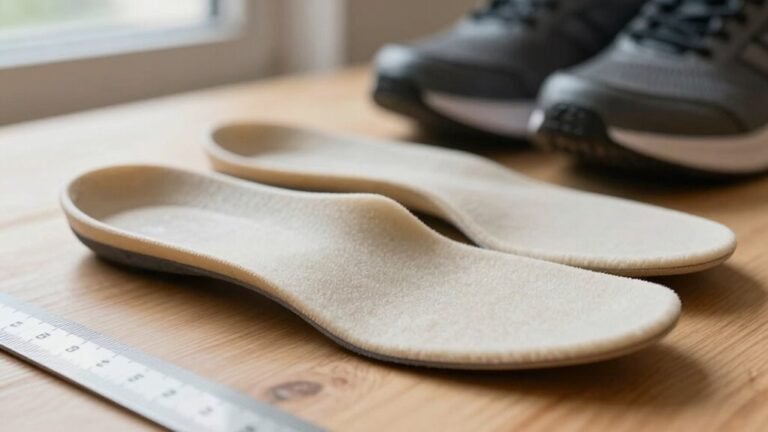
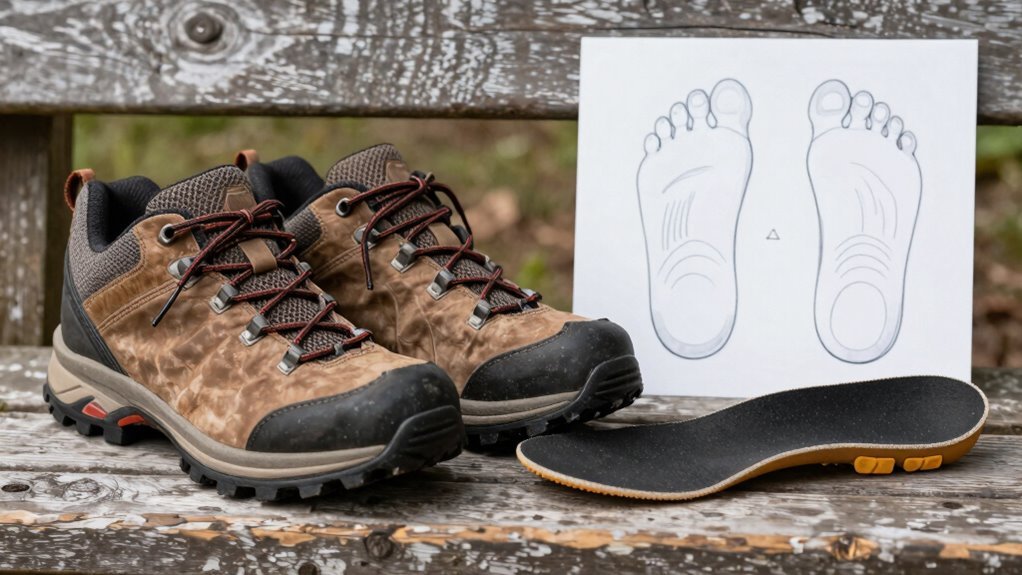
Test shoes at day’s end when feet are biggest, and bring your orthotics.
Walk on an incline—no sliding, no scrunching.
And hey, your bigger foot wins; always fit to that one.
Choosing the right closure system can make or break your hike—laces offer precision, BOA dials allow glove-friendly adjustments, and speed lacing gets you trail-ready fast.
Know your feet, and they’ll carry you happy all trail long.
Match Your Shoes to the Terrain
When the trail throws a few rocks or puddles your way, you’ll want shoes that can keep up without weighing you down—think of it like picking the right playlist for a road trip, only this time your feet are calling the tune.
Match your footwear to the terrain, and every step feels like it’s in rhythm.
Your choice should reflect the trail’s challenges, since terrain difficulty dictates the level of burly-ness, waterproofing, and flexibility needed for a successful hike.
- For smooth, flat trails, grab light hiking or trail-running shoes—flexible soles and low cuts mean comfort and speed with zero fuss.
- On rocky, uneven ground, go for mid-cut shoes with supportive soles—they handle roots, water crossings, and elevation changes like seasoned pros.
- For rugged mountains or snowy peaks, high-cut boots with stiff, grippy outsoles give you stability and protection where every step counts.
Pick wisely, and your boots won’t just survive the hike—they’ll help you crush it.
Choose the Right Type of Hiking Footwear
What kind of trail warrior are you, anyway—nimble ninja or rugged tank?
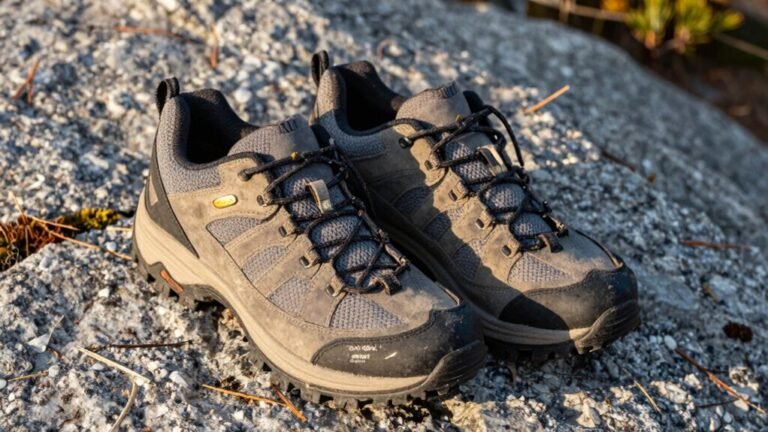
If you’re logging long miles on well-groomed paths, grab a pair of hiking shoes—they’re light, breathable, and dry fast, perfect for speed demons and hot-footed hikers.
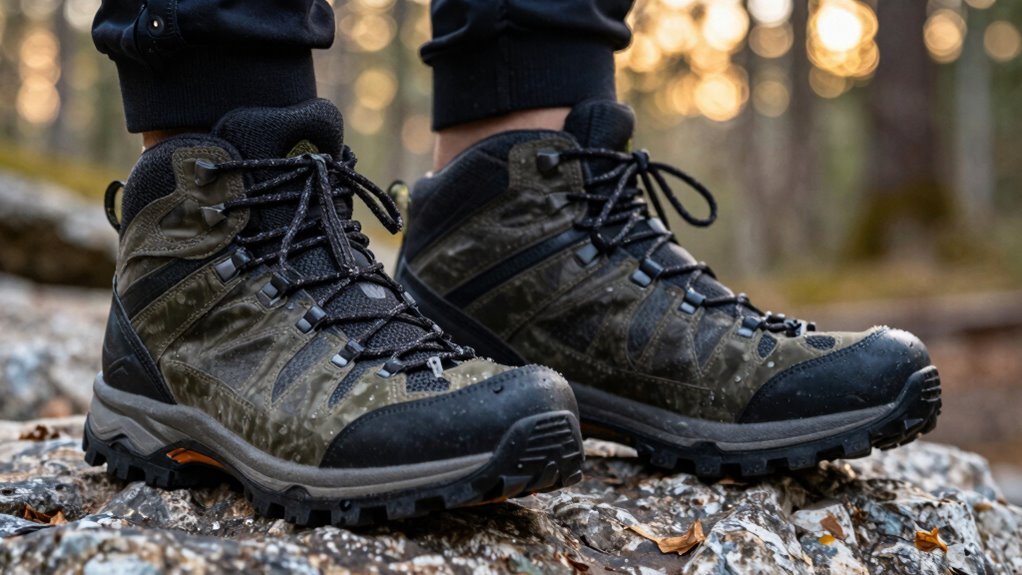
But if you’re tromping through rough, rocky terrain with a loaded pack, hiking boots give that ankle support and durability you’ll thank yourself for later.
Mountaineering boots? Save those for frosty, extreme climbs.
For the ultralight lovers, trail runners from Hoka or Altra slice weight without sacrificing cushion, ideal for thru-hiking marathons.
Think less armor, more agility.
And don’t sleep on midsole magic—EVA or TPU foam keeps your feet happy, while nubuck or leather-synthetic mixes handle scrapes and scuffs.
Pick your role, then suit up accordingly—your feet won’t just follow the trail, they’ll own it.
Most hiking shoes last around 800–1000 miles before needing replacement.
Prioritize Grip and Sole Durability
Your sole-mate on the trail isn’t just a punchline—it’s your outsole.
Choosing one that grips and lasts makes all the difference when you’re scrambling over slick rocks or plowing through mud.
You want traction that sticks, not slips, and rubber tough enough to laugh at sharp stones.
Don’t just take our word—here’s what really matters:
- Material Matters: Vibram and Contagrip dominate for durability, with Vibram’s Megagrip lasting 500–1000 miles and Contagrip shrugging off years of abuse.
- Lug Depth & Design: Go deeper than 4 mm for rocky trails, and pick widely spaced, multi-directional lugs to bite into terrain and shed gunk.
- Rubber Hardness: Soft sticky rubber grips wet rocks like ASICSGRIP, but harder compounds with carbon additives endure longer on rough trails. Match it right, and your soles won’t tap out before you do.
Consider Weather and Overboot Compatibility
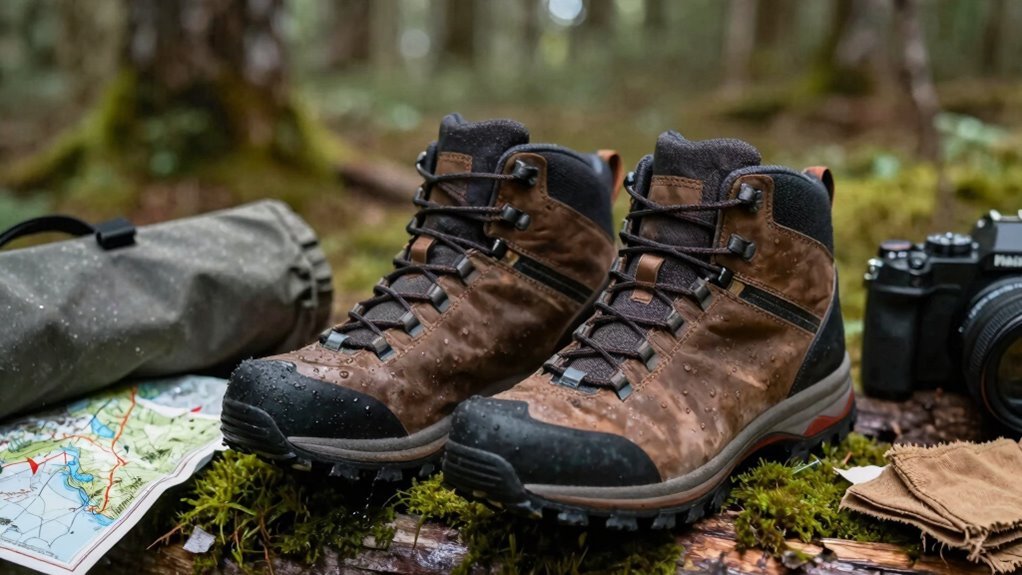
Though the trail might start dry and mild, weather has a sneaky way of turning on you—especially when you’re knee-deep in autumn’s slush or caught in a surprise spring shower.
Don’t let wet, cold feet ruin your adventure—grab a pair of waterproof boots with Gore-Tex or similar tech to keep moisture out while letting sweat escape.
For cold or snowy hikes, go for boots with 200–400 grams of insulation; they’ll keep your toes toasty even when soaked.
Mid-height styles offer great ankle support and help block mud and snow from sneaking in.
If you’re braving icy slopes, check for crampon compatibility—some boots are built to lock those right in.
And hey, skip the waterproof boots on hot, dry days—they’ll just turn your feet into steamy saunas.
Match your gear to the season, and your feet will thank you every mile.
Frequently Asked Questions
How Long Do Hiking Shoes Typically Last?
Hiking shoes typically last you 600 to 1,000 miles, depending on use and terrain.
You’ll get about 1 to 2 years from trail runners, while sturdier boots can go 3 to 5 years.
Rough trails and heavy loads wear them faster, like socks in a laundry disaster.
Store them properly, and check for worn treads or stiff midsoles—they’re not immortal, but with love, they’ll carry you far.
Can I Wear Hiking Shoes for Everyday Use?
Yeah, you *can* wear hiking shoes every day, but you mightn’t want to all the time.
They’re tough and supportive, great for errands with extra cushion, but they’re heavy, sweaty, and a bit clunky for pavement.
Think of them as weekend warriors—awesome outdoors, overkill for Netflix and chill.
If you love them daily, grab low-cut, lightweight ones that won’t sabotage your dance moves—or your pedals.
Are Expensive Hiking Shoes Worth the Price?
Yeah, expensive hiking shoes can be worth it, but only if you need what they offer.
You’re getting premium comfort, killer durability, and awesome support—perfect for rough trails or heavy loads.
But hey, you won’t always outshine budget boots; some $50 kicks impress just as much!
How Do I Break in New Hiking Shoes?
You break in new hiking shoes by wearing them around the house first—yeah, looking silly counts as training!
Start with a few hours, then walk the block, then short trails.
Use the socks and insoles you’ll hike in, and snug up the laces.
Flex ’em, stretch tight spots gently, and let your feet toughen up—calluses are your new BFFs.
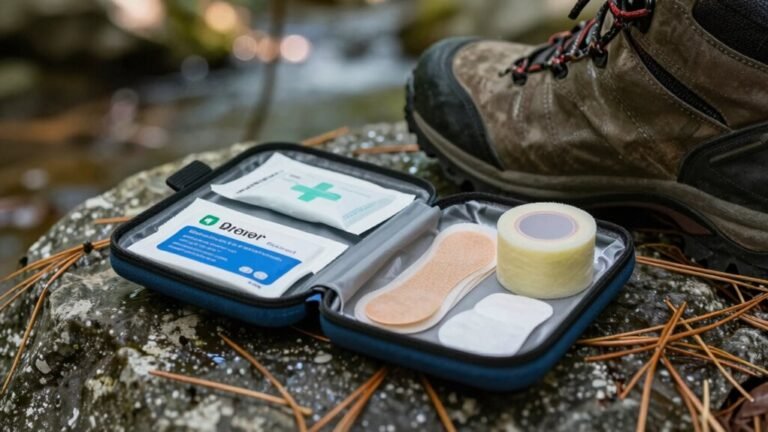
No blisters, just adventure prep!
Should I Size up for Hiking Shoes?
Yeah, you should size up—especially if you’re hitting the trail for long distances.
Your feet swell, and cramped toes make for a miserable hike.
Go a half to full size bigger so your dogs have room to breathe.
Check that there’s about a thumb’s width of space at the front and your arch lines up with the shoe’s bend.
Trust us, happy feet mean epic adventures, not blister-filled disasters!
Conclusion
You’ve got your feet on the right path now—literally! Think of your hiking shoes like trusty sidekicks, ready to tackle mud, rocks, and surprise puddles with a wink. Pick the pair that hugs your feet just right, grips like a mountain goat on espresso, and laughs at bad weather. Lace up with confidence, adventurer, because the trail’s not calling—it’s cheering! Go show those peaks who’s boss.
References
- https://www.thenorthface.com/sv-fi/help-section/faq/products/how-should-hiking-shoes-fit
- https://bootworld.com/blogs/advantage/how-to-determine-the-best-fit-for-hiking-boots
- https://thebackpackguide.com/how-to-choose-hiking-shoes
- https://masterfitinc.com/how-to-get-a-good-fit-for-hiking-boots/
- https://www.rei.com/learn/expert-advice/hiking-boots.html
- https://www.youtube.com/watch?v=Ll3imgiSZik
- https://www.thehikinglife.com/gear/the-hiking-footwear-guide/
- https://kizik.com/en-ag/blogs/news/how-should-hiking-shoes-fit
- https://scarpa.com/blogs/news/how-to-choose-mountain-shoes
- https://stories.hanwag.com/en/how-to-choose-hiking-boots-finding-your-model/