5 Best Gaiters for Tackling Mud and Snow Without Slipping Up
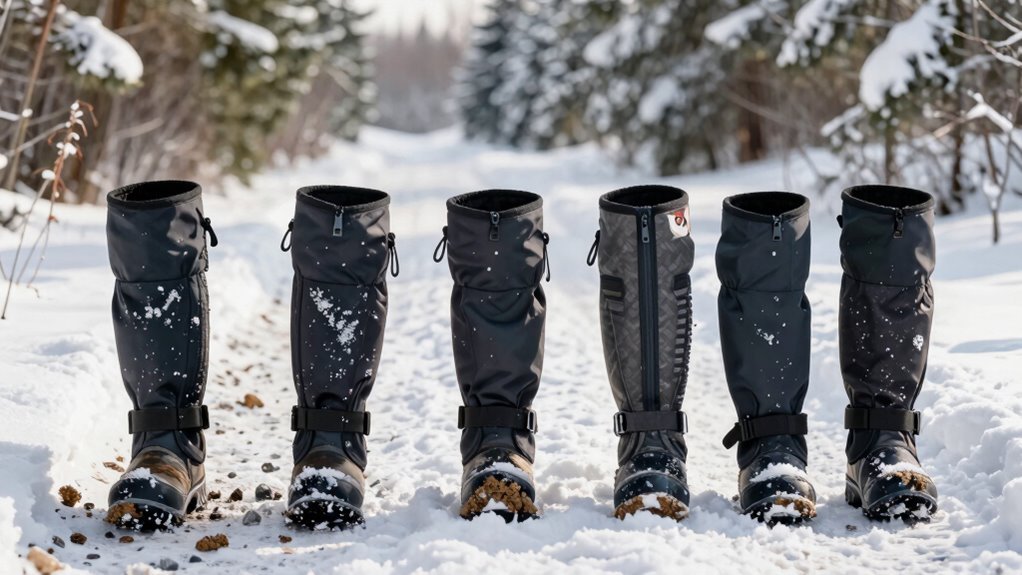
You’re trudging through slushy trails or knee-deep mud, and your boots are doing fine—until grit sneaks over the rim, soaking your socks in minutes.
The right gaiters for tackling mud and snow make all the difference, keeping debris and moisture out mile after mile.
Ever wonder why some gaiters seal out debris while others fail by mile two?
It comes down to rustproof buckles, 40–60 denier ripstop fabrics, and precise ankle contours that actually stay put.
But which models balance durability, fit, and weather resistance without overpromising?
The best gaiters for tackling mud and snow combine rugged materials with secure closures to handle the harshest conditions.
| Pike Trail Adjustable Waterproof Leg Gaiters | Best Overall | Waterproof: Waterproof; 360-degree wraparound | Material: Nylon, Polyester | Fit Adjustability: Fully adjustable; 3 rustproof stainless steel buckles | VIEW LATEST PRICE | Read Our Analysis | |
| Unigear Waterproof Leg Gaiters for Hiking | 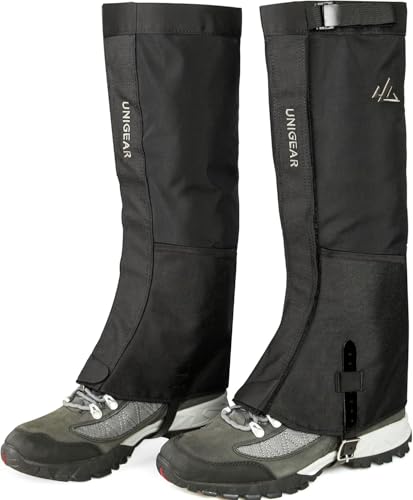 | Most Durable | Waterproof: TPU water repellent; waterproof threshold >8000mm | Material: TASLON upper, 1000D Nylon lower | Fit Adjustability: Adjustable top strap with buckle; reinforced magic tape; lace hook | VIEW LATEST PRICE | Read Our Analysis |
| Waterproof Adjustable Hiking Gaiters for Men and Women |  | Lightweight Pick | Waterproof: Water resistant, serves as waterproof protection | Material: Polyester | Fit Adjustability: Drawstring, front paste, top elastic; single size fit most | VIEW LATEST PRICE | Read Our Analysis |
| Waterproof Adjustable Leg Gaiters for Hiking |  | Top-Rated Choice | Waterproof: Waterproof adjustable leg gaiters | Material: 3-in-1 composite nylon | Fit Adjustability: Wide Velcro straps; shoelace hooks | VIEW LATEST PRICE | Read Our Analysis |
| Low Gaiters for Hiking and Skiing | 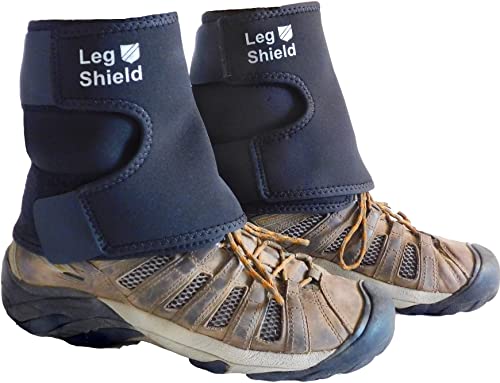 | Budget-Friendly Pick | Waterproof: Water resistant (basically waterproof; minor seepage possible) | Material: Neoprene | Fit Adjustability: Hook & Loop design; two fastener straps | VIEW LATEST PRICE | Read Our Analysis |
More Details on Our Top Picks
Pike Trail Adjustable Waterproof Leg Gaiters
If you’re trudging through thorn-choked trails or wading into slush-heavy backcountry, the Pike Trail Adjustable Waterproof Leg Gaiters lock in protection without locking you into bulky gear. They’re ideal for hikers, hunters, and anglers who want lightweight defense against mud, snow, and punctures.
You’re getting a durable nylon-polyester blend that shrugs off water and wraps 360 degrees, blocking wetness and thorns with ease. Though, let’s be real—will anything truly stop a determined deer tick?
Three rustproof buckles and sturdy foot straps let you dial in a secure fit over any boot. The design works under or over pants, adapting to your preference and inevitable fashion compromises.
- Waterproof:Waterproof; 360-degree wraparound
- Material:Nylon, Polyester
- Fit Adjustability:Fully adjustable; 3 rustproof stainless steel buckles
- Intended Use:Hiking, hunting, trekking, fishing
- Boot Compatibility:Fits securely over hiking boots; sturdy foot straps
- Weight/Portability:Lightweight alternative to boots
- Additional Feature:360-degree wraparound protection
- Additional Feature:Rustproof stainless steel buckles
- Additional Feature:Puncture resistant to thorns
Unigear Waterproof Leg Gaiters for Hiking
When you’re slogging through slush-choked trails or breaking trail in fresh powder, Unigear Waterproof Leg Gaiters stand between you and soaked socks. Their 1000D Nylon lower leg laughs at abrasion, while the TASLON upper ensures breathability stays above 8000g/㎡·24hrs.
You’ll stay dry thanks to a TPU coating with a waterproof rating over 8000mm. This shields against snow and slush packing around your boots—though no gaiter truly survives a river crossing.
The ergonomic curve hugs your calf for a secure fit, and the thick TPU instep strap won’t snap even in freezing temperatures. Reinforced magic tape holds strong, staying put during scrambles over jagged rocks or through dense backcountry brush.
- Waterproof:TPU water repellent; waterproof threshold >8000mm
- Material:TASLON upper, 1000D Nylon lower
- Fit Adjustability:Adjustable top strap with buckle; reinforced magic tape; lace hook
- Intended Use:Hiking, Hunting, Climbing, Mountaineering, Skiing
- Boot Compatibility:Seal around boots/shoes; lace hook prevents loosening
- Weight/Portability:Lightweight, breathable
- Additional Feature:Ergonomic ankle curve design
- Additional Feature:Upgraded thick TPU instep strap
- Additional Feature:Reinforced magic tape closure
Waterproof Adjustable Hiking Gaiters for Men and Women
You’re not just hiking—you’re battling the slush, snow, and trailside muck that sneaks into boots when you least expect it. That’s where these 2.4-oz waterproof gaiters shine, shielding your lower legs and feet with a lightweight, breathable polyester shell (imported) that resists tears while repelling water like a well-waxed jacket.
You’ll stay dry and warm on winter hikes, thanks to their waterproof design and snug, adjustable fit. Secured with a drawstring, front hook, and elastic top, they work for most men and women and fit easily over boots or trail shoes.
Toss them on quickly, hike all day, then stow them in the included carry bag. They’re not magic, but close—offering convenience and reliable protection when you need it most.
Whether you’re hiking, hunting, or post-holing through fresh powder, these gaiters handle slush, snow, rocks, and mud without buckling. They won’t stop you from faceplanting on ice—but isn’t staying dry worth a little graceless sliding?
- Waterproof:Water resistant, serves as waterproof protection
- Material:Polyester
- Fit Adjustability:Drawstring, front paste, top elastic; single size fit most
- Intended Use:Hiking, hunting, running, walking, skiing
- Boot Compatibility:Perfect fit with most boots, shoes
- Weight/Portability:2.4 oz per pair
- Additional Feature:Includes storage bag
- Additional Feature:Winter warmth retention
- Additional Feature:Drawstring and elastic closure
Waterproof Adjustable Leg Gaiters for Hiking
These gaiters aren’t just another add-on—they’re a game-changer for hikers who routinely face wet, messy terrain and need reliable protection without sacrificing packability. You’ll appreciate the 3-in-1 composite nylon—it’s drip-proof, breathable, and handles snow or mud like a pro.
The wide Velcro straps let you customize the fit over pants or base layers, ensuring a secure seal against debris. Shoelace hooks keep them snug at the ankle—no tripping over loose flaps—and the TPU straps won’t stiffen in freezing temps or degrade in heat.
Reinforced stitching boosts durability, but at just 0.34 kg, they fold into a palm-sized bag—perfect for tight packs. Sure, the small-medium size might limit larger calves, but for most, the GT1188s strike a smart balance between performance, weight, and price—what more do you actually need?
- Waterproof:Waterproof adjustable leg gaiters
- Material:3-in-1 composite nylon
- Fit Adjustability:Wide Velcro straps; shoelace hooks
- Intended Use:Hiking, hunting, mountain climbing, snowshoeing, skiing
- Boot Compatibility:Shoelace hooks ensure snug boot fit
- Weight/Portability:Lightweight, folds into storage bag
- Additional Feature:3-in-1 composite nylon
- Additional Feature:Shoelace hooks included
- Additional Feature:Reinforced stitching for durability
Low Gaiters for Hiking and Skiing
Neoprene low gaiters with a snug 6.5-inch tall fit and 1/8-inch thickness offer hikers and cross-country skiers a streamlined defense against mud, snow, and slush. They’re ideal for moderate terrain and dry snow conditions.
You’ll love the hook-and-loop design: two sturdy straps make on and off a breeze, with no under-boot strap or lace hook needed. This convenient setup ensures quick use without compromising security.
Premium materials like windproof, water-resistant neoprene keep feet dry in light wet conditions—nearly waterproof, though slight seepage at seams can happen. Zig-zag stitching enhances durability for regular trail use.
One size fits most adults, and each pack includes a pair. Great for yard work or casual trails, but not recommended for deep powder or rugged backcountry where more robust protection is needed.
- Waterproof:Water resistant (basically waterproof; minor seepage possible)
- Material:Neoprene
- Fit Adjustability:Hook & Loop design; two fastener straps
- Intended Use:Hiking, cross-country skiing, yard work
- Boot Compatibility:No strap under boot; no shoelace hook
- Weight/Portability:Lightweight, pair included
- Additional Feature:Neoprene snug fit
- Additional Feature:No under-boot strap
- Additional Feature:Windproof and water resistant
Factors to Consider When Choosing Gaiters for Mud and Snow
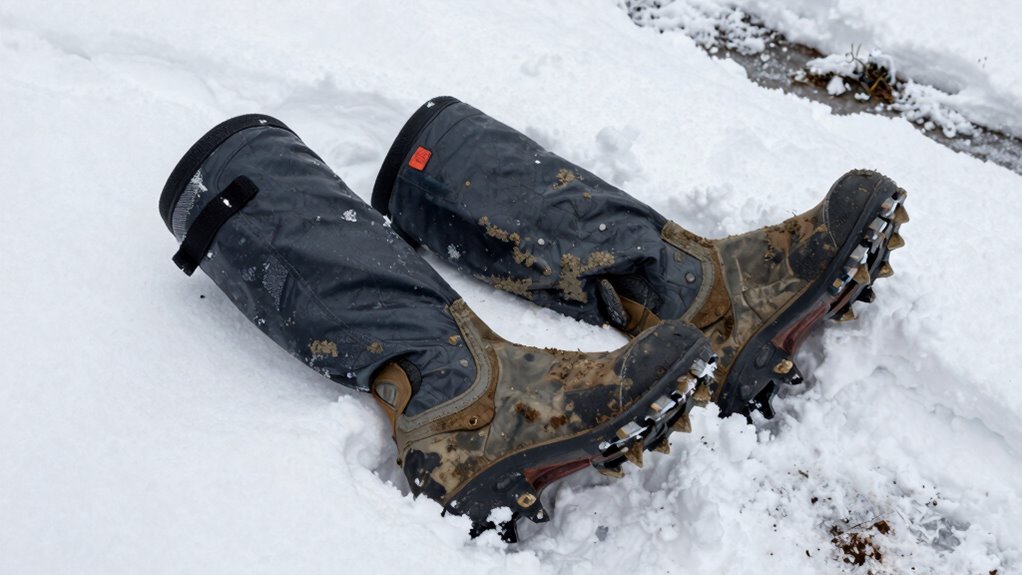
You’ll want gaiters that actually keep mud and snow out—so check the waterproof material quality, like 10,000mm hydrostatic head ratings or seam-sealed construction, because nobody’s impressed when their socks soak through by mile three. Adjustable fit options (think elastic closures, Velcro straps, or bungee toggles) mean you can snug them around bulky boots without sacrificing comfort or leaving gaps for debris to sneak in. And while easy on-and-off features save time, ask yourself: is that convenience worth compromising durability in freezing, abrasive conditions—or are you just courting a mid-hike repair with duct tape and hope?
Waterproof Material Quality
When you’re trudging through slush-filled trails or side-stepping icy creek crossings, a gaiter’s waterproof material can mean the difference between dry comfort and soggy regret. So it’s worth paying attention to the specs that actually matter.
Look for a waterproof rating above 8,000 mm; it handles rain and puddle pressure without leaking. Water-repellent finishes help, too—beading up droplets so they roll off instead of soaking in.
You’ll want a dedicated layer like TPU bonded to breathable outer fabric, since it blocks moisture while letting sweat escape. It’s not magic, just smart design.
Reinforced 1000D nylon at the lower leg fights abrasion from rocks and roots. Honestly, who doesn’t love a little durability upgrade?
Multi-layer composites add drip-proof protection without sacrificing flexibility. Sure, no gaiter laughs at deep river fords—but for slush, snowdrifts, and wet brush, these features keep you dry longer.
Isn’t that what you’re really after?
Adjustable Fit Options
A well-fitting gaiter stays put without pinching—thanks to thoughtful adjustability that adapts to your leg shape and gear. Multiple adjusters, like three rustproof stainless steel buckles, allow you to fine-tune the calf and boot closures when navigating slush or climbing icy slopes.
Fully adjustable designs accommodate a wide range of leg diameters, typically from 14 to 20 inches, and work with various boot heights—from low-top hiking shoes to bulky winter mountaineering boots. They stay secure without sagging or constricting, ensuring consistent comfort and performance.
Quick-adjust top straps let you tighten the gaiter on the fly, which is especially useful mid-ascent when your leg swells slightly. This on-the-move adaptability helps maintain a snug, irritation-free fit through changing conditions.
Secure closures—such as reinforced hook-and-loop, lace hooks, or magnetic hybrids—keep dirt, snow, and debris out during rugged scrambles. These features prevent unwanted buildup that can compromise mobility and comfort.
A smart combination of drawstrings, front zips, and elastic tops eliminates common gaps, especially at the ankle. This seal is critical over pants and boots, particularly in deep snow or when trekking through clinging mud.
Durability in Harsh Conditions
Why do some gaiters survive brutal alpine scrambles while others fall apart after a weekend of mud-soaked trails? You’re not just fighting snow and muck—you’re battling abrasion, flex fatigue, and constant wet-dry cycles that eat through weak seams and flimsy fabrics.
That’s why you need 1000D nylon or 3-in-1 composite nylon: these high-abrasion materials shrug off rocks, roots, and thorns like a pro. Reinforced stitching and puncture-resistant panels keep tears at bay, even when you’re grinding through scree.
Don’t overlook the small stuff—rustproof buckles, secure lace hooks, and TPU fasteners maintain integrity after hours of bending and stomping. A snug, ergonomic fit isn’t just comfy—it reduces flap and stress on seams, which means less chance of blowouts in freezing, soggy terrain.
You want gaiters that last weeks, not weekends—so skip the bargain bins and invest in rugged design that actually earns its place on your legs.
Protection Against Debris
How well do your gaiters really seal the deal when you’re plowing through slush-choked switchbacks or kicking steps across scree-covered snowfields? If they’re leaving gaps, you’re basically inviting a slow parade of grit and grime into your boots—one that ruins your stride and softens your socks.
Look for 360-degree wraparound coverage; it’s not just marketing fluff, it’s what keeps mud, dirt, and sharp little rocks from sneaking in from the sides or heel. You’ll want a snug seal around your boots too—no point having armor if the castle door’s open.
Reinforced lace hooks and tight ankle fits close off common entry points, especially when you’re lunging uphill or side-stepping ice. Water-repellent fabrics help too, shedding muck instead of holding it like a sponge.
And don’t sleep on wide Velcro straps or sturdy top latches—on rocky descents, they’re what keep everything locked down tight.
Ease of On and Off
Ever struggle to yank gaiters on over muddy boots while balancing on a soggy trailhead log—only to have them slip off ten steps in? You’re not alone.
Look for wide Velcro straps or hook-and-loop closures—they secure quickly around your calf and boot, cutting setup time by nearly 30 seconds per leg. Adjustable top buckles help lock the fit, so you’re not readjusting mid-hike.
Drawstrings or elastic hems offer a snug seal that’s still easy to release when it’s time to take them off. Shoelace hooks keep gaiters from sagging when you flex your ankle, speeding both donning and removal.
With low-profile fasteners and simple two-strap designs, you’ll slide them off without wrestling—but only if you skip overly fiddly clips.
Compatibility With Footwear
What if your gaiters don’t play well with your favorite boots—or worse, leave a gap at the ankle just wide enough for a marble to slip through (about 0.8 inches, but who’s measuring)? You’ll want models with sturdy foot straps or shoelace hooks that lock the gaiter securely under your boot, stopping snow, mud, or grit from sneaking in.
Look for an ergonomic ankle contour that molds snugly around different footwear—whether low-cut shoes or burly hiking boots—so the seal stays tight. Adjustable top straps and quick-sizing clips let you fine-tune the fit across various boot heights (typically 6–10 inches).
Universal designs claim one-size-fits-most but still require checking sole height compatibility. Some gaiters work best over pants, others under, so match the style to your layering system.
Don’t assume fit—test them with your actual gear before hitting the trail.
Insulation for Cold Weather
Your gaiters might seal tight against mud and snow, but if they’re not trapping heat around your ankles and lower calves, your feet will still feel the cold. Warmth retention is just as important as weather protection in winter conditions.
Neoprene or similarly insulated materials are your best bet, thanks to their ability to trap warm air and reduce heat loss. Look for designs with 1/8-inch-thick insulation, which offer a smart balance of warmth and flexibility.
Models advertised for “all-day winter warmth” usually combine sealed seams with thermal linings, blocking moisture and retaining heat. These features work together to create a more effective thermal barrier.
A snug fit is crucial—use elastic, drawcords, or adjustable straps to secure the gaiters and prevent cold air from sneaking in. Without a tight seal, even the best insulation can’t perform efficiently.
For extreme cold, pair your gaiters with warm socks or choose models specifically rated for harsh winter use. Otherwise, you’re risking discomfort or even frostbite in frigid conditions.
Lightweight and Packable Design
While you might assume cutting weight means sacrificing protection, modern lightweight gaiters prove otherwise—built from precisely 40–60 denier ripstop nylon or silicone-coated fabrics, they deliver serious defense against mud and snow while tipping the scales at under 6 ounces per pair.
You’ll appreciate how minimal hardware—think one buckle, slim hook-and-loop straps—trims bulk without compromising fit, even on rocky trails. These models pack down small, often folding into a pocket-sized pouch or your hip belt loop, making stowage effortless when skies clear or terrain dries.
And really, isn’t it nice to have gear that doesn’t hog space? Despite their slim profile, many still offer water-resistant or fully waterproof membranes, so you’re not trading core function for convenience.
Sure, ultralight builds won’t handle decades of abuse like heavy-duty pairs, but for day hikes or unpredictable weather, they strike a smart, agile balance.
Frequently Asked Questions
Can Gaiters Be Worn With Any Type of Footwear?
You can wear gaiters with most footwear, but they work best with hiking boots or trail shoes that have a defined ankle rim. Slip-on shoes or smooth soles might not secure them properly, so check fit and compatibility before hitting muddy or snowy trails.
Are Gaiters Machine Washable or Require Special Cleaning?
Most gaiters are machine washable, but you’ll want to check the care label first. You can toss them in cold water on a gentle cycle, but you shouldn’t use bleach or high heat when drying—just air dry to keep them in top shape.
Do Gaiters Make Your Legs Overheat During Summer Hikes?
You’ll probably feel warmer in gaiters on summer hikes, but breathable models won’t trap heat too much. You stay cooler by choosing lightweight, mesh designs—they let airflow while still shielding your legs from debris and brush effectively.
Can I Use Gaiters for Activities Other Than Hiking?
Yeah, you can use gaiters for more than just hiking. They’re great for snowshoeing, trail running, hunting, or walking in muddy or snowy conditions. They keep debris out, work in rain or frost, and protect your lower legs no matter the outdoor grind you’re into.
How Tight Should Gaiters Fit for Optimal Performance?
You should snugly secure gaiters—they’re 40% more effective when fitted tightly without cutting circulation. They’ve got to stay put during swift moves, seal out debris, and flex with your stride, so check tension after each adjustment to keep them functioning right.
Conclusion
So, you’ve survived mud that grabs like quicksand and snow that sneaks like a thief—congrats, your gaiters did their job. Sure, no gaiter’s perfect (because, obviously, they can’t also pack your lunch), but with 40–60 denier ripstop, 6–10 inch boot hugs, and rustproof buckles? You’re dry, sealed, and stable—ironically, the only thing slipping was your doubt.