Do You Really Need Keeping Gear Dry?
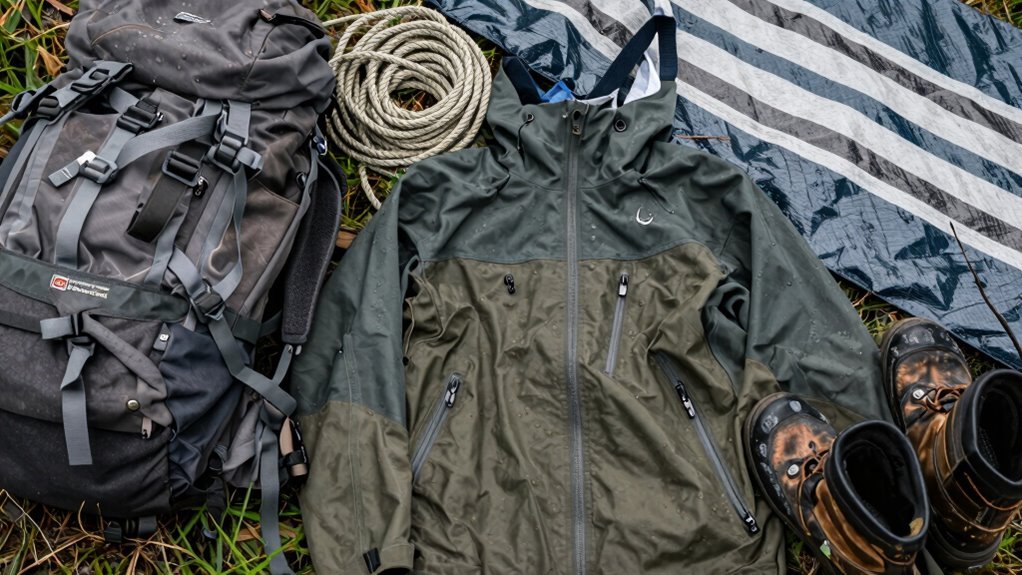
Yeah, you really do need to keep your gear dry—especially your sleeping bag and clothes. Water sneaks in, ruins gear, and brings mold along for the ride.
Nothing kills a trip faster than shivering in a damp bag or wrestling with soggy socks. Dry gear keeps you warm, light, and moving fast.
And hey, staying dry shouldn’t mean lugging around a heavy dry bag or looking like a trash bag fashion victim. There’s a smarter, lighter way to win every weather battle—keep going, and you’ll see how.
The Real Cost of Moisture Damage
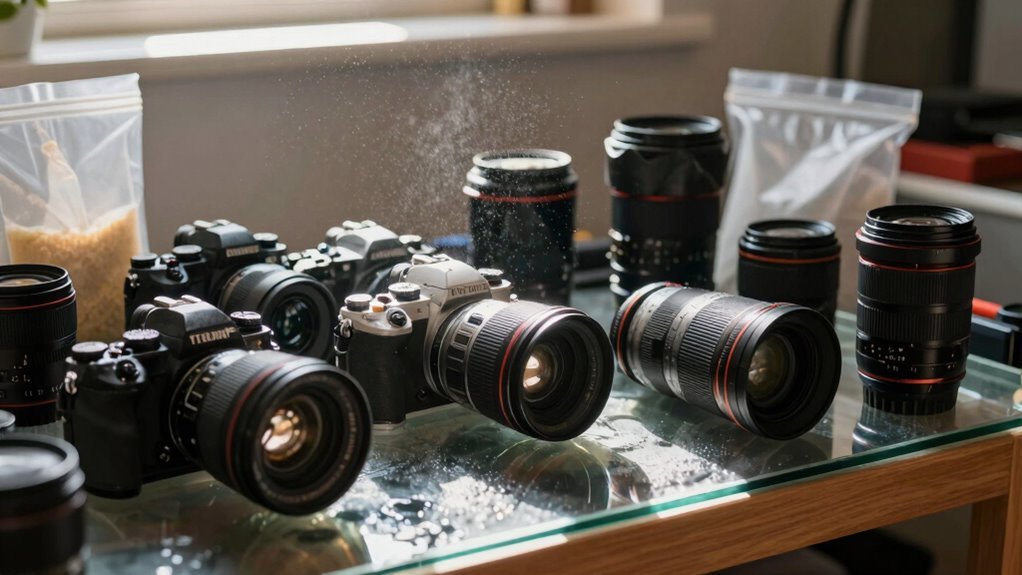
Ever wonder why your brand-new hiking jacket arrives smelling like a damp basement? Well, you’re not alone—and it’s not your fault.
Moisture sneaks into containers during shipping, and surprise! Your gear pays the price.
Around 12% of all container damage comes from dampness, and with global outdoor gear sales soaring past $55 billion, that adds up fast.
You’re basically funding a soggy surprise party for mold and mildew.
This isn’t just about stinky zippers—it’s about gear failing early, repairs piling up, and planet-hurting waste.
And let’s be real: no one wants their “adventure-ready” jacket crying damp tears on the first trail.
The financial hit? Massive, even if no one’s nailing down exact numbers.
Re-packing often follows moisture exposure, adding hidden costs for brands and consumers alike.
So when your shiny new jacket feels suspiciously clammy, remember—it survived the ocean, but barely.
Time to fight back with better storage, maybe a silica buddy, and definitely some good vibes.
When Dry Gear Actually Matters
You just spent good money on gear that’s supposed to keep you dry, warm, and ready for anything—don’t let a surprise splash or soggy sleeping bag ruin the fun.
Whether you’re kayaking through rapids or hiking in sudden sleet, dry gear keeps you safe and smiling.
Water chills you fast, so damp clothes or a wet sleeping bag can turn a thrilling trip into a shivering disaster.
Dry bags with roll-top seals? They’re your gear’s best friend—toss in phones, clothes, or snacks, and they stay bone dry, even when flipped off your paddleboard.
Plus, they clip right onto your boat or pack, so nothing gets lost.
In cold weather, staying dry isn’t just comfy—it’s survival.
And let’s be real, nobody likes opening their backpack to a swampy mess.
Keep wet clothes quarantined in a dry bag, because nobody’s impressed by accidental laundry soup.
These bags are built with waterproof materials like PVC to ensure protection even when submerged.
Stay dry, stay warm, and keep the adventure fun.
Items That Can Handle a Little Damp
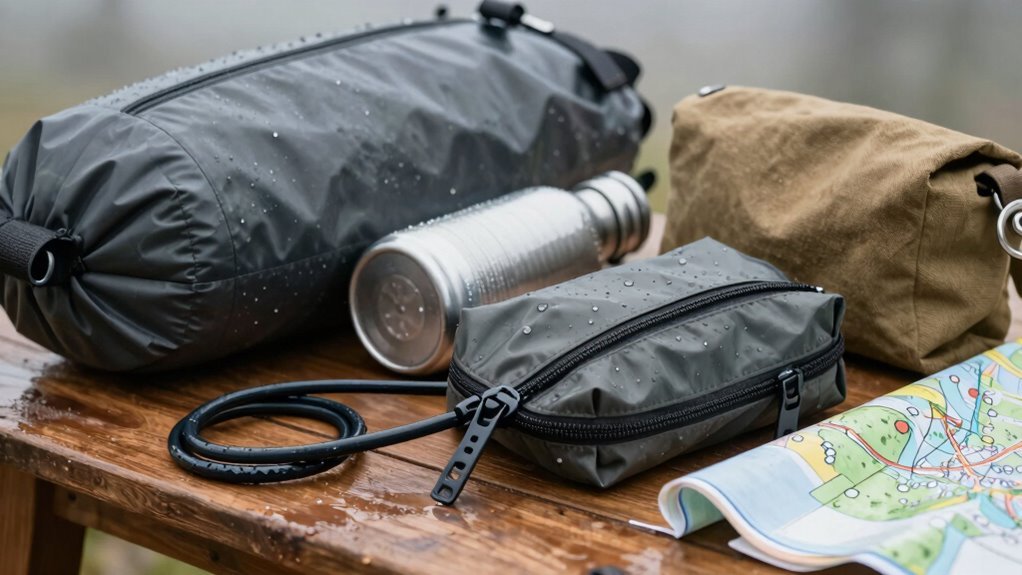
Most of your gear can take a splash or two without throwing in the towel—some even thrive in the damp.
Your raingear sheds water like a duck, handling rain and paddle splashes just fine, even if it’s not meant for swimming.
Rubber boots? They’re built for muck and puddles, keeping feet dry and slips at bay.
Waterproof gloves let you grip tools tightly, even when it’s wet or drizzly, and they’ve got your back in mucky jobs or chemical splashes.
Synthetics beat wool when things get soggy—faster drying, better performance.
And forget down; it quits when wet.
Wetsuits love water, using neoprene to trap warmth and fight cold shock.
Even contractor bags can play dress-up as emergency raincoats—they’re silly but work.
Sure, DWR coats fade over time, but your gear’s tougher than you think.
A little damp won’t wreck your day, so go ahead and splash through.
Proper slip-and-fall prevention helps maintain safety on wet job sites where puddles and rain are unavoidable.
Common Waterproofing Myths Debunked
How often do people think a quick fix is all it takes to keep water out? Spoiler: way too often. Let’s bust some myths before your gear (or basement!) pays the price:
- Believing a paint coat stops leaks – sorry, but that’s like using a bandage on a broken pipe.
- Thinking new = invincible – even brand-new builds crack under pressure (literally).
- Assuming waterproofing is seasonal – mold doesn’t clock out after monsoon season.
- Trusting DIY for big jobs – without the right tools, you’re just rearranging the deck chairs on the Titanic.
Water’s sneaky—it slips through cracks, builds pressure, and laughs at half-measures.
Skip the myths, go full protection, and stop playing hide-and-seek with damp.
Your stuff will thank you when everything stays dry, cozy, and totally drama-free.
Lightweight Alternatives to Heavy Dry Bags
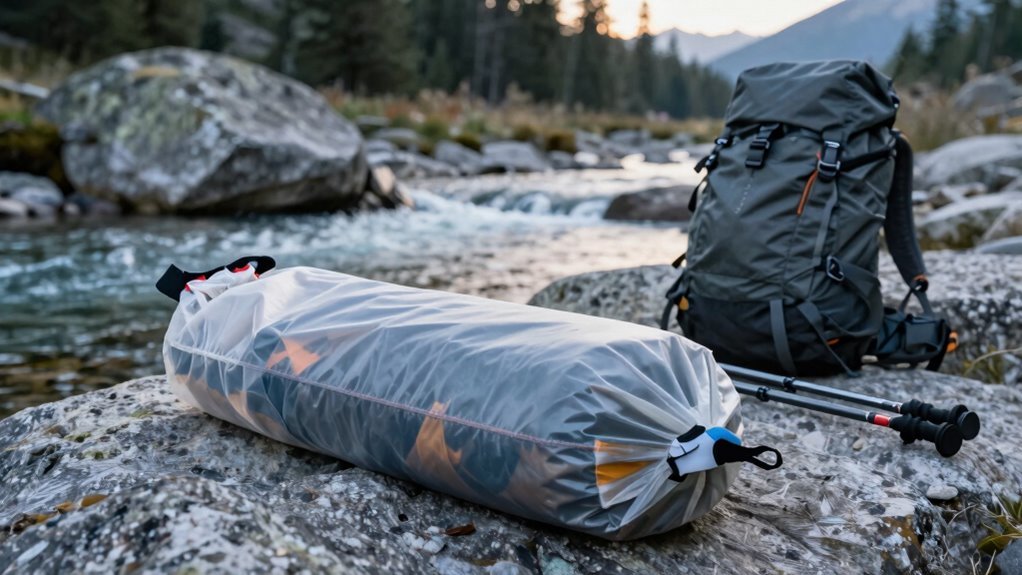
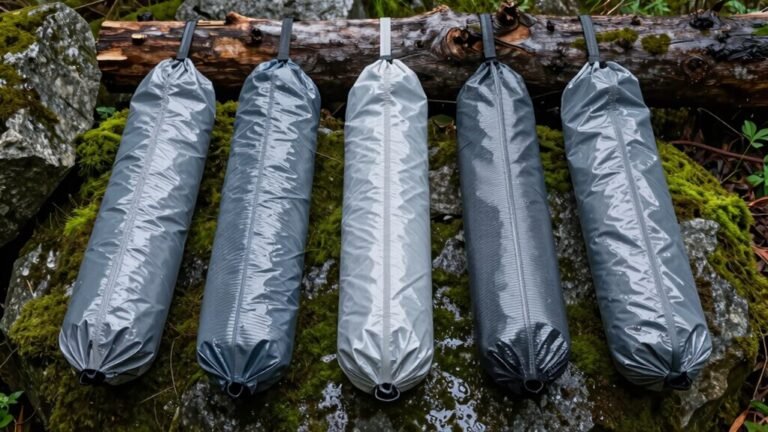
While your grandma might swear by that heavy-duty vinyl dry bag, there’s a whole world of featherlight options that won’t weigh you down or take up half your pack.
You’ve got Dyneema bags like HMG and Zpacks—tough, crazy light at under an ounce, and super waterproof, though they’ll cost you a bit more.
If you’re budget-conscious, sil-nylon sacks from Sea to Summit or REI are great, packing down small and saving grams without breaking the bank.
Sure, they need seam sealing and aren’t quite as tough, but they still beat getting soggy socks.
Love compressing gear? Try eVent sacks—they squish out air but keep water out.
And hey, if you’re feeling crafty, trash compactor bags or ZipLocks in stuff sacks work in a pinch (just don’t drop ’em).
With options this light and smart, why lug around a boat anchor? Your future dry, happy boots say thanks.
How Humidity Affects Electronics Over Time
Over time, that sneaky humidity creeping into your gear can turn your prized electronics into a tech tragedy waiting to happen.
Just imagine your go-to gadget suddenly dying—not from drops or dust, but from invisible moisture wreaking havoc inside.
Here’s what keeps engineers up at night:
- Your circuits start *rusting* like an old garden tool—yes, even inside.
- Tiny shorts form like surprise puddles after rain, frying components faster than you can say “reset.”
- Glues and coatings weaken, making parts peel apart like a bad sticker.
- Mold throws a party on your motherboard—talk about uninvited guests!
Humidity doesn’t just knock; it kicks the door down when you least expect it.
That dampness seeps into chips, invites corrosion, and mucks up signals.
Before you know it, your sleek device is slower than dial-up.
Keep it dry, keep it safe—because nobody wants their tech to go out with a soggy whimper.
The Risks of Over-Packaging Your Gear
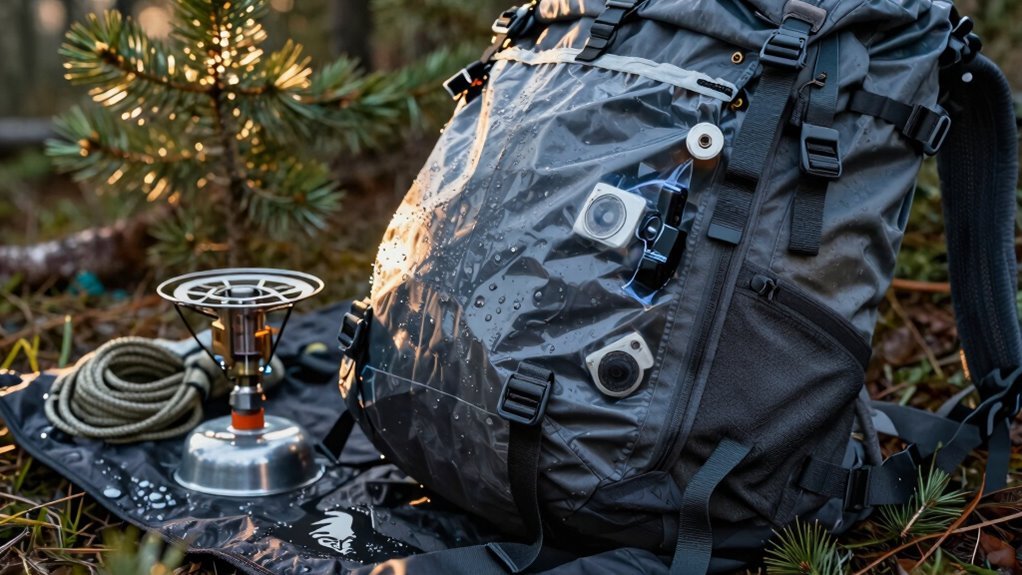
You’ve battled humidity like a pro, keeping your gadgets safe from sneaky moisture and moldy motherboard parties—but what if the very thing you’re using to protect your gear is causing a different kind of mess?
Wrapping your stuff in layer after plastic layer might feel responsible, but single-use mailers and slick waterproof coatings add up fast.
Every year, nearly 92 million tonnes of textiles end up in landfills, and synthetic fabrics shed thousands of microfibers—one fleece can release over 250,000!
Plus, those PFAS chemicals in waterproof gear? They’re everywhere, lasting thousands of years and showing up in rivers, rain, and even newborn babies.
You don’t need a plastic bubble; you need smarter choices.
Over-packaging isn’t safety—it’s pollution in disguise.
And honestly, Mother Nature’s not fooled.
Smart Strategies for Staying Dry Without the Bulk
Staying dry on the trail doesn’t mean you have to bundle up like a backpacking burrito.
You’ve got smarter, lighter ways to beat the rain without sweating buckets.
Ditch the heavy gear and try these game-changing moves:
- Slip into Zpacks Vertice Rain Pants (just 2.5 oz!) and feel like a nimble forest ghost, gliding through downpours.
- Pull on a Patagonia Storm Racer jacket—light, eco-friendly, and tough enough to handle surprise storms.
- Wrap yourself in a SilNylon poncho that doubles as a shelter, because who doesn’t love a two-in-one wonder?
- Try a rain cape with structure, keeping gusts at bay while you laugh at soggy hikers clinging to trash bags.
You’ll stay dry, move fast, and pack less—win, win, win!
Frequently Asked Questions
Can I Use Regular Ziplock Bags Instead of Dry Bags?
No, you can’t really swap regular Ziplock bags for dry bags if you’re serious about staying dry.
They might handle a splash, but dunk them and you’re toast—literally.
Dry bags laugh at rivers; Ziplocks cry and leak.
For paddling, rain, or clumsy moments, skip the kitchen staple.
Go for a real dry bag with roll-tops and welded seams.
Your gear’ll thank you—especially your socks.
Is Silica Gel Safe to Use With All Gear Types?
Yeah, you can safely use silica gel with most gear, but you’ve gotta be smart about it.
Keep it away from eyes, skin, and anything you eat.
Avoid cobalt chloride types—they’re sneaky and toxic.
It won’t hurt your electronics or metals, which is awesome.
Just don’t let it kick up dust near delicate moving parts.
Oh, and your grandma’s heirloom lace? Perfect match.
It’s like a tiny, silent bodyguard against dampness—super helpful, once you know the rules!
Should I Dry Wet Gear Immediately or Wait?
You should dry wet gear right away—don’t wait!
Leaving damp clothes sitting around invites musty smells and sneaky mold, and nobody wants a shirt that smells like a swamp.
Plus, drying right after washing saves you time and energy later.
Just toss them in, pick the right cycle, and let the dryer work its magic.
Trust me, future-you will rock a high-five for avoiding last-minute laundry panic!
Do Waterproof Cases Affect Touchscreen Sensitivity?
You bet waterproof cases can mess with your touchscreen—imagine poking jelly through a plastic bag, yeah?
Those seals block water, but they also dull your taps and swipes.
Thick films mean delays or ghost touches, especially when wet.
But don’t panic—premium cases use magic-thin films so you stay in control.
Pair with a good screen protector, and you’re golden.
Who knew tech could be this dramatic underwater?
Can I Machine-Wash My Waterproof Backpack?
No, you can’t machine-wash your waterproof backpack—don’t even think about it!
The spin cycle’s too rough, the heat melts glue, and your pack’s waterproof coating will hate you.
Instead, give it a spa day: soak it in soapy water, scrub gently, and rinse like you mean it.
Hang it upside down where it’s cool and breezy.
Boom—clean and dry, no drama.
Conclusion
You’ve got this—keeping gear dry doesn’t mean wrapping everything like a burrito in plastic! Turns out, 68% of outdoor gear failures happen from over-packing, not moisture. Who knew? So skip the drama, ditch the bulk, and let your stuff breathe. A little smart prep beats a mountain of dry bags. Stay light, stay dry(ish), and keep adventuring with a grin—your backpack (and shoulders) will thank you!
References
- https://absortech.com/damage-prevention/moisture-damage-risk/moisture-damage-costs/
- https://www.cognitivemarketresearch.com/outdoor-gear-market-report
- https://www.outsideonline.com/outdoor-gear/gear-news/outdoor-industry-layoffs/
- https://trellis.net/article/case-repair-great-outdoors/
- https://www.wiseguyreports.com/reports/outdoor-gear-repair-market
- https://scholarship.claremont.edu/cgi/viewcontent.cgi?article=2283&context=scripps_theses
- https://www.gminsights.com/industry-analysis/outdoor-apparel-and-accessories-market
- https://rawshot.ai/statistic/outdoor-apparel-industry/
- https://www.climaguard.co/blogs/climaguard-news/why-every-traveler-needs-a-dry-bag-your-ultimate-travel-companion
- https://www.beyondnordic.com/en-us/field-notes/waterproofing-and-breathability