Keeping Gear Dry Checklist for Your Next Hike
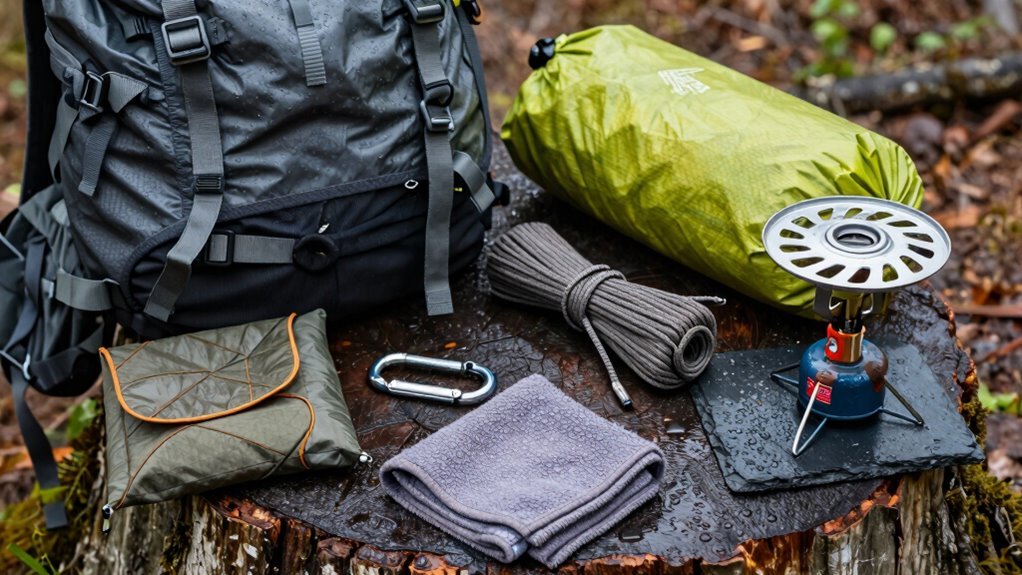
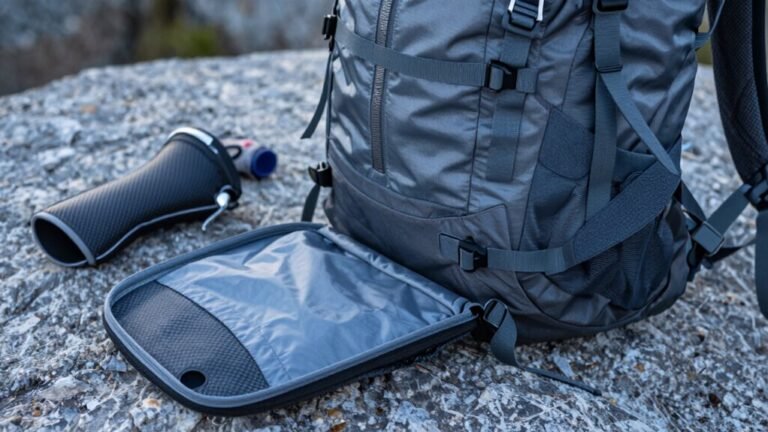
Keep your gear dry with a waterproof backpack featuring an IPX7 rating or roll-top closure—it’s your first line of defense against rain. This essential step ensures everything inside stays protected when weather strikes.
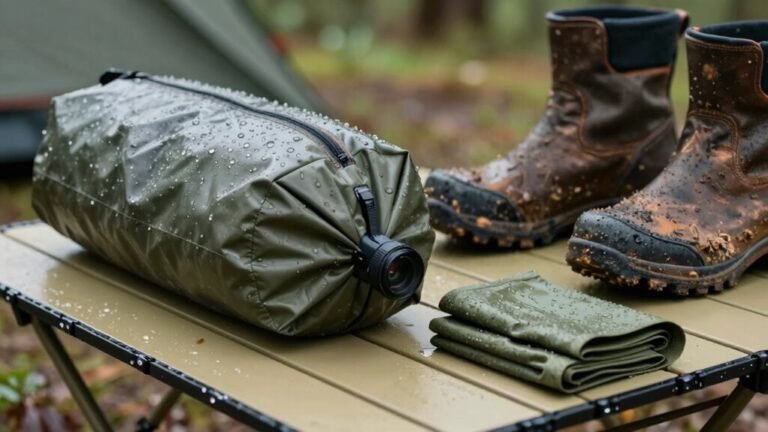
Stash essentials in welded dry bags and seal electronics in IPX8-rated cases with silica gel to keep them completely dry. Pack food in crush-proof, moisture-free containers to maintain freshness and prevent water damage.
Wear a breathable rain jacket with a snug hood when clouds roll in, helping you stay comfortable and dry on the trail. Keep snacks accessible in zip-lock bags—because soggy sandwiches taste like regret.
Bright-colored bags not only help you spot your gear quickly but also make finding small items like gummi bears way easier. When it comes to keeping gear dry, every detail counts.
Choose the Right Waterproof Backpack
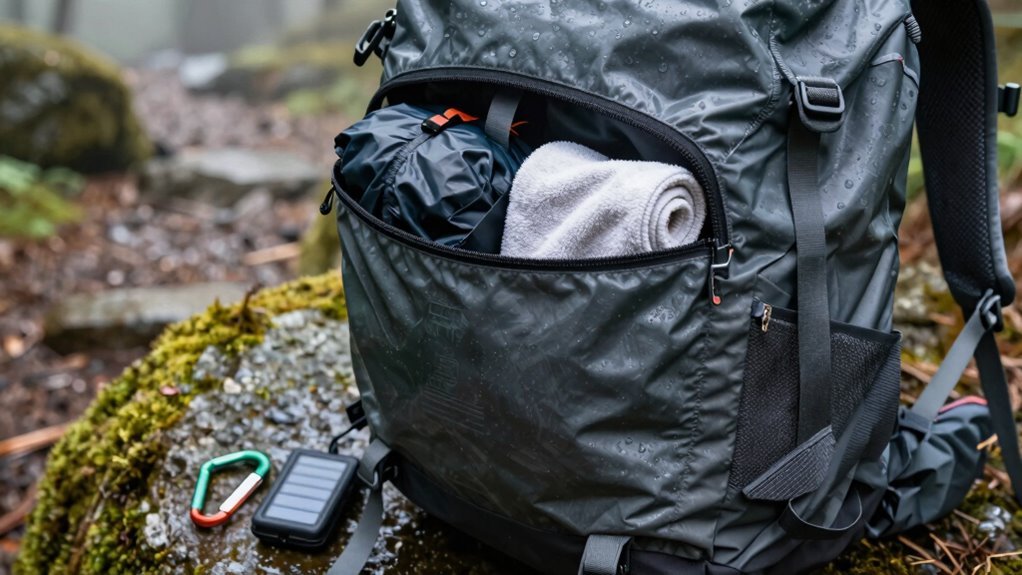
Ever wonder how to keep your gear bone-dry when the trail gets soggy or the river decides to swallow your pack?
You’ve got options—good ones.
Look for backpacks with IPX7 ratings, like the Sea to Summit Flow 35L, which laughs at 30 minutes underwater.
Roll-top closures sealed with radio frequency welding? That’s science keeping your socks dry.
TIZIP zips and YKK AquaGuard seals block water like bouncers at a club.
Materials matter too—think 500D nylon with TPU or recycled plastic bottles turned into tough, waterproof fabric.
Need space? The Yeti Panga 28L stacks gear like a Tetris master, while the Sea to Summit Big River 50L hauls loads without weighing you down.
Lightweight? The Exped Typhoon clocks in at just 1 lb.
Pick one that fits your adventure, and let the downpours come.
Your dry underwear will thank you.
Some models even include comfort-focused harness systems for better weight distribution on long hikes.
Pack Essential Items in Dry Bags
Stashing your gear in dry bags isn’t just smart—it’s your ticket to stress-free adventures when water’s lurking around every bend.
Grab a roll-top dry bag and give it three good rolls before clipping the buckle—boom, watertight seal!
Perfect for rivers, rain, or an unplanned dunk.
Need quick access? Zip-lock bags let you grab snacks or gear fast, ideal for fishing or paddle breaks.
Whether you’re guarding your phone or stuffing in a sleeping bag, there’s a size that fits—2 liters for keys and wallet, up to 50+ for big, bulky packs.
Look for welded seams and a solid hydrostatic rating (2000mm+ is great); they’ve got your back when the trail turns soggy.
Lightweight, tough materials like silnylon won’t weigh you down, and shapes that sit nice in your pack? Yes, please.
Dry bags aren’t just practical—they’re your secret weapon for a worry-free, totally-dry trek.
brightly colored bags boost visibility in low-light conditions, enhancing safety during early hikes or foggy weather.
Protect Electronics With Sealed Cases
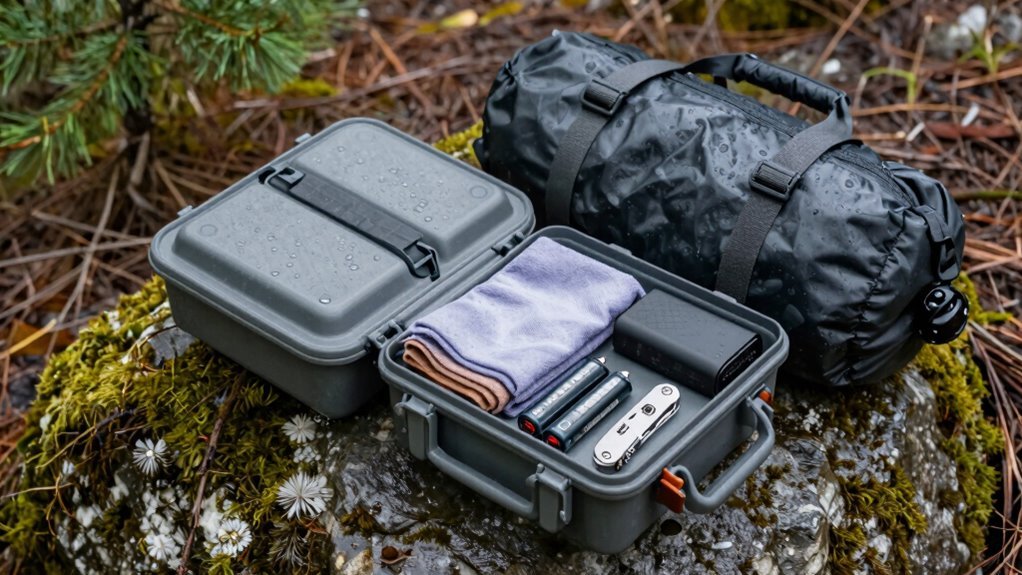
Keep your gadgets safe and dry with sealed cases built to take on the wet stuff—no soggy surprises here.
Use IP-rated cases like Sea to Summit’s TPUs (IPX8, good to 10 meters!) or Nite Ize’s RunOff pouches (IP67, dustproof too).
Their TRU Zip seal slides shut smooth and snag-free—no teeth, no trouble.
You can even use your touchscreen through the clear, responsive TPU film.
Need extra safety?
Double-bag your gear in sealed cases and toss in a silica gel pack to beat condensation.
Roll-tops are cool, but for full submersion, TPU cases win.
Pick Aquapac or OverBoard for phones, keys, radios, or eReaders—they’ve got you covered in rain, river crossings, or sudden downpours.
These cases laugh at sand, snow, and splashes.
Plus, they’re tough enough for hiking, boating, or that unexpected tumble into a creek.
Sleep easy knowing your gear’s safe, dry, and ready to go.
Touch screen use is possible even when devices are sealed inside TPU pouches.
Wear and Pack Proper Rain Gear
When the sky starts grumbling and the first fat drops start splatting on your nose, you’ll want rain gear that’s ready to perform, not pack up and quit.
Stay dry and smiling with the right jacket packed in your bag.
Think of it like this:
- Slip into a Patagonia Torrentshell 3L, and feel confident as rain beads up and rolls off like it’s late for class.
- Zip open the pit zips on your Houdini BFF Jacket to vent heat without letting water sneak in—smart and simple.
- Pull the adjustable hood of your Arc’teryx Beta SL snug around your face, so even sideways rain can’t catch you blinking.
Whether you’re splashing through puddles or caught in a downpour, quality rain gear means you stay light, dry, and laughing—not soggy and sighing.
Pack smart, wear better, and let the storm do its worst.
Store Food in Moisture-Proof Containers
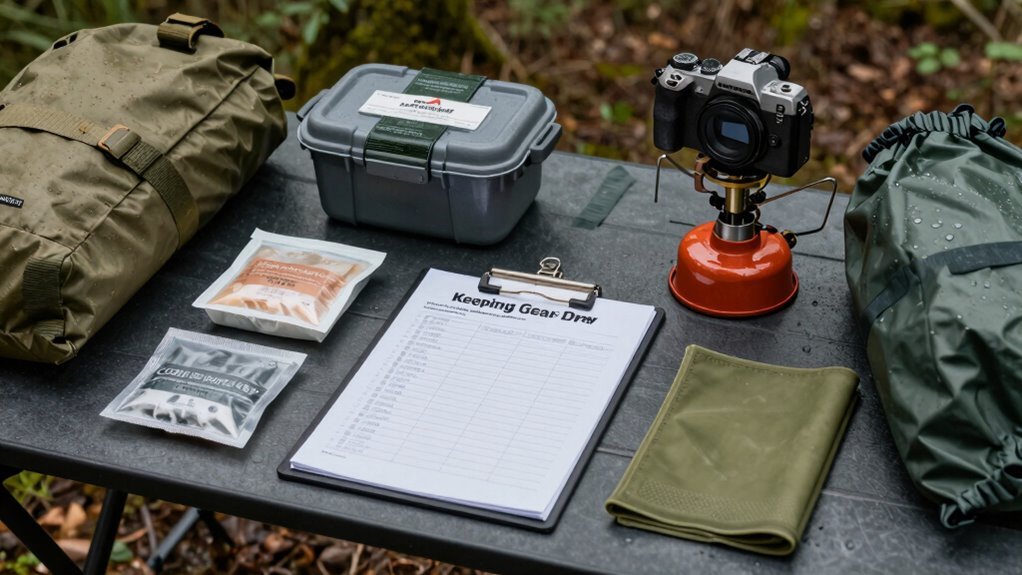
Seal up your snacks like a pro and send moisture packing for good—your trail grub deserves better than a soggy surprise.
Grab a DCF sack or a BearVault BV475 and pack it right; no leak stands a chance.
Use silicone bowls or stainless steel tins to keep meals fresh, hot, or cold—because lukewarm oatmeal is *not* a vibe.
Squeeze in rice, jerky, peanut butter, and bars, but ditch the bulky bread—tortillas won’t ghost your pack space.
Repackage meals tight so your canister doesn’t become a Tetris nightmare.
Toss in *all* scented stuff—yes, even that minty toothpaste.
Store it 50 feet from camp, on the ground like a snacking no-go zone.
Ursack or Hyperlite sacks with liners add claw-proof, waterproof muscle.
Transparent containers? Yes—peek without peeking.
Lightweight, tough, and smell-safe, they keep flavor in and critters out.
Pack smart, eat better, and let your food stay as fresh as your trail jokes.
Frequently Asked Questions
How Do I Dry Wet Gear After a Hike?
You dry wet gear by squeezing out water, then wrapping it in a dry towel to soak up moisture—quick and easy!
Hang clothes on a paracord line or drape them over warm rocks in the sun.
Wear damp items to hike them dry, or stash gloves in your jacket for body heat magic.
Toss newspaper in soggy shoes, clip socks to your pack, or hang gear in your tent (with vents open!).
Just keep air flowing and avoid campfire meltdowns—unless you like crispy socks!
Can I Use Garbage Bags as Dry Bags?
You *can* use garbage bags, but honestly, they’ll let you down—imagine your sleeping bag turning into a wet sponge because a twig poked through.
Trash-compactor bags, though? Those are the unsung heroes—thicker, tougher, and dirt-cheap.
Roll ‘em down tight, toss ‘em in your pack, and boom: dry gear, happy camper.
Save the regular bags for trash—not trail magic.
What’s the Best Way to Clean Dry Bags?
You clean dry bags best by hand with lukewarm water and a dash of mild soap—no harsh stuff, okay?
Give it a gentle scrub with a soft sponge, focusing on grimy spots.
Rinse it super well, then squeeze (don’t twist!) to remove water.
Hang it upside down in a shady, breezy spot to dry completely—sunlight’s a no-go, or it’ll throw a fabric tantrum.
Ta-da, good as new!
Are Waterproof Backpack Covers Worth the Investment?
Yeah, waterproof backpack covers are worth it—especially since they save you 8 whole ounces of water weight during downpours!
You’ll stay drier in light rain, and brands like Osprey swear by them.
Sure, they’re not magic—your straps might still soak—but toss in a liner, and boom, you’re practically storm-proof.
Think of it as a raincoat for your pack.
Not perfect, but hey, every little drip helps!
How Do I Prevent Condensation Inside Dry Bags?
You can’t stop condensation in dry bags entirely, but you can outsmart it—cool gear before sealing, so warm air doesn’t turn into sneaky moisture.
Wipe items down, use microfiber cloths, and toss in silica packs; they’re like tiny moisture vacuums!
Open bags briefly in sunny spots to let them breathe.
Think of your dry bag as a snug jacket—it traps warmth (and dampness), so give it breaks!
Stay proactive, and your gear stays happily dry—no swampy surprises!
Conclusion
Keep your kit clean, dry, and disaster-free with these simple switches. Slip smart safeguards into your pack, seal up gadgets, and stash snacks safely. Waterproof wins prevent soggy socks and sad sandwiches. Stay sharp, stay dry, and smile when the skies open wide. After all, a little rain shouldn’t ruin your ramble—just roll with the drops and dance through the drizzle!
References
- https://www.packhacker.com/blog/general/best-waterproof-backpack/
- https://www.muchbetteradventures.com/magazine/how-to-pick-the-best-waterproof-backpack-for-hiking/
- https://www.yachtingworld.com/yachts-and-gear/best-waterproof-backpack-152186
- https://www.rei.com/c/hiking-backpacks/f/f-waterproof
- https://expedition-units.com/products/8020-waterproof-backpack
- https://www.outdoorgearlab.com/topics/camping-and-hiking/best-backpacks-backpacking
- https://www.climaguard.co/blogs/climaguard-news/the-ultimate-guide-to-choosing-a-dry-bag-everything-you-need-to-know
- https://seatosummit.com/blogs/adventure-tips/choosing-the-correct-dry-bag
- https://www.platinumsun.com/blogs/guides-instructions/what-is-the-purpose-of-a-dry-bag-different-types-of-dry-bag
- https://www.outdoorgearlab.com/topics/paddling/best-dry-bag