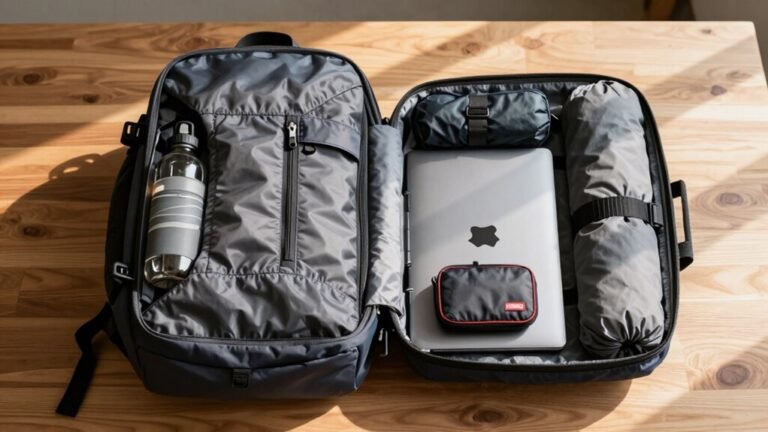
Do You Really Need Packing a Backpack?
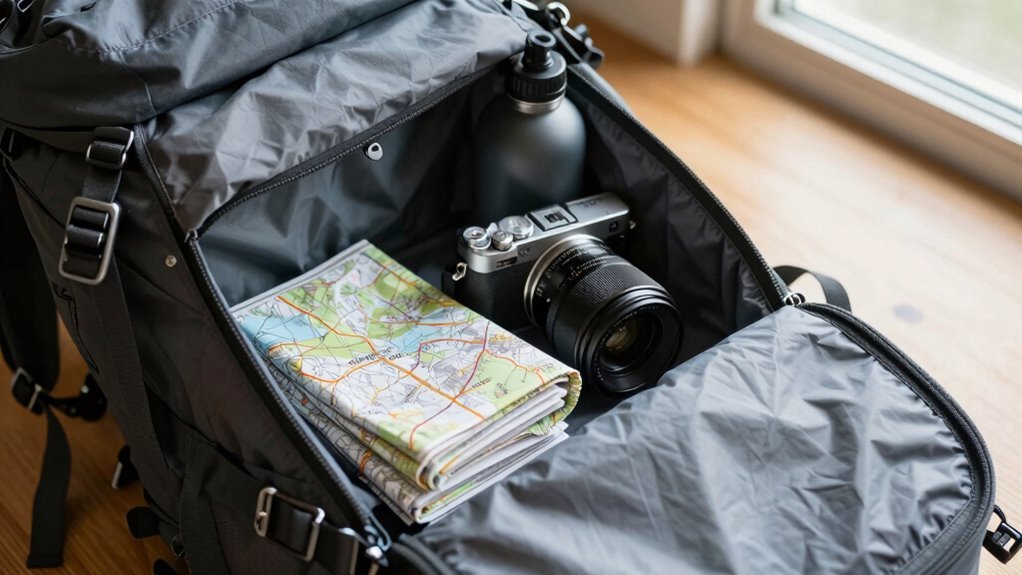
Do you really need to pack a backpack? You’re lugging around extra weight that’s draining your energy, messing with your posture, and turning a simple hike into a waddle like a penguin.
Not every adventure requires a backpack—unless you’re hitting the trails with water, snacks, or a sleeping bag. If you’re zipping it while sitting on it or packing six extra outfits “just in case,” you’re overdoing it.
Lightweight picks like the Osprey Daylite or under-$15 BAGSMART Blast cut the bulk without cutting corners. Your back will thank you, and there’s even more good stuff where that came from.
The Hidden Costs of Carrying a Full Backpack
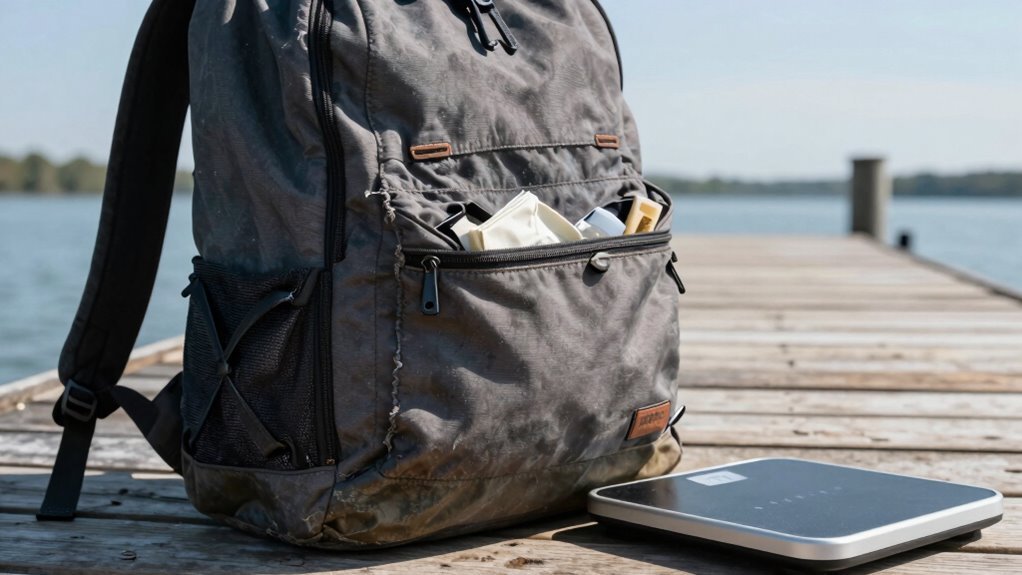
While you’re tossing one more thing into your backpack “just to be safe,” consider this: that extra weight might cost you more than just a sore back.
Every added pound hikes your energy use, especially on hills or rough trails, making your body work harder like a car burning extra fuel.
If the load’s unbalanced, you’re practically waddling like a penguin—awkward and inefficient.
Over time, that strain adds up, messing with your posture and leaving you drained.
Even your gear pays a price—cheap packs wear out fast, and replacing them every year? That’ll set you back $150 or more.
And if you’re hiking long distances, an overloaded pack shifts your center of gravity, turning a fun trek into a grueling grind.
Manufacturing in Vietnam often results in fewer defects than expected for the cost, meaning a well-made backpack might save you replacements and hassle long-term.
So hey, pack smart—not heavy.
Your back, your wallet, and your inner penguin will thank you.
When a Backpack Is Actually Essential
What if the secret to conquering a mountain trail, biking a rugged path, or even jet-setting across continents isn’t just stamina or style—but what you’re carrying on your back?
When you’re hiking for hours, you’ll need that 20L to 40L pack to tote water, snacks, and gear—half of all hikers can’t live without one.
Multi-day treks? You’ll want 36L or more to fit sleeping bags and clothes.
Cyclists zip through trails with under 10L packs stuffed with repair kits and energy gels—lightweight, but lifesavers.
Runners? They’re all about slim packs for hydration and quick fuel.
And let’s be real: backpacking across Europe or camping deep in the woods without a proper pack isn’t just risky, it’s like bringing a flip-flop to a mountain fight—don’t do it.
20L–40L active backpacks dominate the market, reflecting their popularity among outdoor enthusiasts.
Signs You’re Overpacking Without Realizing It
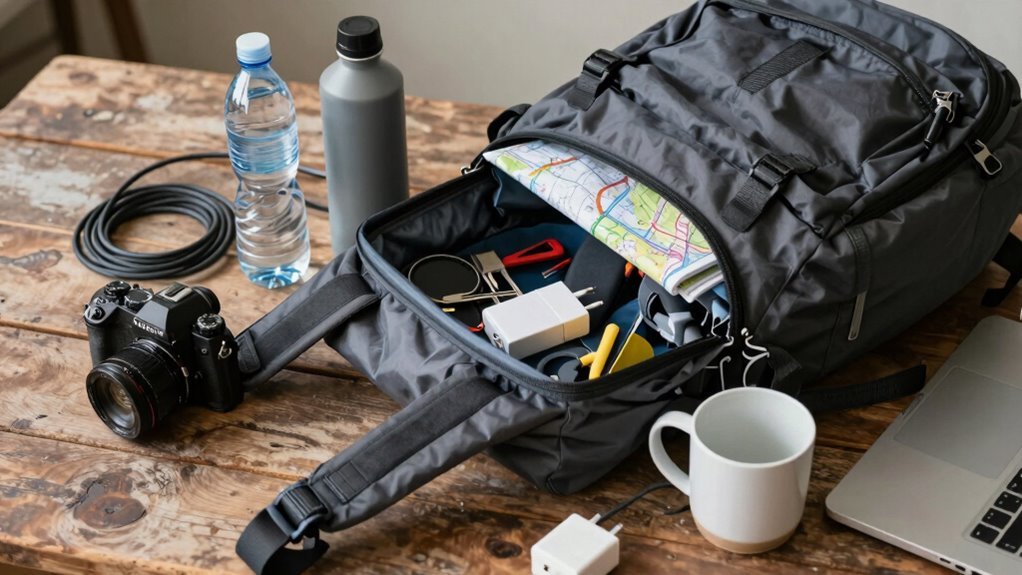
You’ve got your trusty backpack strapped on, ready for adventure, and sure, that mountain trail or weekend getaway feels a lot more doable with your gear in tow.
But if you’re sitting on your pack just to zip it closed, that’s a red flag.
You’re probably overpacking if your shoulders ache, your back screams, or you’ve upgraded to a 70-liter beast “just in case.”
Packing clothes for every day—plus six extras—and three pairs of shoes (yes, even that bulky pair) adds up fast.
If you’ve got “just in case” items crowding out common sense, or anxiety’s dictating your packing list, pause.
Constant strap tweaks, fatigue, and souvenirs that won’t fit? Classic signs.
And hey, if you’re from Leeds or Bristol, we’re onto you—overpacking’s kinda your thing.
Lighten up, trust yourself, and leave room for memories, not makeup kits.
You may not realize it, but if you’re bringing stuff you’re ashamed of packing, it’s time to reassess what’s really essential—unnecessary items like a travel-sized blow dryer can be the first to go.
Lightweight Alternatives to Traditional Backpacks
Ditching the backpack battles and embracing the open trail just got a whole lot easier.
You don’t need a beast of a bag to hit the road—plenty of lightweight champs weigh under 2.5 pounds and still carry your life.
Think Osprey’s Daylite at 1.85 lbs or the BAGSMART Blast, clocking in at just 2 lbs and under $15.
Fancy carbon fiber stays or waterproof UltraX fabric? Yup, they’re in ultralight packs like the Outdoor Vitals CS40 or Durston Kakwa.
Even budget picks like the Matador SEG28 or Quechua NH Escape deliver big on value and low on weight.
Whether you’re day-hiking or trekking weeks deep, there’s a pack sized right—26L for carry-ons, up to 60L for backcountry binges.
These sleek designs haul 30+ pounds comfortably, so you can wander farther, grin wider, and finally stop feeling like a pack mule.
Light never felt so liberating.
How Your Daily Routine Determines Your Bag Needs
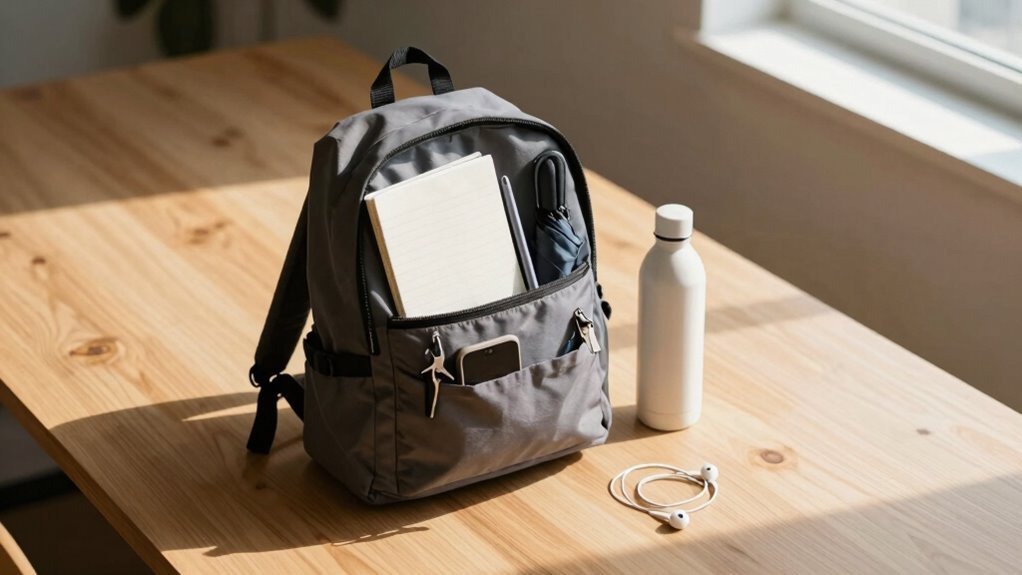
Whether you’re darting between subway stops, hauling textbooks across campus, or heading out on a trail after work, your daily grind shapes exactly what kind of backpack you need.
If you’re a city commuter or remote worker, you’ll likely want a 20L–40L pack with a padded laptop sleeve—over 5.4 billion internet users can’t be wrong!
Students, you’re lugging around 13% of your body weight on average, so go for that 22L bag with comfy straps and a spot for your tablet.
Outdoor lovers, don’t skimp on durability—a 22.6L daypack handles hikes without weighing you down.
And hey, 46% of professionals now rock backpacks with USB ports (because who doesn’t love on-the-go charging?).
Your routine isn’t just habit—it’s the blueprint for your perfect bag.
Pick right, and your backpack becomes your daily sidekick, not a sore shoulder waiting to happen.
The Impact of Backpack Weight on Long-Term Comfort
When you’re walking uphill like a determined squirrel chasing a nut, the weight on your back doesn’t just tug at your shoulders—it shapes how you move, how long you last, and whether you’ll be doing a victory dance or wincing by mile three.
Carrying more than 15% of your body weight stresses your spine, throws off your balance, and makes every step feel like a workout you didn’t sign up for.
Long straps might tweak your neck posture, and heavy loads increase stance time—your body’s way of saying, “Whoa, slow down!”
Over time, that extra weight can lead to back pain, joint strain, or even make you quit your hike early.
But here’s the good news: balanced weight, ultralight gear, and proper fit keep you moving comfortably.
You’ll hike farther, feel stronger, and actually enjoy the view instead of just counting steps to rest.
Lighten the load, and your future self will thank you—no ice pack required.
Frequently Asked Questions
Can I Use a Backpack for Airport Carry-On?
Yes, you can totally use a backpack for airport carry-on!
Just make sure it fits your airline’s size limits—most allow 22 x 14 x 9 inches for overhead bins.
If it’s smaller, stash it under the seat as a personal item.
Pack light—under 22 lbs is safest.
Avoid liquids over 100ml, and leave the machete at home, okay?
Smart packing means no surprises, and maybe even extra snacks.
Smooth skies ahead!
Are Backpacks Allowed in Gyms and Pools?
Yeah, you can bring a backpack to gyms and pools, but you can’t lug it around the deck or workout floor—nobody wants your stuff in the way!
Stash it in lockers or designated spots. Think of it like leaving your jacket at the door—simple, tidy.
And hey, fanny packs are cool if worn. Just keep it light, stay safe, and let’s not turn laps into an obstacle course!
Do Backpacks Have Anti-Theft Features?
Yeah, many backpacks totally have anti-theft features—you’d be surprised!
They’ve got slash-proof fabrics with hidden wires, so sneaky knives won’t cut your trip short.
Lockable zippers keep sticky fingers out, while RFID pockets block digital pickpockets.
Some even hide secret compartments or include GPS—like ninja tech for your stuff.
You’ll zip, lock, and roam worry-free, because let’s face it, your backpack’s got your back (literally).
Safety’s never looked so sleek!
How Do I Clean a Smelly Backpack?
You bet you can kill that funky backpack smell!
Start by emptying everything out and giving it a good shake—surprise dirt loves to hide.
Toss in some baking soda overnight to soak up stink, then wipe down the insides with a vinegar-water mix.
Spot-clean grime with mild soap, rinse well, and let it air-dry in the sun—nature’s deodorizer.
Throw in a dryer sheet for fun, and boom—freshness victory achieved!
Are There Waterproof Backpacks for Rainy Climates?
Yeah, there are totally waterproof backpacks made just for rainy climates—and they’ve got your back, literally.
Brands like RAINS and OverBoard use sealed seams and roll-top closures so your gear stays dry.
You’ll find slick features like TPU coatings and welded zippers that laugh in the face of downpours.
Whether you’re biking, hiking, or just caught in a surprise storm, these packs keep your laptop, clothes, and snacks safe.
Rainy day? No problem.
Conclusion
You’re walking to work, sipping coffee, when your back screams, “Enough!” Funny how that backpack feels heavier every day. Lighten up—literally. Swap it for a sling, a crossbody, or even a sleek tote. Your shoulders will thank you, your posture will cheer, and hey, you might finally fit through that doorway. Less bulk, more freedom. Trust us, your back’s future self is already high-fiving you. Who knew comfort could be this easy—and cool?
References
- https://www.osgwbag.com/balancing-quality-cost-in-sourcing-backpacks/
- https://priceonomics.com/backpack-price-guide/
- https://prezi.com/yc6s5zutte-w/the-hidden-costs-of-jansport-backpacks/
- https://www.oreateai.com/blog/the-cost-of-carrying-adventure-understanding-backpack-prices/c45a976ba594ed81788e8d80dd79f78f
- https://www.fortunebusinessinsights.com/backpack-market-103853
- https://math.scholastic.com/issues/2023-24/090123/backpacks.html
- https://www.dulcedom.com/blogs/tactical-gear-intel/military-vs-outdoor-backpacks-price-differences
- https://backpackinglight.com/podcast-episode-128-metabolic-cost-carrying-backpack-1/
- https://www.futuredatastats.com/tactical-backpack-market
- https://www.grandviewresearch.com/industry-analysis/active-backpack-market-report