How to Choose Boot Fit
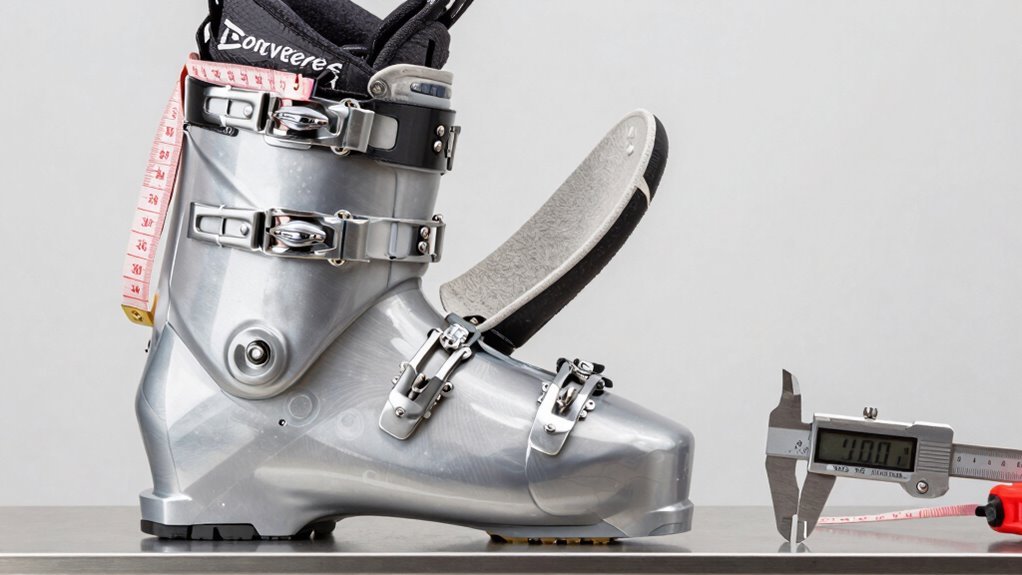
Know your foot shape—whether you’ve got Egyptian, Greek, or arch extremes—then measure both feet late in the day for real accuracy. Use the right socks, check width (yes, D means different things for men and women), and always walk around to determine proper boot fit.
Feel for heel slip, toe wiggle, and happy arches—these are key indicators of a comfortable fit. A good boot fit now means no blisters later; your feet will thank you with every step.
Know Your Foot Shape and Size
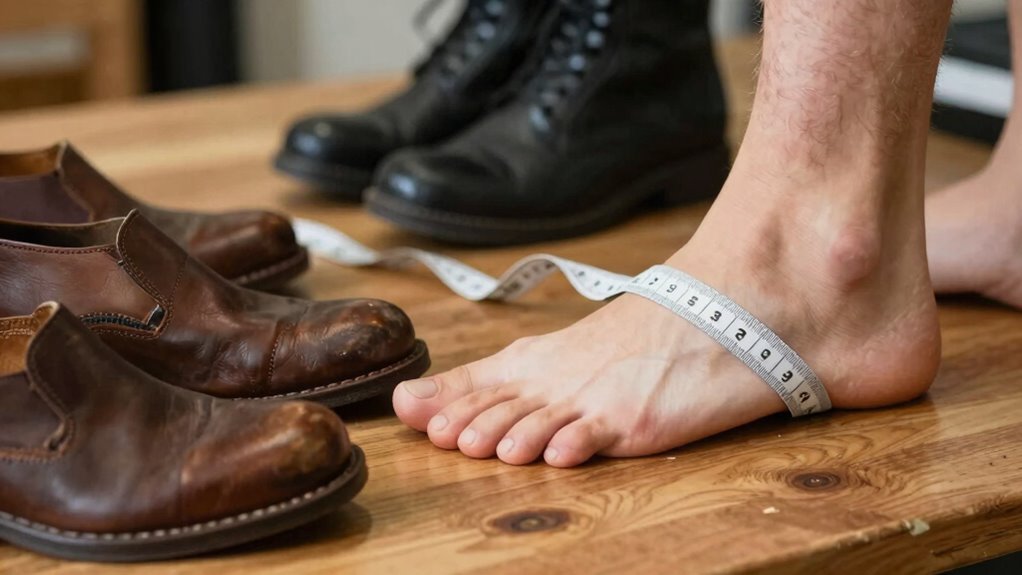
Ever wondered why some boots feel like they were made just for you, while others turn every step into a battle? Your foot shape and size are the real bosses here.
Most folks—about 70%—have Egyptian feet, where the big toe’s the longest, so boots with a roomy toe box are a must.
Got a Greek foot with that sassy second toe stealing the spotlight? You’re prone to corns, so skip tight styles.
Planus feet (low arches) overpronate, while cavus (high arches) supinate—both need extra support.
And width matters: square feet with wide forefeet can scream “metatarsalgia!” in narrow boots.
Fin-shaped? Look for flared toe zones.
Knowing your pronation type can further refine your boot choice, as it influences how your foot interacts with the ground and the shoe’s internal structure.
Know your type, and you’ll walk happy—because nobody’s got time for blister battles.
Measure Your Feet at Home
How does it feel to finally step into boots that fit like they were made for your feet?
Pretty amazing, right?
You can make it happen by measuring your feet at home—no pro tools needed.
Grab a piece of paper, a pen, and your favorite shoe socks.
Stand on the paper with your heel against the wall, then mark the tip of your longest toe.
Measure heel to mark in inches and centimeters.
Don’t forget: stand up! Your feet spread when weighted.
Use a ruler or tape, and always check both feet—one’s probably bigger.
Trace the widest part across the ball of your foot, then snug a measuring tape (or string + ruler) around it.
Keep it firm but comfy.
Do this late in the day when feet are plump.
Skip carpet—it lies.
And keep that pen straight up, not tilted, or you’ll end up with clown shoes.
Accuracy’s key, friend.
Poor fit can lead to serious foot problems, so getting it right from the start is crucial for long-term foot health.
Understand Boot Sizing Differences
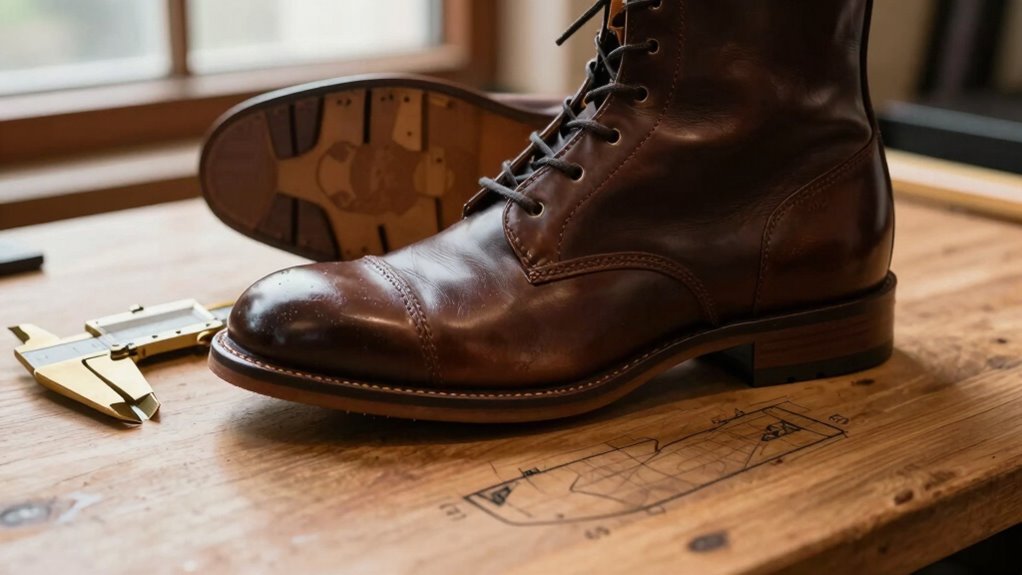
Now that you’ve got your foot measurements locked in, it’s time to decode the wild world of boot sizes—because no two boots fit the same, even if they claim the same number.
Boot widths run from snug AAA to roomy EEE, with D being standard for men and B for women.
Each width bumps up by just 3/16 inch, so differences are small but mighty.
Your foot’s widest point is key, usually measured with a Brannock device.
Men’s D fits around 4.0–4.2 inches, while women’s D is more like 3.2–3.4.
But here’s the kicker: brands don’t play by the same rules.
One’s “regular” might feel like another’s “tight squeeze.”
Cowboy boots, for example, call EE “wide”—go figure.
Sizes can even shift with foot length.
A good rule of thumb is trying half size down from your regular shoe size for a proper boot fit.
Test Fit With the Right Socks
Why do some boots feel like a dream on your feet while others turn every step into a battle? The secret’s in your socks. You gotta match sock thickness to your boot type—medium or thick for hiking, thin to medium for dressy styles—so you don’t crush your toes or let your feet slide around.
Choose the right height, too: crew socks for ankle boots, taller ones for over-the-calf styles, so nothing slips or bunches.
When testing, wear both boots with your chosen socks and check for snug heels, a little wiggle room at the toes, and solid arch support.
Your feet swell during the day, so try them on later and with the thickest socks you’d actually wear.
Go for breathable, moisture-wicking materials that keep things comfy and fresh.
Pick smart socks, and your boots won’t just fit—they’ll feel like they were made for you.
Walk Around Before Deciding
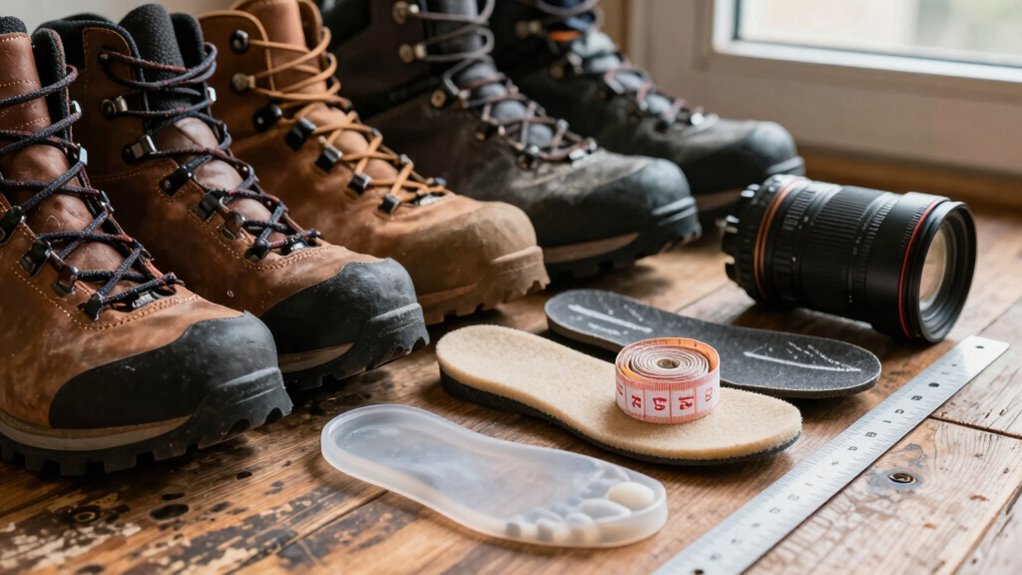
Taking those first few steps in a new pair of boots?
Don’t just stand there—move!
Walk around the store like you’re hiking a rocky trail or dodging puddles.
You’ll quickly feel if your heel slips (a quick lace tweak might fix that) or if your toes have room to party without banging the front.
Notice any hot spots?
Rubbing on your ankle or shin now means blisters later—no fun.
Test different surfaces: slippery floors mimic wet rocks, and ramps challenge balance.
Feel how the cushioning handles impact and whether the ankle support kicks in on uneven strides.
Flex matters too—boots shouldn’t fight you when you walk.
After 10 minutes, ask yourself: Are your feet happy?
Because if they’re already whining, all-day hikes will be a nightmare.
Your boots should feel like teammates, not troublemakers.
Trust the walk—it’ll tell you the real story.
Break In Tips for Lasting Comfort
You’ve walked the floor, tested the flex, and made sure your toes have room to wiggle—great job!
Now ease into break-in mode.
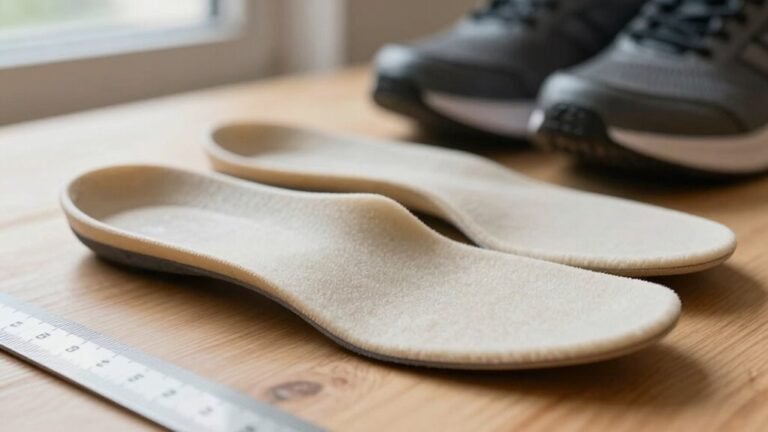
Start with short indoor sessions, wearing the socks and insoles you’ll actually use on the trail—nobody wants surprise blisters.
Let your house be your boot’s boot camp: stiff leather softens with heat and motion, especially if you massage in some conditioner and rub stubborn spots with a soft cloth.
Stuff ’em with newspaper overnight to keep the shape.
Use boot stretchers or the wet towel trick for tight areas, but skip the freezer unless they’re synthetic.
Lace snugly at the ankle but keep toes loose, and slap a band-aid on any friction spots—your future self will thank you.
Heavy-duty boots need weeks, not days, so be patient.
And whatever you do, don’t brave a downpour just yet—wet boots early on? That’s a soggy shortcut to discomfort.
Frequently Asked Questions
Can I Wear Boots in the Snow Without Damage?
You can totally wear boots in the snow without damage—you’ve just gotta smart-prep them!
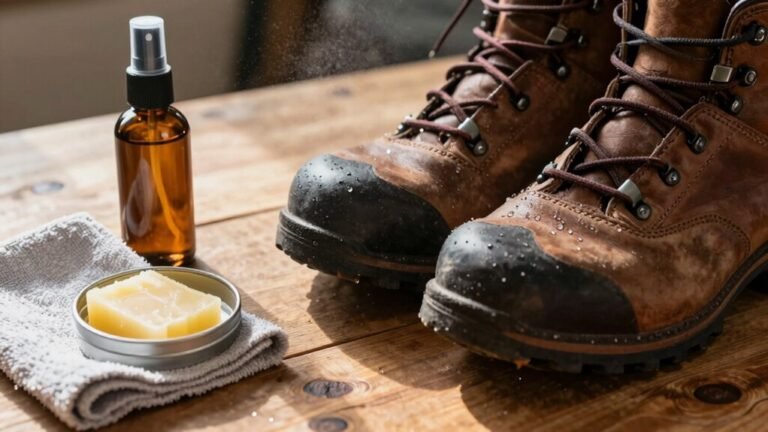
Spray on a waterproofing shield like Reshoevn8r, and they’ll laugh at slush.
Wipe off salt and grime after each adventure, condition the leather, and never let them bake near heaters.
Toss in cedar shoe trees, and boom—they stay dry, happy, and ready for the next snowstorm.
Winter’s no match for your boot game!
How Do I Store Boots When Not in Use?
You store boots right by cleaning them first—wipe off dirt and let them dry completely, no shortcuts!
Pop in cedar trees or crumpled paper to keep their shape, then tuck them into breathable cloth bags.
Avoid plastic—they’ll sweat like you’re wearing them to a dance.
Toss in silica gel or baking soda to fight moisture and stink.
Store upright in a cool, dark spot, and your boots’ll stay fresh, happy, and ready to rock when you need them!
Are Waterproof Boots Suitable for Hiking in Rain?
Yeah, waterproof boots got you covered in the rain—like an umbrella for your feet, they keep things dry on wet trails.
You’ll stay comfy through puddles and drizzles, thanks to Gore-Tex or Sympatex lining.
Just don’t expect them to breathe like a screen door.
If it’s pouring all day, they’re perfect.
But on hot, muggy hikes? Your feet might throw a sweaty party.
Bring extra socks, just in case.
Do Leather Boots Need Special Cleaning Products?
Yeah, leather boots do need special cleaning products—you can’t just slap dish soap on them and hope for the best.
Use saddle soap or a mild leather cleaner to avoid damaging the material.
Tackle dirt with a soft brush first, then clean and condition while the leather’s still damp for max absorption.
Boots love a good routine: clean, condition, protect.
Treat ‘em right, and they’ll stay tough, supple, and looking sharp—kinda like spa days, but grittier.
Can Boot Stretchers Fix Tight Footwear Issues?
Yeah, boot stretchers can totally fix tight footwear issues—no magic tricks needed!
You just pop them in, crank them snug, and let them work their gentle pressure magic.
They’re perfect for easing pinchy leather boots, nixing blisters, and speeding up that annoying break-in grind.
Just remember: don’t go overboard, or your boots might stretch into clown shoe territory.
Easy does it!
Conclusion
So, you’ve measured your feet, tried the socks, paced like a caged raccoon—congrats, you’re now a boot-fitting genius! Skip the circus act of squeezing into shoes two sizes too small, unless you enjoy toe-torture comedy. Remember, blisters aren’t fashion statements. A perfect fit means comfort, not commitment to pain. Break ’em in gently—your feet aren’t breakdancing trophies. Rock those boots, not the limp!
References
- https://pmc.ncbi.nlm.nih.gov/articles/PMC3594140/
- https://fitmyfoot.com/blogs/footprints/five-ways-to-determine-your-foot-type
- https://thefootandankle.clinic/blog/what-are-the-differnent-types-of-feet-and-foot-shapes/
- https://kcfoot.com/there-are-9-types-of-feet-which-type-are-you/
- https://www.footic.com/barefoot-academy/types-of-feet/
- https://thechelseaclinic.uk/foot-shapes/
- https://www.podexpert.com/en/blog-pathology-type-feet-pxl-151_159.html
- https://insiteinsoles.com/health-and-wellness/different-foot-shapes/
- https://blog.babyfoot.com/what-kind-of-feet-do-i-have-a-guide-to-foot-shape-arch-type/
- https://friendlyshoes.com/friendly-blog/foot-sizing-tips