Insoles Vs Boots: Which Should You Pick?
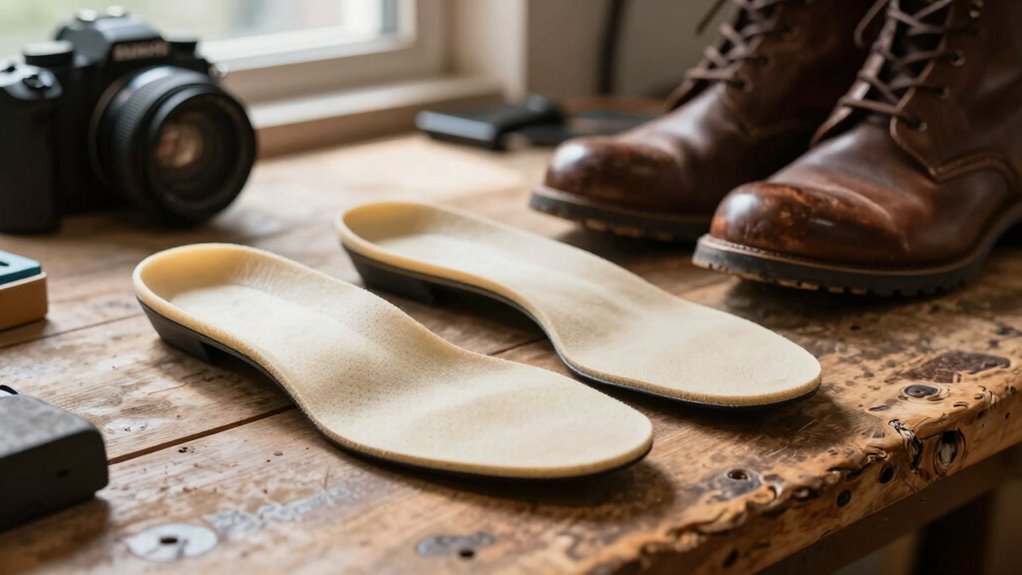
When your boots feel flat but still look great, comfortable insoles can make all the difference—they act like a power-up for tired feet. Insoles provide cushioning, support, and a quick revival for worn-out footwear, making them a smart choice when your boots are structurally sound but lack comfort.
However, if the soles are splitting or the heels feel wobbly, it’s time to replace the boots altogether. New boots offer solid ground and long-term durability, something insoles alone can’t fix.
Swap insoles or boots when needed, and your feet will stay happy mile after mile—there’s more where that came from.
Understanding the Role of Insoles
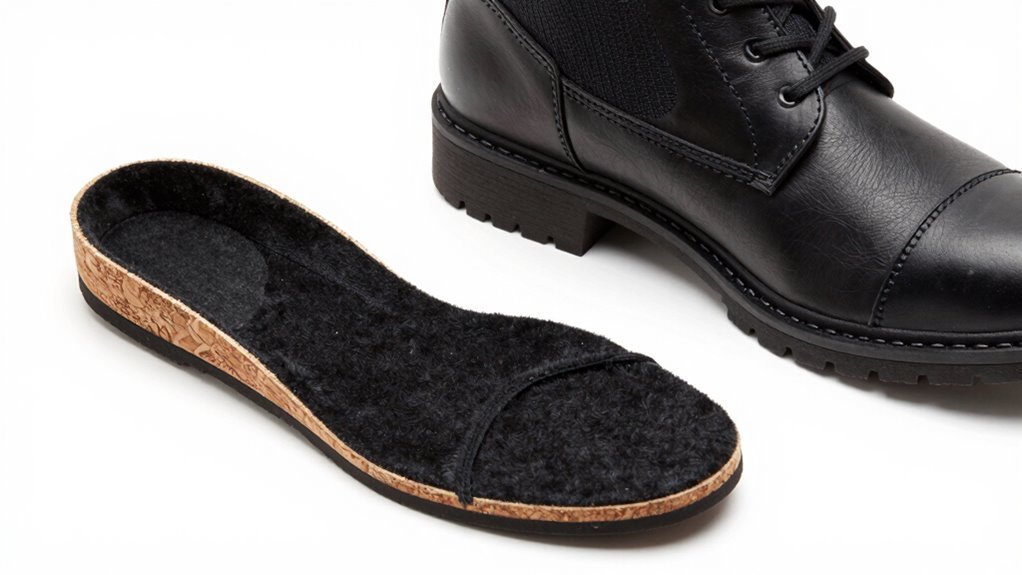
While your shoes do the talking, it’s what’s *underfoot* that really steals the show—enter insoles, your foot’s secret weapon for comfort and support.
You’re not just walking—you’re gliding, cushioned by gel, foam, or cork that hugs your arches and cradles your heels.
Whether you’re on your feet all day or chasing mile eight, insoles absorb shock, ease joint strain, and keep you moving.
They’re like a spa day for your soles, minus the cucumber water.
Full-length or 3/4-size, they fit snugly in your kicks, targeting your needs—flat feet, high arches, or overpronation.
They boost balance, align posture, and even extend your shoe’s lifespan (your wallet thanks you).
Sure, they won’t solve world peace, but they’ll ease plantar fasciitis, heel spurs, and tired dogs.
Think of them as tiny bodyguards for your feet—small but mighty, silently fighting fatigue with every step.
Many standard insoles lack sufficient support, which is why upgrading to options with proper arch support can make a significant difference in comfort and pain relief.
When New Boots Make the Most Sense
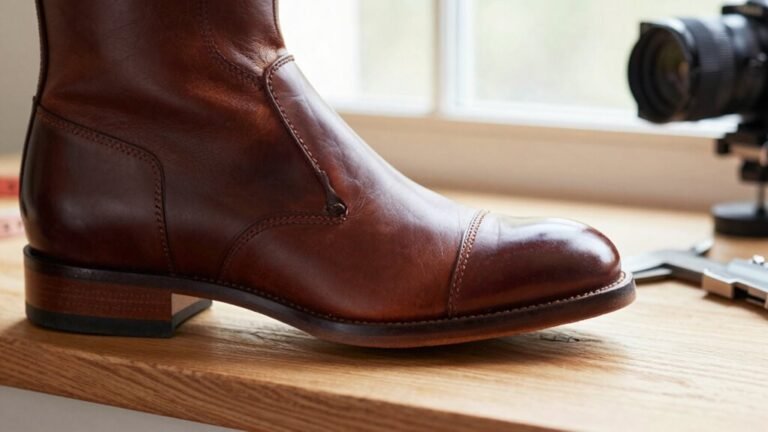
When your boots start slumping more than your morning posture, it’s probably time to ponder a fresh pair—because let’s face it, no one looks cool dragging around flapping soles and sad-looking heels.
If you’re clocking new aches in your feet, knees, or back, or spotting uneven tread wear, your boots have likely passed their prime.
Most work boots need replacing every 6–12 months, especially with full-time wear.
Once the midsole loses its bounce, you lose support—no magic insole can fix that.
Got boots that tilt like a wobbly table? That’s instability talking.
And if you’re breaking in a new pair, go slow: wear them a couple hours daily at first.
Your feet will thank you.
Seasonal shifts, like hitting that crisp fall air in September, are perfect moments to swap in a sturdy new pair built for the grind.
Fresh boots don’t just look better—they feel like a reset for your whole stride.
Midsole shock loss is a key sign your boots are done.
How Insoles Improve Comfort and Support
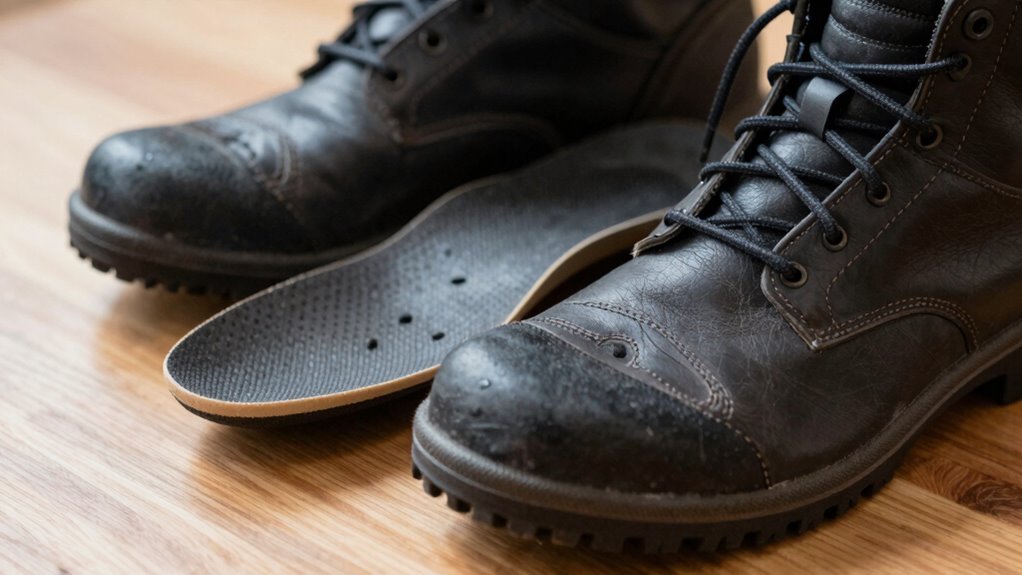
Think of insoles as your foot’s personal pit crew—swapping out worn parts, fine-tuning alignment, and boosting performance with every step.
They don’t just cushion; they actively support your arches, reduce muscle fatigue, and spread pressure evenly across your feet.
You’ll feel less pain in your heels, balls of your feet, and even your knees and back.
Custom or cushioned insoles? Both can ease plantar fasciitis, shin splints, and overpronation—no pit stops required.
Smart insoles can even track your stride and catch problems before they flare.
Whether you’re on your feet all day or chasing PRs, they boost comfort, improve posture, and help you move better.
Over 90% of users report relief, and studies show real drops in pain—from 5.5 to under 4 on average.
Orthotics, a growing market segment, are projected to reach 8.04 billion USD by 2030.
So go ahead, give your soles a shout-out.
Your feet aren’t just along for the ride—they’re the drivers.
Signs Your Boots Need Replacing
- Uneven wear patterns – If the soles are smooth on one side or worn down oddly, your alignment’s off, and your boots are waving a white flag.
- New aches and pains – Sore feet, cranky knees, or surprise backaches? Blame it on boots that’ve lost their mojo.
- Reduced traction – Slipping more than a banana peel on concrete? Worn treads spell danger.
- Visible damage – Holes, splits, or soles peeling away like old wallpaper? That’s not vintage charm—that’s boot bankruptcy.
Cost Comparison: Insoles vs. New Footwear
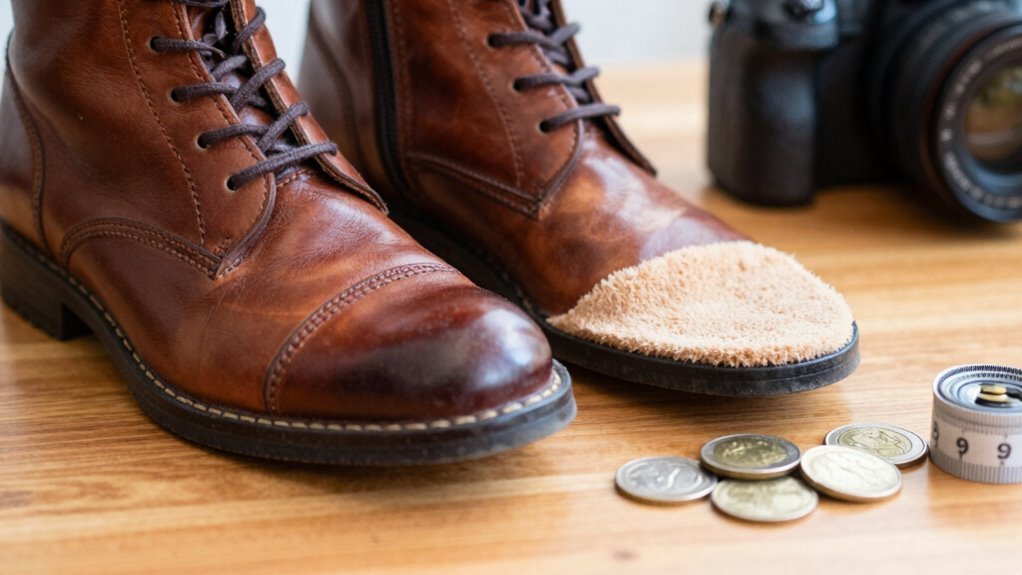
You’ve noticed the wobble in your step, the soles peeling like sunburnt skin, and your once-trusty boots throwing in the towel—sound familiar? Before you panic-buy new kicks, let’s talk cash.
Basic gel insoles cost as little as $10, while drugstore orthotics run about $30—way cheaper than boots. Even premium or heat-moldable inserts save you big by upgrading what you already own.
Sure, custom orthotics can hit $500, but most don’t need that splurge.
Insoles wear out every six months, but swapping them is still kinder to your wallet than constant boot replacements.
They breathe new life into old favorites, fix fit gaps, and soften every step.
Think of them like vitamin boosts for tired shoes.
You’re not just saving money—you’re smartly stretching your footwear’s lifespan.
Insoles? They’re the budget-friendly hero you didn’t see coming, but totally needed.
Sweet deal, right?
Long-Term Benefits of Proper Arch Support
Over time, your feet will thank you for giving them the support they’ve been quietly begging for.
You’re not just stepping comfortably—you’re building a healthier body from the ground up.
Proper arch support doesn’t just feel good; it transforms how you move, stand, and play.
Think of it as a daily win for your entire body, not just your soles.
You’ll dodge painful problems, stand taller, and stay steady on your feet—literally.
- You’ll slash your risk of plantar fasciitis, bunions, and shin splints.
- You’ll ease knee, hip, and back pain by aligning your body like a pro.
- You’ll stand and walk with better balance, reducing wobbles and near-falls.
- You’ll keep your feet happy for years, boosting energy and performance.
Your future self will high-five you—probably while sprinting up stairs, pain-free.
Can Insoles Fix Poorly Fitting Boots?
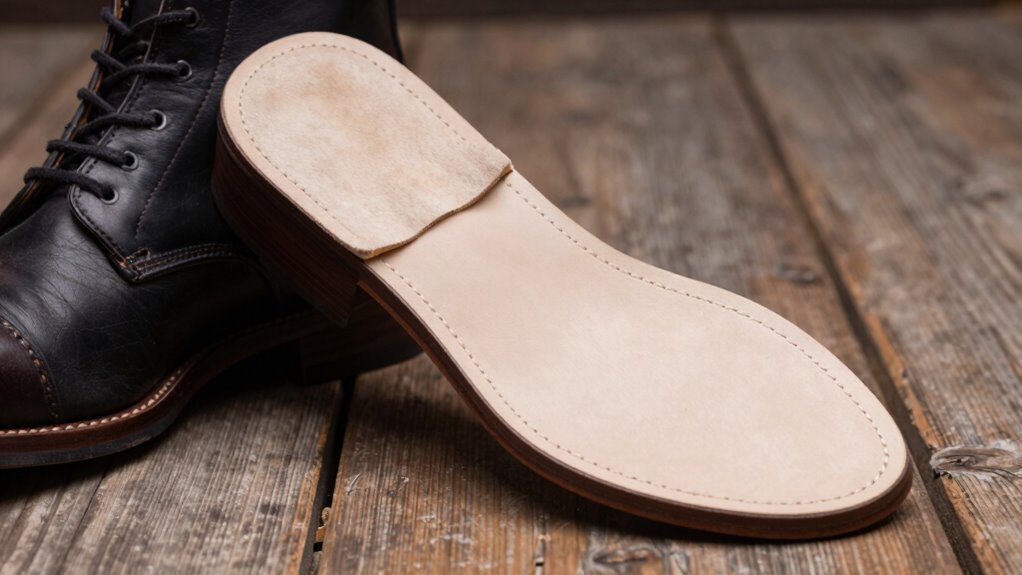
Ever tried squeezing your feet into boots that feel like they were designed for someone else?
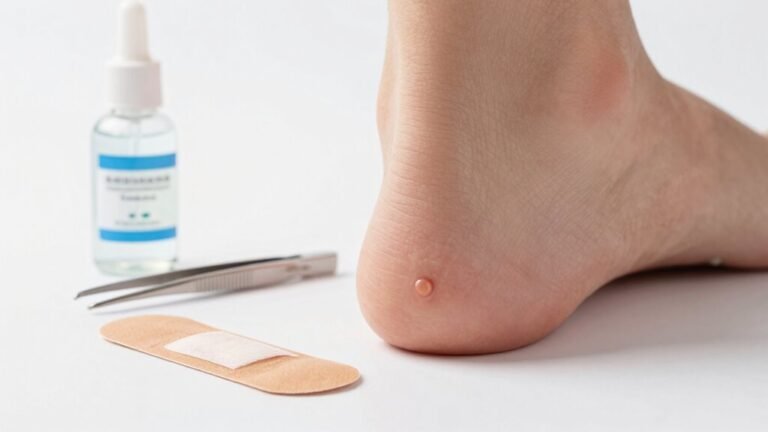
We’ve all been there—blister city, step one.
While insoles might cushion the pain, they can’t truly fix boots that don’t fit.
Think of them like band-aids: they help, but won’t heal a broken boot.
Over-the-counter insoles add comfort, but cheap or soft ones might make things worse by masking problems without correcting foot alignment.
Firm, supportive insoles can improve stability and reduce pressure, but only so much.
If your boots pinch, slide, or crush your toes, no insole miracle will save you.
Custom orthotics are stronger—they tackle real biomechanical issues and prevent injuries.
So yes, insoles help, but don’t expect magic.
For real fixes, start with boots that actually love your feet back.
Durability and Lifespan of Insoles vs. Boots
Outlasting your morning coffee habit, boots are built to last—years, even—with the right care, while insoles quietly tap out long before the finish line.
You’ll replace them multiple times before your boots even think about retiring.
Think of insoles as the hardworking sidekick: supportive, comfy, but not built for the long haul.
- Foam insoles flatten like a pancake after 6–9 months, losing their bounce.
- Gel versions? They wobble out after 3–6 months, especially if you’re sweating buckets or jumping around.
- Leather and cork ones last longer—up to a year or more—with a little love and cleaning.
- Work or running boots chew through insoles fast, demanding swaps every 6 months, though your boots keep on trucking.
Your boots are the marathon runner. Your insoles? The sprinter who crashes early.
Matching the Solution to Your Lifestyle Needs
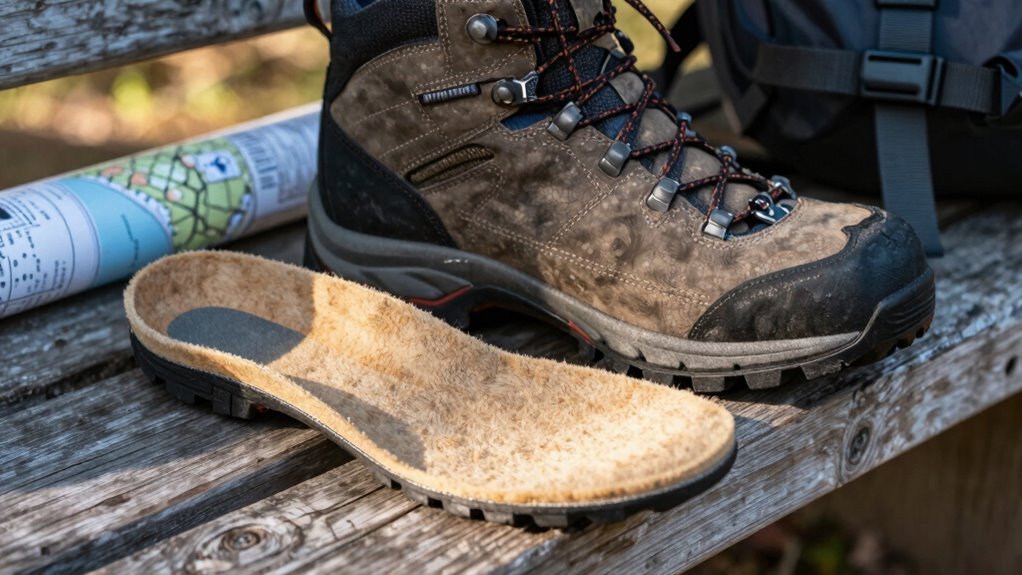
If your feet could talk, they’d probably beg for insoles that actually match how you live—because let’s face it, pounding pavement on a job site isn’t the same as strutting through a gala in stylish boots.
You need support that fits your grind.
Got flat feet or high arches?
Insoles tailor to your foot shape, easing pain and keeping you moving.
On your feet all day?
Anti-fatigue insoles absorb shock and cut soreness like a boss.
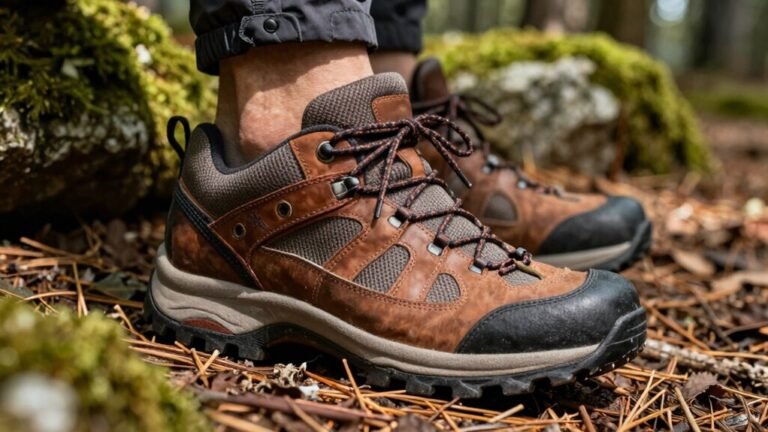
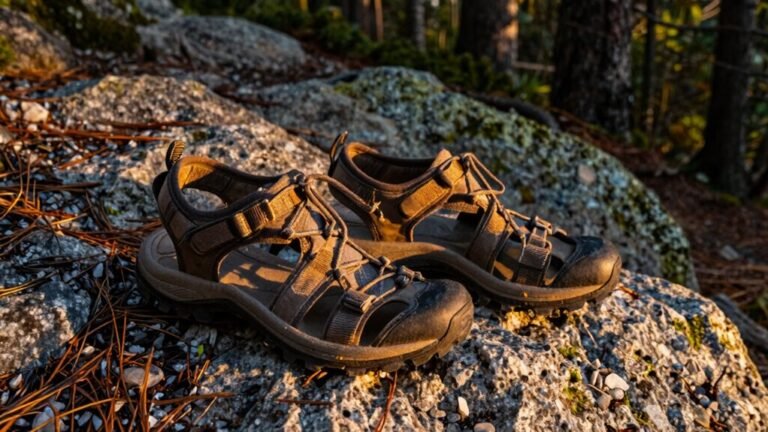
Hiking wild trails or hitting the gym?
Specialized insoles boost stability and cushion every step.
Rocking sleek fashion boots?
Slap in a slim, comfy insert—support without the bulge.
Your lifestyle isn’t one-size-fits-all, so why should your foot support be?
Match your insoles to your moves, and suddenly, long days feel a whole lot lighter.
Your feet won’t just thank you—they’ll want to dance.
Frequently Asked Questions
Can Insoles Be Transferred Between Different Pairs of Boots?
Yeah, you can transfer insoles between boots, but only if they’re the same type—like non-cleated to non-cleated—and fit perfectly.
Slipping them into mismatched boots? Not a great idea.
You’ll risk discomfort or even damage.
Pull them out carefully, keep the boots dry, and never stack insoles.
Think of your insoles like socks—cool for swapping, but only when the fit’s just right!
Do Custom Insoles Require a Prescription From a Doctor?
No, you don’t always need a prescription for custom insoles—many cool options like Upstep or PowerStep let you skip the doctor’s visit.
Just grab an impression kit, do a quick online quiz, and boom: tailored support!
But if you’re chasing insurance or Medicare coverage, then yes, a doc’s note’s a must.
Think of it like a backstage pass—only needed if you want the VIP treatment!
Are There Insoles Designed Specifically for High Heels or Dress Boots?
Yes, there are insoles made just for high heels and dress boots—no more “fashion victim” foot pain!
You get targeted support where you need it most, like the ball of your foot, without bulking up your fit.
They slip right in, stay hidden, and work like magic under pressure.
Think of them as tiny bodyguards for your feet, keeping you steady, comfy, and strutting with confidence—all night long.
Who knew pain could take a backseat to pleasure?
How Do Temperature and Weather Affect Insole Performance?
You bet temperature and weather change how your insoles perform!
Cold? Heated or wool ones keep toes toasty and safe from frostbite.
Heat? Breathable, moisture-wicking insoles fight sweat and swelling like a pro.
Wet feet? Waterproof and gel types save the day, staying comfy in rain or snow.
Just pick the right tech—like EVA foam or heat-reflective fabric—and your feet’ll thank you, no matter the weather!
Can Children Use Insoles in Their Footwear Safely?
Yes, kids can safely use insoles in their shoes—you’ve got this!
Just start slow: wear them 30 minutes the first day, add 30 minutes daily, and aim for five hours.
Keep an eye out for redness or rubbing, and call the orthotist if something seems off.
They’re custom-made for your child, so they’ll fit just right.
Use cotton socks, skip the slippers, and avoid heat—no baking your insoles, okay?
Fun, comfy, and smart!
Conclusion
You lace up, take a step—wait, was that a crunch or a cloud? Insoles glide like secret comfort ninjas, boots stand tall like loyal bodyguards. One boosts, one rebuilds. But which wins? Your feet already know. They’re whispering clues with every step, tap, march. Don’t ignore the plot twist coming—comfort’s finale hinges on *your* next move. Spoiler: happy feet win, no matter the path. Now, what’ll it be, hero?
References
- https://www.kurufootwear.com/blogs/articles/what-is-the-insole-of-a-shoe
- https://www.alimed.com/blogs/footwear-insoles-and-inserts/the-importance-of-shoe-insoles-for-foot-health
- https://masterfitinc.com/8-common-pains-insoles-help-relieve/
- https://treadlabs.com/blogs/insoles-reach-your-stride/what-are-insoles-and-how-do-they-help
- https://www.drscholls.com/blogs/expert-advice/the-difference-between-orthotics-insoles-and-shoe-inserts
- https://ctorthostvincents.org/patient-support/news/news-detail?articleId=52384&publicid=780
- https://protalus.com/blogs/blog/what-is-the-purpose-of-shoe-insoles
- https://www.dfpsole.com/blogs/news/the-benefits-of-our-ready-fit-insoles
- https://www.youtube.com/watch?v=cENBki8NxVY
- https://upscalemenswear.com/blog/news/when-should-you-start-wearing-fall-boots