Beginner Guide to Trail Runners
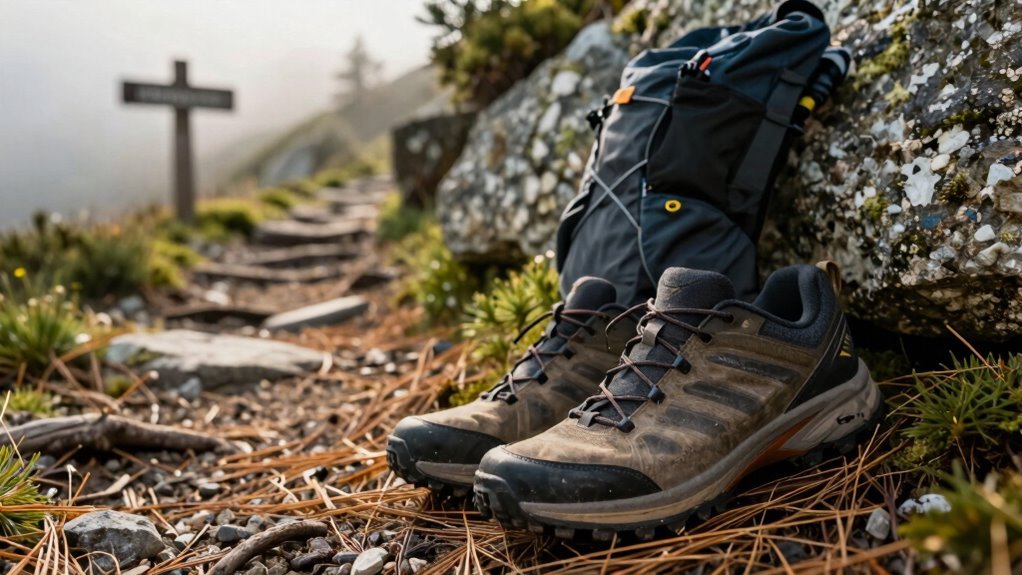
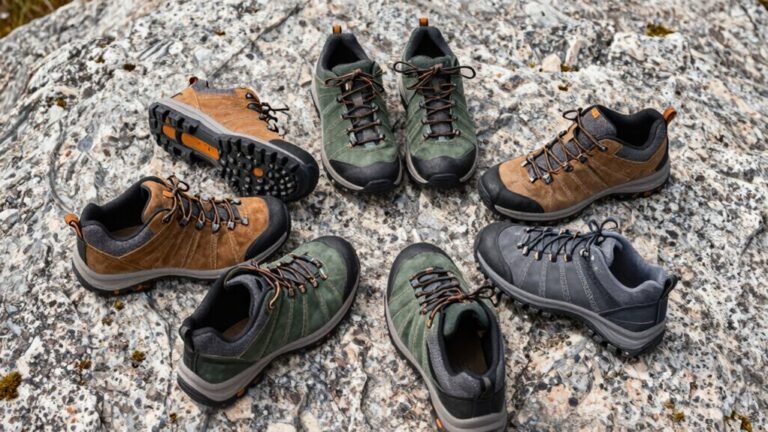
You’re swapping pavement for dirt, and trail runners are your new best friends. These specialized shoes are designed to handle the demands of off-road terrain, giving you confidence on every step.
They grip muddy roots, shrug off sharp rocks, and keep your feet snug and happy. Trail runners feature durable outsoles with sticky rubber for superior traction on slippery or uneven surfaces.
Look for protective toe caps and a secure fit to guard against trail hazards. Choose cushioning that matches your running style, and pay attention to heel drop for comfort on steep climbs and descents.
Make sure your trail runners have enough room to wiggle your toes—this prevents blisters on long runs. Let your feet adapt to the new terrain, and enjoy the adventure that awaits off the beaten path.
What Makes Trail Runners Different From Road Running Shoes
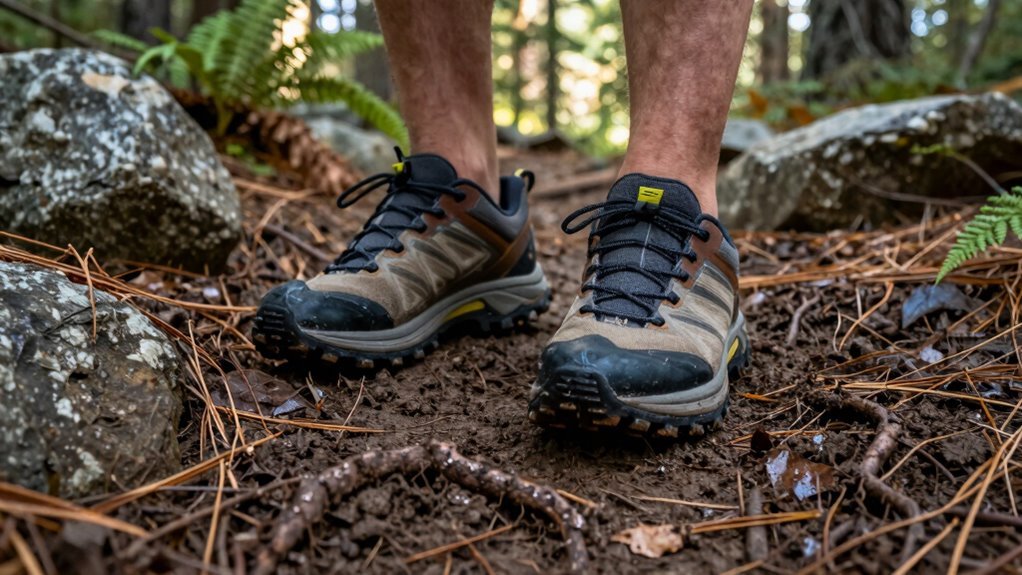
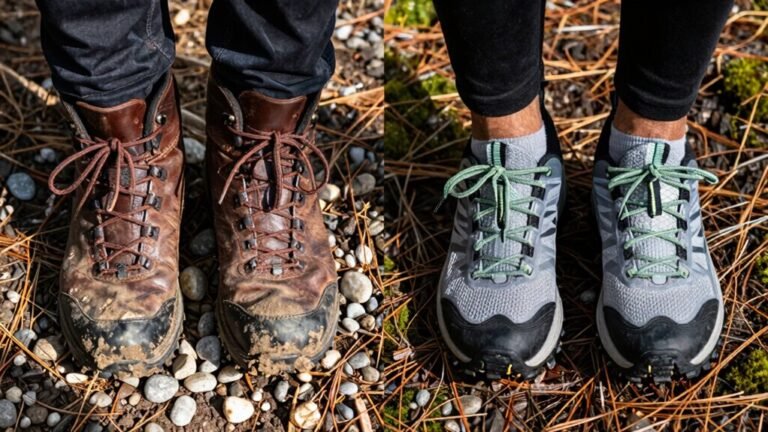
Ever wonder why your road shoes feel so sketchy when you hit the dirt? That’s because trail runners are built for adventure, not pavement. You get deep lugs on the outsole—they’re like tire treads for mud, rocks, and slippery roots. Road shoes? Smooth and flat, great for sidewalks but useless off-road.
Trail midsoles stay firm so you don’t roll an ankle, while road ones are soft, squishy, and made for bouncy pavement runs. You’ll also notice trail uppers are tougher, with protective overlays and sometimes waterproof lining—because nobody likes pebbles in their socks. Directional lugs under forefoot and heel help grip uphill and stabilize downhill on rugged terrain.
They’re heavier, yeah, but that’s the trade-off for stability and protection. Think of trail shoes as your off-road bodyguards: chunkier, beefier, and ready for anything. Next time you leave the pavement, you’ll actually feel confident—and way less likely to do an accidental mudslide.
Key Features to Look for in a Trail Running Shoe
Where do you want your feet to be when the trail gets wild—safe and steady, or slipping and sliding like you’re on a banana peel?
Go for protection first: look for tough toe caps and rock plates to guard against roots and stones. You’ll love how reinforced uppers shrug off thorns and branches like a boss.
Grip matters—choose aggressive outsoles with sticky Vibram rubber and lugs that dig deep in mud or fly over wet rocks. For varying terrain, consider multidirectional lugs that provide stability on unpredictable surfaces (multidirectional lugs).
Cushioning keeps your legs happy; EVA midsoles offer a sweet balance of soft landings and springy response. Stability? Wider bases and snug heel cups keep you upright when the trail turns sneaky.
Don’t forget fit—snug heels, roomy toes, and arch support make all the difference. Lace tight, stay light, and laugh at obstacles like they’re just bad jokes.
How Trail Runners Handle Different Types of Terrain
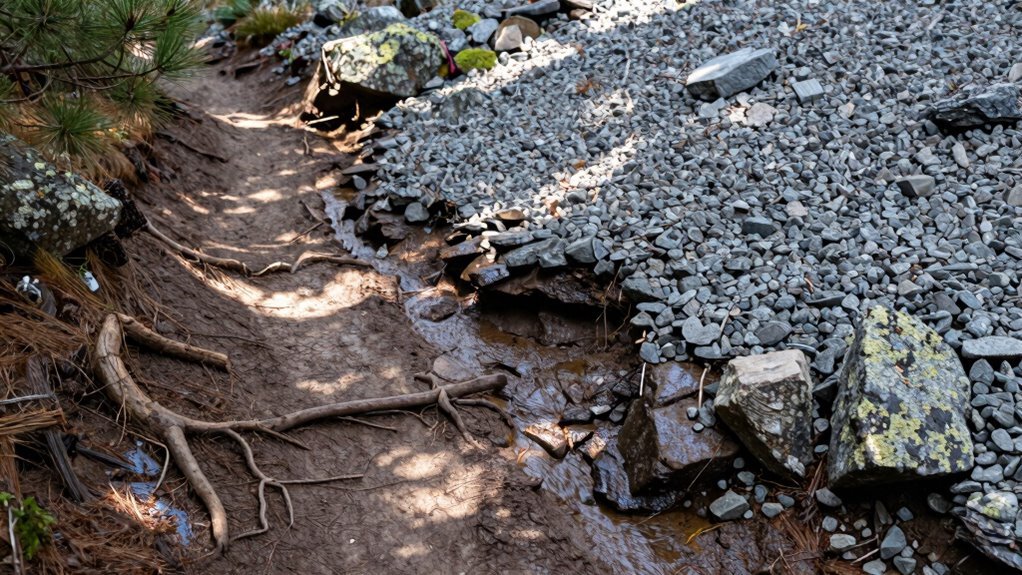
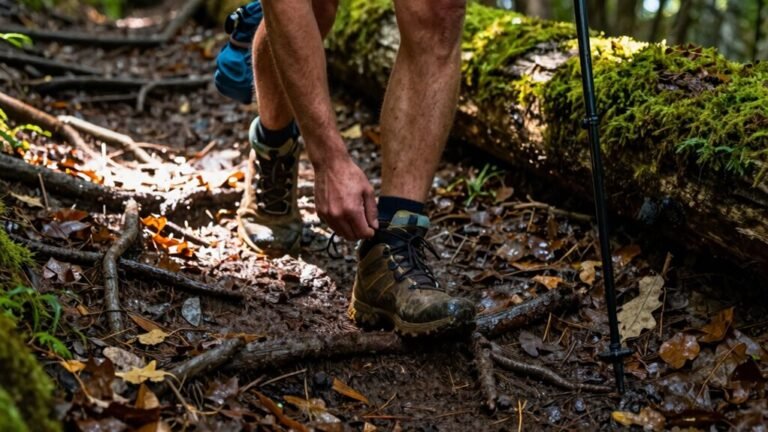
How do you stay upright when the trail turns into an obstacle course of rocks, roots, and mud? You adapt—fast!
On rocky sections, you step just ahead of jagged stones, tweak your stride, and use airplane arms to stay balanced. A slight lean and relaxed core keep you steady.
Roots? Lift your knees, go toes-up, and pick your steps like you’re dodging landmines—because, well, tripping stings.
Scan ahead and trust your feet; good balance drills make this feel almost natural. With repetition builds muscle memory, your body learns the rhythm of uneven terrain, reducing the need to overthink each step.
Mud’s messy—dig your heels, crouch low, and let your arms wing out for balance, maybe even embrace a little controlled slide.
Uphill, shorten your stride, hike when needed, and thank your past self for those lunges.
Downhill, flow fast on soft ground, skip steps like a pro, and stay light.
You’ve got this—one wobbly, glorious step at a time.
The Importance of Traction and Outsole Design
You just dodged a root, danced over a slick patch of mud, and powered up a rocky incline—now let’s talk about what made that move possible: your outsole.
It’s your shoe’s superhero, keeping you safe and steady on wild trails.
Without solid grip, you’d be doing accidental slips instead of smooth strides.
Here’s what to look for:
- Lug pattern – Deep, spaced-out lugs grab wet mud, while tight lugs roll smoothly on dry dirt.
- Rubber quality – Sticky, soft rubber (like Vibram) hugs rocks, while durable compounds last longer on rough ground.
- Coverage – Full-coverage soles shield your feet on brutal terrain, while partial ones cut weight for easier runs.
Your outsole isn’t just rubber—it’s your connection to the trail, fighting for every step.
Pick smart, and let your feet do the fun part.
Choosing the Right Fit for Comfort and Performance
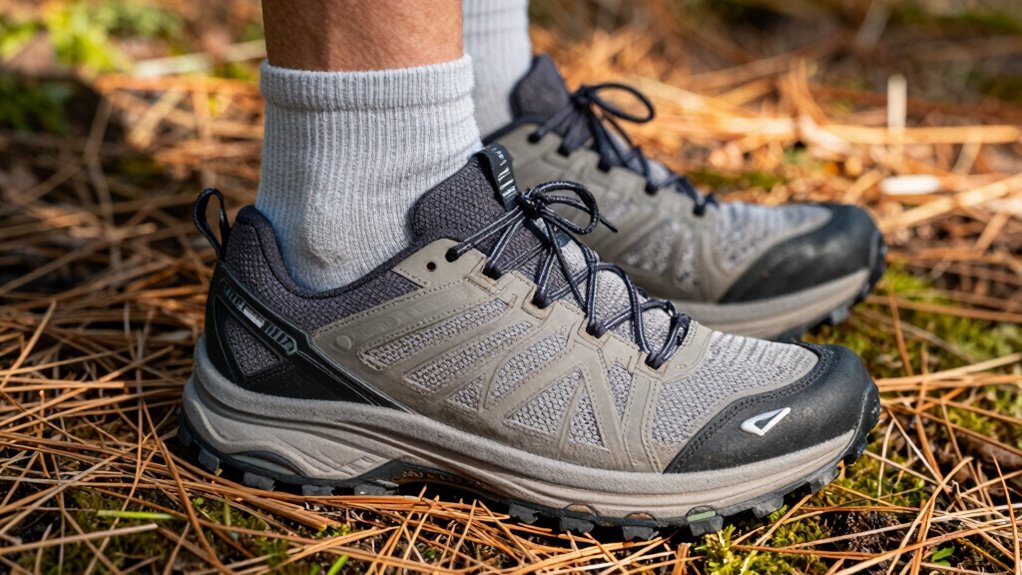
Ever wonder why your feet feel like they’re throwing a tantrum after a trail run? It’s probably your fit.
Aim for a thumb’s width of space at the toes—more on downhills—so your piggies don’t jam and bruise.
Your heel should hug snugly without pinching, locking things down so no slipping happens mid-scramble.
Midfoot? Snug but chill—no squeezing allowed. If it pinches, go wide.
Feet swell during runs, so shop late in the day and wear your running socks (yes, bring them!).
Size up 1–2 from your street shoes depending on brand and sock fluffiness.
Always fit to your bigger foot—yes, they’re likely mismatched!
Try both shoes on, walk around, even jog a bit.
Your future self (and toenails) will thank you. Happy trails!
Understanding Cushioning and Support Levels
What’s the secret to floating over roots like a trail ninja?
Picking the right cushioning and support in your trail runners.
Too soft and you’ll feel every pebble; too firm and your joints will protest.
Here’s how to nail it:
- Go light with *minimal cushioning* if you love feeling the trail—low stack, max feedback, perfect for speedy, short runs.
- Stick with moderate cushioning (25–35mm) for a sweet spot—cushy enough to protect, firm enough to feel agile, ideal for newbies and mixed terrain.
- Pump up the plush with *maximum cushioning* on long, rocky trails—big stacks soak up abuse, while wider bases and firm foam keep you stable.
Your feet aren’t just along for the ride—they’re leading the adventure.
Match their mood, and every mile feels like a high-five from the trail.
How Heel-to-Toe Drop Affects Your Run
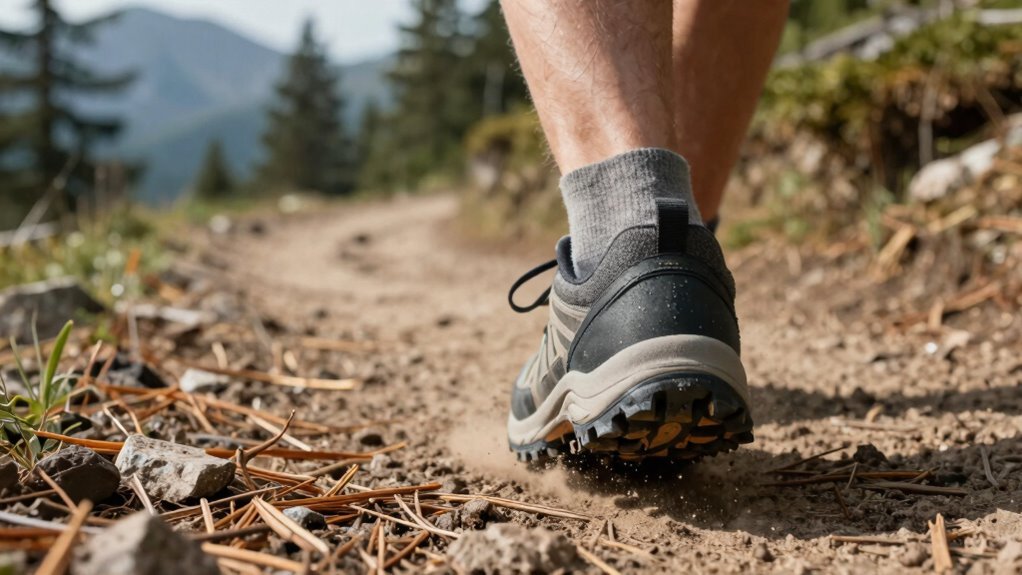
While your shoes mightn’t do the talking on the trail, the heel-to-toe drop sure does—quietly shaping how your foot lands, your legs feel, and whether you’re gliding smoothly or fighting every step.
That drop, measured in millimeters, is the height difference between your heel and forefoot.
Higher drops (over 8mm) favor heel striking and ease calf strain, while low or zero drops (under 4mm) encourage a midfoot landing, sharpening balance and cadence.
Trail shoes usually run low—0 to 6mm—helping you adapt quicker to rocky, uneven ground.
Lower drops reduce knee stress but shift work to your calves and Achilles, so switching too fast can leave you sore.
Think of it like changing gears: your body needs time to adjust.
Most trail runners today lean toward lower drops—because who doesn’t want to feel more connected to the trail, right?
Just don’t rush the shift—your legs will thank you.
Waterproof vs. Non-Waterproof: Which Is Right for You?
How’s your foot feeling—dry and cozy or baking in a sweaty soup? Choosing between waterproof and non-waterproof trail runners can make or break your run. Here’s what you need to know:
- Go waterproof when it’s cold, wet, or mucky – they keep water *out* and your feet warm, but don’t expect them to breathe much (hello, sauna feet above 10°C!).
- Pick non-waterproof for hot days or stream hops – they dry fast, breathe well, and feel light, but puddles *will* soak you.
- Match your moves – slow hikes in rain? Waterproof it. Speedy summer loops? Breathe easy with mesh.
Gaiters help seal out gunk, and materials like GORE-TEX Invisible Fit offer a sweet spot.
Either way, let your trail—and your sweat level—decide.
Your feet will thank you!
Top Brands and Models for Beginners
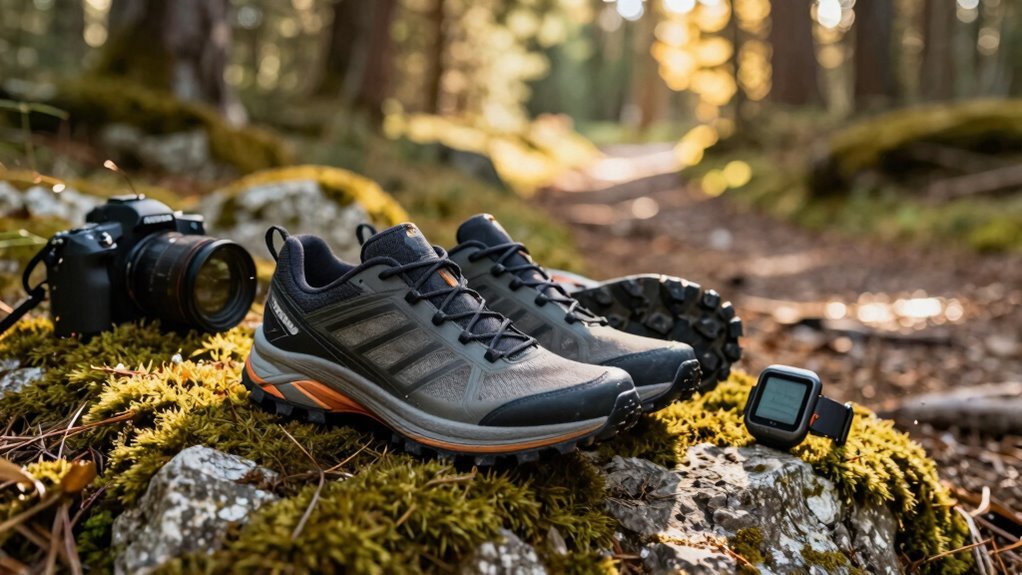
Where do you start when the trail calls and your old sneakers just won’t cut it?
You grab a trusted pair designed for dirt, rocks, and adventure.
The Salomon Speedcross 6 bites into muddy trails with aggressive lugs and scores big at 8.7/10.
If you love road-to-trail ease, the Nike Pegasus Trail 5 cushions every mile with bouncy React foam.
The Saucony Peregrine 15? A stable, reliable favorite for beginners who want confidence on rough paths.
Love zero-drop comfort and wide toes? Altra Lone Peak 9’s got your back (and feet) on long, wild runs.
And the Hoka Torrent 4? Super cushioned, grippy with Vibram, and loved by all—it’s like your trail-running hype squad.
These models won’t quit on you, so go ahead—answer the trail’s call.
Your feet will thank you (and maybe even throw a party).
Tips for Breaking In Your New Trail Runners
You’ve picked your perfect pair, whether it’s the grippy Salomon Speedcross 6 or the cushy Hoka Torrent 4, and now it’s time to make them feel like part of your stride.
Trail runners are way more flexible than old-school boots, but your feet still need time to adjust—skipping the break-in is like jumping into a cold pool headfirst. No thanks! To make it fun and pain-free, follow these steps:
- Start indoors – Wear them around the house with your trail socks, walk, stretch, even dance a little; let them get to know your feet.
- Go short and slow – Hit the sidewalk or treadmill for 10–15 minutes, then swap back to your old pair. Your legs will thank you.
- Build up gradually – Add mileage over a couple weeks, tossing on a daypack later to really seal the deal.
Listen to your feet—if something pinches or blisters, don’t tough it out. Your trail adventure starts with happy toes!
Frequently Asked Questions
Can I Use Trail Runners for Everyday Walking?
You can absolutely use trail runners for everyday walking—they’re comfy, supportive, and ready for anything.
You’ll love how they handle sidewalks, park paths, and even gravel without missing a beat.
They’re grippy, cushioned, and won’t feel clunky like some hiking shoes.
Just avoid deep mud if you’ve got shallow lugs.
Think of them as your sneaker’s adventurous cousin—always down for a walk, even if it veers off-road.
Are Trail Running Shoes Suitable for Hiking?
Yes, you can absolutely hike in trail runners—they’re light, comfy, and grip most trails like magic.
You’ll zip along with less leg fatigue, thanks to their cushioned, flexible soles.
They breathe well, too, so your feet won’t feel like saunas.
Just don’t tackle super rocky or slippery routes—they won’t babysit your ankles.
For day hikes on decent paths? Perfect.
Think of them as your trail-savvy sneakers, ready to leap into action, no drama, no blisters—just happy feet and smooth strides.
How Often Should I Replace My Trail Runners?
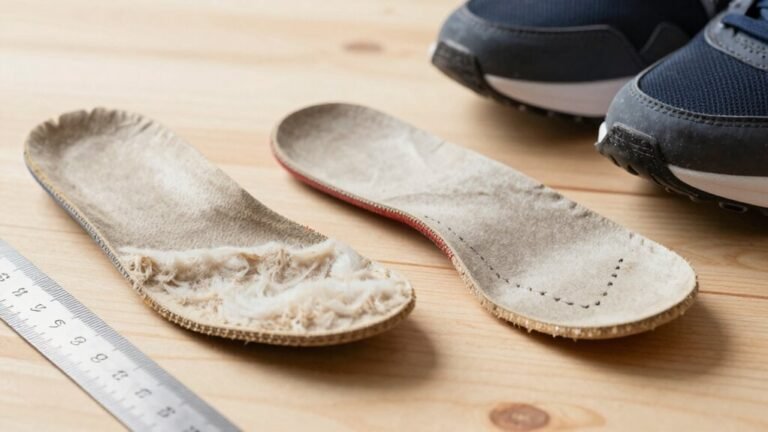
You should replace your trail runners every 300 to 500 miles—they’re like trusty hiking socks with a limited superpower lifespan.
You’ll know it’s time when the tread’s smoother than a baby’s bottom, the cushioning feels flat, or your feet complain more than usual.
Rocky trails, heavy steps, or neglecting care can speed up the burn.
Track mileage, rotate pairs, and clean them—it’s easy stuff that makes them last longer, so you stay springy and safe on every adventure.
Do Trail Runners Require Special Cleaning Methods?
Yeah, trail runners do need special cleaning—mud loves to cling!
You gotta act fast before it dries and gets stubborn.
Start by knocking off loose dirt, then rinse with cold water.
Use warm, soapy water and a soft brush to scrub grime gently—no harsh scrubbing!
Tackle stains with baking soda paste, deodorize with vinegar spray, and always air dry.
Never toss them in the washer—it’ll wreck the cushion and fit, and nobody wants stinky, soggy shoes!
Can I Wear Trail Shoes on the Treadmill?
Yeah, you can wear trail shoes on the treadmill—just don’t expect the belt to throw you a party.
Those grippy lugs? Overkill indoors and might chew up the surface over time.
You’ll get solid support and cushioning, sure, but save the aggressive treads for dirt.
Swap in lighter, breathable kicks like the Nike Pegasus Trail 5 for comfort without carnage.
Your treadmill—and your shoes—will thank you.
Conclusion
You’ve got this! Think of your trail runners as trusty hiking boots with rocket fuel—they’ll hug your feet, grip like squirrel claws on bark, and spring you forward over roots and rocks. With the right pair, every path feels like an invite to adventure. So lace up, laugh off the stumbles, and let the trails roll out like nature’s red carpet. Happy running—you’re built for this!
References
- https://www.goruck.com/blogs/news-stories/trail-running-shoes-vs-running-shoes
- https://www.nike.com/a/trail-running-shoes-vs-running-shoes
- https://www.teva.com/on/demandware.store/Sites-TEVA-US-Site/en_US/Blog-Post?id=trail-running-vs-road-running-shoes
- https://bandannarunning.com/trail-shoes-vs-road-shoes-what-should-you-get/
- https://salomonsports.co.za/blogs/stories-guides/differences-between-trail-running-and-road-running
- https://www.youtube.com/watch?v=M_muUYjoVcQ
- https://www.salomon.com/en-us/sg/a/what-are-the-differences-between-trail-road-and-gravel-shoes
- https://rununited.com/blog/5-key-features-to-look-for-when-choosing-trail-running-shoes/
- https://www.mammut.com/us/en/stories-guides/how-to-find-the-perfect-trail-running-shoe
- https://www.runnersneed.com/expert-advice/gear-guides/why-trail-running-shoes-are-essential.html