How to Stay Warm Without Sweating
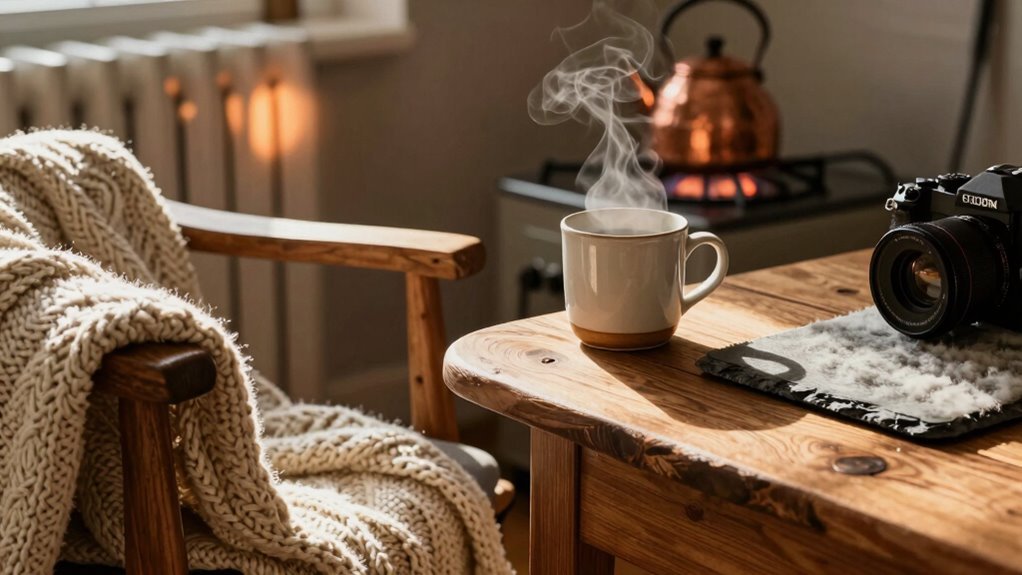
To stay warm without sweating, choose a smart base layer like merino wool or silk—it keeps you cozy even when damp. These materials help regulate temperature and wick moisture, so you stay dry and comfortable.
Layer up with fleece or down for insulation, then add a breathable shell to protect against wind and rain. This system allows you to adjust your clothing as activity levels change, preventing overheating.
Keep your thermostat around 70°F and wear breathable pajamas at night to maintain comfort. Sip water regularly to stay hydrated, which helps your body manage heat effectively.
Choose the Right Base Layer Materials
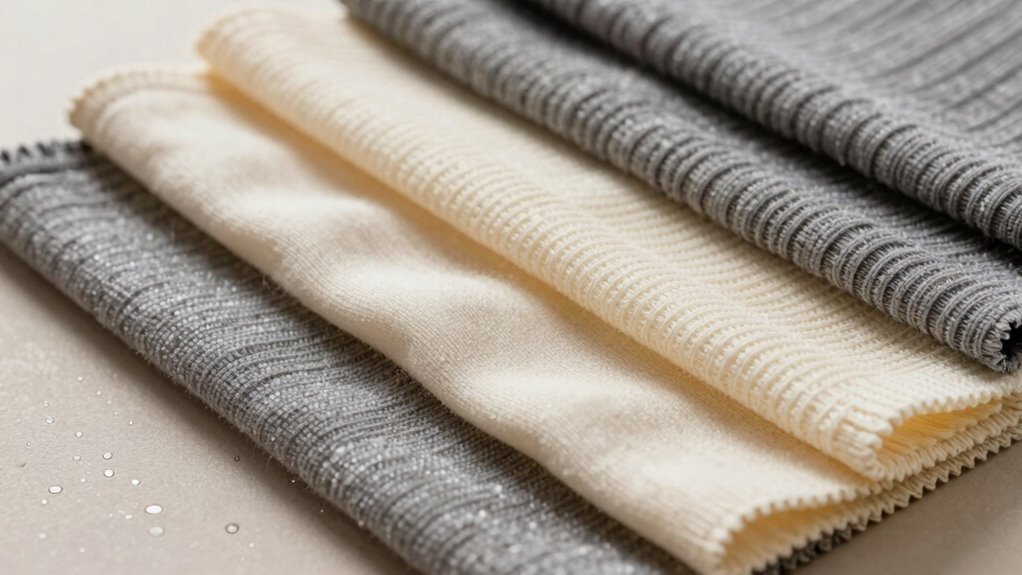
Let’s talk base layers—your first line of descent against the cold (and yes, your best friend if you want to avoid turning into a sweaty mess).
You’ve got options, and they’re better than your old cotton tee.
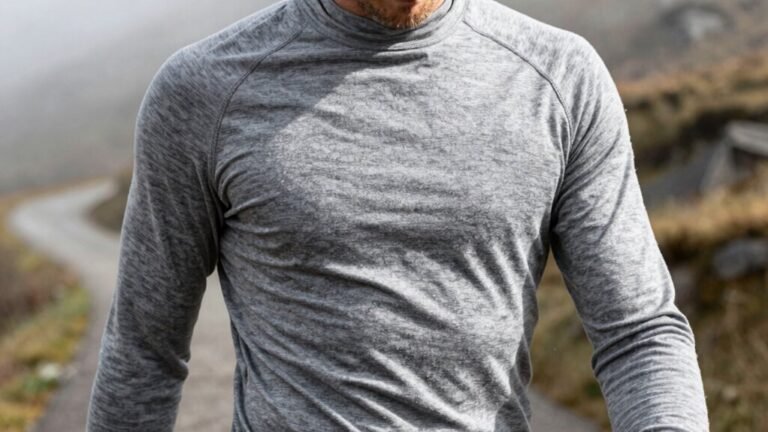
Merino wool? It’s magic—warm when wet, won’t stink, and handles both chilly hikes and mild days.
Try angora for insane warmth without bulk—its hollow fibers trap heat like a cozy igloo.
Cashmere feels like a hug for your skin, soft and warm, perfect if you’re sensitive.
And silk? Light, smooth, and great at moving moisture without irritation.
If you’re into high-performance gear, synthetics like polyester-spandex blends stretch, breathe, and ditch sweat fast.
Some even trap your body’s heat with smart tech.
Mix merino with synthetics and get the best of both—warmth, less bulk, and no swampiness.
A well-chosen base layer provides moisture-wicking performance that keeps you dry and comfortable during activity.
Pick right, and you’ll stay toasty, dry, and actually enjoy the cold.
Master the Art of Layering Clothing
You’ve picked your perfect base layer, and now it’s time to build on that win—because staying warm without sweating isn’t about bundling up like a stuffed burrito, it’s about smart layering.
Add a mid layer, like fleece or down, to trap heat close to your body and let those air pockets do their cozy magic.
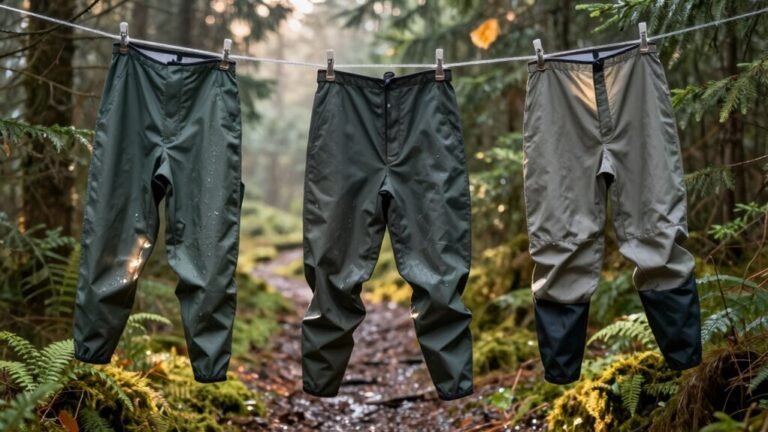
Then top it off with an outer shell that blocks wind and rain like a bouncer at a club.
The real pro move? Adjusting layers as you go—peel one off when you’re active, add it back when you’re still.
It’s like having your own personal thermostat.
Moisture stays wicked, warmth stays trapped, and you stay comfy without the swampiness.
With high-tech fabrics that reflect heat or regulate temperature, you’re not just dressed—you’re upgraded.
Layering isn’t just practical; it’s your secret weapon for winning winter.
And hey, looking stylish while dodging hypothermia? Bonus.
Heatwave Technology enhances warmth without adding bulk by converting body energy into amplified heat and reflecting it back to you.
Optimize Your Indoor Temperature
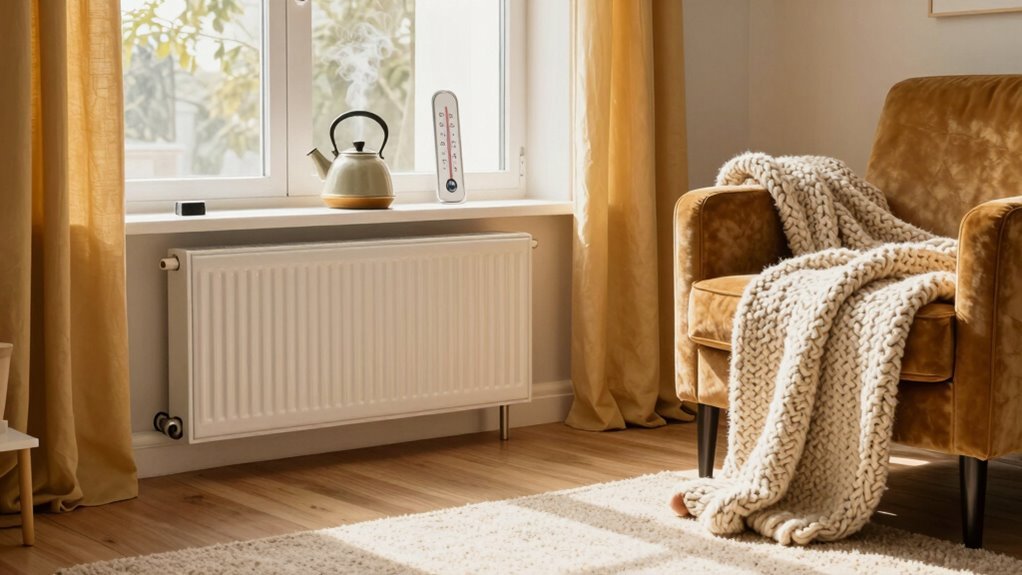
While your favorite sweater might be great for snuggling up on the couch, keeping your home cozy without cranking the heat is all about playing smart with your thermostat.
Lowering it by just 1°F can save up to 11% on heating, depending on where you live—now that’s heat you won’t miss!
Aim for around 70°F; it’s cozy *and* cuts energy use by 7%.
Smart thermostats help, saving up to 5.2% just by learning your rhythm.
But skip the kitchen wall—placing your thermostat there’s like letting dinner control your comfort.
Move it to a main living area, and you’ll feel the difference.
Rooms vary wildly, so focus on where you actually hang out.
With a little tweaking, you’ll stay toasty, avoid sweats, and maybe even laugh when your neighbors say, “Brrr—it’s cold!”
Who knew comfort could be this smart?
These savings are backed by adaptive thermal models that align with real-world comfort patterns.
Use Breathable Bedding and Sleepwear
You’ve got your thermostat dialed in just right, so now it’s time to turn that cozy indoor vibe into an all-night comfort zone—starting with what you sleep on and in.
Swap out heavy synthetics for breathable bedding like wool, linen, or organic cotton—they’re like bouncers for heat, keeping the party cool and dry.
Wool wicks moisture for eight hours straight, while TENCEL™ and bamboo viscose stay cool in humidity.
Percale weaves and vintage-washed cotton? Crisp, airy, and drama-free.
Pair those with natural-fiber sleepwear—think cotton, silk, or linen—and you’ve got a dream team that ditches damp for deep Zzzs.
Moisture-wicking pajamas pull sweat away, so you’re never that sweaty mess at 2 a.m.
Cooling tech like phase-change materials add extra chill without the shiver.
It’s not magic—it’s smart fabric.
Your bed should hug you, not suffocate you.
Breathe easy, sleep cooler, wake up happy—and definitely not sticky.
Stay Hydrated Without Overheating
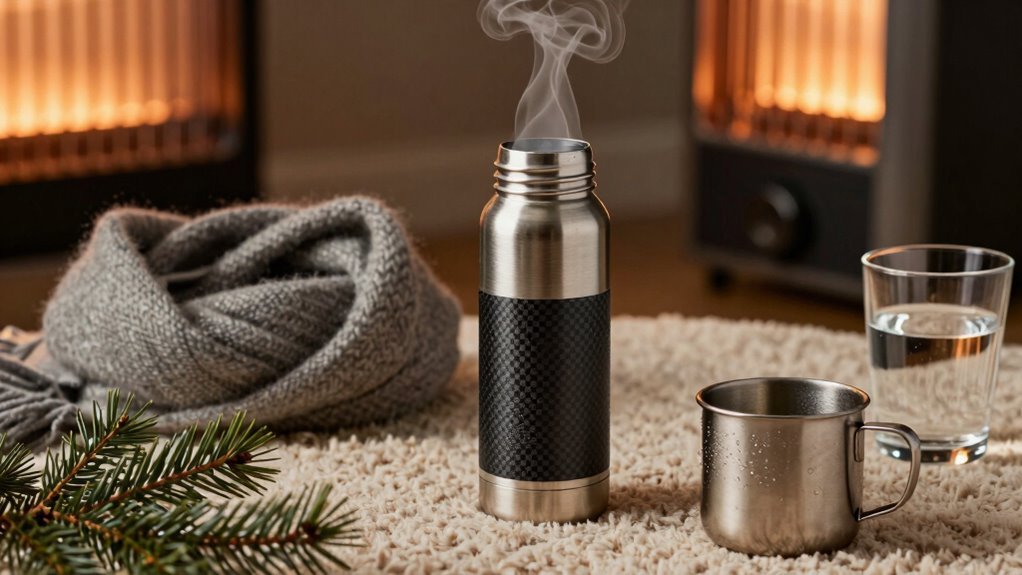
How does something as simple as sipping water help you sleep cooler and stay comfy all night?
Because hydration helps your body manage temperature without sweating buckets.
You’re doing yourself a favor when you drink water steadily—don’t wait until you’re parched.
Aim for at least eight glasses a day, or half your body weight in ounces.
Snack on watermelon or cucumbers—they’re juicy *and* sneaky hydrators.
Cold water or half-frozen coconut water? Yes, please—they chill you from the inside.
Skip sugary sodas and too much booze—they’ll dry you out faster than a desert wind.
And hey, if you’re sweating a lot, grab a banana or a salty pretzel to keep electrolytes happy.
You’ve got this!
Just sip, snack, and stay cool—no sweat required.
Adjust Your Activity Levels Strategically
Ever wonder why you feel like an overheated engine after a brutal workout?
That’s your body pumping out over 1000 watts of heat, spiking your core temp the harder you push.
But here’s the good news: you’ve got control.
By simply dialing back your pace, you slash heat production and keep things steady without drenching your clothes in sweat.
Think of it like cruise control for your core—smart pacing prevents that sweaty scramble for cooling.
Trained athletes stay cool (literally) by adjusting effort, hitting a sweet spot where their body handles heat smoothly.
You don’t need to go full marathon mode; just listen to your body and ease up when you start steaming.
It’s not quitting—it’s being clever.
Lower intensity means less internal fire, fewer cooling calls to sweat, and more comfort.
Stay warm, stay dry, and let your effort do the smart work.
Frequently Asked Questions
Can I Wear Wool if I Have Sensitive Skin?
Yes, you can wear wool even with sensitive skin—especially superfine merino!
It’s soft, won’t itch, and actually soothes irritation instead of causing it.
Forget scratchy sweaters from childhood; modern merino is like wearing a cloud.
Your skin’ll stay happy, dry, and cozy without overheating.
Plus, it fights odor naturally.
Is It Safe to Use a Heating Pad All Night?
No, it’s not safe to use a heating pad all night—you’re playing chicken with your skin, like toasting marshmallows over a campfire and forgetting to pull them back.
Your body’s slower to react while asleep, so burns can sneak up fast.
Even with auto shut-off, overheating and fire risks grow.
Stick to warming your bed before crawling in, then turn it off.
Your cozy, safe sleep? Totally worth the extra step.
Do Heated Blankets Consume a Lot of Electricity?
No, heated blankets don’t gobble up electricity like a power-hungry monster.
You’re only using about as much juice as a bright lightbulb—usually 60 to 150 watts, depending on the heat level.
Crank it to high? It’ll sip more power, sure, but you’re still talking pennies per night.
Use it wisely, and your blanket’s more frugal than your old space heater—plus, it’s way cozier!
Can Eating Spicy Foods Help Regulate Body Heat?
Yes, eating spicy foods can help regulate your body heat—you’ve got capsaicin to thank for that!
It tricks your brain into thinking you’re overheating, so you start sweating and cooling down, even if you’re not.
You’ll feel fiery, but paradoxically, you’ll also chill out.
Plus, your nose runs, your heart races, and suddenly you’re a sweating, sniffling mess—but hey, at least you’re not hot.
Pass the peppers!
Should I Avoid Alcohol When Trying to Stay Warm?
Yeah, you should skip the alcohol if you’re trying to stay warm—it’s like wearing a disguise that tricks your body into feeling cozy while you’re actually freezing from the inside out.
It flushes heat to your skin, makes you feel toasty, but dumps your core warmth fast. In cold weather, that’s a sneak attack. Save the drinks for indoors, not snowmen-building dates.
Conclusion
You’ve got this! Sure, it sounds tricky—staying cozy without turning into a sweaty mess—but with smart layers and breathable fabrics, you’ll feel like a climate-control ninja. You won’t have to choose between shivering and sweating anymore. Toss the heavy blankets, grab moisture-wicking gear, and drink cool water. Move just enough to stay toasty, not steamy. Warmth without the drip? Yes, please!
References
- https://www.getsilverlyne.com/blogs/blog/thermal-vs-base-layer-which-do-you-need
- https://www.stio.com/blogs/baselayers/are-base-layers-and-thermals-the-same
- https://alpinefit.com/blogs/blog/the-role-of-base-layers-in-temperature-regulation
- https://forloh.com/blogs/watering-hole/best-base-layer-extreme-cold
- https://myoutdoorbasecamp.com/base-layer-materials/
- https://nailthetrail.com/comparison-of-base-layer-materials/
- https://na.icebreaker.com/en-ca/blogs/journal/choosing-the-right-base-layer-for-every-activity
- https://www.outdoorgearlab.com/best-base-layer
- https://www.swedemount.com/en-se/about-us/tips-and-guides/choose-the-right-base-layer
- https://www.seirus.com/blogs/seirus-journal/the-layering-playbook-effective-layering-in-cool-cold-and-sub-zero-conditions