Hydration Tips for Older Hikers
Hydration is crucial for older hikers, as your body loses water more quickly and your thirst signals aren’t as sharp. To stay safe, sip fluids early and often—don’t wait until you feel dry.
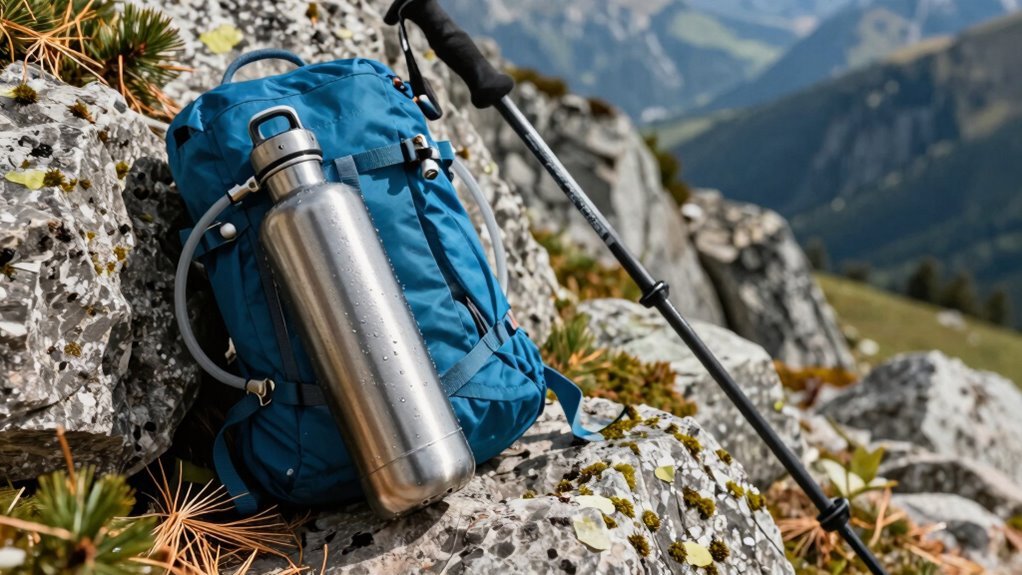
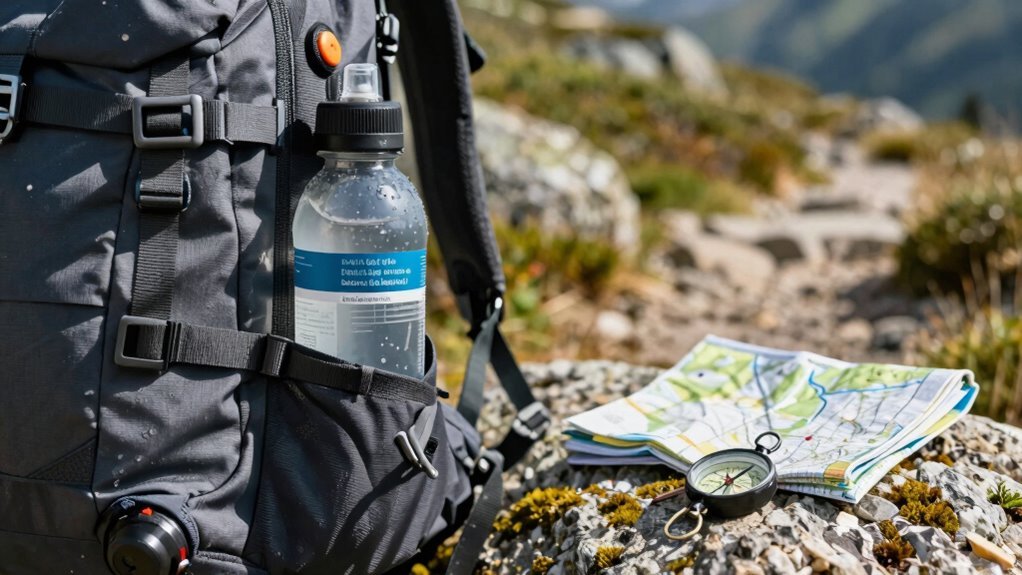
Carry a hydration bladder or clear water bottle so you can monitor your intake. Aim to drink 4–6 ounces every 20 minutes, especially on warm days.
Boost your hydration with electrolyte tablets during hot weather. Avoid beer and excess coffee—they can speed up dehydration.
Eat water-rich snacks like watermelon, oranges, or cucumber to help maintain fluid levels. Keep an eye on your urine color; light yellow means you’re well hydrated.
If you develop a headache or feel dizzy, drink water immediately. Staying on top of hydration means more energy and better trail days ahead.
Understand How Aging Affects Hydration Needs
Ever wonder why you don’t feel as thirsty as you used to?
Well, aging dulls that urge, so you’re less likely to reach for water—even when your body needs it.
Yep, your thirst meter’s basically retired.
Kidneys don’t hold onto fluids as well anymore, so you’re peeing more and losing precious water.
Muscles shrink with age, and since muscle holds water, your storage tanks are running low.
That means dehydration sneaks up faster than a squirrel stealing trail mix.
Scary part? High sodium levels (over 142 mEq/L) can mean faster aging and more health issues—think heart trouble, diabetes, or worse.
But hey, staying hydrated isn’t just smart, it’s your secret hiking hack!
Keep fluids close, because your body’s not shouting “I’m thirsty!” like it used to—and that’s no joke when you’re miles from the trailhead.
Research shows serum sodium >144 mmol/L is linked to a 21% higher risk of early death.
Drink Before You Feel Thirsty
While your body mightn’t shout for water like it used to, it’s still begging you to stay ahead of the curve—so don’t wait for thirst to knock before you answer the door.
As you age, your thirst signal starts playing hard to get, even when you’re already running low.
Hot or cold, your body’s cues can go haywire—especially under stress or if your stomach’s grumbling for other reasons.
By the time you *think* you’re thirsty, you might already be dehydrated.
That’s why you’ve got to be the boss of your bottle, not your thirst.
Sip early, sip often, and treat hydration like a pro move.
Think of it as preventive maintenance—like putting gas in the car before the light flashes.
Your energy, focus, and muscles will thank you every step of the way.
Staying hydrated helps maintain cognitive function and physical performance, especially when about 2% body weight loss can impair both.
Stay sharp, stay wet, and keep moving!
Carry a Reliable Water Delivery System
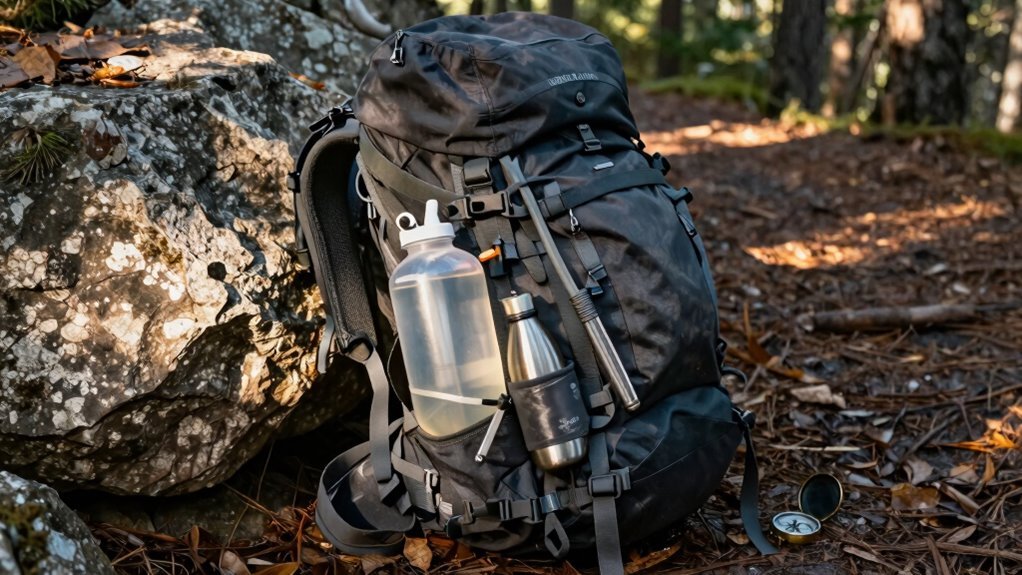
Grab a water setup that won’t leave you high and dry—your hike depends on it.
If you’re hitting the trail for a few hours, a three-liter hydration bladder’s got your back, giving you around six hours of easy sipping.
The tube and bite valve let you drink without breaking stride—super handy when you’re scrambling over rocks or weaving through brush where bottles might take a tumble.
Plus, CamelBak’s lockable bite valve means no surprise sprays in your packed.
But if you love knowing exactly how much you’ve got left, go for a trusty one-liter bottle—clear, collapsible, and easy to refill on the move.
Hybrid systems?
They’re the best of both worlds: sip from a tube but still see your supply.
Just pick a durable, easy-to-clean design with a secure cap, and your back (and thirst) will thank you.
Stay smart, stay wet!
Set a Sipping Schedule Instead of Chugging
How does your body stay cool and energized when the trail heats up?
As an older hiker, you can’t rely on thirst—it’s probably already too late by the time you feel it.
Aging dulls your thirst signals and slows how your body handles fluids, so chugging water at random won’t cut it.
Instead, sip steadily! Take 4–6 ounces every 20 minutes or so, even if you’re not parched.
Think of it like snack-time for your cells—small, consistent bites keep your engine humming.
Chugging overwhelms your stomach and can mess with your balance of essential minerals.
Set a fun alarm on your watch that chirps, “Hydrate, hero!” It’s way smarter than waiting until you’re dizzy or drained.
Sipping keeps your kidneys happy, your energy steady, and your hike fun.
Who knew being proactive could feel this good?
Use Electrolyte Replacements Wisely
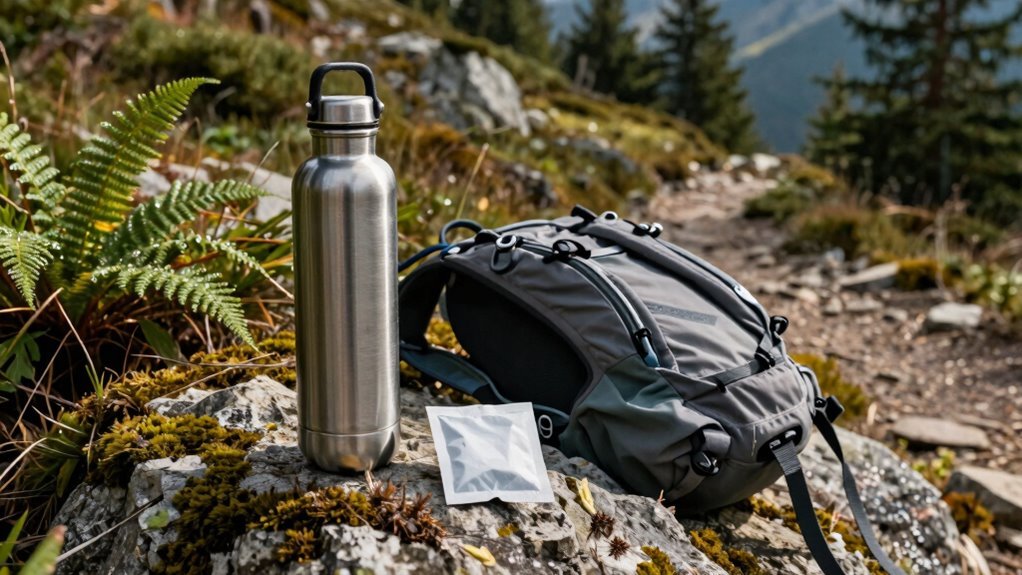
Ever wonder why that salty crust on your hiking shirt isn’t just dirt? It’s proof you’re losing precious electrolytes—especially important as an older hiker.
With less body fluid and a duller thirst sense, you can’t afford to play around. Start replacing sodium, potassium, and magnesium before you feel off.
Don’t wait for cramps or dizziness—be proactive, just like sipping water before you’re parched. Use tablets, powders like Liquid I.V., or chews from Nuun every hour in hot, sweaty conditions.
Mix them with plain water so you don’t overdo it. Eat salty snacks too—nature’s backup plan!
A balanced approach keeps your muscles firing, nerves sharp, and energy steady. And remember: no one ever high-fived a dehydration headache.
Stay smart, stay seasoned, and hike on strong!
Monitor Your Urine for Hydration Clues
What if your body had a built-in hydration meter you could actually see? Well, it does—your urine!
A quick peek can tell you a lot.
Pale yellow or straw-colored urine? Perfect—that means you’re well-hydrated and flushing wastes like a champ.
Dark yellow or amber? Uh-oh, time to drink up; you’re getting dehydrated.
For older hikers, thirst isn’t always reliable, so this color check is extra helpful.
Just don’t overdo it—clear urine all the time might mean you’re drinking too much and risking low sodium.
And yes, beets can turn pee pink, but that’s usually harmless.
Use a simple color chart as a guide, but also listen to your body.
Think of your bladder as your personal hydration cheerleader—cheering you on, one restroom stop at a time!
Adjust Fluid Intake for Weather Conditions
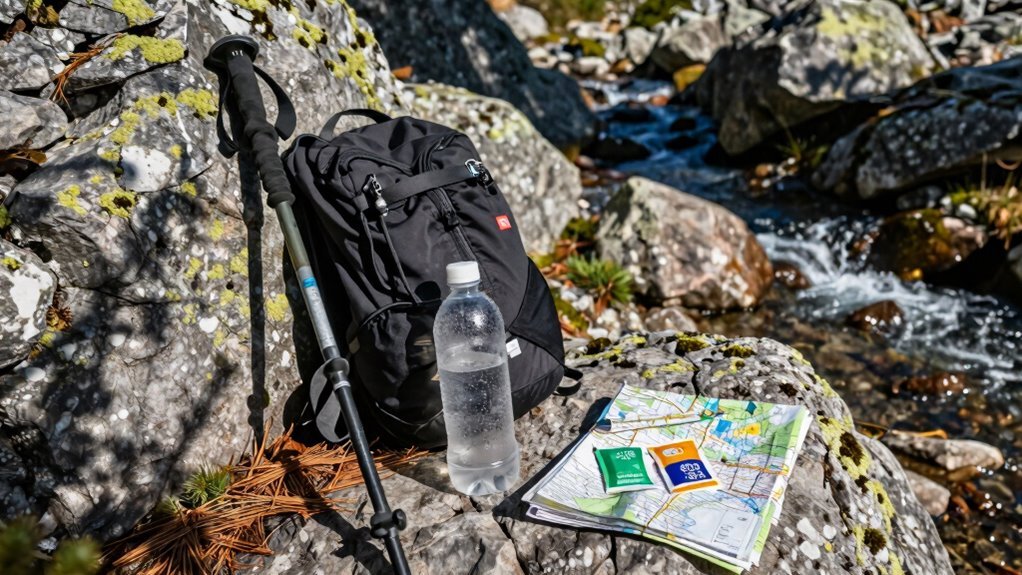
When the sun’s blazing or the air feels like a sauna, your water bottle becomes your best trail buddy—so don’t treat it like an afterthought.
Start sipping 30–60 minutes before you hit the trail, and if you’re over 50, down an extra glass—your body mightn’t scream “thirst!” but it still needs water.
Out on the trail, sip 150–250 ml every 15–20 minutes; in humidity, crank it up since sweat doesn’t evaporate fast.
That sticky, swampy air? It’s sneaky—your body cools slower, so drink even if you don’t feel drenched.
On scorching or high-altitude hikes, aim for a liter per hour and refill whenever possible.
Toss in electrolyte tabs or a pinch of salt to replace what sweat steals.
Set a timer—your brain’s better at spotting squirrels than remembering to drink.
Stay ahead of the game; your future self (and knees) will thank you.
Eat Water-Rich Foods During Breaks
While you’re out there munching on trail mix, don’t forget that some of the best hydration helpers come in fruity, bite-sized packages, packed with water and flavor to keep you going strong.
Grab a cup of watermelon—it’s 91% water and sneaks in 139 ml of fluid plus a vitamin C boost.
Craving something sweet? Try cantaloupe, which packs 144 ml of water per cup, fiber, and immune-loving vitamin A.
Peaches are tasty allies too, loaded with potassium and nearly 89% water.
Strawberries and melons aren’t just juicy—they’re nutrient-dense, portable, and perfect for older hikers who want light, satisfying breaks.
These snacks hydrate better than plain water alone and won’t weigh you down.
Think of them as nature’s sports drinks—minus the weird aftertaste.
Avoid Dehydrating Beverages Like Alcohol and Caffeine
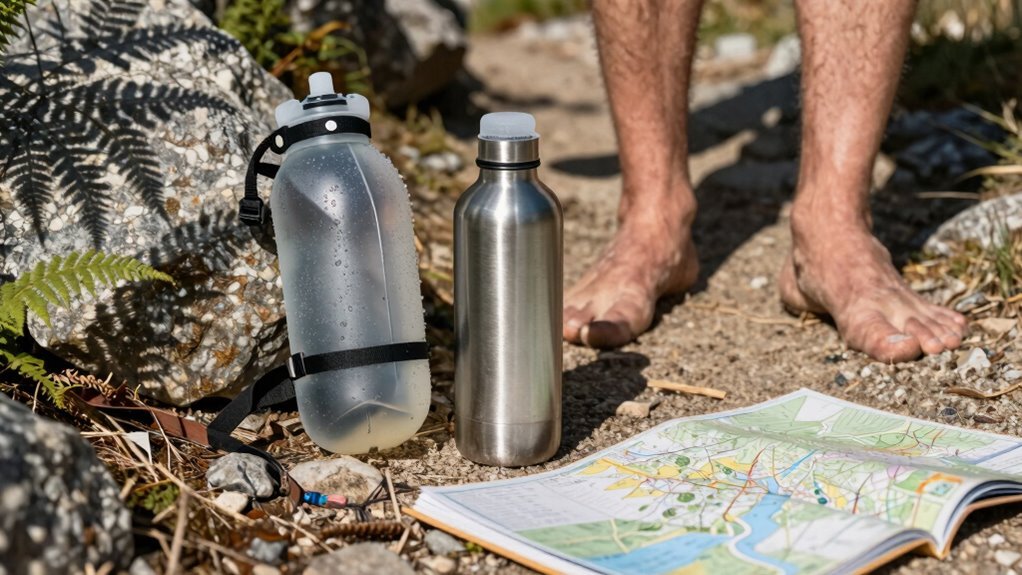
Sipping on that morning coffee or dreaming of a cold beer at camp? Think again—especially if you’re hiking at elevation.
Alcohol and caffeine aren’t your hydration friends, and as you age, your body feels the hit harder.
They push your kidneys to shed more water, mess with your electrolytes, and dull your thirst—so you’re losing fluids without even noticing.
At high altitudes, it gets worse fast.
Here’s what really happens:
- That beer boosts pee trips *and* worsens altitude headaches—double trouble.
- Your coffee might kickstart your day, but it also revs up sweat and urination mid-trail.
- With less body water and slower recovery, you’re setting yourself up for fatigue—or worse, a fall.
Skip the diuretics, stick to water or herbal tea, and keep your adventures fun, not foggy.
Your body will thank you with stronger steps and brighter skies!
Recognize Early Signs of Dehydration
If your head starts pounding like a drumroll on the trail, your body’s waving a red flag—dehydration’s sneaky and loves to strike when you’re busy admiring the view.
Don’t ignore that headache—it means your blood’s running low on fluid, especially when it worsens as you hike uphill.
If your mouth feels like a desert, you’re already a few sips behind.
Thirst isn’t as loud when you’re over 80, so don’t wait for it.
Check your urine: if it’s dark like apple juice and smells strong, chug some water fast.
Dizziness when standing? That’s your blood pressure dropping, not just getting old.
Muscle cramps, fatigue, or feeling grumpy for no reason?
Yep, dehydration’s messing with your mojo.
Catch these signs early, pause, hydrate, and laugh—it’s not the mountain getting steeper, it’s just your body asking for water!
Frequently Asked Questions
Can I Rely on Thirst Alone to Know When to Drink?
No, you can’t rely on thirst alone—it’s a lousy teammate as you age.
By the time you feel parched, you’re already playing dehydration dodgeball.
Your body’s thirst signal fades like old jeans, and your kidneys aren’t as sharp at water conservation.
Skip the guesswork: sip regularly, even when you’re not gasping.
Think of water as your hike’s MVP—consistent, reliable, and always worth celebrating!
How Much Water Should I Carry for a Day Hike?
You’re not a cactus, so don’t hike like one—carry at least half a liter per hour, buddy!
If it’s hot, crank it up to a full liter; if it’s cool, you can scale back a bit.
Use that brain of yours and tweak for trail steepness, sweat level, and how old your knees feel that day.
And hey, store water where you can grab it fast—because fumbling with gear mid-hike? So last century.
Are Sports Drinks Better Than Plain Water for Older Hikers?
Yeah, sports drinks are better than plain water for older hikers.
You need those electrolytes—especially sodium—to stay balanced and keep your body from flushing out all that hard-earned hydration.
Plus, they help you hang onto fluids and give you a little energy boost.
Think of them as water’s smarter, more helpful buddy.
Just don’t ditch water completely—team them up for best results!
What Are the Best Water-Rich Snacks for Hiking?
You’ll love munching on water-rich snacks like juicy oranges, crisp apples, and sweet bananas—they’re like nature’s water bottles!
Toss in some plump raisins or fresh blueberries, and you’ve got energy plus hydration in every bite.
Bananas smeared with peanut butter? Yes, please!
They keep you fueled and hydrated without weighing down your pack.
Snack happy, hike strong, and let your taste buds dance on the trail!
Does Medication Affect My Hydration Needs While Hiking?
Yes, meds can turn your hydration game upside down like a shaken soda can.
Diuretics ramp up fluid loss, so you’ll need extra water—but not too much, since some meds mess with electrolytes.
Thirst mightn’t kick in, so sip steadily.
Check with your doctor, especially for heart, blood pressure, or altitude drugs.
Pack electrolyte tablets, snack smart, and treat your body like the high-performance trail machine it is—no flatlining allowed!
Conclusion
You’re not chasing mirages, but staying sharp on the trail means sipping like a desert fox—smart and steady. Don’t wait for your mouth to feel like a dried-up creek bed. Keep that water close, pop an electrolyte tab when the sun’s cranky, and snack on juicy apples like nature’s Gatorade. Hydration’s your secret trail spice, so sip, laugh, and hike on—your next summit’s thirsty for you.
References
- https://www.nih.gov/news-events/nih-research-matters/link-between-hydration-aging
- https://graceatthegreenlight.org/study-shows-that-proper-hydration-may-slow-down-aging-and-prevent-chronic-conditions/
- https://www.nhlbi.nih.gov/news/2023/good-hydration-linked-healthy-aging
- https://www.uclahealth.org/news/article/hydration-and-older-adults-why-water-matters-more-you-age
- https://magazine.medlineplus.gov/article/h20-for-healthy-aging
- https://gethealthspan.com/science/article/optimal-hydration-impact-aging-wellness
- https://www.psychologytoday.com/us/blog/evidence-based-living/202301/does-hydration-impact-aging
- https://www.desertdietitians.com/post/optimizing-hydration-smart-strategies-for-hiking-in-the-desert
- https://www.adventurealan.com/best-hydration-drink-when-thirsty/
- https://cvhikingclub.net/wp-content/uploads/2020/02/hydration.pdf