How to Reduce Joint Stress While Hiking
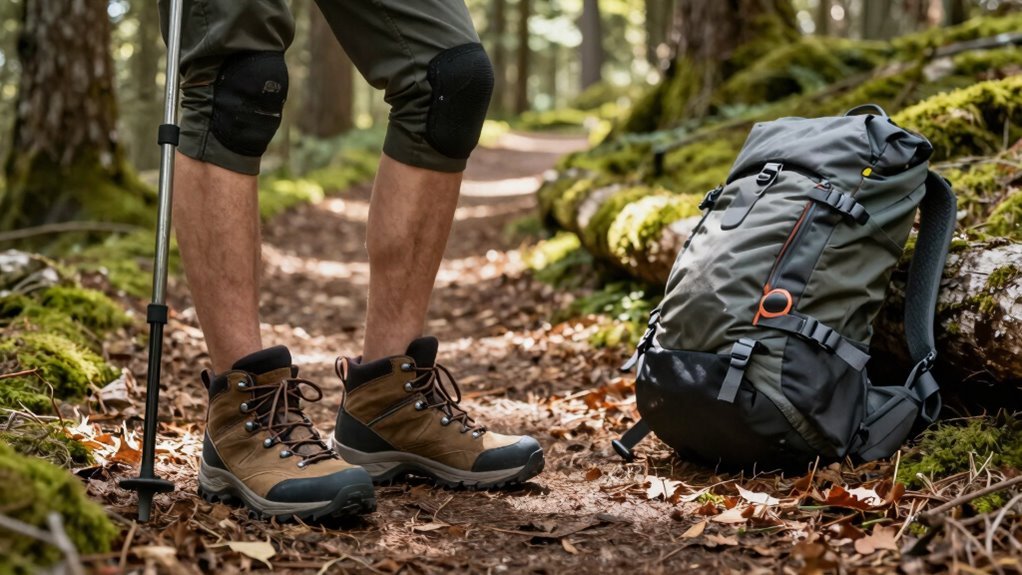
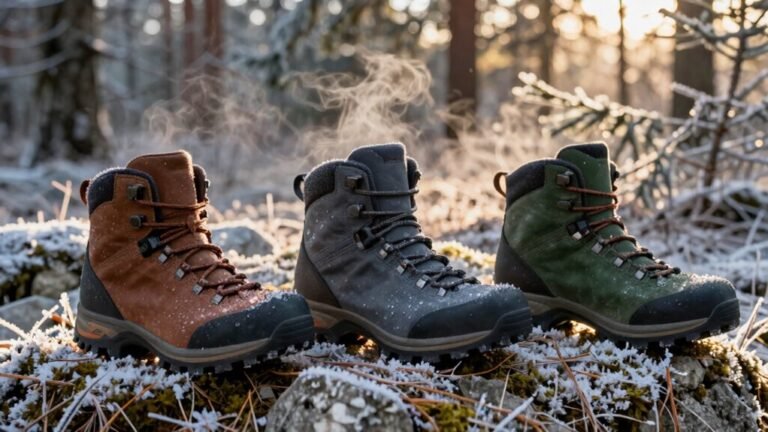
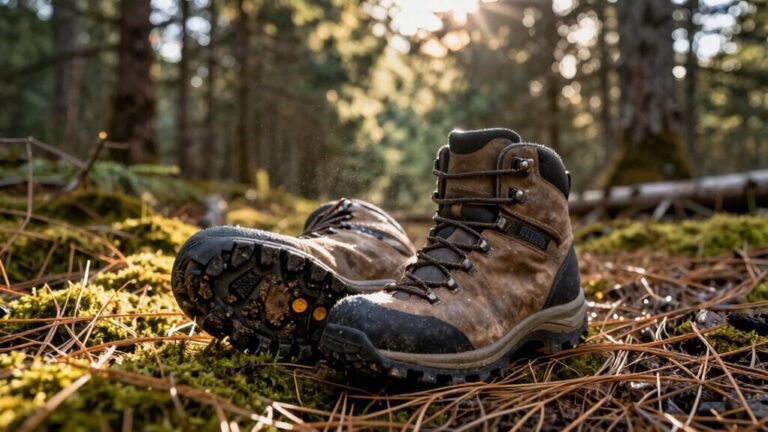
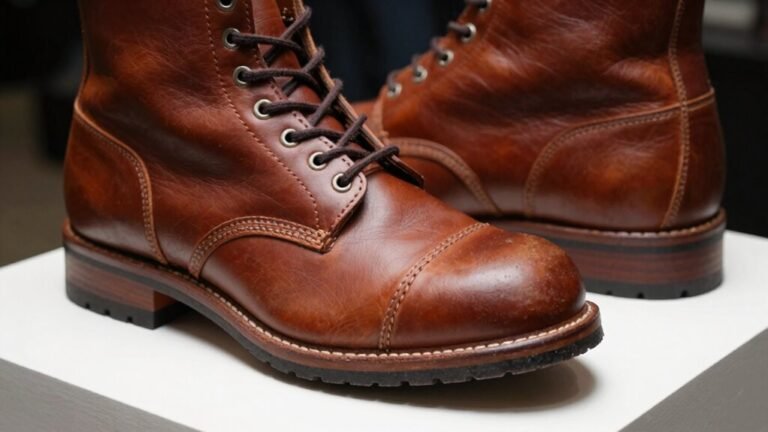
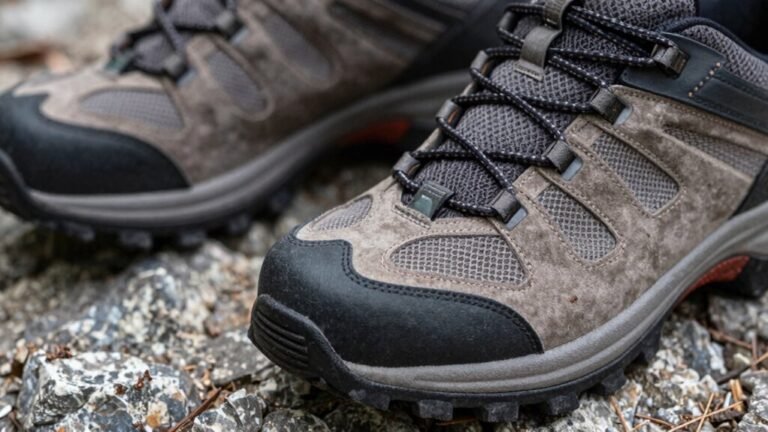
To reduce joint stress while hiking, wear supportive shoes that match your foot’s natural bend—arch support matters more than boot height. Proper footwear helps absorb impact and stabilizes your stride, which is essential for minimizing strain on knees and hips.
Use trekking poles to cut knee stress by up to 25% and improve balance on uneven or slippery terrain. These poles distribute weight more evenly, reducing pressure on lower-body joints with each step.
Stand tall, take small steps, and hinge from the hips to maintain proper hiking form. This technique helps align your body and reduces unnecessary strain on joints over long distances.
Strong quads, glutes, and core muscles act like shock absorbers, so train them at least twice a week. Building muscular support around your joints enhances stability and reduces joint stress while hiking.
Take short, frequent breaks to allow your body to recover and prevent overuse. Gradually ease into more challenging trails to let your joints adapt safely over time.
Choose the Right Footwear for Maximum Support
Ever wonder why your ankles feel wobbly on rocky trails? That’s where your footwear choices kick in.
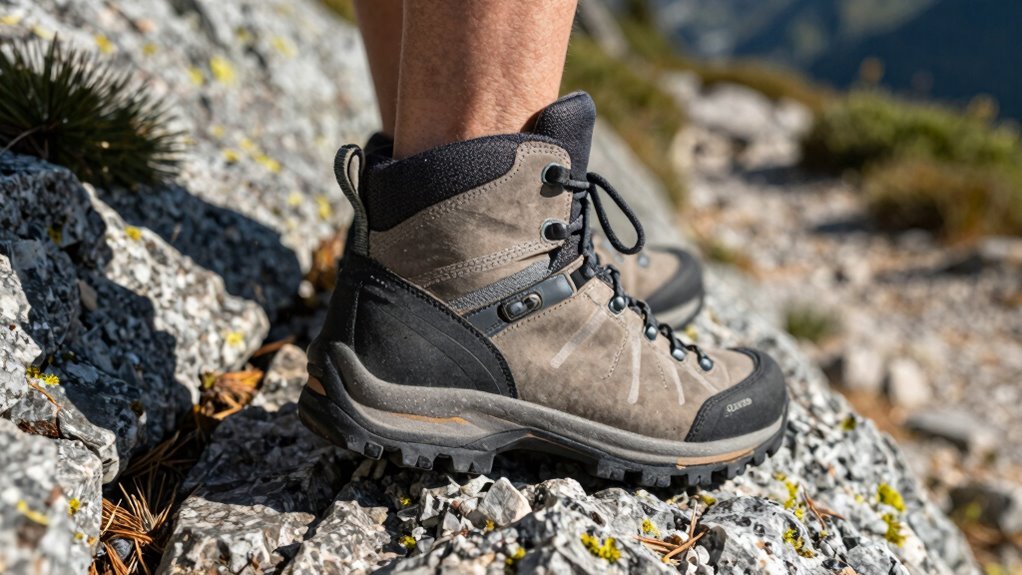
High-tops cut ankle roll by 4.5 degrees and slow twisting fast—think 100 degrees per second less!
But weirdly, some studies show low-tops don’t actually cause more sprains. Go figure!
The real MVP? Support from arch control, not just boot height.
Mid-cut boots shine on slick or uneven ground, offering a sweet spot of flex and protection, especially with a heavy pack.
Low-cuts keep you light on your feet, cut fatigue, and even train your foot muscles—like nature’s balance beam!
Want comfort and grip? Match the flex point to your foot’s bend to dodge blisters.
Trail runners? They’re light, lively, and surprisingly tough.
At the end of the day, boots don’t beat shoes in injury stats—your fit does.
Pick smart, walk happy!
They’re also ideal for long-distance hikes where every gram counts, especially if you’re moving fast on mixed terrain with a lightweight pack, thanks to their low-cut agility.
Use Trekking Poles to Alleviate Knee Pressure
Feeling the burn in your knees halfway down a steep trail? Trekking poles are your secret weapon. They absorb shock, shift weight to your arms, and cut knee strain by up to 25%—especially on descents. You’ll walk longer, lighter, and with way more confidence.
Here’s how trekking poles rock your next hike:
- Save your knees – They reduce impact forces, so rocky or muddy paths won’t leave you wincing.
- Stay steady – With two extra points on the ground, you’re less likely to slip or stumble.
- Walk smarter – Planting poles helps you slow down on downhills and engage your upper body, spreading out the effort.
Think of them as mini bodyguards for your joints. They’re not just sticks—they’re stability boosters, pain preventers, and trail besties. Grab a pair and feel the difference from the first step. Your knees will thank you later—no dramatic knee-high bandages required! They also help maintain better posture, which reduces knee and lower-back stress during long hikes.
Maintain Proper Hiking Posture and Technique
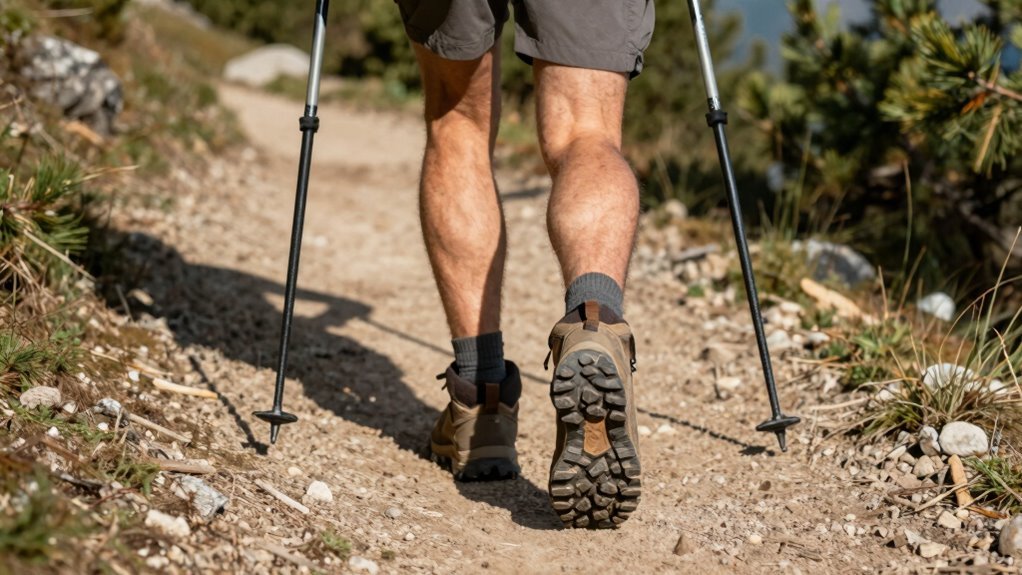
While trekking poles do wonders for your knees, they’re only part of the equation—nailing your posture and technique is where the real hiking magic happens.
Stand tall, keep your spine neutral, and engage your core to evenly spread the load—no slouching like you’re texting at a concert!
Slightly bend your knees, especially downhill, and take small, controlled steps to spare those joints.
Roll smoothly from heel to toe, let your arms swing naturally, and keep your shoulders relaxed—no need to hike like you’re carrying a grumpy elephant.
Lean from the hips uphill, not the waist, and avoid overstriding like you’re chasing a runaway burrito.
A quick warm-up primes your muscles and keeps wobbles at bay.
With every step, you’re not just walking—you’re gliding with purpose, protecting your joints, and hiking smarter (and way smoother).
Engaging your upper body with proper arm movement helps maintain core and shoulder alignment, enhancing overall stability and reducing joint stress.
Strengthen Key Muscles With Targeted Exercises
Building serious hiking power starts way before the trailhead—with a killer workout that turns your body into a trail-tough machine.
Strengthening the right muscles isn’t just smart, it’s your secret weapon against joint stress.
Think of your legs, core, and back as your body’s built-in suspension system.
You’ve got this—especially when you crush these 3 moves weekly:
- Back squats and leg extensions – They fire up your quads like a steep uphill, prepping you for the grind.
- Glute bridges and back extensions – These supercharge your posterior chain so your hips and back stay strong all hike long.
- Core work like planks – Because a wobbly midsection means wobbly balance on rocky trails (and no one wants a surprise tumble).
Hit these twice a week, and your joints will thank you every mile.
Take Smart Breaks and Manage Trail Difficulty
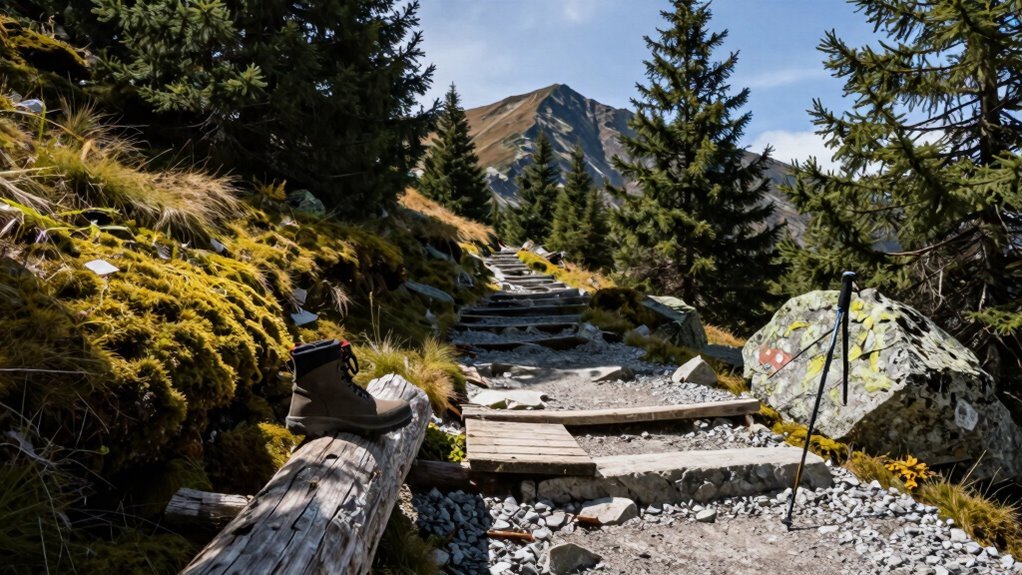
You don’t need to conquer Everest on day one—smart hikers know the real power move is starting small and pacing yourself like a pro.
Pick easier trails first—under 500 feet of gain—and work up slowly, so your joints don’t stage a mutiny.
Break your hike into bite-sized chunks, like mental pit stops, and rest for 5–10 minutes every 90 minutes.
It’s not quitting; it’s smart strategy.
Use those breaks to sip water, wiggle your toes, and admire the view—your knees will thank you.
On steep stuff, zig-zag or side-step like you’re dodging lava, and trust trek poles to keep you steady.
Test handholds, keep three points of contact, and cross wet rocks like you’re tiptoeing through a sleeping dragon’s lair.
Start slow, listen to your body, and remember: hiking’s a marathon, not a slapstick stumble down a hill.
Frequently Asked Questions
Can Hiking Cause Long-Term Joint Damage?
Yeah, hiking can cause long-term joint damage if you’re not careful.
Packing a heavy load, hiking for hours, or having a past knee injury ups your risk.
Think of your knees like trust—once you stress them too much, they don’t forget.
But hey, your body’s tough!
With smart moves—like lightening your pack and watching your step—you’re golden.
Hiking’s awesome, and your joints can handle it if you treat them right.
Are There Supplements to Help With Joint Stress?
Yeah, some supplements can genuinely help with joint stress.
Try undenatured collagen type II—you’ll likely notice easier movement and less knee discomfort.
Collagen hydrolysate’s great too, especially if you’re active or sore from past hikes.
Add in Boswellia serrata to cool inflammation and boost recovery.
Just don’t waste time on glucosamine and chondroitin—they’re mostly hype.
Your joints will thank you later—hello, summit views without the ache!
How Does Hydration Affect Joint Health While Hiking?
You’re keeping your joints happy when you hydrate, plain and simple.
Your cartilage sponges up water like a camel—well, sort of—and cushioning plumps when you drink enough.
Skip fluids, and things get stiff, creaky, even painful.
Synovial goo thins out, friction ramps up, and boom: sore knees on the trail.
Stay fueled, and your moves stay smooth.
Don’t hike thirsty—your joints will thank you!
Should I Hike if My Joints Are Already Sore?
You shouldn’t hike if your joints are already sore—why risk turning a small ache into a big problem?
Pushing through pain can lead to overuse injuries, and nobody wants to swap trail views for crutches.
Listen to your body, take a breather, and let those joints chill out.
Rest now, hike stronger later—your knees will thank you with every happy step!
Is Hiking Bad for People With Arthritis?
No, hiking’s not bad for people with arthritis—you’re probably picturing monster uphill treks, but gentle trails are actually great!
You’ll ease stiffness, boost joint health, and strengthen supporting muscles.
Just start short, go slow, and let your body warm up.
Think of it as adventure therapy—your joints will thank you, not file a complaint.
Stay hydrated, take breaks, and enjoy the view.
Conclusion
You’ve got this! With the right shoes, poles, and posture, you’re already slashing joint stress by up to 25%, according to research—imagine that, hiking smarter *and* feeling lighter on your feet. Sneak in strength exercises, pick trails you won’t dread, and take fun little breaks like you’re on a snack mission (bonus points if you do). Your knees will thank you, probably with less wheezing on the way up. Keep moving, stay happy, and hike on!
References
- https://commons.nmu.edu/cgi/viewcontent.cgi?article=1605&context=theses
- https://stories.hanwag.com/en/everything-you-always-wanted-to-know-about-low-cut-hiking-boots/
- https://backpackinglight.com/forums/topic/22522/
- https://www.thehikinglife.com/2020/08/trail-runners-vs-hiking-boots-a-30-year-perspective/
- https://www.52hikechallenge.com/blogs/blog/hiking-footwear-101
- https://earthtrekgear.com/blogs/walking-health/protect-your-knees-the-essential-guide-to-using-trekking-poles
- https://americanhiking.org/trekking-poles/
- https://hikingguy.com/how-to-hike/do-i-need-trekking-poles/
- https://trekology.com/blogs/gear/do-walking-sticks-help-with-knee-pain
- https://www.youtube.com/watch?v=l7tE1NPqoqw