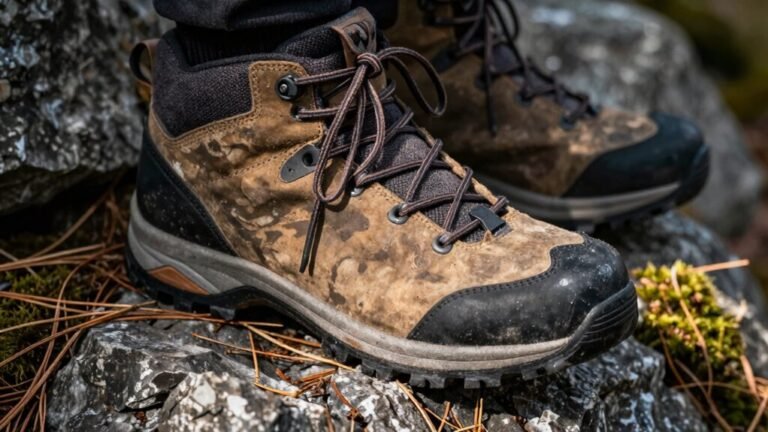
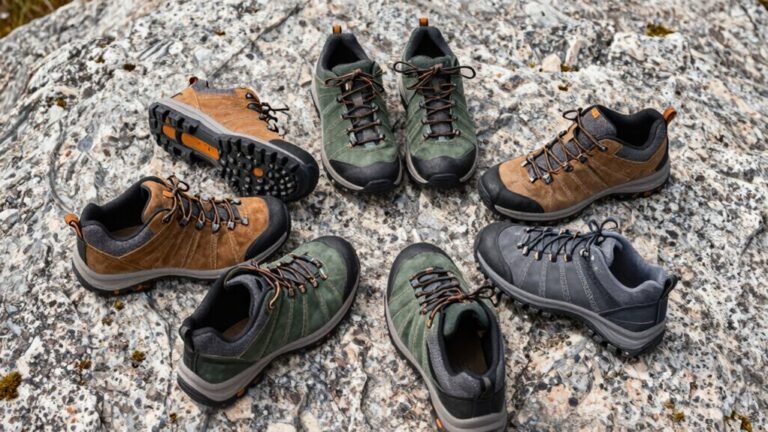
1 Best Hiking Boots for Rainy Weather That Keep Your Feet Dry All Day
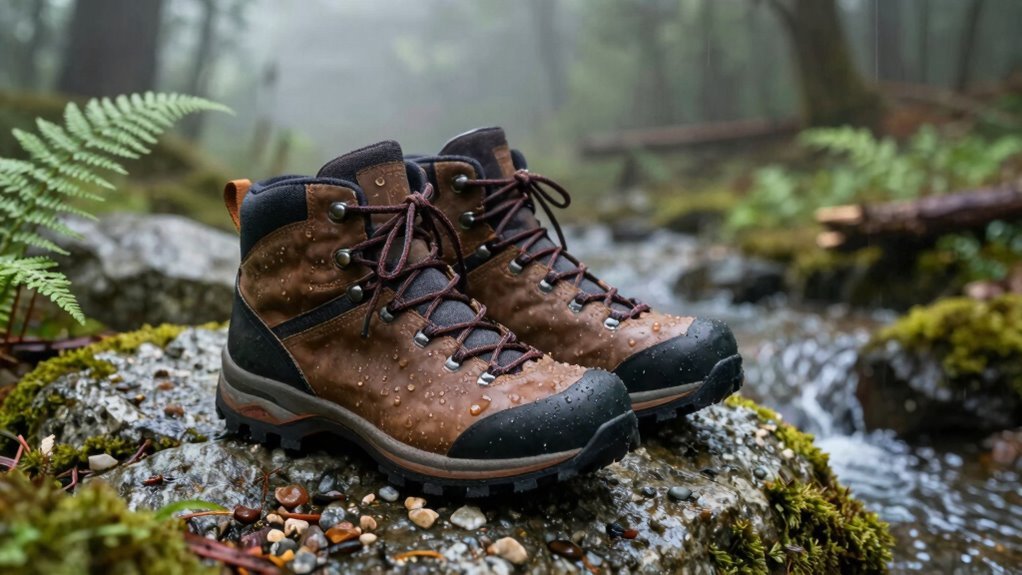
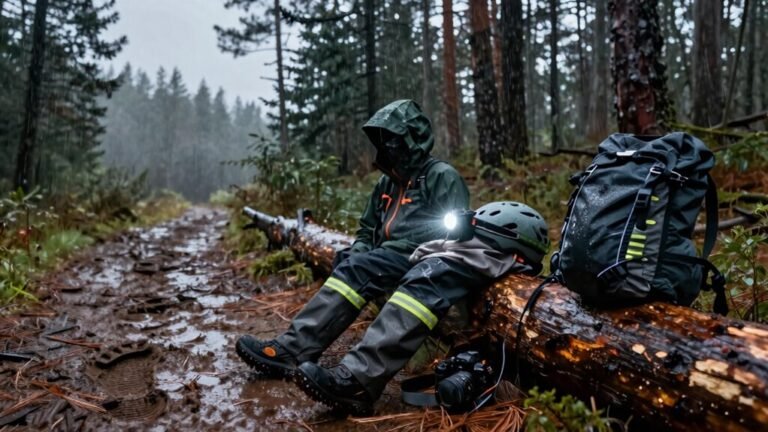
So, is it really possible for a hiking boot to keep your feet dry after eight hours of steady drizzle and muddy switchbacks?
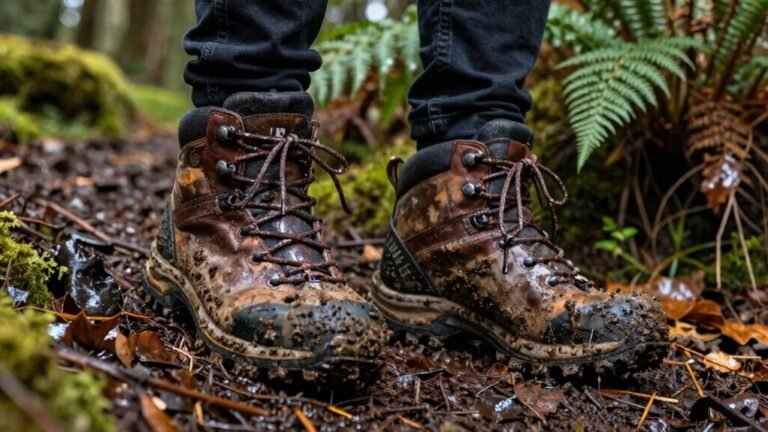
The Columbia Women’s Moritza Shield Boots suggest yes—thanks to sealed seams, 100% waterproof membranes, and rubberized uppers that shrug off puddles.
Breathability stays decent in these best hiking boots for rainy weather, which matters when humidity hits 80%.
They don’t claim to be lightweight speedsters, but when wet trails demand grip and containment, you’ll want that 360-degree traction and snug midfoot lock.
Just don’t expect cloud-like cushioning on mile ten.
These boots prioritize protection and stability over plush comfort, making them a reliable choice for rainy-day hikes.
| Columbia Women’s Moritza Shield Boots | Best Style Meets Protection | Waterproofing: Water-repellent | Weather Resistance: Stain-resistant | Boot Type: Duck boots | VIEW LATEST PRICE | Read Our Analysis |
More Details on Our Top Picks
Columbia Women’s Moritza Shield Boots
If you’re after a boot that blends trail-ready protection with a look sharp enough for town—say, the Columbia Women’s Moritza Shield—you’re probably someone who wants function without sacrificing style. Honestly, who doesn’t?
You get a trend-forward duck boot design that shrugs off rain and mud thanks to water-repellent, stain-resistant uppers. They’re practical for drizzly hikes or downtown errands.
With walk-all-day comfort and protective tech underfoot, your feet stay supported over rocks and roots—or pavement—especially after five miles. These women’s cold-weather boots are built to keep up.
Available in multiple sizes and colors, they strike a balance—capable but not overbuilt, fashionable but not fragile. Pretty smart, right?
- Waterproofing:Water-repellent
- Weather Resistance:Stain-resistant
- Boot Type:Duck boots
- Comfort Tech:Protective tech enhances experience
- Intended Use:Cold weather boots
- Style Design:Trend-forward design
- Additional Feature:Trend-forward duck boot style
- Additional Feature:Stain-resistant protective shield tech
- Additional Feature:Walk-all-day comfort design
Factors to Consider When Choosing Hiking Boots for Rainy Weather
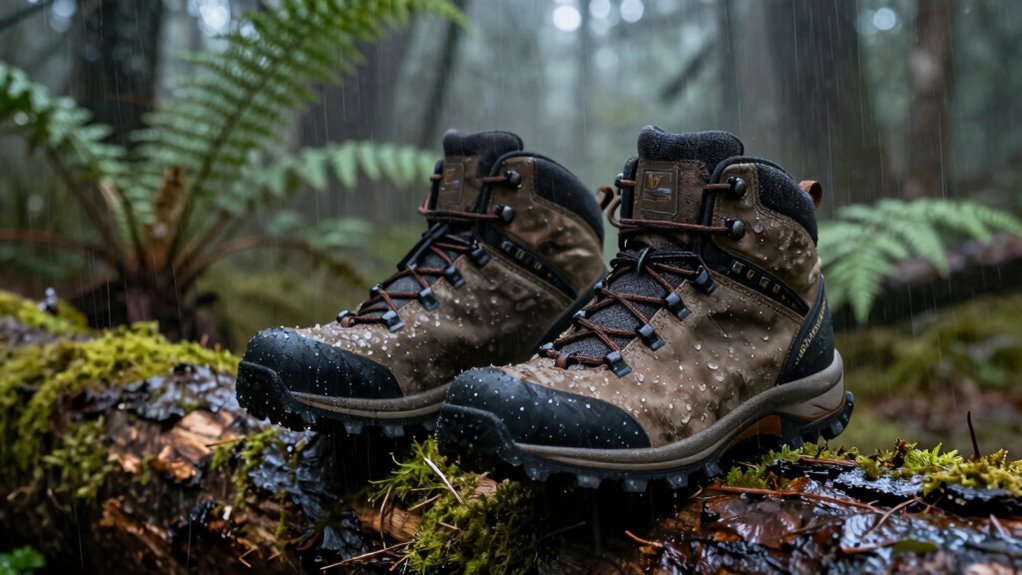
You’ll want to think hard about whether waterproof (hello, 20,000mm-rated membranes) or water-resistant boots make more sense—especially since breathability often tanks in humid conditions and long hikes make sweat buildup inevitable. Traction’s non-negotiable: sticky rubber compounds like Vibram® Megagrip with +35% wet-surface grip help, but only if you’ve also got solid ankle support to avoid twists on slick roots. And while quick-drying materials (hello, open-cell midsoles that shed moisture 50% faster) won’t stop a downpour, they do mean less squishing agony mile 8 onward—because nobody really enjoys swamp feet, right?
Waterproof vs. Water-Resistant
What’s keeping your feet dry on the trail—magic or engineering? It’s waterproof boots, which use a sealed membrane (like Gore-Tex) and taped seams to block water completely—perfect when you’re trudging through puddles or hours of steady rain.
These boots keep your feet dry even in shallow streams, but the trade-off is reduced breathability, meaning sweaty feet if the temp climbs.
Water-resistant boots, on the other hand, repel light rain and morning dew thanks to DWR-treated uppers, yet they’ll soak through if you hit heavy downpours or wade too long.
They’re lighter, more breathable, and dry faster once wet—ideal for quick wet-dry shifts.
Your call: go fully waterproof for constant exposure, or opt for water-resistant if you’re just dodging scattered showers and value airflow over fortress-level protection.
Traction on Wet Surfaces
When puddles, mud, and slick rocks turn every step into a potential slip-and-slide, your boot’s outsole becomes the most important piece of gear on your feet—because no amount of waterproofing matters if you’re flat on your back. You need deep, 4–5 mm lugs that are widely spaced to actually kick through muck, not just churn it.
Ever tried walking in soup? Self-cleaning lugs and siping help, too, gripping wet rock by maintaining surface contact when water’s trying its best to lubricate everything.
Look for sticky rubber compounds (like Vibram’s Megagrip) that cling to wooden bridges and slick stone without feeling like you’re wearing cardboard. A pronounced heel brake? Non-negotiable—it stops you sliding downhill every time gravity checks in.
Multidirectional lugs and flex grooves keep traction consistent across uneven, soaked terrain, so your foot stays planted instead of slipping sideways. Honestly, would you trust hard leather soles on wet granite? Exactly.
Breathability in Humid Conditions
While staying dry from the outside matters, keeping your feet comfortable in muggy heat means tackling sweat as much as rain. Boots with breathable uppers, moisture-wicking linings, and a waterproof yet breathable membrane are essential for managing humidity.
These boots should let vapor escape at about 8,000–10,000 grams per square meter per 24 hours—based on standard RET tests—without allowing water from rain to seep in. Mesh panels or ventilation ports that actively move air are crucial; avoid fake vents that trap heat like a closed window in summer.
Look for low-friction liners that pull moisture away quickly, especially when humidity exceeds 80%. Soggy skin is the last thing you need on a sweltering trail.
More breathability sounds great, but not if it compromises waterproofing—one downpour could turn your hike into a foot puddle parade. That’s probably not what you packed for.
The right balance keeps sweat out of your socks and rain out of your business. Stay dry, cool, and blister-free—even when the trail feels like a steam room.
Quick-Drying Materials Matter
You’ve already considered how breathable materials keep your feet from turning into steamy swamps. But when your boots get truly wet—whether from constant drizzle or a surprise river crossing—quick-drying properties become essential.
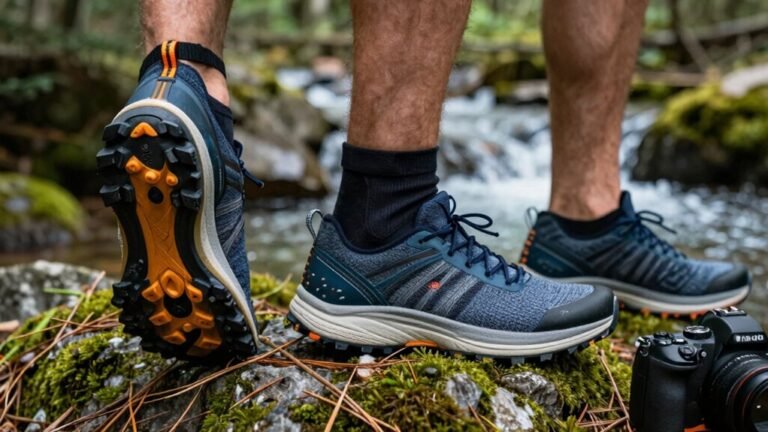
Uppers made from synthetics or mesh absorb significantly less water, often under 5% of their weight. In contrast, cotton or untreated leather can soak up to 30% and remain damp for hours, slowing your recovery time.
Lightweight microfiber or mesh linings wick moisture quickly, cutting drying time by nearly half. These materials work with airflow to keep the interior of your boot more comfortable and functional.
Thick, dense materials might block water at first but tend to trap moisture inside. They can take 24 hours or more to dry fully, making them less practical after heavy use.
Thinner, breathable weaves allow air to circulate, speeding up evaporation. This helps your boots return to a wearable state much faster after getting soaked.
After a long hike, no one wants to wait two days for boots to dry. Elevate them, loosen the laces, and let airflow do the work.
Treated leather offers some advantages but requires proper ventilation to dry effectively. Without it, you’re left with little more than a soggy paperweight.
Ankle Support Importance
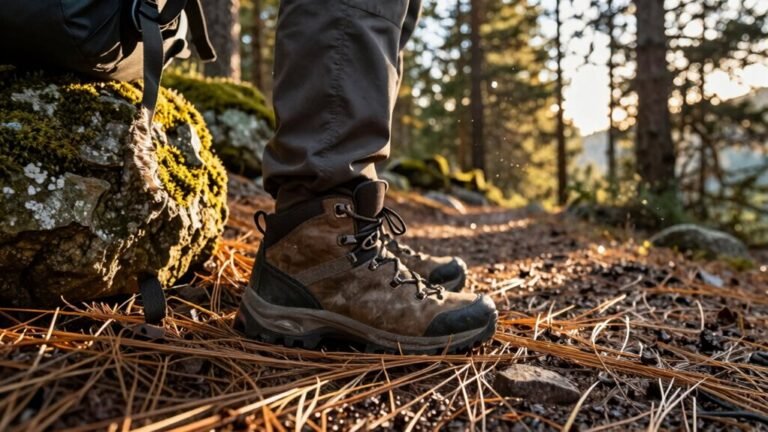
Wet terrain like slick roots, muddy banks, and mossy rocks reduces traction and increases instability, making ankle support crucial on rainy trails. Your boots’ ankle collar works harder in these conditions, limiting side-to-side roll that could lead to twists or sprains.
Higher-cut boot designs outperform low-cut shoes by providing 30–50% more stabilization. They achieve this through reinforced collars and stiff heel counters that securely lock your foot in place.
Look for boots with structured padding and secure lacing systems to prevent heel slippage and control ankle flexion. These features are especially helpful when unpredictable, muddy conditions challenge your balance.
Features like molded ankle cups and dual-density foam add extra confidence on slippery descents. While no boot can eliminate all risks, they significantly reduce the chance of injury.
Higher support often means slightly more weight, but the trade-off is worthwhile when a misstep could end your hike. Your ankles will feel more secure with every step.
Proper Fit for Wet Terrain
How does your boot fit when the trail turns to mud—when every step threatens slip, squelch, or shear? You need a snug heel lockdown—less than 5mm of lift—to stop blisters on slick ascents or stream crossings.
Keep your toes just shy of the front, with space for a thin liner sock (about 1/2 inch clearance), so they don’t jam on downhills. A secure lacing system—think speed hooks or dual-density straps—locks down the midfoot, giving you control when hopping wet rocks.
That snug arch and instep fit? It reduces fatigue over long, damp miles—critical when trails turn slick for hours. And don’t forget: waterproof liners (like Gore-Tex) must stay tight, wicking moisture while allowing subtle foot swell—roughly 5–8% in prolonged rain—without pinching.
Your sock combo matters too—merino blends beat cotton every time. A well-fitted boot won’t feel loose after a mile in the downpour—just stable, dry, and ready.
Frequently Asked Questions
Can I Wear These Boots in Snow?
You can wear these boots in light snow, but they’re not built for heavy winter conditions. You’ll stay dry short-term, yet they lack serious insulation and traction when temperatures drop or snow deepens. For prolonged snow hikes, you’d need dedicated winter boots instead.
How Do I Clean Muddy Hiking Boots?
You wrestle the mud from your boots like taming wild beasts—scrape it off, scrub with soapy water, rinse, then air-dry away from heat. Never toss them in the washer; that’ll murder the glue and guts. Your boots’ll thank you with miles.
Are Hiking Boots Suitable for Daily Walking?
Yes, you can wear hiking boots daily—they offer great support and durability. But they’re heavier than regular shoes, so break them in first. Make sure they’re clean and dry to avoid odor and wear. They’ll handle pavement, but don’t expect the same comfort as walking shoes.
Do Rain Boots Need Special Socks?
Yes, you’ll need moisture-wicking socks to keep your feet dry and prevent blisters. Cotton holds moisture, so skip it. Opt for merino wool or synthetic blends—they regulate temperature, stay comfy, and dry fast even when it’s wet outside or you’re sweating.
How Long Do Waterproof Boots Last?
They usually last 2–5 years, depending on how often you wear them and where. You keep them in good shape by cleaning them regularly, reapplying waterproofing, and storing them properly—don’t leave them in damp or hot spots.
Conclusion
So, you’ve scoured the soggy trails and still seek solid, sensible solutions? Snagging the Columbia Women’s Moritza Shield Boots means mastering mud, mist, and drizzle with tenacious traction—those 5mm multi-directional lugs grip slick stone and squishy soil alike. Sealed seams, breathable membranes, and quick-drying linings keep discomfort distant, while ankle armor averts awkward ankle wobbles—though fashion flair fades fast when forests flood. Still, for $120, is lasting dryness divine or just downright due?