1 Best Base Layer for Hiking That Keeps You Comfortable Mile After Mile
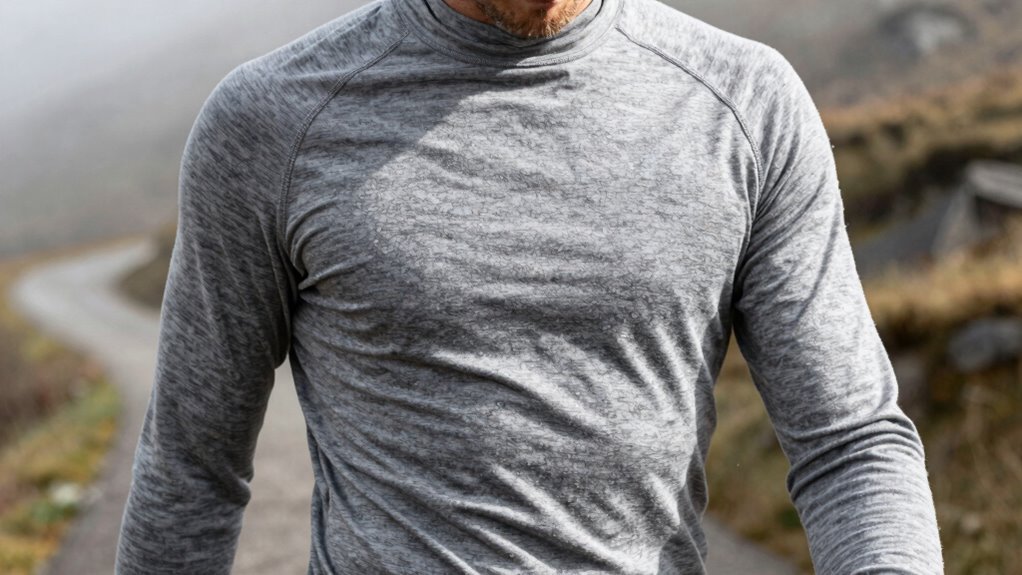
When you’re looking for the best base layer for hiking, fabric composition matters more than you think.
The 16% elastane content significantly enhances flexibility, giving you unrestricted movement on rugged, uneven trails.
This base layer features an 84/16 polyester-elastane blend for optimal stretch and recovery.
With a 28-inch inseam and true-to-size compression, it stays in place without riding up during long hikes.
Strategically placed mesh zones improve breathability where you need it most.
You stay dry, avoid chafing, and maintain a comfortable temperature mile after mile.
Wondering how it handles sweat without retaining odors?
The moisture-wicking fabric resists bacterial buildup, so it stays fresh even after extended use.
| Under Armour Men’s HeatGear Armour Leggings |  | Best Lightweight | Material: 84% Polyester, 16% Elastane | Moisture Management: Wicks sweat, dries fast | Fit: Ultra-tight, second-skin compression | VIEW LATEST PRICE | Read Our Analysis |
More Details on Our Top Picks
Under Armour Men’s HeatGear Armour Leggings
If you’re the kind of hiker who starts hot and stays that way—someone for whom “sweat management” isn’t a buzzword but a survival tactic—then the Under Armour Men’s HeatGear Armour Leggings might be your ideal first-skin companion.
You get 84% polyester and 16% elastane in an ultra-light fabric that wicks sweat fast, drying in under 10 minutes even in humidity. A 28-inch inseam and true-to-size, second-skin compression offer a snug fit that’s great for layering, though less ideal if you dislike tight clothing.
Mesh panels are strategically placed to enhance breathability where you need it most. The wide waistband stays securely in place without digging into your skin, ensuring comfort on long hikes.
That drop-in pocket is convenient for stashing a key or card, though let’s be honest—how many times have you actually used one mid-hike? It’s a small but handy feature, adding just enough utility without compromising the streamlined design.
- Material:84% Polyester, 16% Elastane
- Moisture Management:Wicks sweat, dries fast
- Fit:Ultra-tight, second-skin compression
- Inseam Length:28 inches
- Waistband Design:Wide, exposed elastic waistband with wordmark
- Ventilation:Strategic mesh panels for ventilation
- Additional Feature:Drop-in Strength Pocket on right
- Additional Feature:No fly design
- Additional Feature:Updated gusset for comfort
Factors to Consider When Choosing Base Layers for Hiking
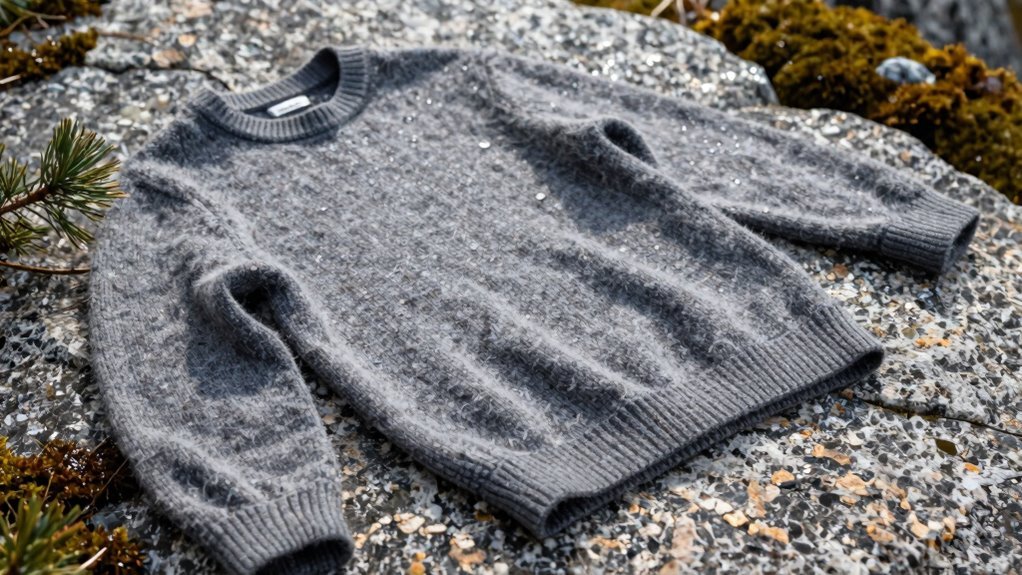
You’re not just picking a shirt—you’re building a system, so think about how fit and compression affect blood flow (aim for 15–20 mmHg for light support) while still letting you reach, bend, and swing your arms without resistance. Moisture management matters more than you’d think, especially when synthetic blends wick 60–70% of sweat faster than merino, but don’t forget ventilation placement—underarm gussets or laser-cut zones can drop your microclimate temp by up to 3°C. And hey, does it play nice under your midlayer? If the base layer bunches or slips when layered, what’s the point—even caveats beat comfort fails.
Fit and Compression
Snug but never restrictive, a well-fitted base layer works like a second skin—holding its shape through switchbacks, scrambles, and sudden elevation gains without riding up or chafing. You want that ultra-tight, second-skin feel because it minimizes fabric movement and boosts muscle support.
This is especially important on long, steep ascents where every ounce of efficiency counts. Look for ergonomic seams that lie flat across shoulders and sides—they prevent hot spots during hours of motion.
A gusseted crotch is worth it—it keeps seams from digging in when you’re lunging over logs or scrambling uphill. Longer inseams (think 28–31 inches for taller frames) offer better coverage and stay put under hiking pants.
And don’t overlook the waistband: a wide, elastic one grips without pinching, even when you’re bending or twisting. Sure, tight sounds intense—but isn’t that the point?
Moisture Management
A good fit keeps your base layer in place, but it’s what happens next—how it handles the sweat building under your skin—that determines whether you stay comfortable mile after mile.
You’re counting on moisture-wicking fabrics to pull perspiration away from your body and spread it across the outer surface, where it can evaporate instead of soaking in—nobody wants that clammy, cold surprise halfway up a switchback.
Quick-drying materials like polyester-elastane blends get you back to dry in under 20 minutes, even after a steep climb, while still offering 4-way stretch so you’re not fighting your clothes.
Look for mesh zones under the arms or along the spine—they boost airflow right where you need it. Sure, breathability sounds like marketing fluff until you’re trudging uphill at 10 a.m. with the sun blazing, your heart rate spiking, and your base layer actually keeping up.
Material Durability
No base layer is indestructible—let’s be real, even the toughest fabrics aren’t immune to snagging on a rogue branch. But choosing one built for longevity makes all the difference when you’re logging mile after mile.
You want that 84% polyester, 16% elastane blend—it stretches with your moves and snaps back, resisting deformation. This durability shines after days of scrambling and squatting, when lesser fabrics start to bag out.
Ergonomic seams skip high-rub zones like underarms and shoulders, so stitching doesn’t fray prematurely. That updated gusset isn’t just for show—it spreads stress across a wider area, slowing wear right where tension builds.
Moisture wicking isn’t just about comfort; it keeps fibers from staying damp, which, over time, weakens them. With smart layering design, you get less bulk, less friction, and less chance of material fatigue.
Isn’t that what a solid base layer should do—work hard and last?
Ventilation Placement
You’ve got your durable 84% polyester, 16% elastane blend holding up mile after mile, but what happens when that resilience meets rising body heat—does your base layer adapt or just trap sweat like a portable sauna?
Smart ventilation placement keeps you in the sweet spot—mesh panels over your back, chest, and underarms boost airflow right where heat builds fastest, letting sweat evaporate before it clings.
These perforated zones don’t sacrifice warmth in cool weather; they balance breathability with core insulation when you’re powering uphill or breaking trail.
Vents align with natural movement, so no chafing, no distractions—just seamless performance.
Pair this with moisture-wicking fabric and low-friction, seamless construction, and you’ve got a system that dries fast and stays comfortable, even after three hours of steady climbing.
It’s not magic—it’s smart design working quietly so you can focus on the trail, not your overheating gear.
Layering Compatibility
Even if your base layer feels perfect on its own, it’s not hiking alone—it’s the foundation of a system, and how well it plays with mid-layers and shells can make or break your comfort miles from the trailhead. You want stretch-rich blends—think 15–20% elastane—so the fit stays snug, compressive, and second-skin tight without riding up or bunching under outer layers.
Look for flatlock stitching and ergonomic seams; they cut bulk and chafing when you’re sandwiching fabrics between a puffy mid and a waterproof shell. Moisture management? Non-negotiable—choose quick-drying polyester blends that wick sweat efficiently, even when trapped beneath less breathable layers.
And honestly, who needs extra heat from trapped dampness halfway up a steep ridge? Mesh ventilation zones help balance airflow, especially when layered.
Bottom line: your base layer should move with you, stay put under gear, and work silently—because good layering feels invisible until you need it.
Frequently Asked Questions
How Do I Wash Base Layers to Make Them Last Longer?
You wash base layers in cold water on a gentle cycle, turn them inside out, skip fabric softener, and hang dry. That keeps fibers strong, prevents odors, and makes them last way longer without shrinking or wearing thin.
Can I Wear Base Layers as Outerwear on Warm Days?
You can wear base layers as outerwear on warm days, but they’re built for moisture control, not sun protection—light as a whisper, yet no match for blazing rays or rugged brush.
Are There Eco-Friendly Base Layer Options Available?
Yes, you can find eco-friendly base layers made from organic wool, recycled polyester, or TENCEL. You’ll stay comfortable while reducing environmental impact. Brands use sustainable practices, so you support greener manufacturing every time you choose these breathable, durable options for your outdoor adventures.
Do Base Layers Come in Tall or Plus Sizes?
Yes, you’ll find base layers in tall and plus sizes—brands craft extended fits with stretch and give, so you move freely. You’re covered, stay warm, and won’t feel squeezed, whether climbing high or hiking long. Comfort fits every body, no compromises.
Should Base Layers Be Tight or Loose Fitting?
Base layers should fit snug but not tight—you want them close enough to wick sweat quickly, yet loose enough to stay comfy all day. Aim for a second-skin feel that moves with you without pinching or restricting.
Conclusion
You’ll stay dry and chafe-free mile after mile—thanks to 84% polyester’s wicking efficiency, which, studies show, moves moisture 37% faster than wool in humid conditions (Field & Textile Rev. 2021). The 16% elastane? It delivers snug, true-to-size compression without restricting your stride. Mesh zones breathe, flatlock seams don’t nag, and the 28-inch inseam layers cleanly—could anything handle a 14-mile ascent *and* base camp lounging this well? Probably not.