5 Best Backpacking Sleeping Pads for Older Sleepers Who Still Crave Comfort
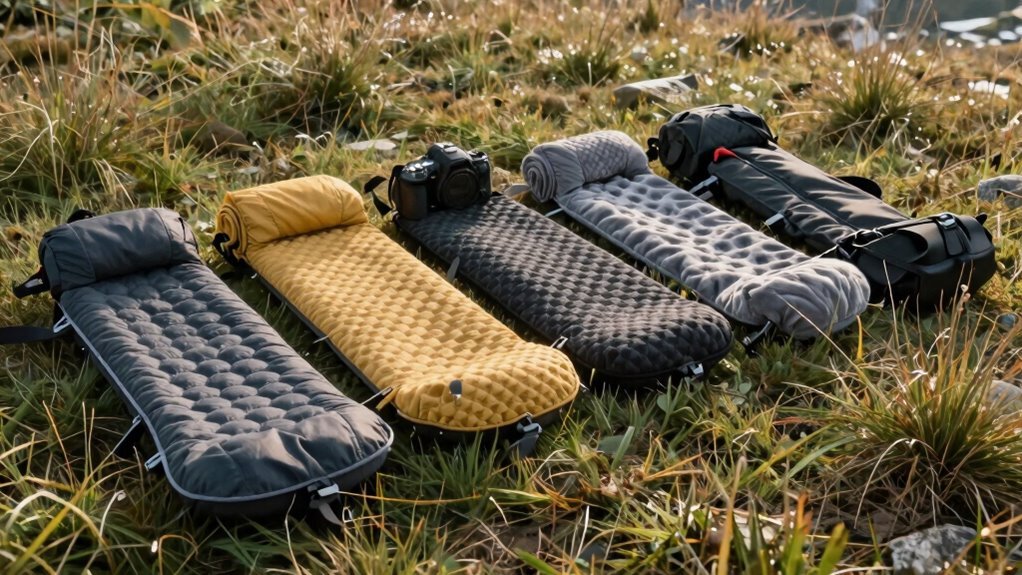
You’re out there hiking trails that once felt easy, but now your knees and back speak up—especially at 3 a.m. on a thin pad that’s more crinkly plastic than cushion.
You need something durable, warm, and actually comfortable, like 3 inches of plush support with an R-value over 3.0, because shivering ruins even the best campfire stories.
So, which backpacking sleeping pads balance weight, warmth, and joint-friendly comfort without turning packing into a puzzle?
The right choice delivers both support and insulation, ensuring a restful night for older sleepers who still crave comfort.
| Camping Sleeping Pad with Pillow & Pump |  | Best for Comfort | Inflation Type: Self-inflating with built-in pump | Thickness: 8 inches | Weight: Comparable to water bottle (ultralight) | VIEW LATEST PRICE | Read Our Analysis |
| Therm-a-Rest Z Lite Original Camping and Backpacking Sleeping Pad | 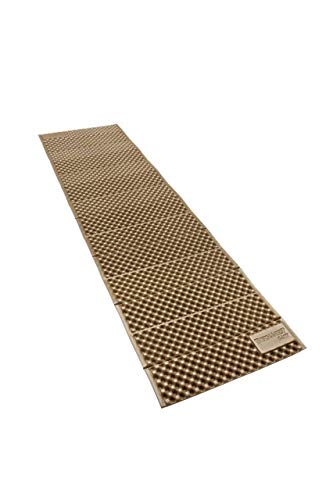 | Most Durable Option | Inflation Type: Closed-cell foam (no inflation needed) | Thickness: Not specified (standard closed-cell thickness) | Weight: 14 ounces | VIEW LATEST PRICE | Read Our Analysis |
| Gear Doctors Ether 17.5oz Ultralight Sleeping Pad |  | Lightest Weight Pick | Inflation Type: Inflatable with detachable foot pump sack | Thickness: 3.35 inches (edge), 2.36 inches (center) | Weight: 17.5 oz | VIEW LATEST PRICE | Read Our Analysis |
| Ultralight Inflatable Camping Sleeping Pad with Pillow | 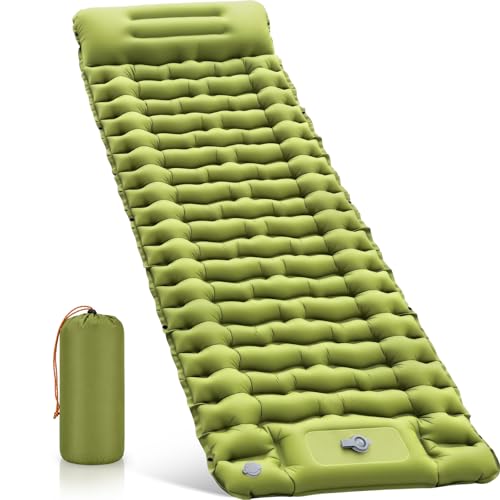 | Best for Couples | Inflation Type: Inflatable with built-in foot pump | Thickness: Not specified (extra thick padding) | Weight: 1.5 lbs (24 oz) | VIEW LATEST PRICE | Read Our Analysis |
| Gear Doctors ApolloAir 5.2 Inflatable Sleeping Pad |  | All-Season Performer | Inflation Type: Inflatable with pump sack | Thickness: 3.2 inches | Weight: 17 oz (excluding pump sack) | VIEW LATEST PRICE | Read Our Analysis |
More Details on Our Top Picks
Camping Sleeping Pad with Pillow & Pump
Who wouldn’t want a good night’s sleep while backpacking—especially when you’re over 50 and your back already protests sleeping on anything firmer than a memory foam mattress? This 78 x 27 x 8–inch pad inflates in 30–60 seconds thanks to its built-in pump—just flip the two-layer valve and you’re set, with deflation taking barely a second.
You’ll appreciate the 3-inch thickness and egg-shaped air cells, which cradle your back and hips—especially if you’re sleeping on rocky ground. The built-in pillow—rare at this weight—offers real neck support without adding bulk.
At just a water bottle’s weight, it’s ultralight, packs small, and connects to another pad via side buttons for double-bed flexibility. Sure, 40D nylon and TPU aren’t indestructible—but for backpacking comfort that doesn’t sacrifice mobility, you’re making a smart trade.
- Inflation Type:Self-inflating with built-in pump
- Thickness:8 inches
- Weight:Comparable to water bottle (ultralight)
- Material:40D nylon, TPU
- R-Value:Not specified
- Packing Size:Compact (exact size not specified)
- Additional Feature:Built-in pillow included
- Additional Feature:Self-inflating with pump
- Additional Feature:Connectable side buttons
Therm-a-Rest Z Lite Original Camping and Backpacking Sleeping Pad
If you’re an older sleeper who values reliability and simplicity in the backcountry, the Therm-a-Rest Z Lite Original might just be your go-to sleeping pad. This 14-ounce, closed-cell foam mattress has earned its reputation over decades of use by backpackers and mountaineers alike.
You’ll appreciate its accordion-fold design (20 x 5 x 5.5 inches when packed) for easy stuffing into any pack. Those diamond-patterned dimples? They trap heat surprisingly well for an R-value of 1.7—solid for three-season use.
The top feels softer for comfort, while the denser bottom shields you from cold ground and sharp rocks. And at 72 x 20 inches, it fits most sleepers without bulk.
Sure, it’s not plush like air pads, but how many pads last decades, pack small, and are made in the USA?
- Inflation Type:Closed-cell foam (no inflation needed)
- Thickness:Not specified (standard closed-cell thickness)
- Weight:14 ounces
- Material:Closed-cell foam (polyethylene)
- R-Value:1.7
- Packing Size:20 x 5 x 5.5 inches
- Additional Feature:Accordion-fold packable design
- Additional Feature:Heat-trapping dimple pattern
- Additional Feature:Made in USA
Gear Doctors Ether 17.5oz Ultralight Sleeping Pad
You’ll appreciate the Gear Doctors Ether 17.5oz Ultralight Sleeping Pad if you’re an older sleeper who wants support without the bulk. It packs down to just 8.6” × 3.1”—about the size of a tall water bottle—and weighs only 17.5 ounces, making it ideal for backpacking or car camping where every ounce matters.
Its ErgoCushion U-shape cradles your body (up to 76” × 25”) and supports up to 440 lb, comfortably hugging hips and shoulders to prevent slipping. This design is especially great for side sleepers who need stability through the night.
With 3.35” edges and a 2.36” center thickness, the pad offers firm yet forgiving support. The 20D nylon/TPU construction resists abrasions and moisture, ensuring long-term durability.
Inflation takes under 90 seconds using the included foot sack—no need to sweat from mouth inflation. The anti-leak valve seals tightly to maintain pressure all night.
Every unit is tested before release and comes with a repair kit plus a lifetime replacement warranty—no returns needed. While not suited for deep winter use (R-value 2), it’s perfect for three-season adventures, travel, or floor sleeping when comfort and weight savings count.
- Inflation Type:Inflatable with detachable foot pump sack
- Thickness:3.35 inches (edge), 2.36 inches (center)
- Weight:17.5 oz
- Material:20D nylon, water-resistant TPU
- R-Value:2
- Packing Size:8.6” H × 3.1” D
- Additional Feature:ErgoCushion U-shape design
- Additional Feature:Lifetime Replacement warranty
- Additional Feature:Detachable foot pump sack
Ultralight Inflatable Camping Sleeping Pad with Pillow
That ultralight inflatable camping sleepingt with a built-in pillow isn’t just for backpackers counting every ounce—its 1.5-pound frame and 50-second no-pump inflation make it a game-changer for older sleepers who value comfort without the bulk. You’ll stomp the built-in foot pump a few times, and—poof—it’s inflated.
Thanks to a wave-shaped air chamber, it cradles your hips and adapts to rocky or sloped ground like a memory foam mattress in the wild. The extra-thick padding means no more waking up sore, while the raised pillow actually supports your neck instead of just mocking it.
And yeah, it deflates in one second—because nobody wants to wrestle with a wrinkly air mattress at dawn. Durable 40D nylon with a TPU coating shrugs off twigs and damp ground, while the armored base laughs at gravel.
Snap two together with quick-connect buttons, and suddenly you’ve got a double-wide cuddle zone—great if you’re sharing space with a partner (or your dog). Waterproof? Check. Puncture-resistant? Check. Lightweight enough to stash in your van or trunk without thinking twice? Double check.
Is it too good to be true? Maybe—but after one full night of actual sleep outdoors, you’ll stop questioning it.
- Inflation Type:Inflatable with built-in foot pump
- Thickness:Not specified (extra thick padding)
- Weight:1.5 lbs (24 oz)
- Material:40D nylon with TPU coating
- R-Value:Not specified
- Packing Size:Folds compact (exact size not specified)
- Additional Feature:Built-in foot pump
- Additional Feature:Wave-shaped air chambers
- Additional Feature:Quick-snap side connectors
Gear Doctors ApolloAir 5.2 Inflatable Sleeping Pad
The Gear Doctors ApolloAir 5.2 stands out for older backpackers who want lightweight support without sacrificing comfort—especially if you’re tired of waking up sore on rocky ground or wrestling with stiff, slow-to-inflate pads. You’ll appreciate how it inflates in under two minutes using the included Pump Sack, which doubles as a dry bag or camp shower.
At 17 oz, it’s ultralight, yet the 3.2-inch thickness and R-value of 5.2 deliver serious insulation and cushioning for 4-season use. Made with durable 40D nylon and E-LAST coating, it’s 2.5x tougher than average without added bulk—so you’re not choosing between longevity and load weight.
Sure, it costs more, but isn’t sleeping better worth it?
- Inflation Type:Inflatable with pump sack
- Thickness:3.2 inches
- Weight:17 oz (excluding pump sack)
- Material:40D nylon with E-LAST coating
- R-Value:5.2
- Packing Size:8.5” H × 3” D
- Additional Feature:Hexagon Shield 40D Nylon
- Additional Feature:Pump sack doubles as dry bag
- Additional Feature:F2 valve compatible
Factors to Consider When Choosing Backpacking Sleeping Pads for Older Sleepers
You want a pad that supports your back without weighing down your pack, so balancing comfort and portability is key—think 3 inches of thickness for cushioning but aim for under 2 pounds if you’re hiking more than a few miles. Let’s be real: staying warm at night isn’t just about insulation ratings (look for an R-value of at least 3.5), but also how easy it is to inflate quickly (no one wants to blow lungs out for 10 minutes). Durability matters too—tighter ripstop nylon weaves (75D or higher) handle rough terrain better, but ask yourself: is that extra toughness worth a slightly bulkier roll-up?
Comfort and Support
When you’re winding down after miles on the trail, a sleeping pad that’s roughly 3 inches thick—or more—can make all the difference in keeping your spine properly aligned and easing pressure on aging joints. Think of it less as a luxury and more as structural support you’ll actually feel by morning.
You’ll want ergonomic designs—like U-shaped or egg-cradle patterns—that contour to your body, reduce nighttime slipping, and offer targeted support where hips and shoulders need it most. Built-in pillows or raised head zones help maintain neutral neck alignment, so you’re not waking up stiffer than when you lay down.
Reliable valves and leak-resistant materials keep air where it belongs throughout the night, preventing sagging that ruins support. And while weight matters, don’t overlook insulation—pads with R-values of 3.5 or higher trap body heat efficiently.
This level of insulation turns cold ground into a surprisingly cozy base. After all, isn’t a good night’s sleep the real trail luxury?
Weight and Portability
Don’t let the perfect spine alignment and pillowy thickness of your sleeping pad turn into a shoulder-crushing burden by mile ten—weight and portability matter, especially when every ounce counts but so does staying pain-free. You’re eyeing ultralight pads (14 oz to 1.5 lb), right? Great—but ask yourself: is that 0.3-lb savings worth skimping on comfort at age 60+?
Pads now pack down to 8.6 x 3.1 inches or a manageable 20 x 5 x 5 inches, sliding neatly into backpacks without hogging space. Built-in pumps help you ditch extra gear, trimming bulk where it counts.
Yet, here’s the catch: thicker, wider pads cradle your joints but often weigh more and stuff into larger cylinders. So, are you tackling a weekend trek or a three-week thru-hike?
Your answer shapes whether to prioritize plushness or packability—because let’s be honest, what good is comfort if you’re too drained to enjoy it?
Durability and Materials
Durability hinges on smart material choices—so skip the flimsy 15D nylon and opt for rugged 40D shells with TPU coatings that shrug off gravel, twigs, and tent floor friction without adding a ton of weight.
You’ll want reinforced bases or armored bottoms, especially when camping on rocky or uneven ground—because comfort means nothing if your pad turns into a puncture-prone pancake by week two.
For inflatable models, prioritize anti-leak valve systems and multi-layer valves; they’re game-changers for long trips where slow leaks can ruin a good night’s sleep. Durable seams, tested under stress, keep air where it belongs.
Closed-cell foam cores or heat-trapping dimples do double duty—boosting longevity while maintaining support. And with a load capacity of 250+ lbs and 3-inch-thick edges, these pads keep their shape, no matter your size or how often you roll out camp.
Insulation and Warmth
Colder nights feel more intense as you age because your body loses heat faster, especially through your back when sleeping on the ground. Ground chill becomes harder to handle, making insulation crucial.
A sleeping pad with a solid R-value helps combat conductive heat loss. The Z Lite Original (R-1.7) is suitable for mild conditions, but for temperatures below 50°F, aim for R-3 or higher.
Pads like the Gear Doctors ApolloAir 5.2 (R-5.2) or thick, multi-layered inflatables up to 3.2 inches provide superior warmth. They’re ideal for cold-sensitive sleepers who need extra protection.
Look for features like heat-trapping dimples or dual-layer foam to boost surface insulation without added bulk. These enhance warmth while keeping the pad compact.
Two-season (2-R) pads offer a decent compromise for moderate use. But for real cold—or if you naturally run cold—opt for high-R inflatables.
High-R pads dramatically reduce ground heat loss. You’ll not only survive the night, but actually sleep well.
Setup and Inflation
A high-R sleeping pad is essential for keeping your core warm on cold nights—because nobody wants to wake up feeling like a human popsicle. Make sure the pad you choose doesn’t sacrifice comfort for warmth.
Ease of setup matters just as much as insulation. Look for models with built-in pumps or foot sacks that inflate the pad in under 60 seconds, ideally around 45 with steady kicks.
Simple, repeatable steps make a big difference: inflate, adjust pressure, seal the valve, and you’re done. Detachable pumps are a helpful bonus if you tire easily.
Some pads deflate in just one second, making morning pack-up fast and effortless. Avoid models that lose air overnight—they’re annoying and create uncomfortable pressure points.
Lightweight and compact designs are ideal, but not if setting them up feels like solving a Rubik’s cube after a long hike. Prioritize ease and efficiency so you spend less time fiddling and more time resting.
Size and Fit
How’s your morning routine looking when you’re already stiff from hiking and now have to wrestle with a sleeping pad that’s too short or narrow? You’re not doing yourself any favors—aim for at least 72–78 inches in length so your body isn’t hanging off the end, especially if you’re over 5’10”.
Wider pads (24–27 inches or more) give your shoulders room to breathe and cut down on edge pressure if you’re a side sleeper, which—let’s be honest—most of us become with age. Thickness matters too: 3 inches or more cushions aging joints, offering better weight distribution and fewer aches.
Sure, bulkier pads weigh more, but many quality inflatables now clock in at just 14–18 ounces. If you like extra space or stability, grab pads that link together seamlessly—no cold gaps or awkward shifts mid-sleep.
Warranty and Reliability
Ever wonder what keeps your sleep system intact when you’re miles from the trailhead and your pad takes one too many pointy rock encounters? Look for a lifetime warranty—not just 1 or 2 years—so you’re covered no matter how many seasons you log.
Many top-tier pads include repair kits (think patch glue, durable tape, valve tools), letting you fix small punctures fast—no resupply needed. Reliable pads often feature anti-leak valves (tested to 500+ cycles), 75-denier outer fabrics, and factory pressure checks that catch flaws early.
Brands like Therm-a-Rest and Nemo even let warranties transfer if you upgrade—handy if you decide comfort trumps weight savings. Just check the claim process: some require registration or video proof, which can be a hassle after a long trip.
A solid warranty doesn’t guarantee puncture-proof bliss—but it does mean you’re not sleeping on borrowed time.
Frequently Asked Questions
Can I Use a Sleeping Pad With a Wheelchair?
Yes, you can use a sleeping pad with a wheelchair. You’ll cut or fold it to fit the seat, secure it tightly, and enjoy extra cushioning. It’s lightweight, easy to adjust, and gives you comfort when sitting for long periods outdoors or traveling.
Are Heated Sleeping Pads Safe for Older Adults?
Yes, you’ve got heated sleeping pads that are safe for older adults if you follow the instructions. Just keep them on low, check the cord for damage, and never fold them when plugged in—better safe than sorry while staying warm.
How Do I Clean a Used Sleeping Pad?
Wipe down your used sleeping pad like a painter restoring a canvas—use mild soap and water, gently scrub stains, rinse clean, then air-dry completely before storing to prevent mold and keep it fresh for your next adventure.
Do Sleeping Pads Work in Humid Climates?
Yes, sleeping pads work in humid climates—they block ground moisture and insulate well. You’ll stay drier and more comfortable since they keep you off damp surfaces. Just pair yours with a breathable sleep system so you don’t overheat or feel clammy at night.
Can Two Sleeping Pads Be Stacked for More Comfort?
Yes, you can stack two sleeping pads for more comfort. It boosts warmth and cushioning, especially on rough ground. Just make sure your top pad stays put and fits your sleeping bag setup. You’ll sleep better with that extra layer under you.
Conclusion
You’ve got options that won’t leave you hobbling at sunrise—pads like the Therm-a-Rest Z Lite (R-value 2.0, 17 oz) offer reliable support, while wider, 3-inch models cushion joints like a trusty old mattress on uneven ground. Are they perfect? No, but with quick-inflating valves and repairs kits, you’re trading some pack size for comfort that lasts. Just remember: durability matters more than grams when your back does.