2 Best Compression Socks for Older Hikers Who Trek Far and Recover Fast
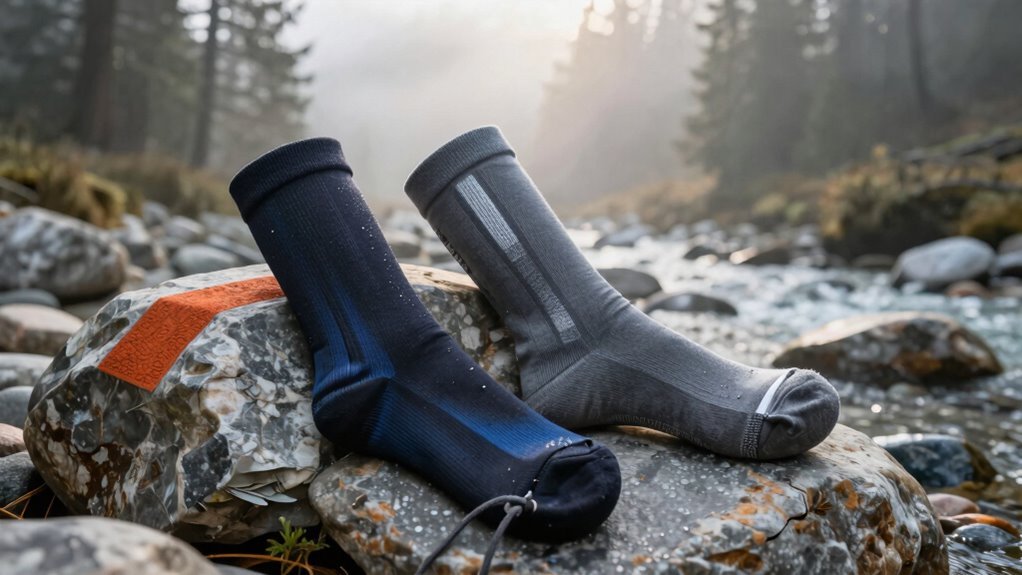
Remember that ache in your calves after a long ridge line trek—yeah, we’ve all been there.
You’re logging miles well into your sixth decade, and recovery isn’t what it used to be.
Compression socks like CHARMKING and Copper might just shift the odds in your favor.
They offer 15–20 mmHg—clinical yet comfortable—with breathable, durable blends that wick moisture and fight odor.
So, what if two pairs of the best compression socks for older hikers could do more than eight promised?
These targeted supports enhance circulation and reduce fatigue on extended treks.
| CHARMKING Compression Socks 15-20 mmHg (3 Pairs) | 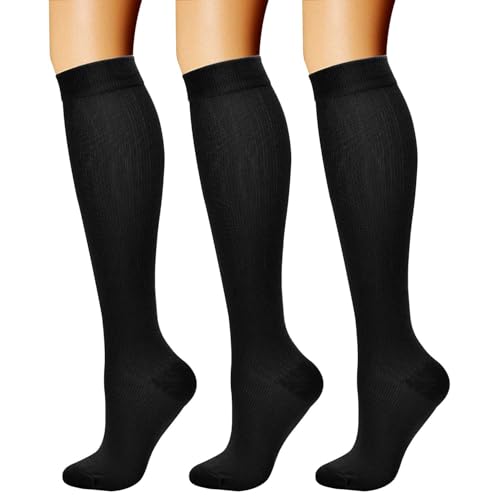 | Best Value Pick | Compression Level: 15-20 mmHg | Use Case: Travel, standing, recovery | Sizing: Two sizes (unisex) | VIEW LATEST PRICE | Read Our Analysis |
| Copper Compression Socks 15-20 mmHg 8 Pairs |  | Ultimate Comfort Choice | Compression Level: 15-20 mmHg | Use Case: Travel, running, hiking | Sizing: Unisex (implied by “for Men & Women”) | VIEW LATEST PRICE | Read Our Analysis |
More Details on Our Top Picks
CHARMKING Compression Socks 15-20 mmHg (3 Pairs)
Who wouldn’t want better circulation and reduced fatigue on the trail—especially when you’re logging miles as an older hiker? CHARMKING’s 15–20 mmHg compression socks strike a smart balance, offering medical-grade support—that’s doctor-recommended pressure—without feeling restrictive.
You’ll notice the upgraded 85% nylon blend—lighter, more durable, and far more breathable than older 40% versions. These socks hug snugly with 360-degree stretch and wick moisture even on warm ascents.
They’re unisex, come in two sizes, and really do keep your calves feeling fresh—whether you’re hiking, flying, or on your feet all day. And hey, if they don’t feel right? The brand’s got your back.
- Compression Level:15-20 mmHg
- Use Case:Travel, standing, recovery
- Sizing:Two sizes (unisex)
- Material Base:85% Nylon, 15% Spandex
- Breathability:Breathable high-performance fabric
- Target Users:Athletes, elderly, pregnant, office workers
- Additional Feature:360-degree stretch flexibility
- Additional Feature:Upgraded nylon durability
- Additional Feature:Lightweight temperature control
Copper Compression Socks 15-20 mmHg 8 Pairs
You’re getting 8 pairs of Copper Compression Socks delivering a medically recommended 15–20 mmHg of graduated compression—ideal if you’re logging miles on rugged trails or spending hours on your feet. Whether you’re an older hiker prioritizing circulation or a travel nurse needing all-day support, these socks are built for endurance and comfort.
Made from 85% nylon, 10% polyester, and 5% copper fiber, these socks wick moisture, stay breathable, and resist odor—thanks to copper’s natural antimicrobial properties. You’ll appreciate the summer-friendly fabric and durable weave, which lasts days between washes (yes, really—week-long wear isn’t out of the question).
They’re designed for athletes, hikers, and desk-bound travelers alike, offering mild yet effective support that feels fresh from dawn to dusk. While they won’t replace medical-grade therapy, they strike a smart balance between performance, comfort, and value—especially with multiple colors included.
If you’re seeking reliable, reusable compression that doesn’t quit mid-hike, these are worth a solid second look (or eight).
- Compression Level:15-20 mmHg
- Use Case:Travel, running, hiking
- Sizing:Unisex (implied by “for Men & Women”)
- Material Base:85% Nylon, 10% Polyester, 5% Copper Fiber
- Breathability:Breathable, moisture-wicking fabric
- Target Users:Nurses, travelers, athletes, desk workers
- Additional Feature:Copper fiber odor defense
- Additional Feature:Week-long wear capability
- Additional Feature:Multi-color pack options
Factors to Consider When Choosing Compression Socks for Older Hikers
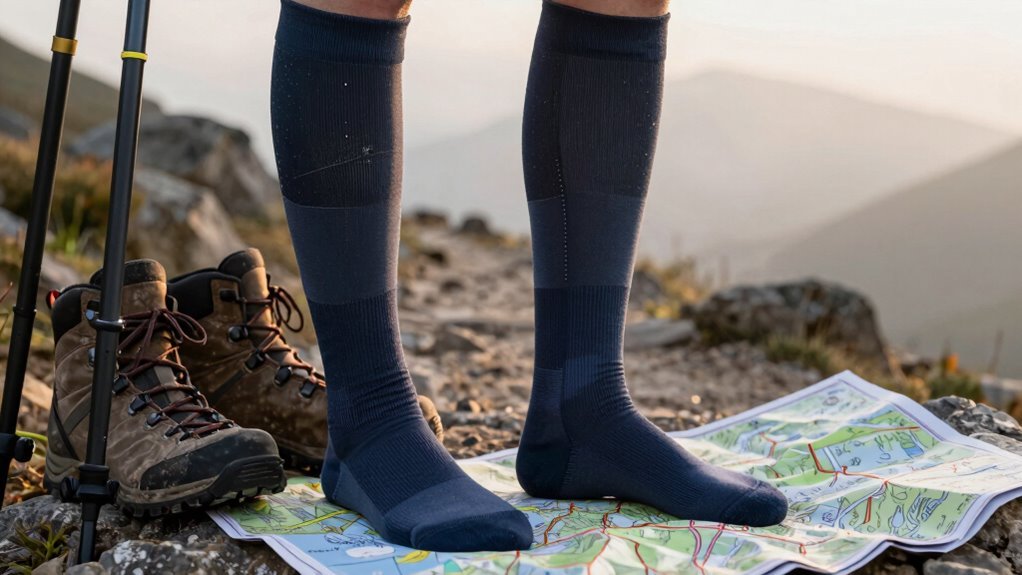
You’ll want to pick compression socks with the right pressure—usually 15–20 mmHg—since too little won’t help circulation and too much could pinch or restrict, especially if you’re on your feet for hours. Look for blends with at least 30% merino wool or moisture-wicking synthetics, because nobody wants soggy socks halfway up a trail, right? And let’s be honest: even the best tech can’t save you if the fit’s off—so measure your calf snugly, check sizing charts, and don’t ignore breathability and targeted mesh zones that keep things cool and dry when temps rise.
Compression Level
What if the secret to outlasting the trail wasn’t in your boots—but in what’s hugging your calves? You’re likely considering 15–20 mmHg compression, which delivers mild to moderate support—just enough to boost circulation during long hikes without squeezing too hard.
This range fights fatigue by stabilizing blood flow, helping your muscles recover faster after strenuous miles. It’s ideal for all-day wear, stretching comfortably from ankle to calf while keeping swelling and soreness in check.
Just don’t assume more pressure is better—excessive compression can backfire, especially if you’re not used to it. A proper fit matters just as much as the mmHg rating; if the socks bunch or pinch, their benefits fade fast.
And if you’ve got existing venous issues—or wonder whether this level’s safe—talk to your doctor first. Smart choices now keep you moving strong later.
Material Quality
Durability, comfort, and performance on the trail start not with your boots—but with the blend hugging your calves. You’re looking for around 85% nylon; it’s tough enough to handle rocky switchbacks and still stretch smoothly in all directions.
Toss in about 15% spandex, and you’ve got compression that stays snug without cutting off circulation—critical when you’re mile 10 and your calves are begging for mercy. Ever notice how some socks start smelling like a campfire gone wrong?
Try a 5% copper fiber blend; it fights odor and microbes without compromising softness. And don’t overlook moisture-wicking fabrics—nylon or polyester pulls sweat away fast, keeping blisters at bay.
Lightweight, breathable materials also help regulate temperature, so your legs don’t overheat. Honestly, who thought socks could do *this* much work?
The right mix just might outlast your energy.
Fit and Sizing
A well-fitting compression sock shouldn’t feel like a guessing game—especially when you’re traversing steep trails and your legs are counting on consistent support. You want unisex socks with two size options so you can match your ankle and calf precisely—because let’s face it, not all calves are built the same, especially after years of hiking.
Look for 360-degree stretch and a form-fitting design that hugs your leg evenly from ankle to calf, delivering steady 15–20 mmHg compression. This level of compression is ideal for moderate activity and daily wear, providing reliable support without restricting movement.
Opt for nylon-spandex blends—they grip without slipping and keep their shape over miles. These fabrics offer the durability and elasticity needed for sustained performance on long hikes.
Reinforced heels and toes are non-negotiable for high-wear areas. So is seamless construction—because nobody needs hotspots when they’re halfway up a switchback.
You want smooth, secure support that stays put, hike after hike. Just dependable comfort that moves with you, not against you.
Breathability Factor
You’ve nailed down the fit—snug at the ankle, graduated support up the calf, seams smooth enough to ignore after mile three—so now let’s talk about staying cool when the trail heats up. Breathability isn’t just comfort; it’s about temperature control, especially when you’re logging miles in warm climates or grinding up sunbaked switchbacks.
Look for blends with high nylon content and spandex—lightweight, springy, and surprisingly airy. These fabrics don’t just hug your legs; they let heat escape, thanks to 360-degree stretch that moves with you, reducing trapped warmth.
Summer-friendly models use thin, open-knit zones (often on the shin) to boost airflow without sacrificing compression. Sure, no sock turns your boots into breezy sandals—but copper-infused fibers? They help a little, keeping things fresher longer.
Is “cool” subjective? Maybe. But when your calves are burning from the climb, the last thing you need is fabric adding to the fire.
Moisture Control
Staying dry on the trail isn’t just about comfort—it’s a necessity, especially when heat, sweat, and friction team up against you during a five-hour ridge hike in 80% humidity. You need socks that wick moisture fast—look for blends with nylon, spandex, or polyester, since they pull sweat away from your skin before it turns into trouble.
Copper-infused fibers aren’t just trendy; they tackle odor and microbes while boosting moisture control. Breathable, high-performance fabrics keep air moving and sweat evaporating—critical when you’re trudging uphill under a summer sun.
Let’s be honest, do you really want soggy feet after mile eight? Moisture management slashes blister risk and irritation, a big win if your skin’s more sensitive with age.
For all-day hikes, grab socks labeled “dry-skincare” or “odor-free”—they’re built to stay dry, even when you’re logging hours on steamy, humid trails.
Durability Needs
Now that you’ve kept your feet dry through muggy switchbacks and midday heat, let’s talk about what happens when those moisture-wicking socks face the grind—hike after hike, rock after rock, wash after wash. You need durability that matches your pace, not just once, but season after season.
Look for socks with around 80–85% nylon—they’re tough enough to handle constant flexing and abrasion, especially when you’re logging miles on rocky trails. Pair that with 360-degree stretch construction, and you’ll cut down on cuff tears and heel blowouts.
Ever notice how some socks lose their squeeze after just a few laundry runs? Avoid that—opt for fabrics engineered to retain both shape and compression.
Reinforced heel and toe zones add armor where you need it most, and premium-knit designs handle prolonged wear without thinning out. Bottom line: your socks should last longer than your blisters.
Activity Specificity
While no sock can turn back the clock, choosing the right compression gear can make a real difference when you’re logging miles on rugged terrain—especially as joints stiffen and recovery times stretch. You want 15–20 mmHg compression: it’s mild enough for all-day wear but strong enough to boost circulation and cut fatigue on long hikes.
Look for breathable, moisture-wicking fabric—because sweaty feet aren’t just uncomfortable, they’re blister magnets, especially in humid or hot conditions. A 360-degree stretch design provides a snug fit that won’t slip or bunch in boots, even on rocky descents.
Durable materials handle trail abuse without sagging. Unisex sizing and a lightweight build mean these socks work whether you’re in narrow hiking shoes or roomy trail boots.
Honestly, what’s not to like? They’re not magic, but they do help you hike farther, feel stronger, and recover faster—pretty smart for just a pair of socks.
Frequently Asked Questions
Can I Wear Compression Socks While Sleeping?
No, you shouldn’t wear compression socks while sleeping unless your doctor says otherwise. They’re meant for daytime use to boost circulation. Taking them off at night lets your skin breathe and prevents discomfort or circulation issues. Always follow medical advice.
Are Compression Socks Machine Washable?
Yes, you can toss them in the washer—unless you enjoy hand-washing like a Victorian laundress. Just use cold water, gentle cycle, and skip the bleach. They’ll stay fresh, snug, and ready for your next long hike without turning into saggy ghosts of support.
Do Compression Socks Help With Varicose Veins?
Yes, they do. You’re easing vein pressure and boosting circulation when you wear compression socks. They won’t cure varicose veins, but you’ll likely feel less discomfort, reduce swelling, and slow progression—especially if you’re on your feet a lot or sitting for long stretches.
How Long Do Compression Socks Last Before Replacing?
You’ve got about six months before they lose their punch—like a flat battery, they just won’t hold the charge. You’ll notice slipping support, so swap them out then to keep your legs feeling sprung.
Can I Wear Compression Socks in Hot Weather?
Yes, you can wear compression socks in hot weather. You’ll stay cooler and more comfortable if you pick lightweight, moisture-wicking styles. You’ll also reduce swelling and boost circulation while hiking, so don’t skip them—just choose breathable materials designed for warmth and humidity.
Conclusion
You’ve seen the standout socks—CHARMKING’s 85% nylon blend for trail-tough tenacity, Copper’s copper-infused weave for odor-opposing action—both delivering 15–20 mmHg of fatigue-fighting, recovery-revving compression. They’re breathable, durable, and designed for daily hikes or weekend wanderings—so, are your feet ready to forge farther, heal faster, and feel finer? (Just don’t forget to swap, wash, and wear wisely—no sock’s a silver bullet.)