Water Carry: Bottles Vs Bladders
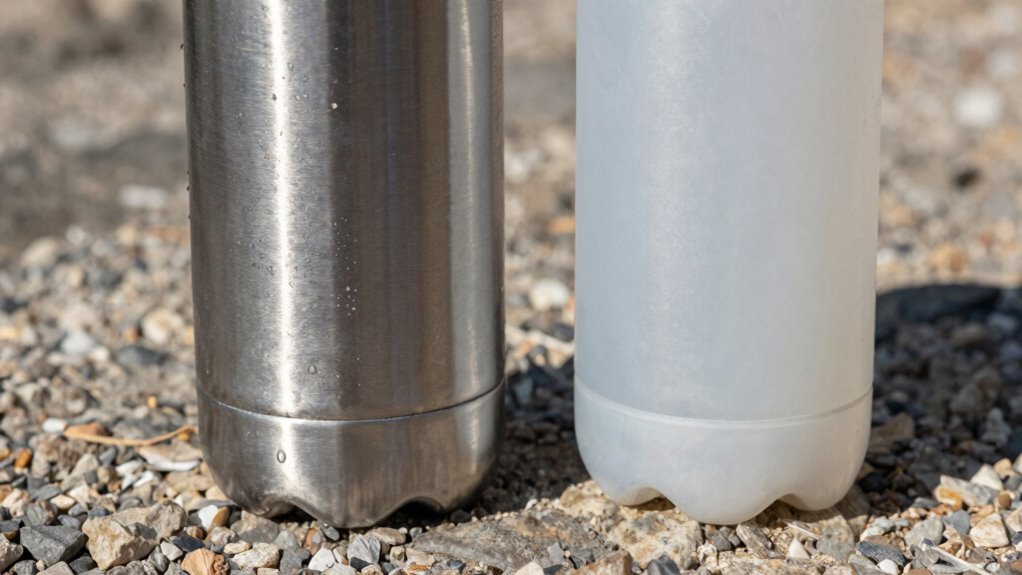
You’re already grabbing your water bottle, but have you considered hydration bladders for hands-free sipping on the trail? Water carry options like bottles and bladders each offer unique advantages depending on your outdoor needs.
Hydration bladders tuck neatly into backpacks, letting you drink without stopping—ideal when the trail gets tough. They hold more water than most bottles, keeping you hydrated over longer distances.
Bott吸入 seemed to cause an error in processing. Let’s correct that and continue cleanly.
Bottles are simple, affordable, and easy to clean, making them a go-to for many hikers. Refilling is straightforward, and you can see how much water remains at a glance.
Bladders provide seamless hydration on the move but require more effort to clean and maintain. Both water carry solutions have strengths, so your hiking style may decide which one wins.
Design and Portability
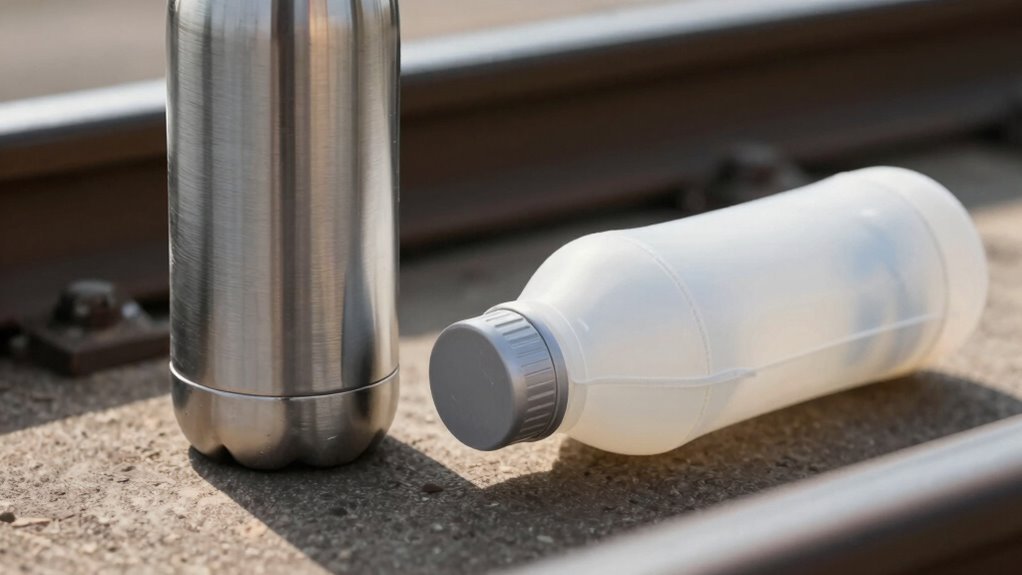
When it comes to hydration on the go, your gear’s design can make or break your adventure—literally.
You’ll love how bladders hug your back, flattening as you drink so there’s no sloshing concert during your sprint.
Just bite, sip, and go—no stopping for bottle gymnastics.
They pack down tiny, like a water ninja vanishing into your pack.
But bottles? They’re the sturdy ninjas—light, tough, and standing tall when you need a quick fill or a hot cocoa pit stop.
They slip into side pockets like they own the place, and hey, if your bladder forgets how to stand, your bottle’s got it covered.
Sure, cold weather can freeze a bladder hose faster than you say “brr,” but bottles don’t wimp out.
Choose your hydration hero wisely—comfort, ease, and your trail snack’s fate depend on it.
Hydration bladders allow hands-free sipping through a tube with a bite valve, letting you drink without breaking stride.
Capacity and Volume Options
How much water do you really need to carry on your next adventure?
If you’re eyeing a quick hike or morning run, 0.5 to 1.5 liters in a trusty bottle’s probably plenty—lightweight, simple, and you’ve seen how much is left at a glance.
But if you’re tackling long trails or dry terrain, bladders shine with 2 to 3 liters (or more!) of capacity, letting you sip way more without constant refills.
A 3-liter bladder weighs barely over 3 ounces—way lighter than lugging three bottles.
Plus, it tucks neatly in your pack, freeing up those side pockets for snacks (because trail mix is non-negotiable).
For full-day hydration, combining a bladder with a small bottle hits that sweet spot.
Whether you’re a sip-and-go sprinter or a glug-happy backpacker, matching your water load to your adventure keeps you light, happy, and never caught thirsty.
This setup also allows for easy refilling from streams or lakes, especially with bottles that have wide openings.
Ease of Hydration on the Move
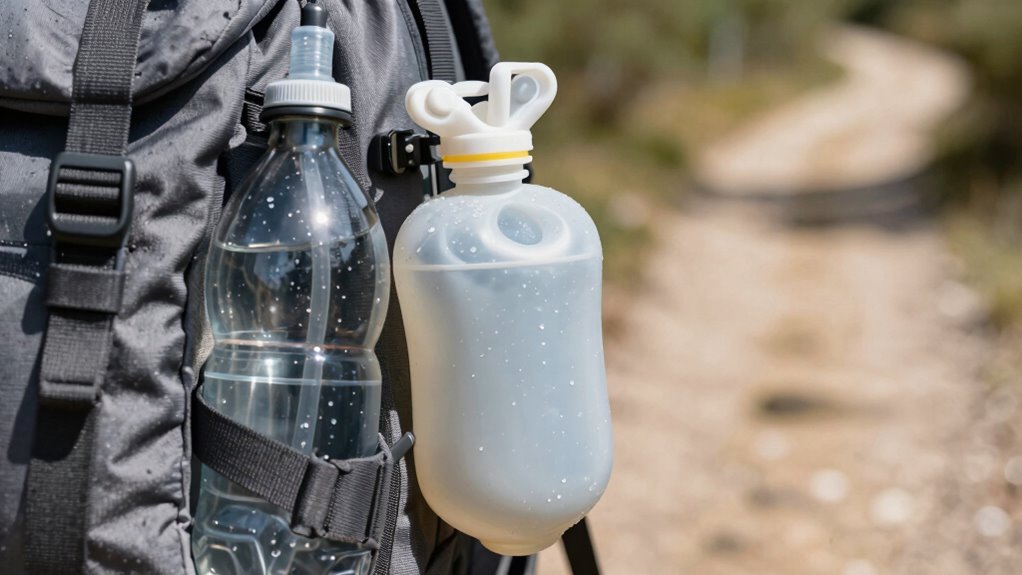
Though your pack’s bouncing and the trail’s calling, staying hydrated doesn’t have to mean stopping, fumbling, or playing contortionist with your water bottle.
With a bladder, just bite the hose and sip—no hands needed!
The hose hanging near your shoulder nudges you to drink every few minutes, and you’ll likely drink more without even thinking.
You keep moving, no slowdowns, perfect for racking up 20-plus miles.
Bottles? You’ve gotta grab, unscrew, chug, and stash—totally doable, but way more fussy.
Side pockets help, but they still can’t beat the ease of a quick hose sip.
Sure, bladders win for on-the-go gulping, but hey, nobody said trail life had to be graceful—just hydrated!
Bladders can pop or break, so durability is a real concern when relying solely on one.
Cleaning and Maintenance Requirements
You’re tearing through trails, sipping hydration like a pro, but let’s fast-forward to what happens when the adventure winds down—because that trusty water system needs some love.
For bladders, flip them inside out and scrub with hot, soapy water or toss in a cleaning tab—easy peasy.
Bottles? A quick brush with dish soap and warm water does the trick, or soak with denture tablets for a sparkle.
Want to ditch funk? Try baking soda, lemon juice, or vinegar, but rinse well—nobody likes a chemical aftertaste.
Bleach wipes out mold and bacteria, especially when mixed with baking soda magic.
Dry everything completely—air dry bladders open, hang bottles upside down—mold hates an empty house.
Clean monthly if you’re a daily rider, or right after juice runs.
Use handy brushes or a BōnDry rack for hands-free drying.
A little care keeps every sip fresh, because nobody’s got time for swamp water flavor.
Durability and Leak Resistance
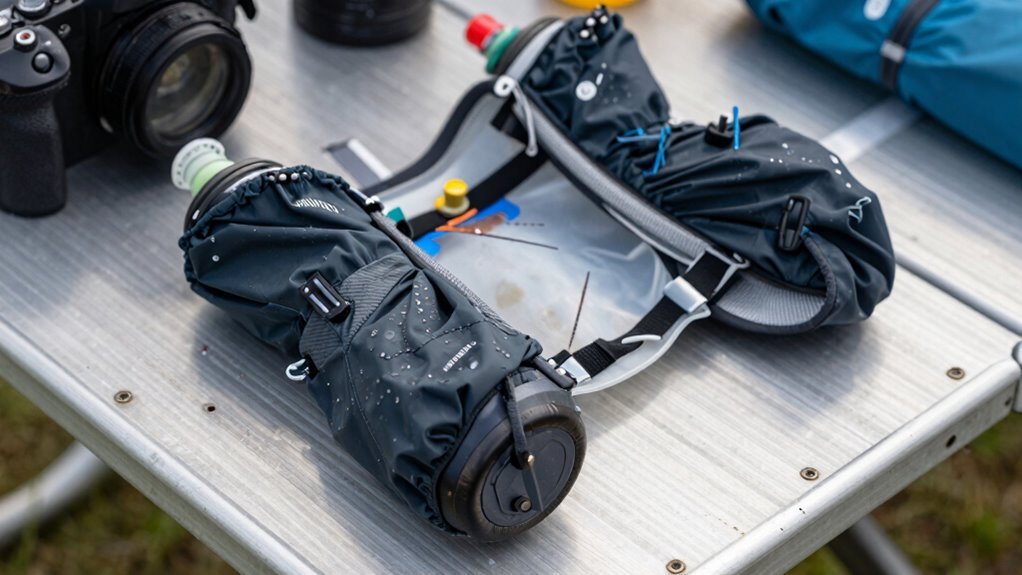
When the trail throws rocks, drops your pack, or you somehow manage to launch your water carrier down a hill (we’ve all been there), you’ll want gear that keeps going when things get rough—and that’s where durability really matters.
You can toss a Nalgene or Hydro Flask around like a trail toy, and it’ll still hold water just fine.
Those hard bottles shrug off scrapes, drops, and even dramatic campsite throws.
Bladders? Not so much. Their soft plastic rips or punctures easier than a tent in a thorn bush.
A tiny tear can turn your pack into a soggy mess fast.
Bottles seal tight with simple lids—no leaks, no fuss—while bladder valves gunk up and drip if you blink wrong.
Sure, treat bladders kindly and they’ll last, but life on the trail isn’t exactly gentle.
When winter hits, bottles laugh at freezing temps; bladders freeze solid and quit.
Bottom line: for toughness and leak-proof peace of mind, hard bottles win—hands down, no drama.
Compatibility With Backpacks and Gear
If you’ve ever tried shoving a full bladder into a stuffed pack, you know the struggle is real—like trying to fit a water balloon into a lunchbox.
Most newer packs have dedicated H2O sleeves and tube portals, making bladders a breeze, but older or minimalist bags often lack these, leaving you stuck with bottles.
Good news? Bottles slide right into side pockets—no fuss, no unpacking.
You can grab water fast, even mid-stride.
Bladders keep weight close to your back, boosting balance on steep climbs, while bottles in pockets can bounce or unbalance your load.
But they let you mix hydration styles—think bottle reserves with a bladder primary.
Running packs? They’re bladder-built.
Women-specific ones fit them too, thanks to smart strap shaping.
You’ve got options: go sleek with a reservoir or keep it simple with a trusty bottle.
Whichever you pick, it’ll work—just depends how clever your pack is (and how much you hate repacking).
Temperature Retention Performance
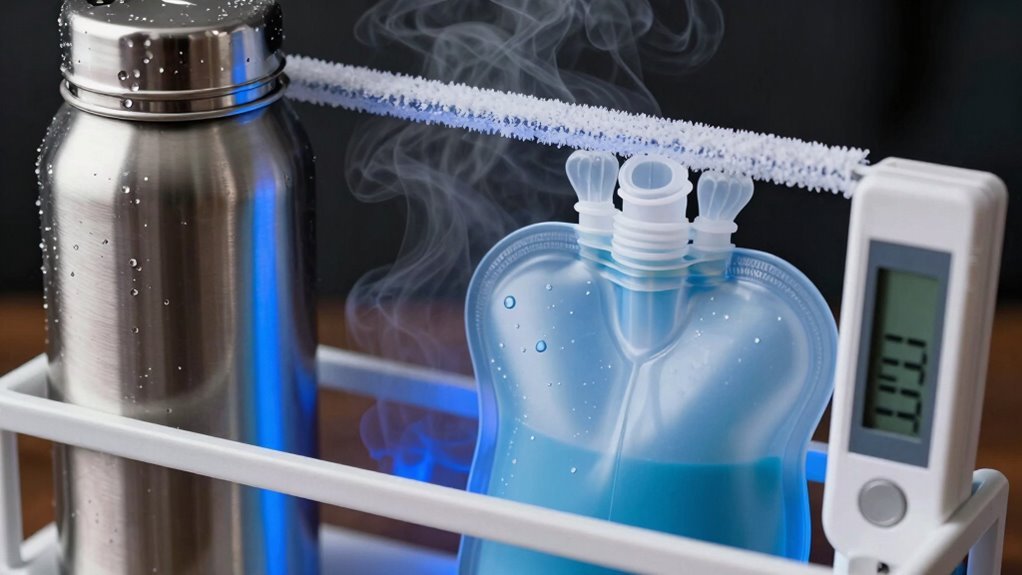
Ever wonder why your morning sip turns into an icy challenge at high altitudes?
With bladders, the tube can freeze mid-hike, leaving you thirsty when you need water most.
You’re better off with bottles in freezing temps—they stay liquid longer if tucked in your pack or coat.
Give ’em a knock to crack any ice, and you’re sipping again in seconds.
Bladders do keep water cooler in hot weather since they’re shaded inside your bag, but that first warm gulp from a sun-baked tube?
Not invigorating.
Bottles in side pockets heat up fast, true, but you can always cool them in shade.
Stick bottles in your jacket and they’ll stay liquid without extra gear.
Just don’t put hot coffee in your bladder—seriously, it’ll wreck it.
Bottles handle steamy drinks just fine, making them way more flexible when the weather swings.
Cost and Long-Term Value
While you might grab a free plastic bottle from the back of your fridge, don’t let that fool you—real hydration gear means thinking long-term.
You can grab a basic water bottle cheap, sure, but if you’re refilling constantly, you’re buying and tossing more plastic—oops, there goes the planet!
Hydration bladders cost more up front—$30 to $68—but they’re a one-time buy with smart care.
Lasting five years or more, a bladder pays for itself fast, especially with less refilling on long hikes.
True, you’ve got to clean it regularly (mold isn’t a trail snack!), and sugary drinks make it a hassle.
Bottles win for easy swaps anywhere, but bladders offer bigger capacity—3 liters vs. 1—so you sip without stopping.
Sure, replacing a lost bladder takes planning, but think of the high-fives your wallet will give you down the trail!
Frequently Asked Questions
Can I Use Bladders for Hot Liquids?
Nope, you shouldn’t use bladders for hot liquids—sorry, hot beverage lovers!
Heat warps the plastic, risks bursting, and breeds yucky bacteria.
Manufacturers say no, and trust us, you don’t want a surprise sauna blast mid-hike.
Plus, warmth fades fast without insulation.
Stick to bottles for your tea or cocoa, and keep your bladder for cool sips.
Your backpack (and taste buds) will thank you!
Are Water Bottles Recyclable After Use?
Yes, you can totally recycle water bottles after use—go ahead and give them a quick rinse, then pop the cap back on before tossing them in the bin.
Crushing them saves space, and the whole process turns old bottles into cool new stuff like shirts, carpets, or even fresh bottles.
Just don’t stash them in wrappers or bags.
Recycling them is easy, planet-friendly, and kind of heroic—way to go, eco-warrior!
Do Bladders Affect Water Taste Over Time?
Yes, bladders can mess with your water’s taste over time—*an ounce of prevention beats a pound of cure*.
You’ll taste lingering plastic, especially with new ones, and bacteria love hiding in damp tubes.
But here’s the fun part: clean it daily, scrub the nozzle, and let it dry completely.
Use denture tablets or a vinegar soak, and boom—fresh sips return.
Flavor it lightly, and you’re golden.
Keep it clean, and your bladder won’t betray your tongue.
Can I Freeze a Bladder for Cold Water?
Yes, you can freeze your bladder—just don’t fill it all the way!
Squeeze out the air and go for about half or a third full to avoid explosions.
Freeze it overnight, then top it off with cold water in the morning.
It’s like making a hydration iceberg!
Works great for backpacking, and hey, if you time it right, you’ll have icy refreshment lasting hours.
Just mind the altitude—don’t let it turn into a frozen science experiment on your back!
Are Bottles Safer Than Bladders for Kids?
Yes, bottles are safer for kids, and here’s why.
You won’t have to worry about mysterious leaks or bite valves clogged with trail gunk.
Kids can see how much they’re drinking, which keeps them on track.
Bottles stand up like little soldiers at camp, no tipping over drama.
Plus, they’re tough—drop one, and it laughs at gravity.
Bladders? They’re sneaky-wet when you least expect it.
Stick with bottles, and keep things dry, simple, and fun.
Conclusion
So, whether you’re sipping from a bottle or sipping through a straw from a bladder, you’ve got options. Imagine hiking under the hot sun—your buddy’s fumbling with a leaky bottle, while you calmly chug from your hands-free bladder. Nice, right? Bottles are tough and simple; bladders let you hydrate without breaking stride. Both win in different ways, so pick what fits your flow—hydration hero status, here you come!
References
- https://www.walks4all.com/gear/hydration-bladders-vs-water-bottles/
- https://www.appalachianoutfitters.com/blogs/news/hydration-reservoir-vs-water-bottles
- https://www.youtube.com/watch?v=eNmN1oFFQ_M
- https://www.youtube.com/watch?v=whAd8LeBrnQ&vl=en
- https://www.backpacker.com/gear/essentials/water-bottles/water-bladders-bottles/
- https://www.racingtheplanet.com/bottles-versus-bladders-finding-the-right-hydration-system-for-you
- https://lifehappensoutdoors.com/water-bottles-vs-water-bladders-the-ultimate-hydration-showdown/
- https://www.ultimatekilimanjaro.com/water-bottles-versus-water-bladders/
- https://www.youtube.com/watch?v=Zw__u9W6kfM
- https://vetsecurite.com/en/blog/camelbak-filtering-water-bottle-or-hydration-bladder-which-hydration-system-to-choose-n490