Rest Day Planning for Older Backpackers
You’ve earned your rest days, not blown them—think of them as tune-ups, not time-outs. Rest day planning for older backpackers is essential for recovery and long-term trail enjoyment.
Prioritize sleep with a cozy pad and neck pillow, then sip water, stretch gently, and munch quinoa bowls with nuts and veggies. These small acts of self-care make a big difference on the trail.
Pick chill spots like Shadow Lake or a Swiss hut, hike short miles, and build in zero days. Your tendons will thank you, and your next summit? Way sweeter. There’s more where that came from.
Understanding Your Body’s Recovery Needs
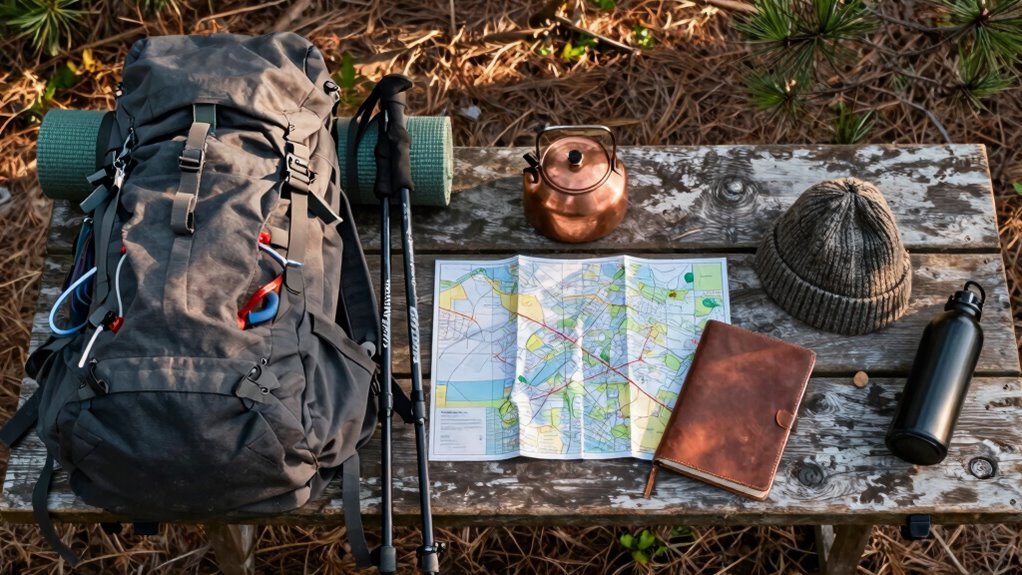
Ever wonder why your body feels like it’s throwing a tiny protest after days on the trail?
Well, as you age, recovery takes longer—your muscles, joints, and ligaments need more downtime, even with solid “hiker legs.”
That’s why building in regular zero days or “near-o” days is a smart move.
Think of them as tune-ups for your body.
Shorter hiking days at the start help you adapt safely, too.
And don’t forget sleep—it’s your recovery superpower.
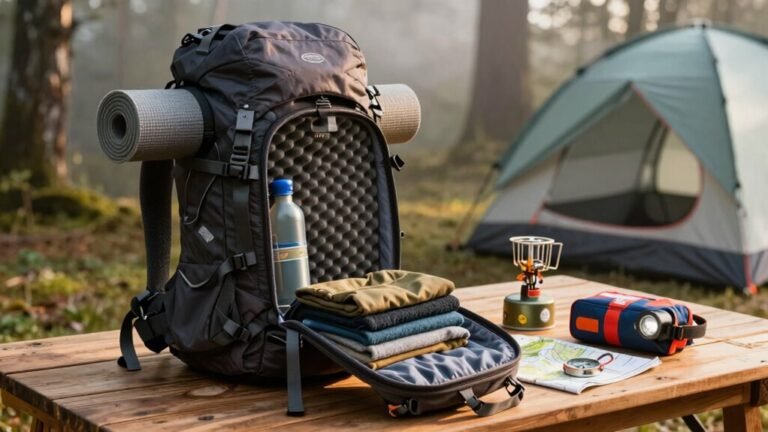
A thick sleeping pad (R-value 4+, at least 3 inches) keeps you warm and cushioned, especially if you’re a side sleeper.
Toss in a camp chair and neck pillow, and you’ve got a recipe for dreamy nights.
Good sleep means less stiffness, fewer aches, and more trail magic the next day.
You’ve got this—just listen to your body, it’s just being honest, not dramatic.
Incorporating Greasing the Groove can enhance recovery by promoting neuromuscular efficiency without taxing the body.
Choosing the Right Rest Day Locations
You’ve tuned in to your body’s signals and given it the downtime it craves—now it’s time to pick the perfect spots to do it all again.
Set up base camp near Shadow Lake or Thousand Island Lake, where gentle trails and hammocks make life kinder on your back.
Love alpine charm?
Book a cozy rifugio in the Dolomites—hello, dumplings and star-gazing!
In Switzerland, ride gondolas to huts and skip the grind.
Craving warmth?
Drift into Costa Rican eco-resorts or rent a beach hut after cloud forest hikes.
Town stops like Flagstaff aren’t just for resupply—they mean pancakes, deals with your senior discount, and dry socks.
Choose Grand Canyon’s north rim for a birthday splash or Arizona’s warm towns when trails turn mucky.
Whether it’s hot springs, private hostel rooms, or sagebrush valleys for nostalgic strolls, pick places that feel less like resting and more like rewarding yourself—because let’s be honest, you’ve earned the upgrade.
Prioritize locations that allow for base camping with day hikes to reduce physical strain while maximizing enjoyment.
Building Flexibility Into Your Itinerary
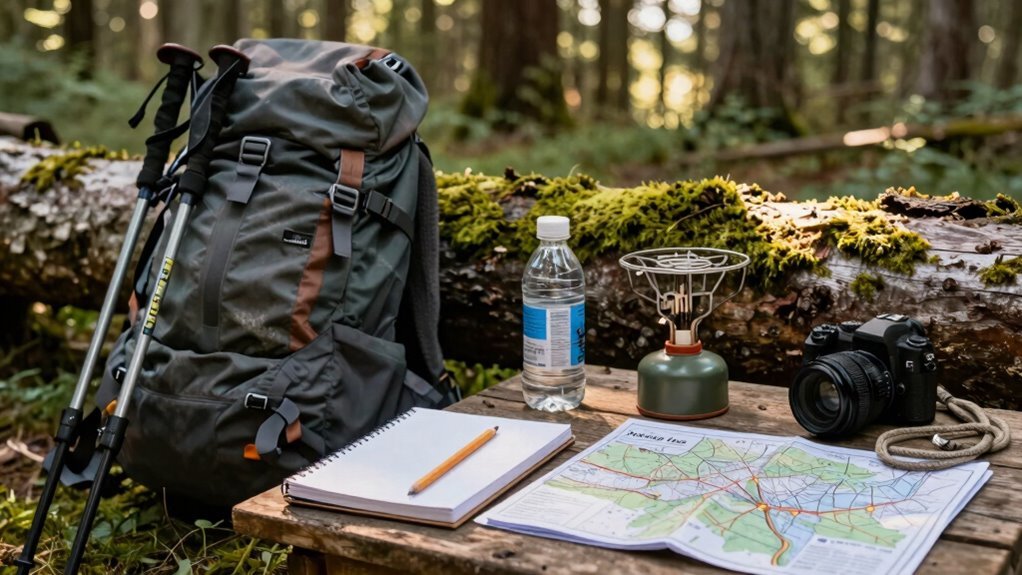
Leaving room to wiggle means your trip stays fun, not frantic.
You’re not racing a stopwatch—you’re chasing sunsets and serenity.
Build flexibility like a pro with these smart moves:
- Plan fewer destinations so you’re not rushing like a squirrel dodging traffic.
- Keep daily hikes short—7 to 10 miles—giving your body time to say “thanks” instead of “quit!”
- Ditch the minute-by-minute schedule; swap rigid plans for loose itineraries that let you nap, explore, or just breathe.
- Schedule zero and near-zero days regularly, because sometimes the best plan is no plan.
You’ll adapt better to weather, trail surprises, or that stubborn blister. Flexibility isn’t laziness—it’s wisdom with a backpack. Let your journey bend, not break, and you’ll laugh more, ache less, and actually enjoy those golden years on the trail.
Slow travel allows deeper cultural immersion and reduces physical strain, making it ideal for meaningful midlife adventure.
Active Recovery: Stretching and Light Movement
Stretching out after a long day on the trail isn’t just about feeling good—it’s your secret weapon for bouncing back stronger.
You’re not just loosening tight muscles; you’re flushing out lactic acid, easing soreness, and prepping your body for tomorrow’s adventure.
Hold each stretch for 30 seconds—yes, set a timer if you must—and breathe deep: inhale as you adjust, exhale as you sink deeper.
Hit key spots like hamstrings, hips, and calves with moves like forward bends or the Lizard Pose, and don’t skip your back and shoulders—grab a tree for support and gently twist.
Try a 10-minute yoga flow or easy knee circles to keep things moving.
Even a slow stroll helps blood flow without overdoing it.
Think of it as hitting a reset button, not a snooze alarm.
Your tendons will thank you, especially as you age.
Stay loose, stay ready, and remember: flexibility beats stiffness every time.
Hydration and Nutrition on Rest Days
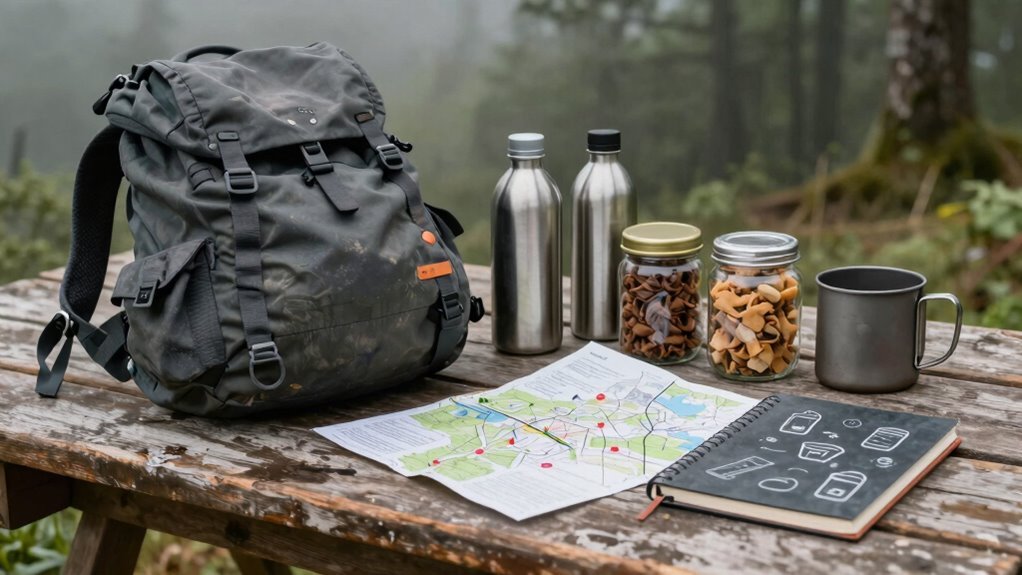
Right from sunrise, your body’s already playing catch-up—especially on rest days when recovery kicks into high gear.
You might feel like kicking back with your boots off (and hey, you’ve earned it), but don’t let hydration slip.
Your body needs steady fluids and smart fuel to bounce back strong.
- Sip early, sip often—down a full bottle before breakfast, then keep at it hourly, even if you’re not thirsty.
- Balance electrolytes—toss a sugar-free tablet in your water, especially if you’ve been sweating buckets.
- Eat recovery-rich meals—think protein-packed jerky, anti-inflammatory veggies, and hearty quinoa bowls.
- Snack like clockwork—fuel every few hours with nuts, oats, or an omelette to keep energy steady.
Who knew resting could be *this* deliciously productive?
Mental Recharge and Trail Reflection
You’ve been sipping, snacking, and refueling like a pro—now let’s give your mind the same love your body’s been getting.
Take a seat, kick back, and let your thoughts wander like a curious marmot.
Journaling helps you untangle trail highs and lows, while hammock naps? Pure magic for mental resets.
Try seated stretches against a rock—your joints and brain will thank you.
Use these breaks to replay summit wins or laugh at that time you mistook a bush for a bear.
Base camp day hikes let you reflect without rushing.
Foam rolling? It’s not just for sore legs—it clears brain fog too.
Trekking poles free up mental space, and early camp arrivals mean time to poke at firewood and ponder life.
With mule support or group trips, you’ve got less stress and more soul.
Remember: rest days aren’t lazy—they’re your secret weapon for staying sharp, spry, and smiling on the trail.
Frequently Asked Questions
How Do I Prevent Stiffness After a Rest Day?
You prevent stiffness after a rest day by moving early and often—don’t let your body forget how to groove.
Do light stretches, grab your nylon strap for quads and hamstrings, and twist that spine like you’re wringing out yesterday’s tired.
Toss in a short walk or yoga flow, breathe deep, and boom—you’ll feel looser than a backpack zipper on downhill trek.
Keep it playful, keep it moving!
Should I Take a Zero or Rest Day?
You should absolutely take a zero or rest day—your body’s been working hard, and it deserves a break.
Skipping one might leave you stiffer than a packed tent after rain! Rest days help you recharge, avoid burnout, and come back hiking stronger. Think of it as hitting pause to enjoy the views, eat extra snacks, and let your legs whisper, “Thanks, buddy.” You’ve earned it!
Can I Hike Short Trails on Rest Days?
You absolutely can hike short trails on rest days—you’re not slacking, you’re sneakily staying active!
Think of it as giving your body a breather while still sneaking into nature’s candy store.
Trail jaunts like Timber Ridge or Race Brook Falls are perfect: short, sweet, and packed with views, waterfalls, or creeks.
You’ll stretch creaky knees, dodge trail monotony, and feel like a kid finding secret treasure—no heavy pack, just pure trailside joy.
What if I Feel Guilty Taking Rest Days?
You’re not lazy for resting—you’re hiking smarter.
That guilt? It’s just your ego pouting because it thinks pushing harder means winning.
Newsflash: you’re winning by not wrecking your knees or mood.
Treat rest like a trail snack—necessary, revitalizing, and way more fun than limping.
Laugh at the guilt, sip tea, watch squirrels argue over crumbs.
You’ve got this.
How Many Rest Days Are Too Many?
Too many rest days?
That’s anything over three in a week, unless you’re just starting out.
You’re not being lazy—you’re staying sharp.
Skipping activity backfires, sapping strength and stiffening joints.
But hey, your couch isn’t a hiking trail, so aim for movement most days.
Swap full zeros for light walks or stretching—your body’ll thank you with less ache and more adventure fuel.
Keep it fun, keep it going!
Conclusion
You’ve got this! Did you know 73% of older hikers feel stronger after planned rest days? It’s true—giving your body time to bounce back helps you go farther, feel better, and actually enjoy the views instead of groaning when you stand up. So stretch, sip water, eat that extra snack, and laugh when your tent flap flips in the wind. Rest isn’t quitting—it’s part of the adventure. Keep rocking the trail, one smart day at a time!
References
- https://backpackinglight.com/forums/topic/a-strategy-for-older-people-for-thru-hiking/page/3/
- https://sectionhiker.com/how-to-backpack-over-60-tips-and-tricks/
- https://www.youtube.com/watch?v=NK_xWdvEmgw
- https://backcountryemily.com/physical-training-for-backpacking/
- https://www.ula-equipment.com/2025/08/19/aging-into-ultralight-why-older-backpackers-should-rethink-their-gear-and-embrace-the-ul-life/
- https://slowerhiking.com/health-and-wellbeing/multiday-hiking-for-seniors-part-1-practical-hacks-workarounds
- https://backpackinglight.com/comfort-vs-weight-gear-guidance-for-aging-older-backpackers/
- https://missadventurepants.com/blog/fitness-over-40-training-tips
- https://backpackinglight.com/forums/topic/older-backpackers-what-concessions-are-you-willing-to-make-as-you-age/
- https://www.backroads.com/blog/best-trips-40-somethings