How to Keep Bear Canisters Working in Bad Weather
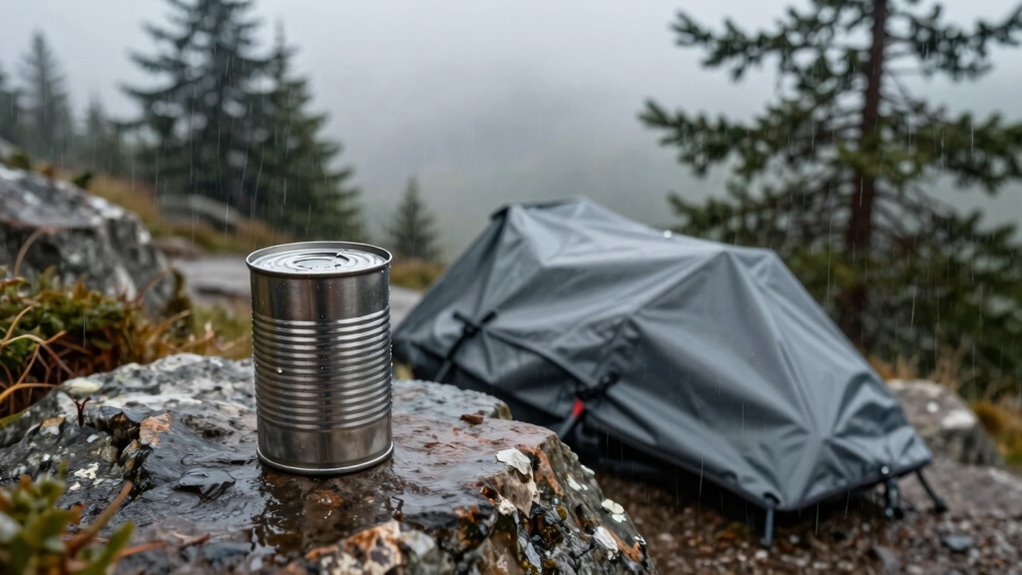
Keep your bear canister working in bad weather by wiping it down after exposure to rain or snow—pay special attention to the latch and seals. Moisture can freeze and compromise the closure, so quick drying is essential for reliable performance.
Clean the rim and groove of the bear canister regularly to prevent debris from interfering with the seal. Make sure the O-ring is snug and properly lubricated with a cold-weather-safe silicone to maintain a secure closure in freezing conditions.
Store the canister high and dry, away from mud, puddles, and morning dew to protect its components. Using a pocket-style twist latch helps avoid frozen surprises when opening in cold temperatures.
Never force the canister shut too tightly—two clicks is enough to seal it without damaging the mechanism. Check regularly for cracks, gunk, or wear, and address issues early to keep your bear canister ready for every adventure.
Prevent Latch Freezing in Cold and Wet Conditions
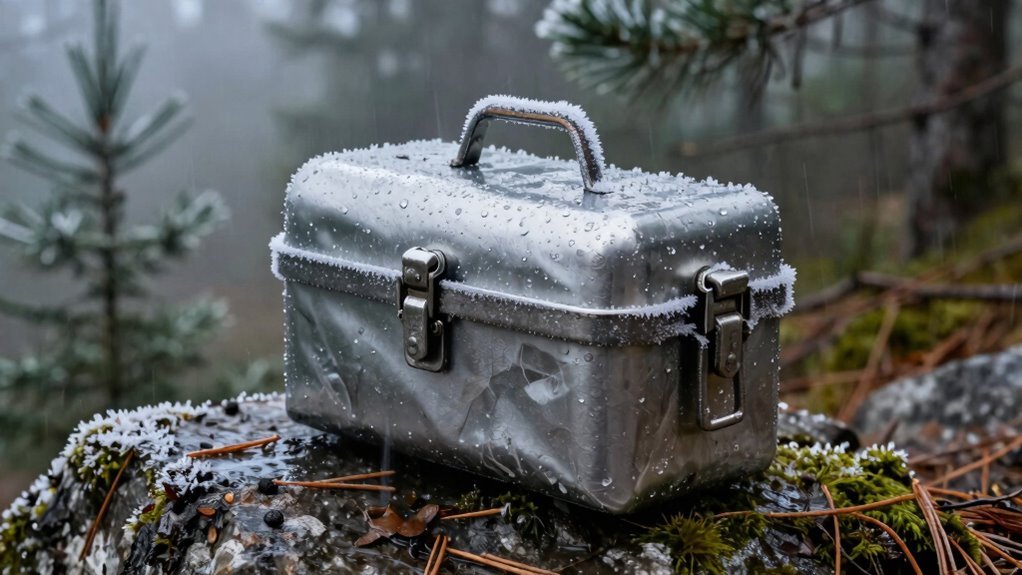
Ever wonder why your bear canister suddenly turns into a frozen vault when you’re shivering at 10,000 feet?
It’s not magic—it’s moisture.
Wet threads on the lid or canister freeze fast in cold weather, turning your dinner into a science experiment.
You’ve gotta keep those parts dry, always.
Wipe them after rain or snow, no excuses.
Frozen plastic gets rock-hard and won’t flex over the child-proof teeth, making opening it nearly impossible.
And don’t crank the lid down like you’re sealing your destiny—two clicks past the stopper is plenty.
Over-tightening creates a vacuum that cold just loves to lock down.
Keep it snug, not superhero-tight.
Store it closed, sure, but don’t make it a polar puzzle.
Stay dry, stay smart, and your snacks stay accessible.
Models with a pocket-style touch latch resist moisture buildup better due to shrouded mechanisms.
Clean Seal Surfaces to Maintain an Airtight Closure
You just dodged a frozen lid disaster—congrats, that’s one less dinner-time drama on the trail.
Now, keep that win going by cleaning your canister’s seal surfaces like a pro.
Wipe the lid and rim with a clean, dry cloth before closing—dirt and grit are sneaky little barrier-busters.
Use a soft brush or microfiber towel to kick sand out of the sealing groove, but skip anything scratchy—polycarbonate doesn’t like boo-boos.
After rain, clean right away so mud doesn’t throw a tantrum and harden.
Check the O-ring channel for tiny invaders like sand or crumbs.
If it’s removable, rinse the O-ring with mild soap, give it a light food-grade silicone lube if it’s dry, and never, ever use DEET or harsh solvents—they’re basically kryptonite.
A quick once-over keeps your seal airtight and your snacks safe.
Bears are quick learners and can recognize canisters as non-rewarding, so maintaining an effective bear canister ensures they don’t waste energy testing it—and you don’t become part of a problem bear story.
Store the Canister Away From Moisture and Mud
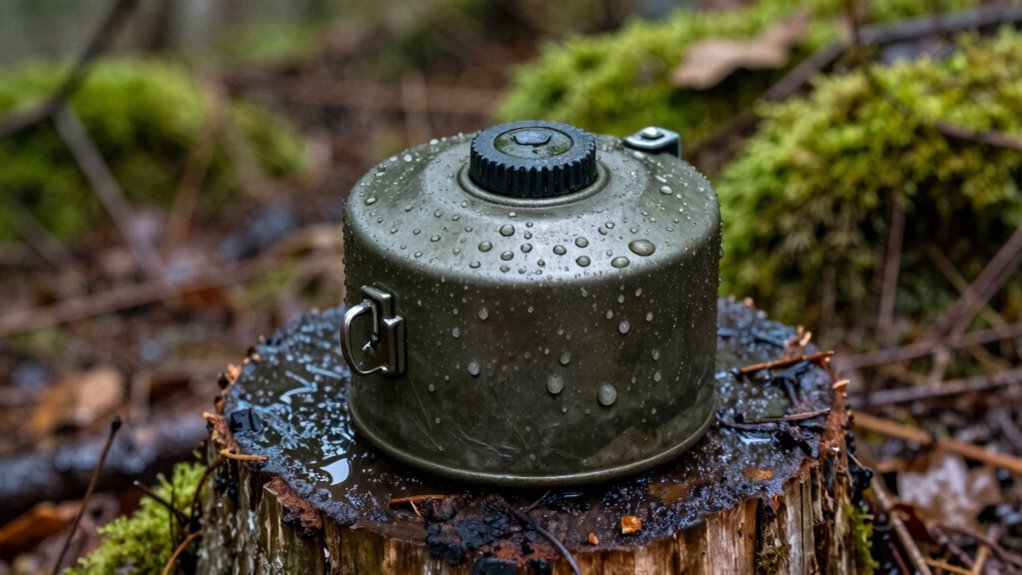
Keep your bear canister high and dry like it’s the last granola bar at camp—because nobody wants a soggy snack or a mud-caked lid.
Place it on flat, elevated ground with good drainage so water doesn’t pool underneath.
Avoid soggy soil, streamside spots, or dew-heavy grass that turn your canister into a mud magnet.
Instead, tuck it behind a rock or in dense brush—just keep it 200 feet from camp and away from cliffs.
Since BearVaults aren’t fully waterproof, play it safe with a dry bag near lakes or rivers.
Elevate it on rocks or a natural pedestal to dodge splatter and standing water.
Stay upwind from muddy zones when it rains, and never stash it where flash floods could sweep it away.
After each trip, clean off any gunk so dirt doesn’t mess with the seal.
Store it indoors, upright, and away from damp basements—your canister will thank you!
Make sure the threads are clean to maintain a proper seal and prevent sticking, especially after exposure to mud or moisture.
Use Lubricants Designed for Cold-Weather Performance
When the mercury drops and your bear canister’s hinges start moving like a grumpy morning hiker, that’s your cue to switch to a cold-weather lubricant.
Don’t let frosty temps turn your gear sluggish—synthetics like PAO or ester stay fluid down to -60°C, while regular oils thicken up like peanut butter in a freezer.
Pick a lube with a low pour point, ideally 20°C below what you’ll face, so it won’t stiffen or sludge up.
These smart formulas resist water, too, which means less rust and more smooth spinning when it counts.
A dab of Anderol® 568 or Klüberplex BEM 41-132 keeps parts protected and happy, even in icy gusts.
Just don’t overdo it—too much grease traps dirt and throws a wrench in the works.
Trust the science, lean on synthetics, and your canister will snap open like it’s still summer.
Inspect for Damage Before and After Each Use
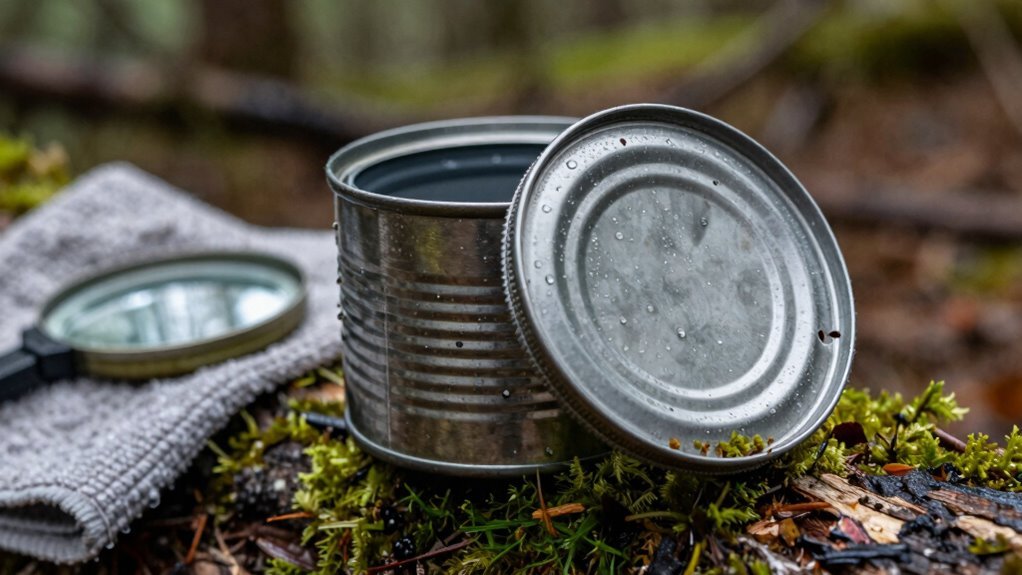
Give your bear canister a once-over before every adventure—it’s like a pre-hike high-five for your gear. Run your fingers along the exterior, checking for cracks, dents, or deep scratches that could weaken it. Inspect the lid threads—no burrs or warping, or your seal’s toast.
Look at edges and corners for chips or sharp spots from past tumbles. Spots of discoloration? That could mean the material’s tired. Test the lid: screw it on tight and twist—should feel snug, not sloppy.
Listen for rattles when you shake it; loose bits mean trouble. After your trip, rinse it clean and dry it fast—no one likes a soggy canister.
Check again for new dents, chew marks, or ice-wedged lids. UV fading or warped seams? Time to compare notes with the manufacturer.
If it’s compromised, don’t risk it—retire it with honor.
Frequently Asked Questions
Can I Paint My Bear Canister for Better Visibility?
You can definitely paint your bear canister for better visibility—it’s smart and totally doable!
Slap on some bright orange stripes or fluorescent paint to spot it fast, even at night.
Add reflective tape and you’re golden.
Just avoid covering critical labels, and skip clear sections bears might target.
It won’t hurt performance, and hey, now your canister’s got personality—like a bear-proof race car!
Are Bear Canisters Required in All National Parks?
No, bear canisters aren’t required in all national parks—they’re more like a choose-your-own-adventure game with rules that change park to park.
You’ll need one in Yosemite, Grand Teton, and Isle Royale, but in others, like Yellowstone, bear boxes do the heavy lifting.
Always check the park’s website before you go—because surprise bear encounters aren’t the kind of souvenir you want!
How Do I Pack a Canister for Air Travel?
You pack your bear canister like a pro meal puzzle—fit food, toiletries, and trash inside, since airlines require all scents secured.
Tape it shut, then stow it in checked baggage; TSA won’t let it fly in your carry-on.
Skip bear spray—it’s a no-go everywhere.
Collapse trekking poles, empty fuel bottles, and voilà!
You’re set.
Think of it as Tetris with snacks, and hey, nope, bears aren’t allowed on planes either.
Can I Use a Bear Bag Instead of a Canister?
No, you can’t swap a bear bag for a canister where canisters are required—rules are strict, and rangers check.
Plus, bears outsmart bags way easier.
But hey, if regulations allow, a certified IGBC bag’s lighter and packs smaller.
Still, nothing beats a canister’s peace of mind, especially when bears get pushy or trees vanish.
Stick to the rules, keep your snacks safe, and maybe save your dinner from becoming a bear’s midnight snack!
Do Bear Canisters Protect Against Rodents?
Yes, they do—bear canisters absolutely protect against rodents.
You’d be amazed how clever marmots and mice can get, but these tough, hard-sided containers laugh off chewing and clawing.
Their snug, locking lids keep critters out, no extra bags needed.
Just make sure you close it right—otherwise, you’re basically serving snacks on a silver platter.
Think of it as a mini fortress: rodents may try, but they won’t win.
Sweet peace of mind, right?
Conclusion
You’re not just storing snacks—you’re declaring war on hungry grizzlies and icy doom! Keep that canister clean, dry, and lubed like it’s your survival-sidekick (because it is). A frozen latch won’t stand a chance when you’re armed with cold-proof tricks. Inspect it like a bear-detective on a mission. Nail these tips, and your canister won’t just work—it’ll *thrill* you with its rugged, snack-saving glory. Adventure calls, and you’re ready!
References
- https://bearsaver.com/collections/bear-resistant-food-storage-lockers
- https://appalachiantrail.org/experience/hike-the-trail/essential-skills/safety/bears-food-storage/bear-canister-lending-programs/
- https://bearbolts.com
- https://www.freshoffthegrid.com/bear-canisters-backpacking/
- https://www.nps.gov/articles/bearsafetyfood.htm
- https://bearvault.com/tips-tricks/
- https://andrewskurka.com/food-protection-techniques-in-bear-country/
- https://cascademountaintech.com/blogs/news/your-cooler-can-help-keep-food-from-freezing-when-winter-camping
- https://www.rei.com/learn/expert-advice/bear-resistant-canisters.html
- https://www.garagegrowngear.com/blogs/trail-talk/how-to-use-bear-cans-backpacking