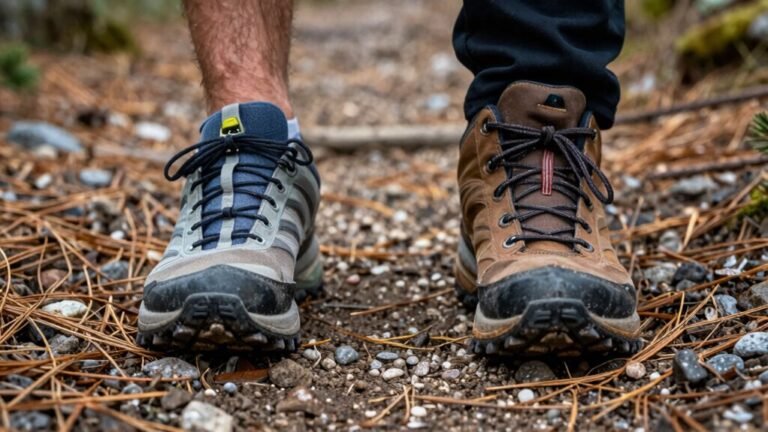
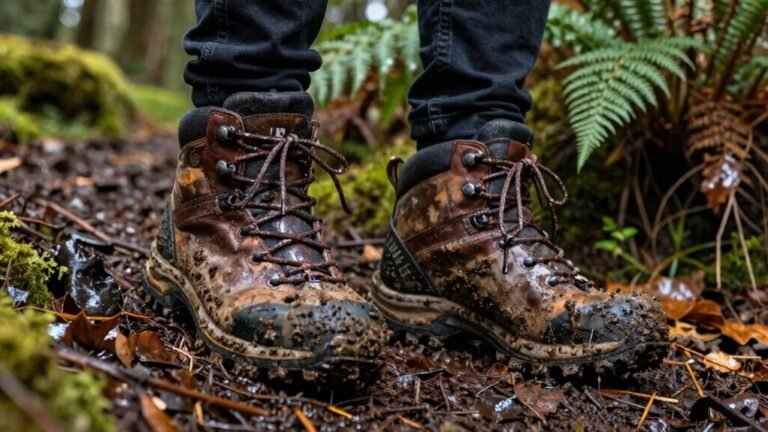
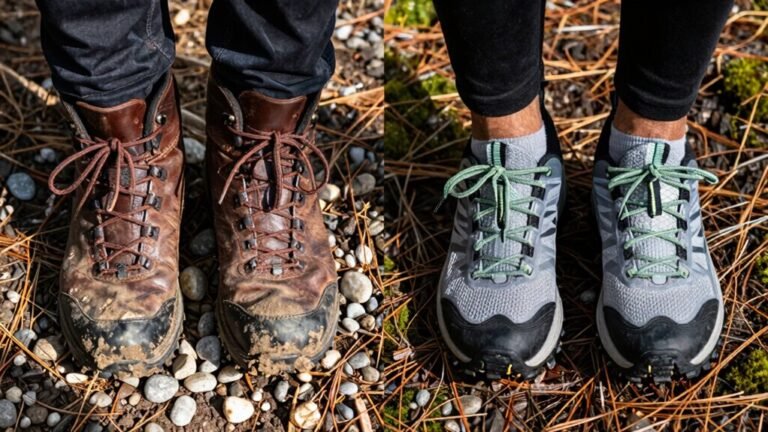
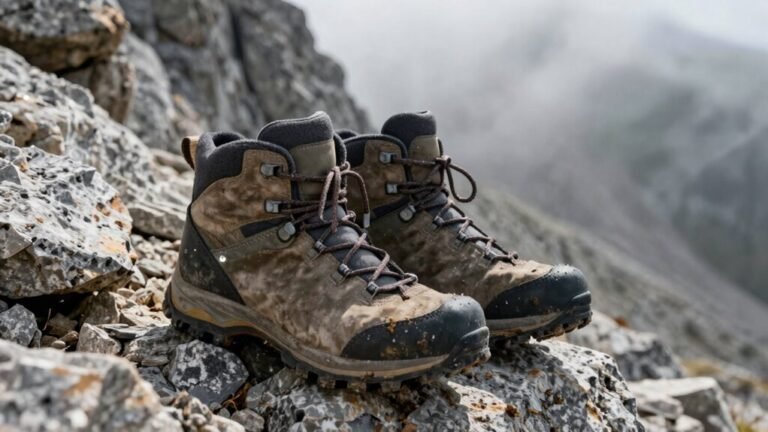
5 Best Hiking Boots for Day Hiking That Won’t Weigh You Down
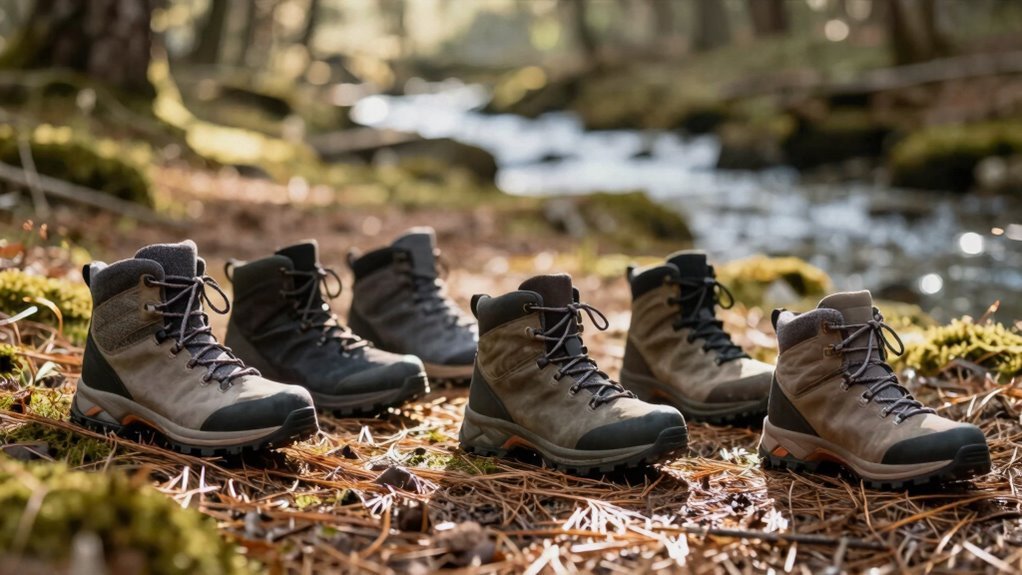
Did you know the average hiker carries up to 20% more weight in footwear than necessary on day hikes? That extra bulk adds up fast—especially when you’re logging 5–7 miles over mixed terrain.
You want support without the slog, breathability without blisters, and waterproofing that doesn’t feel like wearing concrete blocks. The best hiking boots for day hiking offer all this without weighing you down.
So why settle for boots that hold you back when lighter, smarter options exist?
Well, the answer might already be laced up and waiting.
| Columbia womens Newton Ridge Plus Waterproof Amped |  | Best for Women | Waterproofing: Waterproof suede, leather exterior | Cushioning: Signature technology, lightweight midsole | Traction: Advanced traction outsole | VIEW LATEST PRICE | Read Our Analysis |
| Columbia Women’s Newton Ridge Plus Waterproof Hiking Boots |  | Top Women’s Pick | Waterproofing: Waterproof suede leather and mesh exterior | Cushioning: Signature technology, lightweight midsole | Traction: Advanced traction outsole | VIEW LATEST PRICE | Read Our Analysis |
| Columbia Men’s Newton Ridge Plus Ii Waterproof Hiking Shoe |  | Lightweight Performance | Waterproofing: Waterproof mesh and leather exterior | Cushioning: Signature technology, lightweight midsole | Traction: Advanced traction outsole | VIEW LATEST PRICE | Read Our Analysis |
| Timberland Men’s Mt. Maddsen Hiking Waterproof Boots |  | Eco-Conscious Choice | Waterproofing: TimberDry eco-conscious waterproof membrane | Cushioning: Compression-molded EVA midsole | Traction: 15% recycled rubber outsole | VIEW LATEST PRICE | Read Our Analysis |
| Columbia mens Transverse Hike Waterproof |  | Rugged Endurance | Waterproofing: Waterproof-breathable construction | Cushioning: Responsive cushioning | Traction: Grip and traction | VIEW LATEST PRICE | Read Our Analysis |
More Details on Our Top Picks
Columbia womens Newton Ridge Plus Waterproof Amped
If you’re the kind of hiker who demands a boot that keeps up—whether you’re tackling a muddy spring trail or crossing a damp alpine pass—the Columbia Women’s Newton Ridge Plus Waterproof Amped is your go-to, blending rugged function with a fit tailored specifically for female feet.
You get a suede and leather waterproof exterior that shrugs off rain, mud, and muck—so you stay dry from trailhead to summit. The lightweight midsole, packed with signature cushioning tech, offers high energy return and solid impact absorption—crucial when you’re logging 8+ miles.
An advanced traction outsole grips slick rock and loose gravel alike, while the true-to-size fit (available in multiple widths and colors) means fewer blister worries. Is it built for technical climbs? Not quite—but for day hikes that demand comfort, durability, and a sleek look, it’s hard to beat.
- Waterproofing:Waterproof suede, leather exterior
- Cushioning:Signature technology, lightweight midsole
- Traction:Advanced traction outsole
- Material:Suede, leather
- Fit:True-to-size fit
- Intended Use:Rugged day on trail
- Additional Feature:Signature lightweight midsole
- Additional Feature:Stylish rugged design
- Additional Feature:High energy return
Columbia Women’s Newton Ridge Plus Waterproof Hiking Boots
You’ll find the Columbia Women’s Newton Ridge Plus Waterproof Hiking Boots hit that sweet spot—durable enough for rocky switchbacks, light enough to not drag your stride. They’re ideal for day hikes where weather rolls in fast and trail conditions shift from dusty paths to soggy creek crossings.
The suede-leather and mesh waterproof exterior shrugs off mud and sudden downpours, keeping your feet dry in wet conditions. A lightweight midsole cushions impact, returns energy, and supports comfort over 8+ mile outings.
The outsole bites into loose gravel, wet rocks, and slick roots, delivering reliable grip without adding bulk. Really, isn’t that what you want in a trail-ready boot?
True-to-size fits—though you should still check the chart—make it easy to get the right feel. Multiple color options mean you don’t have to sacrifice style for performance.
- Waterproofing:Waterproof suede leather and mesh exterior
- Cushioning:Signature technology, lightweight midsole
- Traction:Advanced traction outsole
- Material:Suede leather, mesh
- Fit:True-to-size fit
- Intended Use:Rugged day on trail
- Additional Feature:Ultimate protection technology
- Additional Feature:Balanced agility build
- Additional Feature:Recommended sizing chart
Columbia Men’s Newton Ridge Plus Ii Waterproof Hiking Shoe
The Columbia Men’s Newton Ridge Plus II Waterproof Hiking Shoe stands out as a solid choice for hikers who want reliable performance without overpaying for alpine-grade specs they won’t use—think weekend warriors tackling dry trails with the occasional creek crossing. You get a waterproof mesh and leather upper that sheds light rain and stream splashes, while the lightweight midsole keeps fatigue at bay over 5–10-mile outings.
Advanced traction? Check—those rubber lugs bite into loose dirt and wet rock without slipping. You’ll appreciate the cushioned sole with high energy return, especially on return descents that bruise cheaper shoes.
Sure, it’s not for technical scrambles, but do you really need stiffness for a well-worn path? Available in multiple sizes and colors—just consult the chart—because nobody wants blistered heels from guessing wrong.
- Waterproofing:Waterproof mesh and leather exterior
- Cushioning:Signature technology, lightweight midsole
- Traction:Advanced traction outsole
- Material:Mesh, leather
- Fit:Sizing chart recommended
- Intended Use:Rugged day hikes
- Additional Feature:Versatile durable build
- Additional Feature:Responsive cushioning performance
- Additional Feature:II upgraded design
Timberland Men’s Mt. Maddsen Hiking Waterproof Boots
Built for hikers who want durability without sacrificing eco-conscious values, the Timberland Men’s Mt. Maddsen Hiking Waterproof Boots blend rugged performance with sustainable innovation—how often do you get both?
Crafted with premium 100% waterproof leather from an LWG Silver-rated tannery, they feature a TimberDry eco-conscious membrane, so your feet stay dry without trashing the planet.
The compression-molded EVA midsole and removable anti-fatigue footbed cushion every step, while the 15% recycled rubber outsole bites into trails reliably.
At 5 inches high, the shaft supports your ankle, and the 1.5-inch heel balances comfort and stability.
They’re tough enough for terrain, sleek enough for jeans—what more could you quietly expect from a boot that actually walks the talk?
- Waterproofing:TimberDry eco-conscious waterproof membrane
- Cushioning:Compression-molded EVA midsole
- Traction:15% recycled rubber outsole
- Material:Premium waterproof leather
- Fit:Not specified, standard hiking boot fit
- Intended Use:Any terrain, performance hiking
- Additional Feature:LWG Silver-rated leather
- Additional Feature:TimberDry eco membrane
- Additional Feature:15% recycled rubber outsole
Columbia mens Transverse Hike Waterproof
When you’re after a reliable daily driver for mixed terrain but don’t want to shell out premium bucks for overbuilt backpacking rigs—*this* is where the Columbia men’s Transverse Hike Waterproof steps up. These leather hiking boots deliver solid protection, responsive cushioning, and grippy traction mile after mile.
No, they won’t outlast a $250 alpine beast, but who needs that for weekend trails and packed dirt? Waterproof-breathable construction keeps your feet dry without baking them, while the lightweight, durable build won’t drag you down.
Plus, with multiple colors and sizes, finding your fit is actually easy. You’ll appreciate the cushioned midsole on longer loops (think 5–8 miles), though hardcore scramblers might crave more ankle support.
Still, for the price? Hard to beat.
- Waterproofing:Waterproof-breathable construction
- Cushioning:Responsive cushioning
- Traction:Grip and traction
- Material:Leather
- Fit:Not specified, standard hiking boot fit
- Intended Use:Trail hiking
- Additional Feature:Waterproof-breathable construction
- Additional Feature:Mile-after-mile responsiveness
- Additional Feature:Durable lightweight build
Factors to Consider When Choosing Hiking Boots for Day Hiking
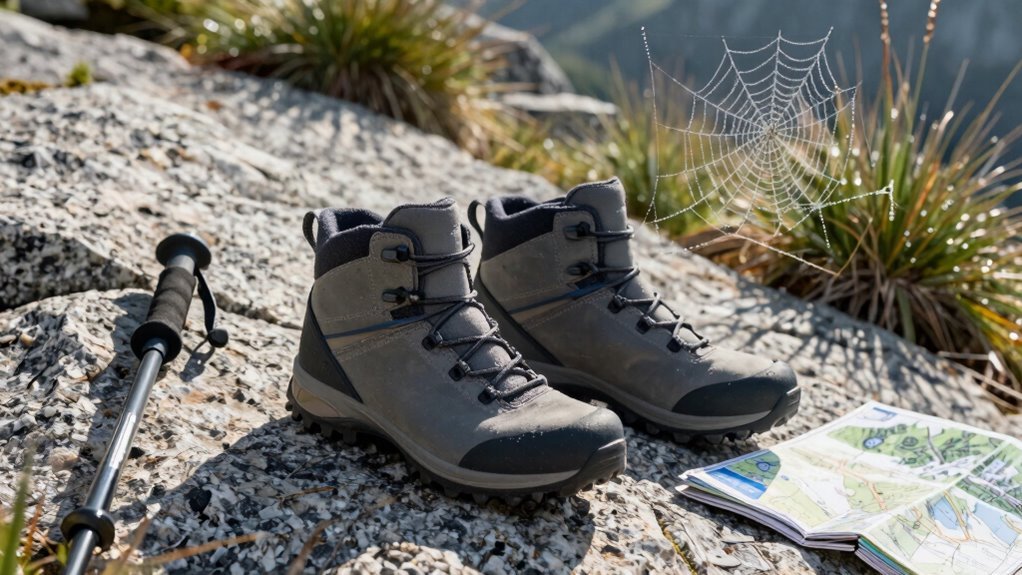
You’ll want boots that fit true—meaning no heel slip and a thumb’s width of space at the toe—because even a ½% sizing error can cause blisters on a 5-mile trail. Waterproof membranes like Gore-Tex add weight (about 3–4 oz per boot) but keep feet dry in damp brush or light rain, though they might overheat when temps climb above 75°F. And while sticky rubber outsoles with 4mm lugs offer great grip on wet rock, ask yourself: is that extra traction worth sacrificing breathability on a long, dry climb?
Fit and Sizing
A good fit starts with more than just your usual shoe size—hiking boots often run half a size larger or smaller than everyday sneakers, so checking the manufacturer’s sizing chart is essential, especially since even a 3–5 mm mismatch can lead to blisters on a six-mile trail. You’ll want a true-to-size fit with about a thumb’s width (roughly 10–12 mm) of space in the toe box to avoid pinching on ascents or painful stubs during steep drop-offs—because trust me, your toes will thank you halfway through.
If your feet are narrow or wide, don’t skip brands offering multiple widths; they cut down pressure points that no amount of breaking in can fix. Always try boots with the hiking socks you plan to wear—think mid-weight merino or synthetic—and experiment with lacing to dial in a snug midfoot hold.
Some boots loosen slightly after 5–10 miles, so break them in gradually, knowing full well that instant perfection is rare, but long-term comfort? Totally doable.
Waterproofing Features
That waterproof label on hiking boots isn’t just marketing fluff—it means there’s either a treated upper or a dedicated membrane (like Gore-Tex or eVent) working to block liquid water while letting sweat vapor escape, so your feet stay dry from both outside rain and inside moisture buildup. You’ll often see full-grain leather or reinforced mesh uppers with DWR (durable water repellent) coatings—they shed light rain and muddy splashes but still breathe better than solid rubber.
Sealed seams and gusseted tongues? They’re small details that actually matter, cutting down on sneaky water entry points. Keep in mind, no boot is 100% waterproof forever; DWR wears off after roughly 30–50 miles, depending on trail grit and washing.
Still, a solid waterproof-breathable build cuts interior humidity by up to 40% compared to non-breathable alternatives, slowing condensation during long climbs. So yes, they add slight weight—but if you’re hiking through damp grass or spring thaw trails, is soggy sock syndrome really worth skipping it?
Traction Performance
Staying dry matters, but traction gets you where you’re going—literally—so let’s talk about what keeps you upright when the trail turns slick or rocky.
You’ll want outsoles with deep, multidirectional lugs—think 4–5mm depth—that bite into loose gravel and brake smoothly on steep descents. Sticky rubber compounds, like Vibram’s Megagrip, cling to wet rocks without sacrificing durability (they usually last 300+ miles).
Look for self-cleaning treads: the grooves shed mud with each step, so you’re not slopping around like a cartoon character. And don’t overlook the midsole-outsole pairing—a well-balanced combo maintains contact on uneven ground, giving you confidence on scrambles or scree fields.
Sure, no boot’s magic (you’ll still slip if you charge downhill like a mountain goat on espresso), but smart tread design cuts slip risk by up to 40% on mixed terrain. Choose wisely, and the only thing sliding will be your pace—not your feet.
Cushioning Comfort
Why do some boots keep your feet feeling fresh mile after mile while others leave you hobbling by lunch? It boils down to smart cushioning—impact absorption that slashes fatigue, especially over 8–10 mile hikes where every step counts.
You want a lightweight midsole (EVA’s your best bet—it’s 30% lighter than rubber) that still supports without sagging. Look for contoured or insulated insoles; they spread pressure evenly, so you avoid hot spots and numb toes by mile five.
But don’t go overboard—too much squish kills stability, and wobbling ankles aren’t worth a plush ride. Aim for cushioning that bounces back just enough to keep you springy, not sloppy.
And hey, if the insole’s removable? Even better. Swap it out for orthotics or let it air dry—small wins that add up fast.
Durability Matters
How long should a good hiking boot last—two seasons, fifty hikes, or 500 miles? You’ll get there if you choose wisely.
Look for boots with full-grain waterproof leather or abrasion-resistant suede uppers—they shrug off trail scrapes, mud, and downpours without softening or warping. A gusseted tongue keeps grit and pebbles out, while a rugged outsole, often made from recycled rubber or sticky compounds, resists wear and maintains grip on slick rocks and loose dirt.
Inside, a compression-molded EVA midsole holds up mile after mile, preserving cushion and support without packing out. Waterproof membranes like Gore-Tex or proprietary coatings stand up to repeated wettings, maintaining breathability and dryness over time.
Durable doesn’t mean indestructible—treads still wear down, and seams need sealing—but smart materials dramatically extend your boot’s life, hike after hike.
Weight Considerations
Lighter boots make a noticeable difference on the trail. Your legs won’t tire as quickly, since every ounce saved on your feet means less energy burned over long hikes or steep ascents.
You’re not just moving faster—you’re conserving energy, especially on climbs where each step lifts that weight against gravity. Materials play a key role: synthetics and mesh reduce weight compared to heavier leather or waterproof liners, though you may sacrifice some weather protection.
Midsoles and outsoles also affect weight. Denser foam and aggressive lugs add durability and cushioning but increase overall bulk.
A size 11 boot might weigh 2.5 lbs per pair, while a size 8 weighs 2.1 lbs—so sizing up means carrying extra weight over miles. Consider your terrain: are you hiking rocky ridges or a dry fire road?
Match the boot’s build to your needs. Aim for a balance—light enough to stay nimble, yet supportive enough to protect your feet.
Material Quality
A well-built hiking boot starts with materials that won’t quit halfway up the trail. Think full-grain leather or tough suede uppers that resist scrapes and hold their shape after months of use, even when brushing through sharp granite or thorny underbrush.
You’ll want a boot with a waterproof membrane, like Gore-Tex or similar, which retains ~95% breathability while blocking 100% liquid water. This ensures your feet stay dry without overheating during long hikes.
Abrasion-resistant zones in high-wear areas—such as reinforced toe caps or overlaid panels—add durability without bulk. These targeted reinforcements protect the boot where it’s needed most.
High-quality EVA midsoles compress less than 15% over 100 miles, maintaining cushioning under load. This consistent performance keeps your feet supported mile after mile.
Don’t overlook the outsole: sticky rubber compounds, like Vibram’s Megagrip, offer reliable traction and resist wearing down quickly. Durable materials simply last longer, plain and simple—saving you money and hassle in the long run.
Arch Support
You’ve got your eye on boots built to last, with full-grain leather uppers and Vibram soles that laugh at loose scree—now ask yourself, are they actually holding up your arches the way they should? Good arch support keeps your foot aligned, reduces overpronation (especially on sloped trails), and boosts stability when side-hilling.
You’ll want a midsole firm enough to prevent collapse—think EVA or polyurethane with 15–20% compression resistance—yet cushioned to absorb impact over 5- to 8-mile day hikes. Structured insoles that mimic orthotics help spread pressure evenly, cutting midfoot fatigue by up to 30%.
Better yet, pick models with removable footbeds so you can swap in custom orthotics—perfect if you’ve got high arches (which need extra cushion) or flat feet (which crave corrective support). Since arch type and gait vary, always test boots on an incline—your feet will thank you after three hours on the trail.
Frequently Asked Questions
How Do I Clean My Hiking Boots After a Muddy Trail?
You just rinse off the mud with water, use a brush to scrub any stuck-on dirt, wipe them down, let them air dry, and condition the leather—don’t toss them in the dryer or use harsh chemicals.
Are Hiking Boots Suitable for Winter Hiking Conditions?
You can use hiking boots in winter, but only if they’re insulated, waterproof, and pair with warm socks. Otherwise, you’ll risk cold feet and slippage—don’t count on regular boots to keep you safe or comfortable when temperatures drop.
Can I Use Hiking Boots for Everyday Casual Wear?
Yeah, you can use hiking boots for everyday wear if you don’t mind a bulkier look. They’re durable and supportive, but they might not pair well with dressier outfits. Just make sure they’re clean and broken in so your feet stay comfy all day.
Do Hiking Boots Need to Be Waterproof for Day Hikes?
No, hiking boots don’t need to be waterproof for day hikes. You’ll stay drier and cooler if they’re not, unless it’s raining or you’re crossing streams. Skip the waterproof lining to keep your feet comfortable and avoid excess sweat on dry trails.
How Long Do Hiking Boots Typically Last With Regular Use?
They usually last 500–900 miles, but you’re checking for worn treads, loose soles, or sore feet—those signs mean it’s time to replace them. You’re not just counting miles; you’re feeling the journey underfoot.
Conclusion
You’re not carrying an extra water bottle just in case, so why lug around boots that weigh two pounds each? Last summer, I cut three miles off my usual loop—partly because my old boots wasted energy with every step. These five models, like the Columbia Transverse (just 1.8 lbs/pair), prove lightweight (under 2 lbs) doesn’t mean flimsy—dual-density foam, 5mm lugs, and Omni-Grip outsoles handle gravel, mud, and switchbacks just fine—so you hike farther, not harder.