Common Keeping Gear Dry Mistakes and Easy Fixes
You’re probably skipping seam sealing, and that’s how leaks sneak in—seal those tiny stitch holes to keep your gear dry. This simple step makes a big difference in waterproof performance.
Storing wet gear? Don’t trap it in dark bins; let it breathe to prevent mold and mildew. Zippers stick when dirty, so clean them gently and use beeswax, not WD-40, for smooth operation.
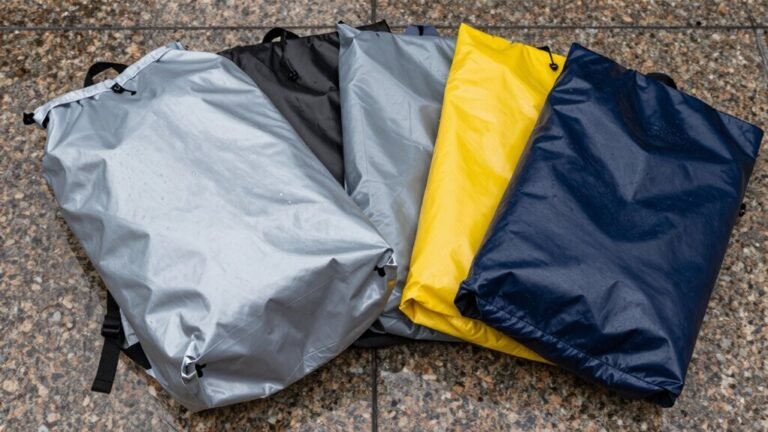
Regular stuff sacks soak up rain like sponges—switch to waterproof roll-tops to keep your gear dry. And remember, “water-resistant” won’t save your sleeping bag; you need truly waterproof protection.
Condensation hacks your pack too, so air things out after each use. Never stash damp clothes together—mold thrives in moist, enclosed spaces.
Skipping Seam Sealing on Tents and Rainwear
Ever wonder why your tent leaks even when it’s not supposed to?
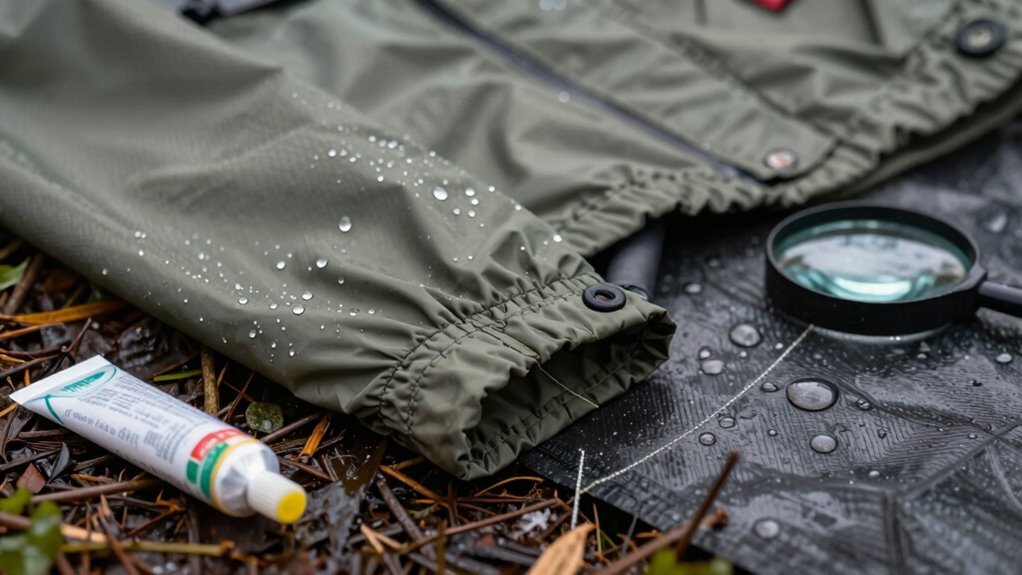
Well, here’s a secret: those tiny stitch holes along the seams are likely letting water sneak in.
If you skip seam sealing, you’re basically inviting rain to crash your outdoor adventure.
Most lightweight tents don’t come pre-sealed unless you pay extra, so it’s on you to fix those weak spots.
Unsealed seams? They’re like open doors for moisture.
But don’t sweat it—sealing them is easy and cheap!
Just pick the right sealant for your fabric, clean the seams, and brush on a smooth layer.
Let it dry completely—no shortcuts!
Reapply after heavy use, and test with a quick spray of water.
Do this, and you’ll laugh in the face of downpours.
Seriously, your tent will thank you.
Seam sealing creates a waterproof barrier that blocks moisture through stitch holes.
Storing Wet Gear Without Proper Ventilation
Letting your gear air out like it’s lounging on a beach vacation might sound lazy, but it’s actually your best move after a muddy, rain-soaked trip.
Storing wet gear without airflow is begging for mold and mildew to throw a rave inside your backpack.
Those funky smells? Yep, that’s moisture throwing a tantrum.
Trapped vapor condenses into liquid, breaking down waterproof coatings and rotting synthetic fabrics over time—no joke.
Don’t toss your tent into a dark bin like last week’s laundry.
Hang it up, open all the zippers and vents, and let it breathe.
Fans help speed things up, especially before winter storage.
Use breathable cotton bags, not plastic ones, and toss in a few silica gel packs to keep things dry.
Your sleeping bag will thank you.
Think of it as spa day for your gear—relax, refresh, and avoid costly replacements later.
Always dry before storage to maintain insulation performance and prevent long-term damage.
Overlooking Zippers and Closure Points
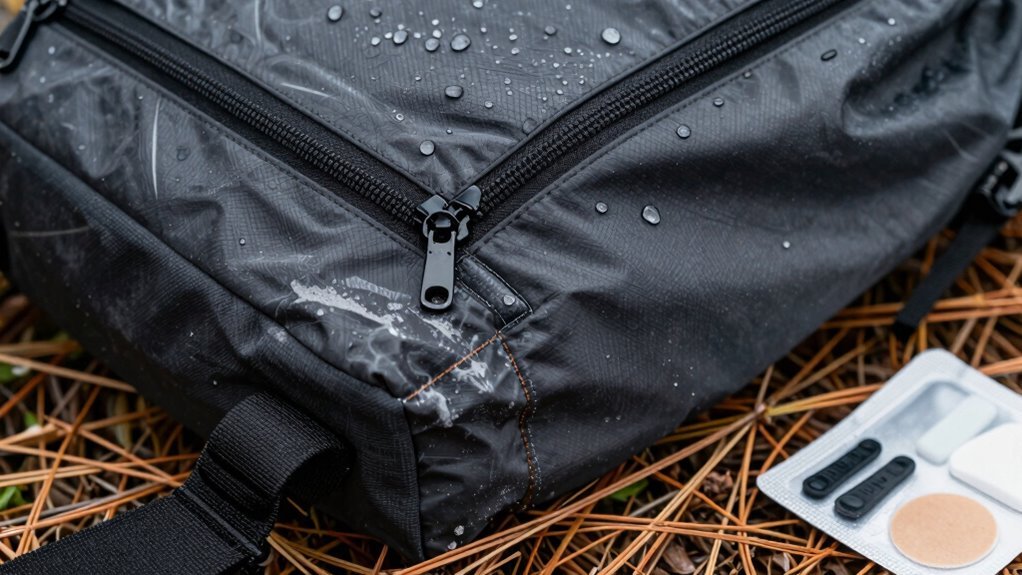
Why do zippers always seem to fail at the worst possible moment? Because you’re probably overlooking them!
Dirt, sand, and salt love to sneak into zipper teeth, making them stick or break when you need them most.
And yanking a stuck zipper? That’s begging for a bent slider or torn tape.
Stop, take a breath, and ease it back instead.
Skip the oil-based lubes—they attract grime like a magnet.
Go for silicone, beeswax, or zipper-specific stuff.
Clean zippers first with a soft brush or microfiber cloth; scrubbing too hard only damages them.
And please, don’t stow gear with zippers scrunched up—unzip fully (except waders!).
Storing them bent stresses the mechanism, leading to cracks.
A little cleaning and lube every few months keeps zippers gliding smoothly, rain or shine.
Your future self will thank you—zipper meltdowns are *so* not part of the adventure vibe.
Always inspect for debris before zipping, as debris prevention for zipper teeth can save you from mid-adventure failures.
Using Non-Waterproof Stuff Sacks for Critical Items
How’s your sleeping bag feeling—coozy and dry, or more like a soggy sponge from last night’s storm?
If you’re using a regular stuff sack, that down puffball might be soaking wet by morning, thanks to sneaky rain or a leaky water bottle.
Standard silnylon or compression sacks don’t stand a chance in heavy rain—they absorb water like a thirsty sponge.
Your insulation layers? Also toast.
But here’s the good news: switching to a waterproof sack is a total game-changer.
Try Sea to Summit’s Ultra-Sil or Osprey’s Ultralight Dry Sack—they block water without adding much weight.
Roll-tops seal tight, and taped seams keep everything bone-dry, even in biblical downpours.
Pair them with a pack liner and you’ve got a dry gear fortress.
Trust us, your future self will high-five you when you crawl into a warm, dry sleeping bag instead of a swamp.
Ignoring Condensation Inside Packs and Bags
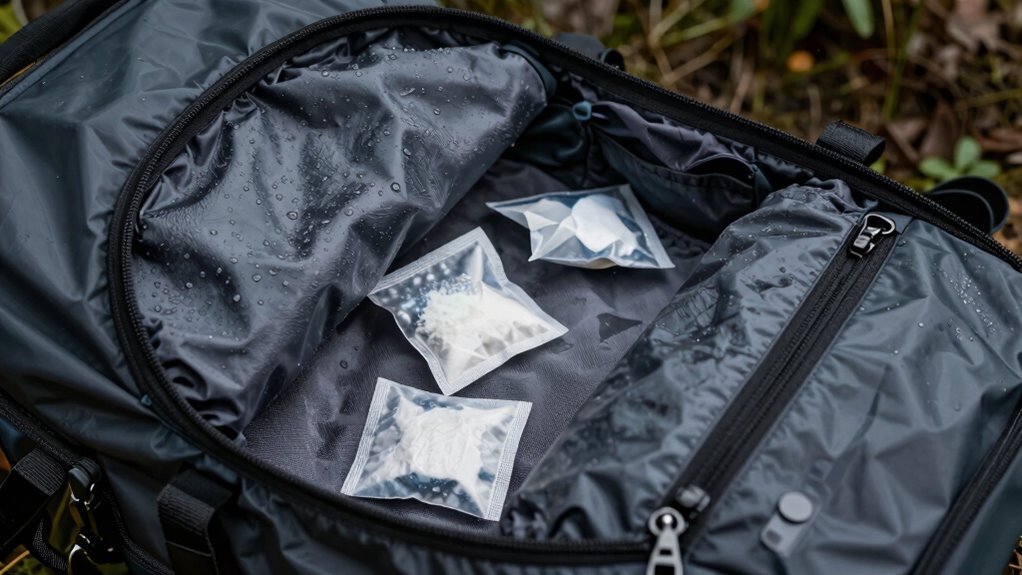
You’ve got your sleeping bag locked down in a waterproof sack, and that’s awesome—rain won’t turn your cozy into a wet noodle. But here’s the sneaky truth: condensation inside your pack can still soak your gear, even when it stays dry outside.
Breathing into air pads pumps in moist air that turns into water droplets inside, wrecking seals over time. Ground moisture sneaks up through your tent floor and settles under your pad, especially if your footprint’s got pinholes.
Storing wet gear together? That’s a humidity party waiting to happen. Don’t pack damp tents or sleeping bags—mold loves that.
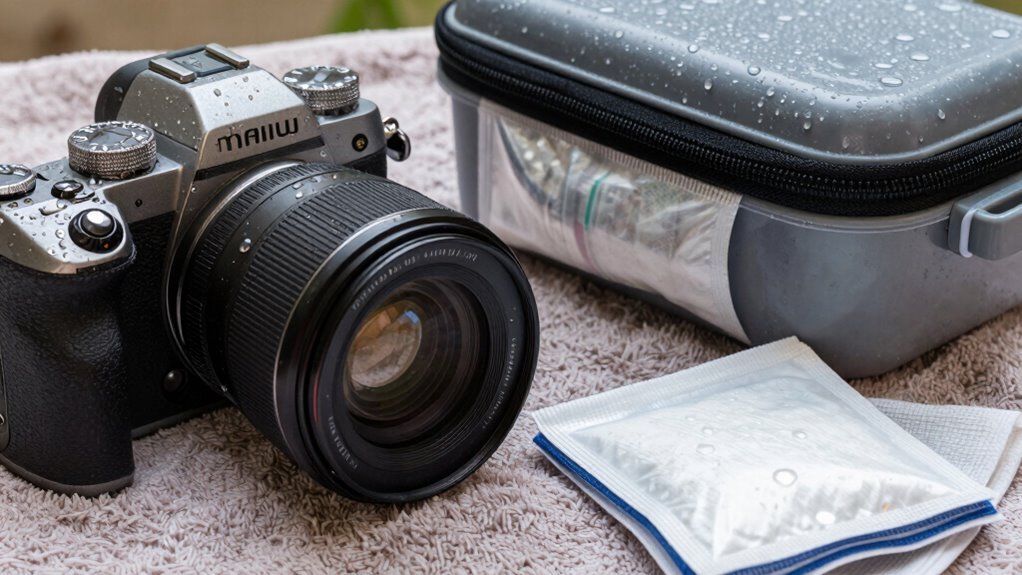
And if you’re tossing electronics in dry bags without silica gel, you’re asking for trouble.
Air that pad out with an air pump, wipe down condensation with a microfiber towel, and let everything breathe before packing.
A quick dry in the morning saves your gear later—simple, smart, and seriously effective.
Drying Electronics the Wrong Way
Ever yanked your phone from a puddle and thought, “No problem, I’ll just pop it in the rice”? Spoiler: that’s not helping.
Rice doesn’t suck out moisture fast or well—and it leaves dusty gunk in your ports.
Skip the microwave, oven, hair dryer, or heat gun too; those fry your insides like a fried egg on a dashboard.
Even direct sunlight’s a no-go—your screen might as well be toast.
And don’t shake it like a maraca or blast it with canned air; you’ll just push water deeper.
Worst? Turning it on too soon.
Boom—short circuit.
Instead, power down immediately, wipe it down, and let it air-dry in a warm, dry spot.
Toss in a few silica gel packs if you’ve got ‘em—they actually work.
Your phone’s not toast… yet.
Packing Damp Clothing With Dry Layers
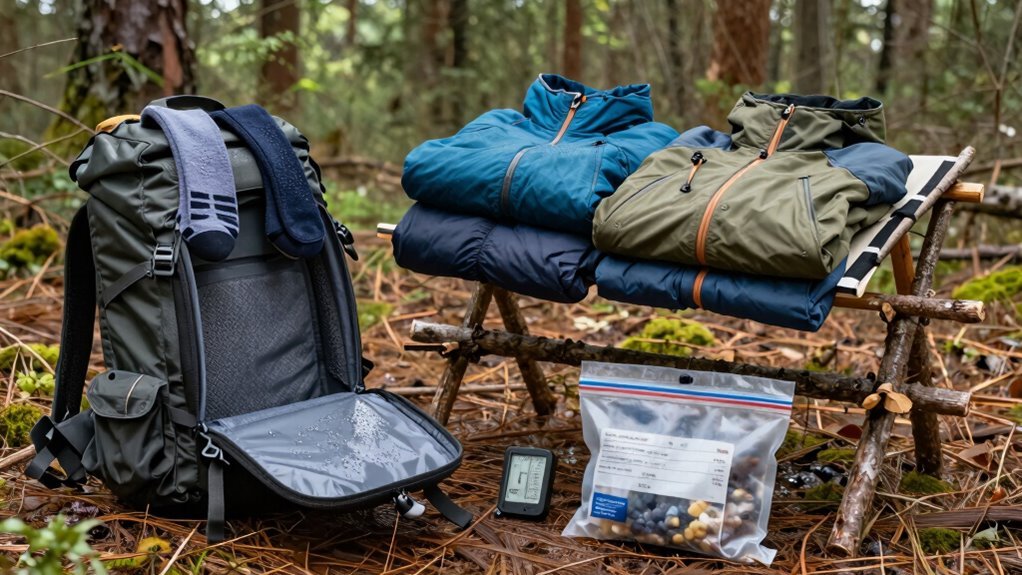
If you’ve ever thrown a slightly damp shirt into your pack only to find your whole load smelling like a wet dog by day three, you’re not alone. Damp clothes sneakily spread moisture, turning cozy layers into soggy, stinky nightmares. Wet cotton stays damp overnight, and soon your sleeping bag feels like a swamp.
Down loses warmth, your pack gets heavier, and hypothermia becomes a real risk—no fun on the trail! But don’t sweat it—fixes are easy. Hang damp gear in mesh bags outside your pack so it dries as you hike.
Use waterproof stuff sacks or trash compactor bags to keep dry items safe and separate. Or get creative: wear that damp shirt while trekking or stash it in your sleeping quilt at night—your body heat works like a mini dryer!
With a few smart tweaks, you’ll keep your gear dry, light, and ready for adventure—every single day.
Assuming “Water-Resistant” Means “Waterproof”
Just because your jacket says “water-resistant,” don’t go chasing waterfalls expecting to stay dry—spoiler: you won’t.
Water-resistant gear fights light rain and splashes, but once the downpour starts, it soaks through, leaving you cold and soggy.
Waterproof? That’s your true all-weather warrior, built to block water completely, even in storms. Don’t let marketing buzz fool you—know the difference before you get caught out there. Stay smart, stay dry, and pick the right protection.
- Water-resistant = light rain; waterproof = heavy storms
- Reapply DWR spray to boost your jacket’s beading power
- Look for seam-sealed labels—true waterproof needs every gap covered
- Test gear first; upgrade when weather turns wild—your comfort depends on it
Frequently Asked Questions
How Often Should I Reapply Waterproofing Treatments to My Gear?
You should reapply waterproofing every 6 to 12 months, or more if you’re out in the rain often—think mid-season for heavy use.
Check your jacket: if water stops beading and starts soaking in, it’s time.
Wash it first with tech wash, then spray on a DWR treatment.
Treat it like a quick tune-up, not a chore.
Your gear’ll stay dry, you’ll stay happy, and hey, nobody likes a soggy hike!
Can I Use Regular Plastic Bags Instead of Dry Bags?
Nope, regular plastic bags just won’t cut it instead of dry bags.
They tear easily, leak under pressure, and hate being underwater.
You’ll be stuck with soggy gear while your buddy’s stays cozy and dry.
Dry bags roll shut tight, shrug off rough surfaces, and handle dunkings like pros.
Think of plastic bags as rain ponchos—fine for drizzles, useless in a downpour.
Stick with real dry bags, and you’ll laugh when the river tries to win.
Is It Safe to Dry Wet Gear Near a Campfire?
Yeah, it’s totally safe to dry wet gear near a campfire—if you play it smart.
Keep your clothes at least five feet away from flames, upwind to dodge embers, and never leave them unattended.
Hang them high where warm air rises but flames don’t reach.
Rotate items so they dry evenly without melting.
And hey, unless you *want* a holey sweater, skip draping synthetics right over the fire.
A little attention keeps your gear toasty, dry, and drama-free!
Do I Need to Waterproof New Trekking Poles or Stakes?
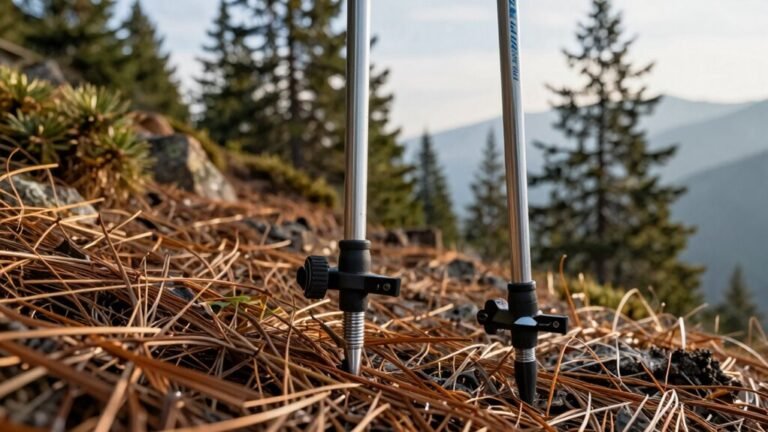
Nope, you don’t need to waterproof new trekking poles or stakes—nature’s already handed you armor.
Aluminum and carbon fiber shrug off rain like a duck’s back, while titanium stakes laugh at puddles.
Think of them as your trail-hardy sidekicks, born ready.
Just rinse, dry, and they’ll stick around for adventures longer than your playlist.
Skip the sealants; they’re built tough, not needy.
Will Silica Gel Packs Help Protect Electronics From Moisture?
Yes, silica gel packs will absolutely help protect your electronics from moisture—I’m like tiny bodyguards for your gadgets.
You toss them in your case, and they quietly suck up dampness before it causes trouble.
They’re safe, cheap, and reusable if you bake ’em.
Just don’t expect miracles in monsoon-level humidity.
Pop in a few, add a humidity card, and sleep easy knowing your gear’s dry and happy.
Conclusion
You’ve got this—keeping your gear dry isn’t a magic trick, just smart moves. Skip the soggy surprises by sealing seams, airing things out, and upgrading those flimsy stuff sacks. Zippers? They’re sneaky little gateways for water. And hey, “water-resistant” isn’t nature’s kryptonite—don’t trust it in a downpour. Toss damp clothes in separately, let electronics breathe (rice bowls are drama queens), and condensation? It’s just your pack’s way of sweating. Stay sharp, stay dry, and laugh when it pours—it means you’re ready.
References
- https://otegotextile.com/news/what-is-seam-sealing-step-a-complete-guide/
- https://merinoprotect.com/blogs/outdoor/how-to-waterproof-a-tent
- https://faroutguides.com/why-you-should-seam-seal-your-tent-before-your-thru-hike/
- https://www.ultramarxl.com/en/blogs/blog/seams-tent-waterproofing-tips
- https://www.pomoly.com/Seal-Seams-101-Essential-Tips-for-Waterproofing-Your-Tent-a709791.html
- https://www.youtube.com/watch?v=4TYFz3QSKk8
- https://seekoutside.com/how-to-seam-seal-a-tent/
- https://nortent.com/blogs/our-choices-1/seamsealing-what-why
- https://cascadedesigns.com/blogs/msr-gear-guides/4-tips-to-extend-the-life-of-your-outdoor-gear
- https://seatosummit.eu/blogs/product-care/condensation-and-what-you-can-do-about-it