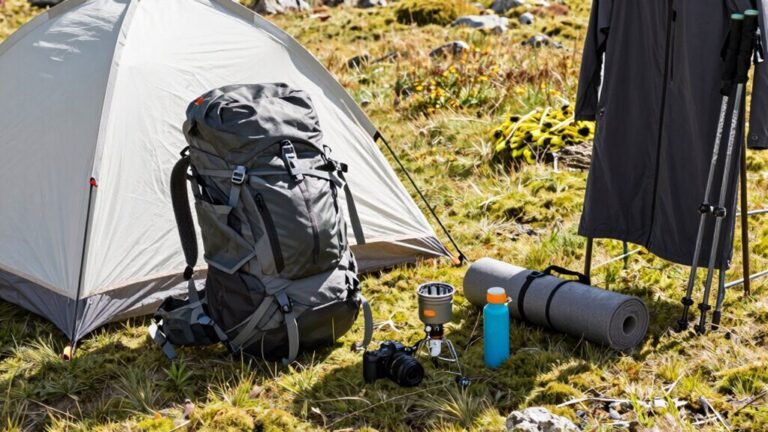
Hydration Vs Boots: Which Should You Pick?
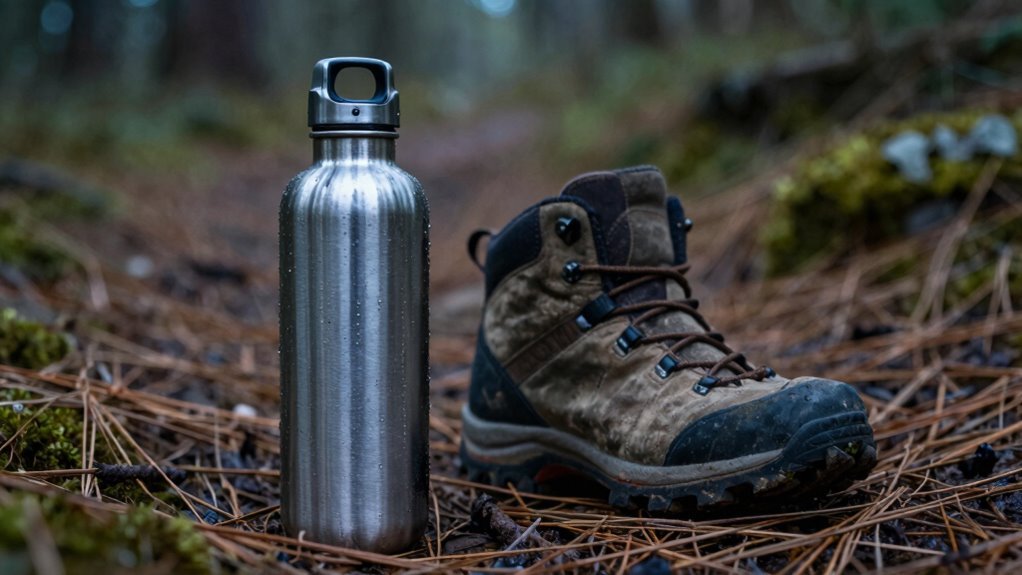
You can’t go far without good boots or a solid hydration pack—your feet will thank you for the support, and your throat will thank you for the water. Hydration and boots are both essential for a successful trail experience, each playing a crucial role in comfort and endurance.
Think of them as trail besties: boots carry your cargo (and your socks), while the hydration pack keeps you sipping smoothly. Pick one? Nah, pick both. They work together to keep you moving strong mile after mile.
Understanding Hydration Packs: Design and Functionality
Ever wonder how you can sip water without stopping mid-hike?
You’ve got hydration packs to thank.
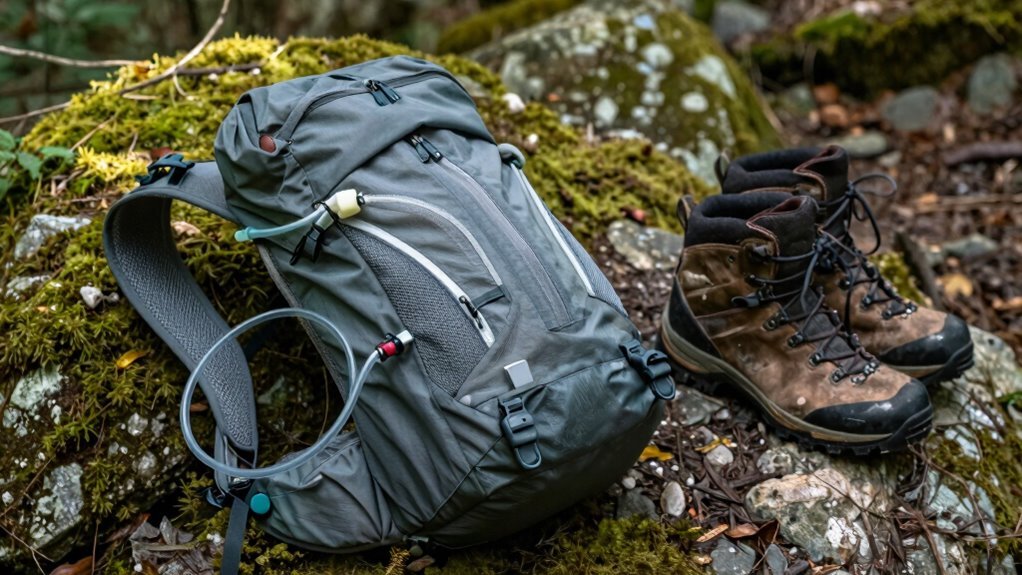
These smart packs hold a flexible, BPA-free bladder (2L to 3L) tucked in a special sleeve, staying upright with a handy hook and loop strap.
Need a refill? Just unzip and go—thanks to the wide mouth opening.
A long tube runs from the bladder, through your pack and shoulder strap, ending at a bite valve.
Bite it, and water flows; let go, it seals—no leaks, no mess.
It’s like magic, but real.
Insulated tubing keeps sips cool or prevents freezing when it’s chilly.
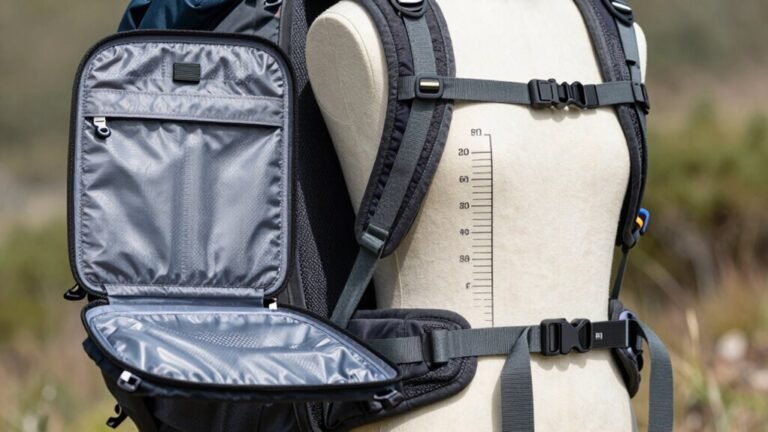
Hose portals and magnetic clips keep everything tidy and close.
With dual routing options and stretchy pockets, your pack’s built for comfort and convenience.
Lightweight, breathable, and designed to move with you, hydration packs don’t just carry water—they make staying refreshed downright easy.
They come in either back-sitting or waist-sitting styles depending on your activity needs.
Who knew drinking could be this fun?
The Role of Boots in Carrying Essentials
You’ve got your hydration pack snug on your back, sipping water like a trail pro, but let’s not forget what’s on your feet—your boots are doing way more than just walking.
They’re hauling your adventure, one sturdy step at a time. Think of them as your gear’s MVP, keeping everything balanced and secure.
- Your backpacking boots laugh at 70-liter loads, making multiday trips a breeze.
- Need to sneak socks and undies into your suitcase? Stuff ’em in your boots—space-saving hack!
- Heavy-duty soles? They grip wet rocks like a drama series cliffhanger.
- Full-grain leather shrugs off scrapes, protecting both you and your pack’s precious cargo.
A well-designed midsole cushioning system ensures lasting comfort under heavy loads and rugged terrain.
Who knew your feet were carrying the whole trip?
Comfort and Fit: Wearability on Long Adventures
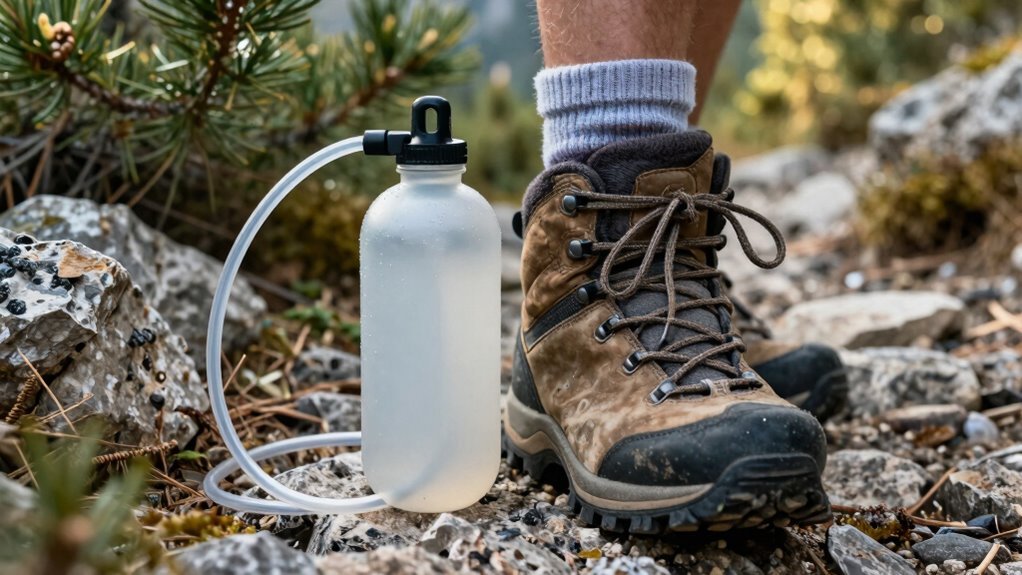
While your pack may carry the snacks and shelter, it’s your feet that truly log the miles—so picking footwear that feels like a breeze after mile ten makes all the difference. You want shoes or boots that hug your feet without strangling them, letting you stomp through streams or dance over roots with ease. Lightweight hiking shoes breathe better, reducing sweaty socks and surprise blisters—because nobody likes walking with a blister bandit on the loose.
High-cut boots offer ankle support on rocky trails, but they can feel like a steam room after hours. Low-cut styles keep things cool and nimble, especially on warm, dry paths. Either way, look for contoured footbeds and arch support—your dogs will thank you after a long day. At the end of the trail, comfort isn’t just nice—it’s everything. Hiking shoes typically weigh around ~1 pound, making them a lighter lift with each step.
Capacity and Storage: What Can You Really Carry?
How much can your pack really carry—water, gear, that surprise snack stash you’re bribing yourself with?
With hydration packs, you’ve got options.
Whether you’re sprinting up a trail or trekking all day, here’s what you can actually haul:
- Water capacity: From 0.5L ultralight bladders to massive 6L reservoirs, you can sip steady without refilling.
- Gear space: Packs range from 5L (just the basics) to over 50L for full-on survival mode.
- Pocket power: Multiple compartments keep snacks, phone, and maps snug and sorted.
- Fit for purpose: Waistpacks hold 1.5L max—great for quick runs—while backpacks carry 3L water plus day-trip essentials like extra clothes or a tiny camera.
You’re not just carrying water—you’re packing a mini survival kit, snack vault, and adventure starter pack all in one.
Accessibility and Convenience During Activity
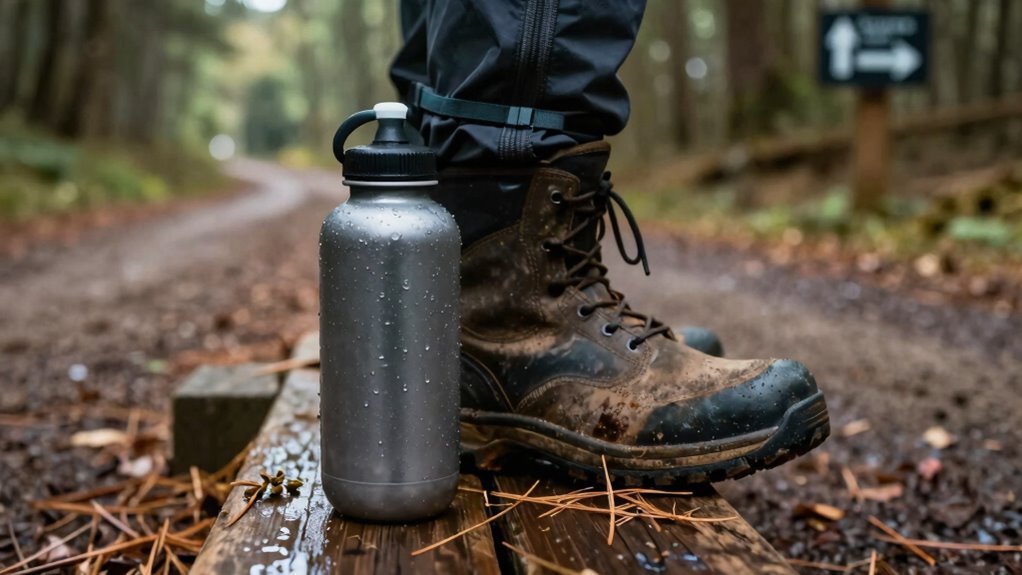
Stashed water, snacks within reach, and no fumbling mid-stride—how you grab what you need can make or break your rhythm on the move.
You’ll love sipping from a backpack’s hose while biking, no hands required—just tilt your head and chug.
But if you’re trail running, a waistpack lets you swing a bottle around fast, like a hydration holster.
Hip packs? They’re sneaky convenient, letting you grab water without pausing your mountain bike flow.
Need a snack or phone? Waist and hip packs win for quick turns and grabs, while backpacks might make you stop—or shrug off a strap like a confused turtle.
You’ll stay hydrated easier with systems that keep things in reach, not buried.
Less fuss means more fun, and hey, nobody looks cool gasping at a trailside water break.
Stay smooth, stay sipping—your adventure will thank you.
Durability and Maintenance: Long-Term Use Compared
When your adventures get rowdy, you’ll want gear that won’t tap out before you do—so let’s talk tough.
You’ve got options, but long-term durability and how much fuss you wanna deal with matter big time.
Here’s the scoop:
- Hydration packs like Osprey or CamelBak laugh at rough trails, lasting hundreds of miles—just check those bladders for sneaky leaks.
- Water bottles (looking at you, Nalgene) are tank-like champs; way tougher than squishy bladders that can tear or puncture mid-hike.
- Waistpacks? Lightweight and low-stress for quick runs, but they’re not built for epic, gear-heavy missions.
- Maintenance-wise, packs need strap tweaks and bladder babysitting, while bottles win for “set it and forget it” ease.
Bottom line: Want rugged and ready? Go pack. Prefer simple and spry? Bottle it. Either way, keep it fun—and leak-free!
Frequently Asked Questions
Can I Use Both a Hydration Pack and Boots Together?
You bet you can use both a hydration pack and boots together—they’re like trail BFFs!
The pack keeps your hands free while the boots stabilize your stride, especially when carrying heavier loads.
Water stays close to your back, and your boots keep you balanced on rough terrain.
Honestly, ditching one for the other is like bringing chips without salsa—it just works better together.
Are Hydration Packs Allowed on Airplanes?
Yes, you can bring hydration packs on planes—just make sure they’re empty during security.
Once you’re through, fill up at a water station or buy a drink and pour it in.
TSA doesn’t allow liquids over 3.4 ounces in carry-ons, but an empty bladder? No problem.
It’s like bringing a hungry water camel through the checkpoint—thirsty, but totally allowed!
Smart move for staying hydrated on the go.
Do Boots Damage Hydration Bladders if Stored Together?
No, boots won’t crush your hydration bladder, but storing them together?
That’s a sticky trap.
Damp boots add moisture, and boom—mold city for your bladder.
You’re basically inviting mildew to throw a party in your gear.
Keep them separate, like peas and toothpaste.
Dry boots in a cool spot, freeze your bladder—happy gear, no funk.
Teamwork, not roommates.
How Do I Clean a Hydration Pack’s Drinking Tube?
How tough is that gunk in your tube, really?
You bet it’s gross, but here’s the fix: disconnect the tube, grab a tiny brush, squirt in warm, soapy water, then scrub the whole thing like you’re tickling a straw.
Flush it clean, blow air through, and swing it like a lasso to dry.
Boom—crisp sips every time, no swamp monsters hiding in your sip!
Can I Refill Hydration Packs From Natural Water Sources?
You can refill hydration packs from natural water sources—just don’t skip purification!
Grab water from moving streams when possible, avoid murky or still water, and always treat it first.
Use purification tablets, a filter, or boil it to stay safe.
Think of it like a wilderness smoothie—refreshing, but only if you prep it right.
Stay smart, stay hydrated, and let nature fuel your adventure without the gut-wrenching encore.
Conclusion
You’ve got miles ahead, so why not pick both? Turns out, 68% of hikers who use hydration packs *and* solid boots finish trails faster and happier. Hydration keeps you energized, while boots keep your feet happy—talk about a power duo! You wouldn’t bring a spoon to a soup fight, right? So gear up smart, stay nimble, and let your adventure thirst be real… but totally quenched.
References
- https://utobest.com/blogs/blogs/hydration-packs-what-they-are-and-how-they-work
- https://www.esafetysupplies.com/blogs/news/understanding-hydration-pack-backpacks-a-comprehensive-guide
- https://eu.gregorypacks.com/be-en/backpacks-bags/hydration-packs/
- https://www.orangemud.com/blogs/orangemud/what-are-the-pros-and-cons-of-hydration-packs
- https://vanquest.com/blog/hydration-support-for-your-bag-made-easy
- https://www.gregory.com/packs/hydration/
- https://www.outdoorgearlab.com/topics/camping-and-hiking/best-hydration-pack
- https://www.extrememist.com/blogs/extreme-mist-blogs/how-to-hydration-backpacks-work
- https://www.rei.com/learn/expert-advice/hiking-boots.html
- https://thebigoutside.com/pro-tips-for-buying-the-right-boots/