Rain Gear Mistakes That Make You Colder
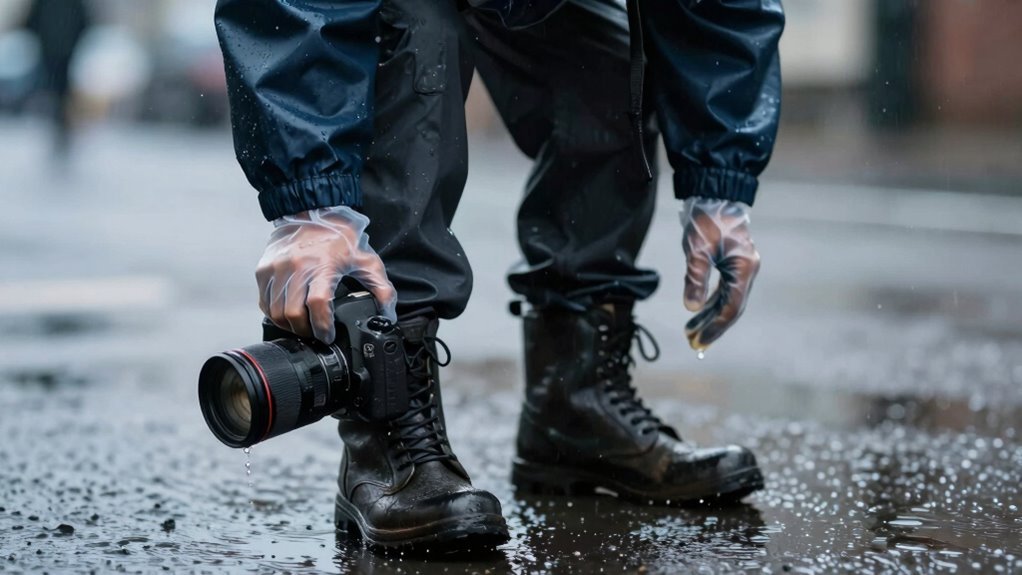
That cotton shirt under your rain jacket? It’s turning into a cold, wet blanket, soaking up sweat and making you shiver. Cotton is a rain gear mistake that makes you colder because it holds moisture instead of wicking it away.
Zipping up too tight traps steam like a sauna, while ignoring vents turns your shell into a clammy fishbowl. This rain gear mistake limits breathability and builds condensation inside.
Wrong base layers and blocked pit zips don’t help—soon you’re chilled to the core. These rain gear mistakes reduce airflow and trap dampness against your skin.
And backpack straps? They’re killing airflow and wrecking your jacket’s magic. By compressing insulation and sealing off vents, they amplify the problem. Fix these rain gear mistakes that make you colder, and you’ll stay cozy, dry, and happily surprised what comes next.
Wearing Cotton Layers Under Your Rain Jacket
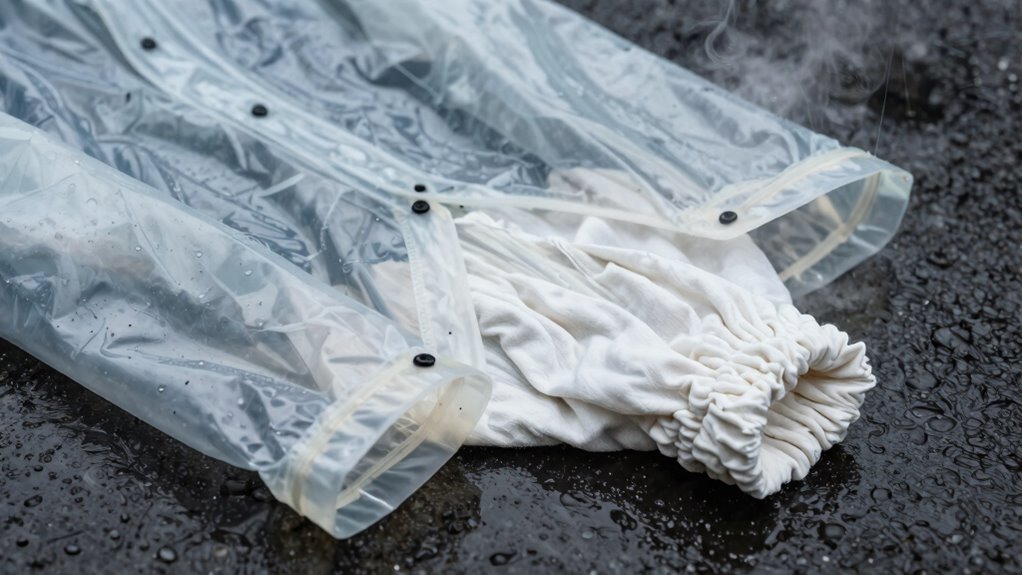
If you’re still reaching for that old cotton tee when the skies open up, you might as well be wrapping yourself in a wet sponge—because that’s exactly what cotton turns into when it gets damp.
It hugs moisture like a sad security blanket, trapping sweat against your skin instead of moving it away.
You end up clammy, chilly, and wondering why you’re shivering under a rain jacket.
Wet cotton quits on insulation fast—once soaked, it’s basically giving cold a VIP pass to your core.
That soggy tee?
It’s not just uncomfortable, it’s risky in cold weather, raising your chances of hypothermia.
Unlike smart synthetics that wick and dry, cotton just sulks in its puddle.
Polyester or wool base layers?
They’ve got your back, keeping you dry and warm even when you’re sweating buckets.
Ditch the cotton habit—your future cozy, dry self will thank you.
These materials are ideal because they provide effective moisture management.
Overheating by Over-Zipping Your Shell
You’ve probably done it—zipped up your rain shell all the way to your chin, feeling like a thermos on a summer hike, only to arrive drenched in your own sweat.
That cozy seal traps heat like a sleeping bag, making your body crank out sweat even if it’s not that warm outside.
Without vents, all that steam builds up, leaves you soggy, and cools you fast when you stop moving—hello, chills!
Instead, stay in control with smart venting:
- Open pit zips – They dump heat fast, and rain rarely gets in.
- Crack the front zipper – A little gap lets steam escape without a draft.
- Use arms to block rain – Stretch them out, turn your jacket into a breathable cape.
Stay loose, stay dry—don’t let your shell turn against you!
This wet feeling often isn’t rain—it’s perspiration or condensation building up inside when heat and moisture meet cooler fabric.
Ignoring Ventilation in Favor of Waterproofing
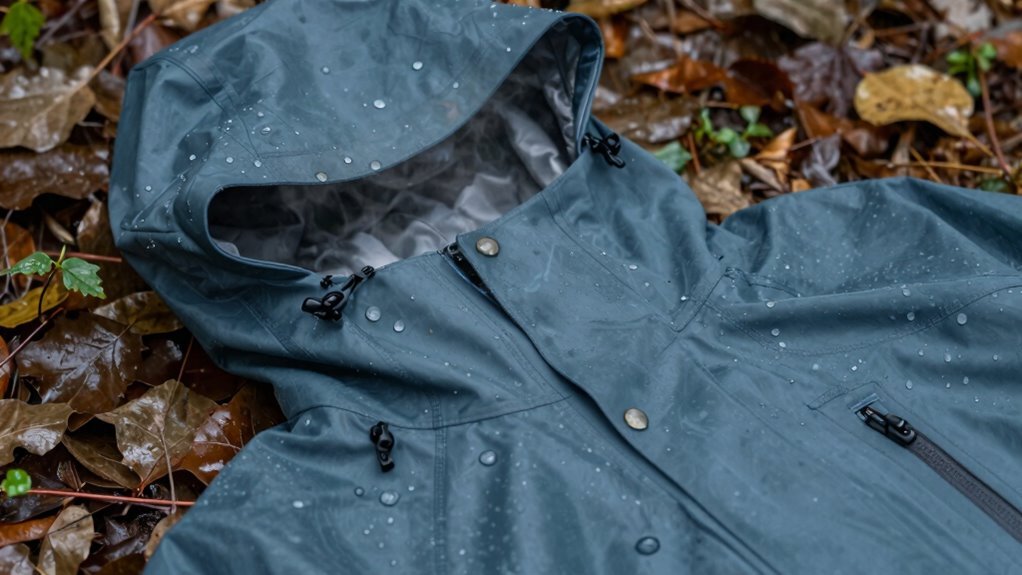
Even when you’re not getting rained on, your jacket might still be to blame for that swampy feeling inside—because letting waterproofing hog all the attention while ignoring ventilation is like locking the doors but forgetting to open a window in a stuffy room.
You’re sweating, heat builds up, and unless your jacket lets steam escape through pit zips or underarm vents, you’re basically marinating in your own moisture.
Sure, the rain stays out, but your sweat can’t get out, turning your shell into a cozy greenhouse. Even high-tech breathable membranes need help—when airflow’s blocked, they can’t do their job, no matter how fancy.
Open those vents, let fresh air swirl through, and stay dry from the inside out. Think of it as giving your jacket a breath mint—because nobody likes a sweaty hug.
The same barrier that blocks rain also moves evaporating sweat through to keep the interior dry, so keeping vents open enhances the jacket’s ability to manage moisture.
Stay smart, stay vented, and keep your cool—literally.
Choosing the Wrong Base Layer for Wet Weather
Ever wonder why you’re shivering halfway up the trail even though you’re not soaked by rain?
Your base layer might be the sneaky culprit.
Cotton feels soft and cozy at first, but once damp, it turns into a cold, heavy rag that sucks warmth right off your skin.
Even if it’s not raining, sweat builds up, and cotton keeps it close—bad news for staying warm.
Nylon and silk look good on paper, but they either trap sweat or fall apart on long hikes.
You need something that keeps you dry from the inside out.
Here’s what works:
- Ditch cotton—it’s a warmth-killer when wet.
- Skip heavy or non-breathable layers that trap moisture.
- Go for merino or polyester—they wick sweat, dry fast, and keep you toasty.
Stay dry, stay warm, and keep grinning on the trail!
Blocking Breathable Zones With Backpack Straps
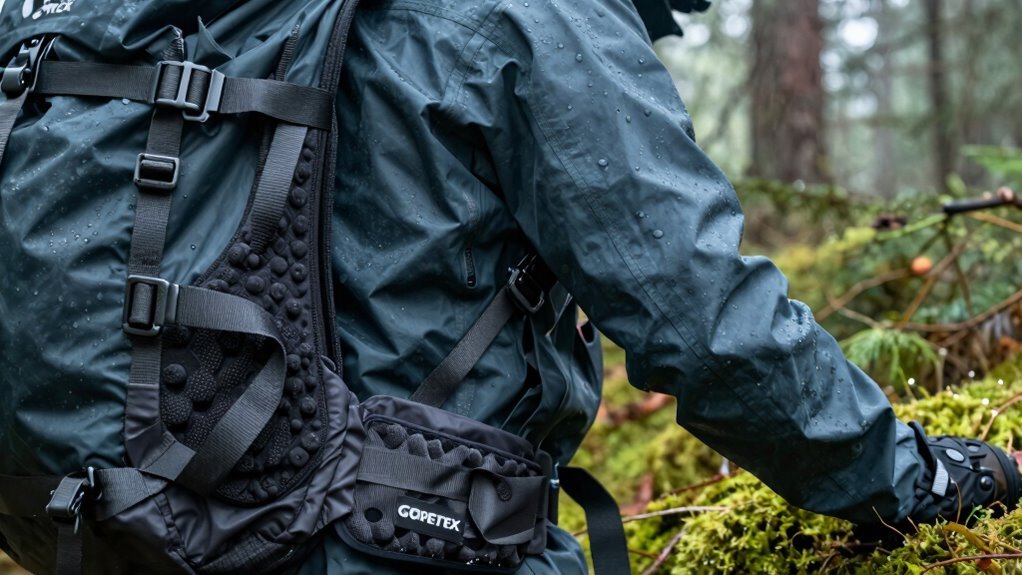
Why do your shoulders feel like they’re swimming in a puddle halfway through your hike?
Chances are, your backpack straps are blocking your rain jacket’s breathable zones.
Those straps rub off the DWR coating fast, so water stops beading and starts soaking in—hello, wet shoulders!
Once the outer fabric saturates, sweat can’t escape, turning your favorite jacket into a clammy sauna.
Even high-breathability fabrics fail when straps smother key areas.
Pit zips? Useless if you can’t reach them.
And while ponchos or clever designs like the Packa create airflow over straps, most jackets just cave under pressure.
Ultralight gear wears down quicker, too.
Skip the swampy surprise—try strap pads or a sil-nylon cape.
Your back (and your mood) will thank you when you stay dry, light, and breezy, no matter how hard it pours.
Frequently Asked Questions
How Often Should I Reproof My Rain Jacket?
You should reproof your rain jacket about once a year if you use it regularly, but crank that up if you’re always out hiking or biking in it.
When water stops beading and starts soaking in?
That’s your cue!
Give it a wash first, then reapply a DWR treatment.
And hey, toss it in the dryer after—heat wakes up the coating like morning coffee.
Easy, peasy, dry and cozy!
Can I Wear a Rain Jacket in the Snow?
Yeah, you can wear a rain jacket in the snow, but it’s not ideal for long outings.
It’ll keep light snow off at first, but the thin fabric soaks through faster than a sponge in a storm.
Once wet, you’ll feel clammy and cold real quick.
For better warmth and durability, grab a tough hardshell instead—your future cozy self will thank you!
Is It Safe to Layer Under a Rain Shell at Night?
You bet it’s safe to layer under a rain shell at night—just pick the right combos!
Toss a synthetic mid-layer under your shell to stay warm, even if damp.
Add fleece for cozy insulation that plays nice with breathable jackets.
Don’t forget a moisture-wicking base layer, and make sure your shell fits over everything.
Zip vents help dump heat so you don’t sweat up a storm.
Stay dry, stay toasty, and own that chilly night like a pro!
Should I Dry My Rain Gear After Every Use?
Yes, you should dry your rain gear after every use—trust me, your jacket will thank you!
Hang it up to air dry, preferably somewhere breezy and out of direct sun.
This keeps the DWR coating happy and ready for action.
Skipping this step? That’s like sending your rain shell into battle sleepy and unprepared.
Plus, damp gear gets stinky fast—nobody wants to smell like a wet dog on day two!
Does Color Affect Rain Jacket Performance in Sunlight?
Yeah, color totally affects how your rain jacket performs in sunlight.
Dark shades like black soak up heat, making you warmer—and sweatier—when the sun’s out.
Light colors reflect rays, keeping you cooler.
But here’s the twist: darker jackets also bake in the sun, speeding up DWR wear.
Conclusion
You’re not losing the battle to the rain—you’re just fighting it in cotton armor, zipped up like a burrito. Picture your jacket as a sweaty greenhouse, steaming from poor vents and backpack-strapped breathability. But hey, swap in a smart base layer, crack those zippers, and let your gear breathe! Suddenly, staying dry *and* warm isn’t magic—it’s just smarter choices. Boom: you’ve won the weather war.
References
- https://www.rei.com/learn/expert-advice/layering-basics.html
- https://www.marmot.com/layering_guide.html
- https://www.stormlinegear.com/ultimate-guide-construction-rain-gear/
- https://backpackinglight.com/forums/topic/32-degrees-base-layers/
- https://www.youtube.com/watch?v=k7ZDHTW0ofg
- https://sectionhiker.com/jackets-pit-zips-effectiveness/
- https://sectionhiker.com/why-do-i-get-wet-inside-my-rain-jacket-2/
- https://outdoorvitals.com/blogs/ovtribe/top-mistakes-backpackers-make-with-puffy-jackets-and-how-to-avoid-them
- https://www.oregonhikers.org/forum/viewtopic.php?t=7196
- https://windrider.com/blogs/tips-and-tricks/how-to-layer-rain-gear-for-cold-weather-fishing-stay-warm-dry