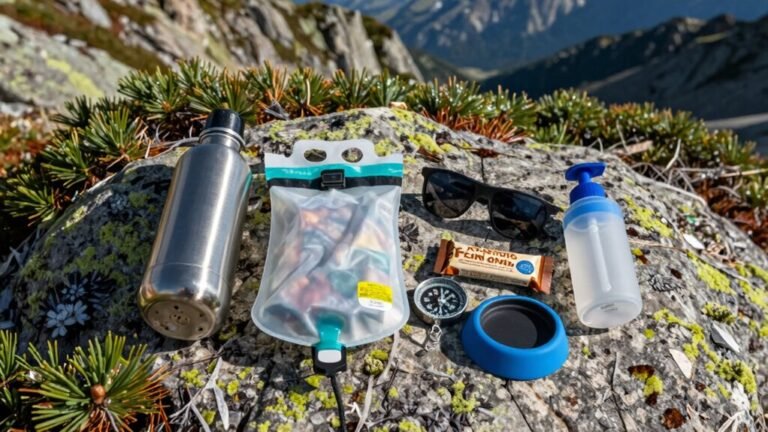
How to Stay Cool on Hot Summer Hikes
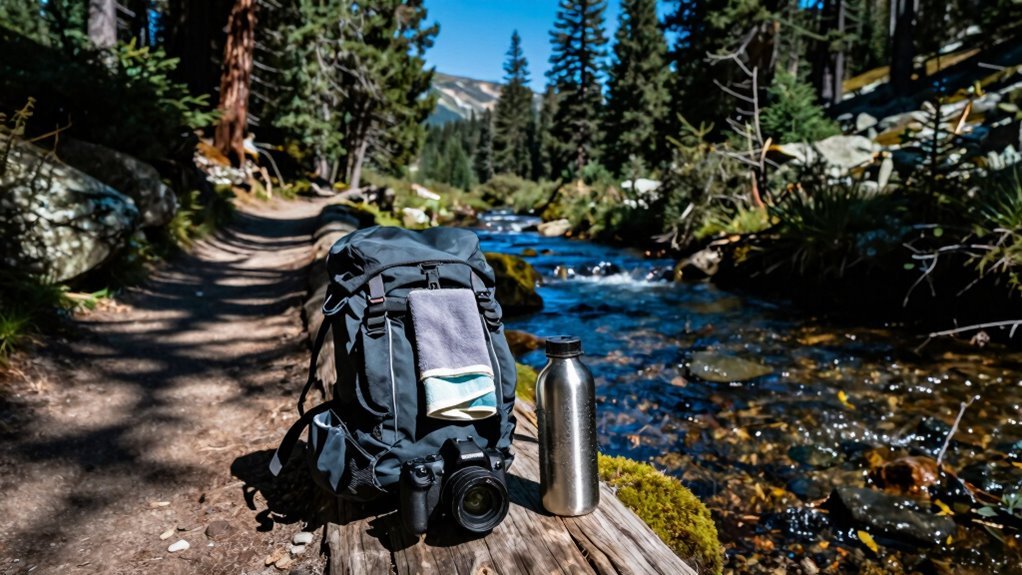
Start early to beat the heat—mornings are cooler and less brutal on your body. This is a great way to stay cool on hot summer hikes while avoiding the peak afternoon sun.
Wear lightweight, moisture-wicking clothes and a wide-brim hat to stay breezy. These help regulate your temperature and protect you from direct sun exposure.
Sip water every 15 minutes and snack on juicy fruits or salty trail mix. Staying hydrated and maintaining electrolytes is key to staying cool on hot summer hikes.
Use cooling gear like damp neck gaiters and take shade breaks to reset. These simple habits can make a big difference in how you feel on the trail.
Reapply sunscreen every two hours, because nobody wants to look like a sun-chipped potato chip. Protecting your skin keeps you safe and comfortable during long summer hikes.
Choose Breathable, Lightweight Clothing
Ever wonder why some hikers look like they’re gliding through summer trails while others are drenched and grumpy just a mile in?
It’s all about what you’re wearing.
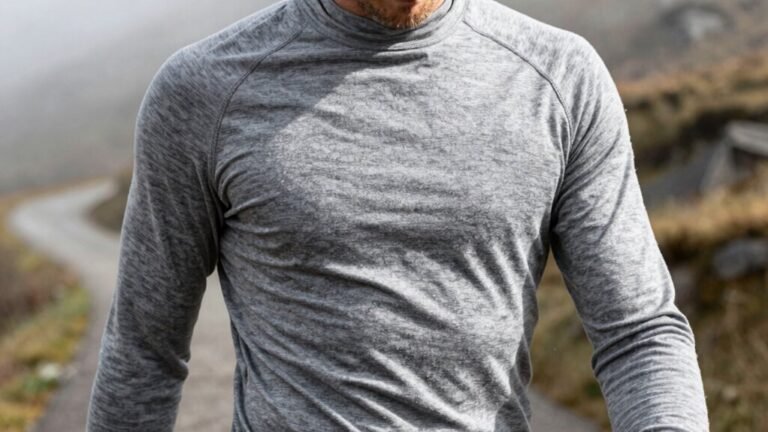
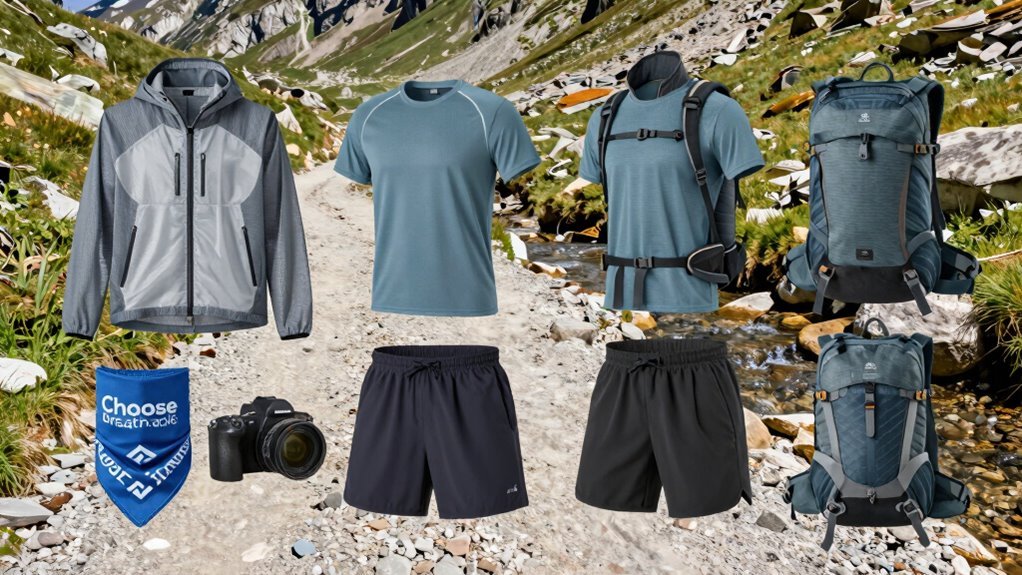
Swap cotton for moisture-wicking fabrics that pull sweat off your skin and let it evaporate—so you stay dry, not soggy.
Lightweight materials like recycled polyester keep things breezy, cut fatigue, and move with you over rocks and roots.
Breathable designs with airy mesh panels boost airflow, helping you cool down naturally while blocking outside moisture.
These smart layers dry fast, resist stink, and won’t weigh you down, even when the heat turns fierce.
Plus, many come with UPF protection and a little stretch—because sunburns and stiff fabric are *not* part of the fun.
Staying cool also means preventing overheating, which moisture-wicking clothing supports by enabling efficient temperature regulation.
Dress smart, feel great, and let your only worry be how to beat that chipmunk to the trail mix.
Start Your Hike Early in the Day
You’ve picked the right gear, now let’s talk timing—because even the best moisture-wicking shirt can’t save you from afternoon sun that feels like a blow dryer set to “sauna.”
Starting your hike early is like hitting the snooze button on summer heat: you wake up to cooler temps, crisper air, and trails all to yourself while the rest of the world’s still brewing coffee.
- Mornings are 10–20°F cooler, with lower humidity and heat index—your body will thank you before noon rolls around.
- UV rays are 50–70% weaker before 10 AM, so you dodge sunburn and glare while soaking in peaceful, shaded paths.
- Early movement boosts endurance and health—think easier breathing, happier muscles, and a 20% lower health risk, all before lunch!
- Even a brisk morning walk counts toward the recommended 150 minutes of moderate activity per week, supporting long-term health and reducing risks of chronic disease.
Beat the heat, not the clock.
Stay Hydrated Before and During the Hike
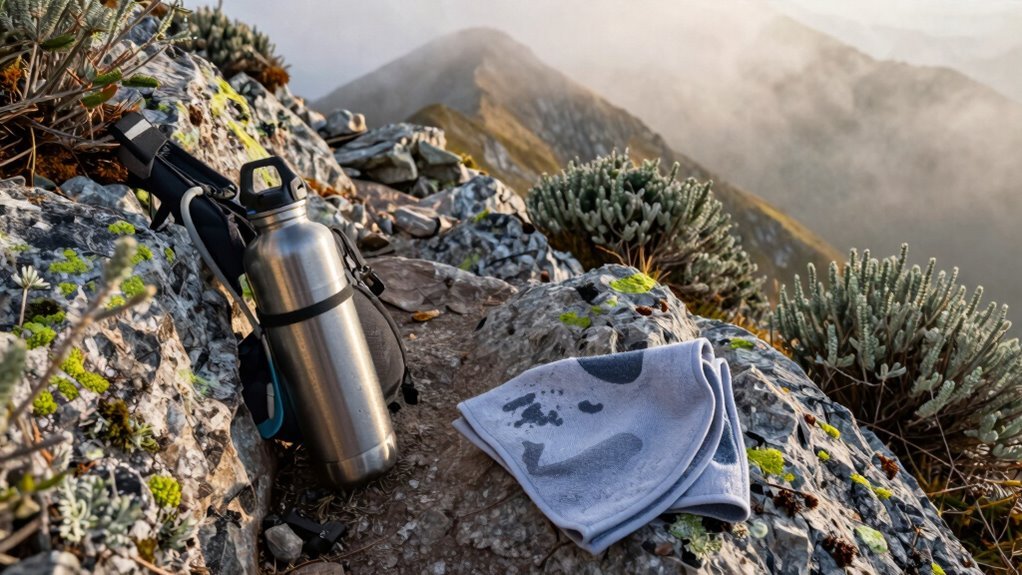
Kicking off your hike well-hydrated isn’t just smart—it’s your secret weapon against the sizzle.
Start sipping water the day before, and aim for 16–20 oz about two hours before you hit the trail.
If your pee’s light yellow, you’re golden; if it’s dark, drink up!
Pre-hydrating helps dodge headaches, nausea, and that “I’m already toast” feeling.
On the trail, sip about a half-liter per hour—more if you’re sweating buckets in high heat.
Your body can’t absorb more than a liter an hour, so chug less, drink often.
For long hikes, grab a sports drink or toss salty snacks like pretzels in your pack to replace lost sodium.
Skip plain water alone for extended hikes—your brain will thank you.
And yep, cold, tasty drinks (think citrus-salt water or chilled coconut water) make gulping down fluids way easier.
Stay ahead of thirst—don’t wait until you’re parched!
Carry electrolyte supplements to maintain balance and prevent cramping during prolonged heat exposure.
Use Cooling Accessories and Gear
A smart hat and a few clever gadgets can turn a sweltering slog into a surprisingly breezy adventure.
You’ve got options that don’t weigh you down but pack serious chill power.
Whether you’re battling desert sun or sticky humidity, the right gear keeps you feeling fresh and frisky on the trail.
- Cooling headwear like the FRACTEL Legionnaire Hat or a damp neck gaiter fights heat and UV rays while letting airflow do its thing
- Sun sleeves and breathable layers such as éclipse Sun Sleeves or a hiking skirt add protection without trapping sweat, so you stay comfy and covered
- Ultralight shade tools, including collapsible sun umbrellas or a wide-brimmed hat, create your own microclimate—because yes, you *can* hike like a desert nomad with style and swagger
Take Frequent Breaks in the Shade

When the sun’s blazing overhead and your shadow’s shrunk to a tiny puddle at your feet, slipping into the shade isn’t just a luxury—it’s your secret weapon.
You’ll feel instantly cooler, like someone hit the pause button on summer’s furnace.
Shade drops your heat perception by a full point, turning “hot” into “warm” and saving your hike from meltdown.
It’s not just about comfort—your heart rate slows, stress melts, and your brain gets a revitalizing reset.
Grab those 20-minute breaks under trees or a trusty umbrella; they slash cortisol and boost mood like nature’s chill pill.
Even artificial shade works as well as a saguaro’s shadow.
Pop it up, kick back against your pack, and let your body recover.
Skip the midday sun when it’s raging, and remember: shade means less water needed, less sweat, and way fewer grumbles.
Stay smart, stay shaded, and hike happy.
Eat Light, Hydrating Snacks
Fueling your hike with the right bites keeps energy up and grumbles down—especially when you’re dodging shade from a relentless sun.
Skip the heavy lunches and go for snacks that hydrate, fuel, and won’t melt into a messy disaster.
Lightweight, water-rich picks do double duty: they quench your cells and keep your mood sunny, too.
Think of your pack as a cool snack bar with options that fight fatigue and replace what sweat steals.
- Fresh fruits like apples, oranges, and cucumbers deliver water, natural sugars, and electrolytes without bruising easily
- Salty trail mix with nuts, pretzels, or jerky swaps lost sodium and gives a protein punch
- Electrolyte chews or GU Tabs boost hydration fast, especially when paired with water and a giggle at your own sweatiness
Recognize the Signs of Heat-Related Illness
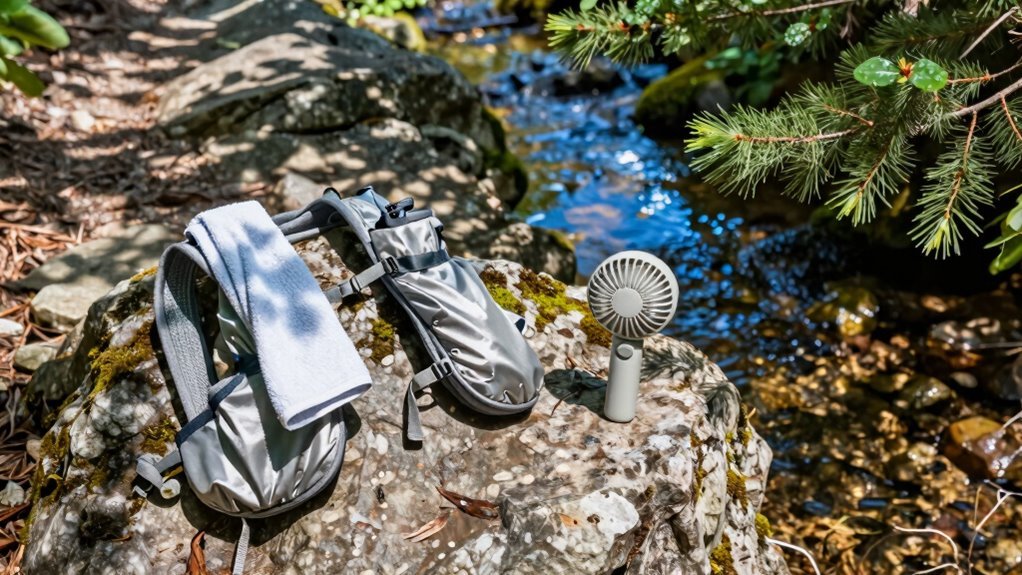
While you’re out there chasing waterfalls and summit views, don’t let the heat sneak up on you like an uninvited hiking buddy.
If you start feeling tired, headachy, or sick to your stomach, that’s your body waving a yellow flag—pay attention!
Heavy sweating, pale skin, dizziness, or muscle cramps? Classic signs of heat exhaustion.
Slow down, find shade, and drink water fast.
Ignoring them could flip the script to heat stroke, and that’s no joke.
Think confusion, nausea, a pounding pulse, and skin so hot and dry it feels like a radiator—especially if your temp’s over 103°F.
Scary? Yep.
Preventable? Absolutely.
You’re tougher than the trail, but even fit hikers can get caught off guard—especially kids, older adults, or anyone with health concerns.
Heat doesn’t mess around; symptoms can hit in under an hour.
Stay sharp, stay cool, and hike smart.
Plan Your Route With Water Sources in Mind
You just dodged heat exhaustion like a pro—now let’s talk about how to keep that momentum going without turning into a dried-up trail snack.
Smart route planning with water in mind keeps you cool, hydrated, and happy on the trail.
Don’t gamble with dry stretches—check guidebooks, apps like FarOut, or trusted resources like AWOL’s Guide to spot reliable springs, streams, and lake outflows.
Fast-moving water away from trails and livestock is your best bet, but always treat it—because no one wants Giardia surprises.
And remember, you’re probably sipping a quart an hour in the heat, so map your miles between sources.
- Scout water spots ahead and refill early
- Carry smart with collapsible bags and canteens
- Treat every drop—you can’t trust “crystal clear” streams
Apply and Reapply Sun Protection
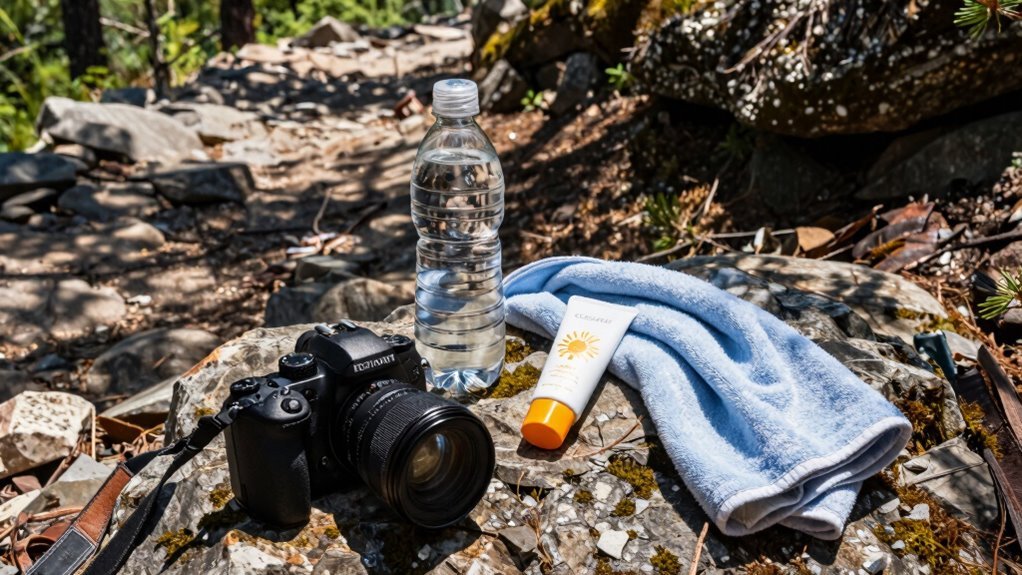
When the sun’s blazing high and you’re halfway up the trail, that little tube in your pack becomes your best friend—don’t wait until you’re pink to reach for it.
Slather on a broad-spectrum SPF 30+ sunscreen 15–30 minutes before hitting the trail so it sinks in right.
Use at least two tablespoons—you’re not spreading jelly, but close!
Reapply every two hours, or sooner if you’re sweating like a marathoner in July.
Even water-resistant formulas wash away with sweat, so don’t skip touch-ups, especially between 10 a.m. and 4 p.m.
High altitude? Desert glare? Reapply even more.
Most people skimp—only 20% apply enough—so be the hero your skin remembers.
Pair it with a wide-brim hat and UV-blocking shades because sunscreen’s great, but teamwork makes the dream work.
Frequently Asked Questions
What Should I Do if I Forget My Hat?
You’ve forgotten your hat? No problem—you’ve still got options!
Tie a bandana or neck gaiter around your head to block the sun, or rig a makeshift hood with a light jacket.
Tuck long hair into your collar for neck coverage, and don’t forget sunscreen on your face and ears.
Bonus: squinting less makes you look mysteriously cool, even when you’re melting inside.
Can I Drink Energy Drinks Instead of Water?
No, you shouldn’t drink energy drinks instead of water—they’re like pouring soda into your car’s gas tank.
Did you know 89% of popular energy drinks contain more sugar and caffeine than needed for hiking?
Swap them for water or sports drinks, which keep you hydrated without the crash.
Save energy drinks for dance-offs, not trail hikes.
You’ll feel stronger, cooler, and way happier!
Is It Safe to Hike During a Heat Advisory?
No, you shouldn’t hike during a heat advisory—it’s like inviting trouble for a trail party.
Temperatures can spike fast, especially below 4,000 feet, and your body might tap out quicker than you think.
Even if you feel tough, heat doesn’t care.
Skip the risky stuff, wait for cooler days, and save your adventure for when the sun’s not throwing punches.
Your future self will high-five you.
How Can I Cool Down My Feet While Hiking?
You cool down your feet by dunking them in streams or wrapping wet bandanas around your ankles—evaporation works like nature’s AC.
Wear breathable, light-colored shoes so air can circulate and heat bounces off.
Pair them with moisture-wicking socks to keep sweat under control.
Take shady breaks often—your tootsies will thank you.
And hey, a surprise foot pool? Call it hiking’s happy hour!
Should I Avoid Hiking if I’m on Medication?
You shouldn’t automatically avoid hiking just because you’re on meds—think of it like bringing an umbrella when the forecast is iffy, not a canceled picnic.
Check labels, ask your doctor, and pack smart.
Drowsy meds? Tackle trails in the cool morning.
Stomach-irritating pills? Eat a snack first.
You’ve got this—just plan like a squirrel with sunscreen: prepared, a little silly, and ready for anything!
Conclusion
Sun’s blazing, sweat’s dripping — but you’re grinning, not grimacing. You’ve got lightweight gear, cool snacks, and smart breaks down pat. Hydrated and shaded, you’re outsmarting the heat like a pro. Sure, it’s hot, but you’re cooler — literally and figuratively. Every step feels earned, every breeze a high-five from nature. Hiking in summer’s not crazy, it’s *awesome* — when you play it right. Now go crush that trail!
References
- https://theoutdoorsoul.net/the-benefits-of-moisture-wicking-clothing-for-summer-hiking/
- https://www.challengerteamwear.com/the-importance-of-lightweight-and-breathable-fabrics-in-sportswear/
- https://warwickshireclothing.com/blogs/news/the-science-behind-breathable-fabrics-how-they-work-and-why-you-need-them
- https://www.rei.com/learn/expert-advice/how-to-choose-hiking-clothes.html
- https://www.heatholders.com/blogs/wow/3-benefits-of-wearing-thermal-layer-clothing-for-outdoor-activities
- https://blog.summithut.com/what-are-the-best-hiking-clothes-for-men-and-women/
- https://hikingworld.net/explore-the-great-outdoors-discover-the-benefits-of-breathable-hiking-fabric-clothing-for-your-next-adventure/
- https://www.spowind.com/blogs/news/the-benefits-of-breathable-fabrics-in-hiking-trousers-for-hot-weather
- https://massivesci.com/articles/exercise-goals-health-lifespan-walking/
- https://pmc.ncbi.nlm.nih.gov/articles/PMC7492403/