Beginner Guide to Insoles
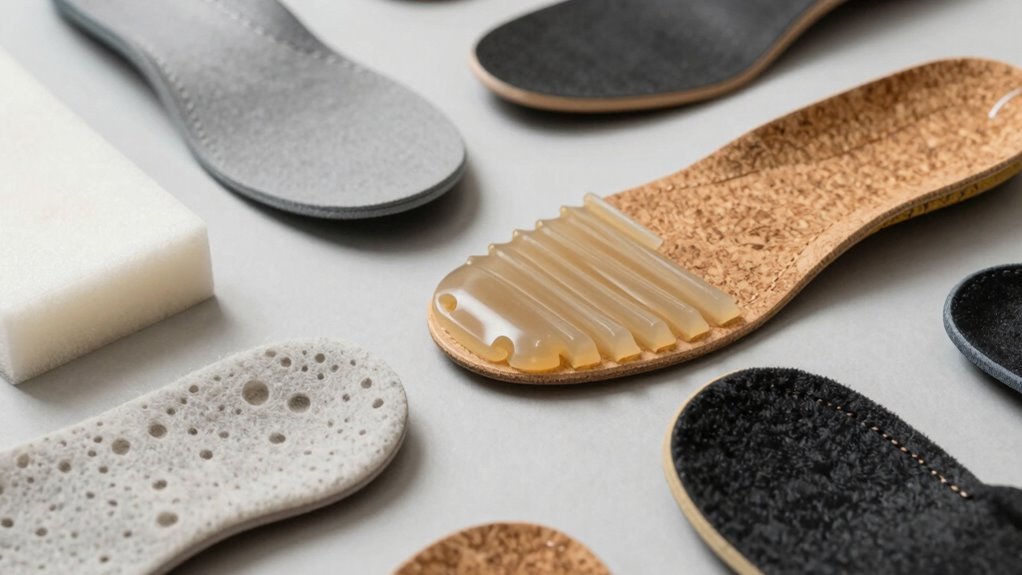
You’ve got tired, achy feet and a closet full of shoes—what’s missing? Insoles! They’re like a personal trainer for your soles, providing support and comfort with every step.
These handy inserts cushion each step, support your arches, and help keep your feet properly aligned. Whether you’re on your feet all day or just want happier toes, the right insole can transform your shoes from clunkers into clouds.
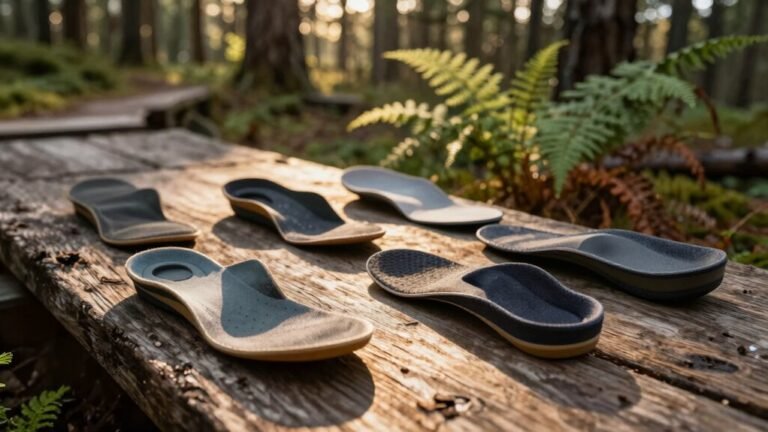
Insoles come in many types, from gel to firm support, designed to match your arch and activity level. Ready to step up your comfort game? There’s plenty more where that came from.
What Are Insoles and How Do They Work?
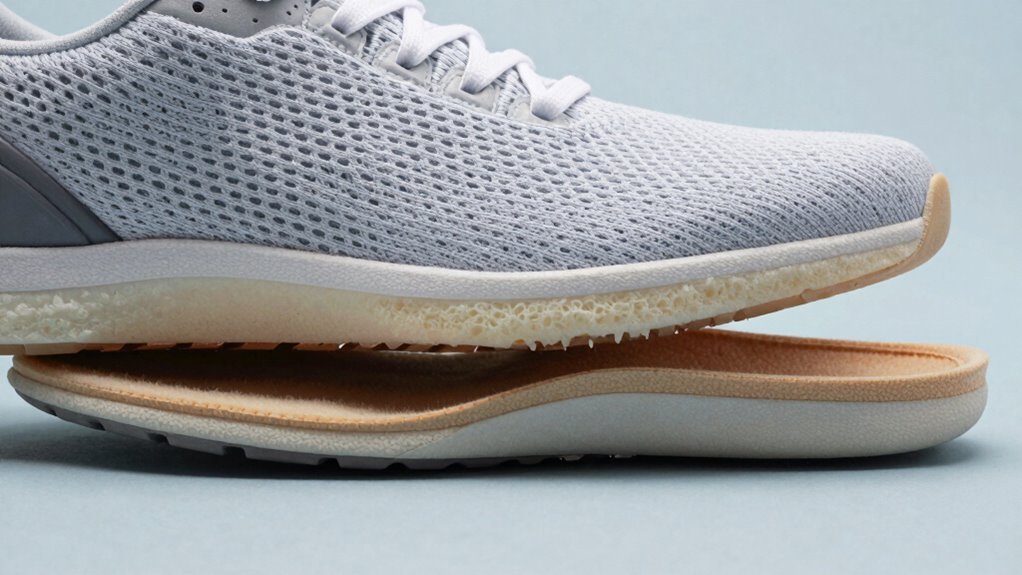
Ever wondered what’s hiding under your feet every time you tie up your sneakers?
It’s probably an insole—your shoe’s secret comfort weapon.
You might know it as a footbed, inner sole, or orthosis, but here’s the deal: it’s that removable layer cradling your foot.
Insoles aren’t just fluff; they cushion every step, absorb shock, and support your arches so your feet don’t throw a tantrum after walking the dog—or the whole block.
They help spread your weight evenly, cut down on friction, and keep your feet in better alignment.
Think of them as GPS for your gait, guiding your feet to move the right way.
Some are basic foam squish, others are firm and contoured like a mini ergonomic throne.
Whether you’re running, standing, or binge-walking through a mall, insoles team up with your shoes to keep you moving smoothly—and way more comfortably.
They’re also used to help manage conditions like plantar fasciitis and foot and joint pain from arthritis.
Common Reasons People Use Insoles
Taking your first step toward happier feet often means giving insoles a shot—especially when everyday aches start crashing your stride.
If you’re dealing with foot, knee, or back pain, it mightn’t be your shoes—it’s likely your feet are out of alignment.
Insoles help realign everything, so you’re not walking like a wobbly table.
Got plantar fasciitis?
Sharp heel pain in the morning?
Insoles can turn that ouch into ahh.
Arthritis, bunions, or even diabetes? Yep, there’s support for that.
Flat feet or sky-high arches?
Insoles bring balance back so you don’t feel like you’re tilting into the Grand Canyon.
Athletes love them for shock absorption and injury prevention, while long hours on your feet become way more bearable.
They reduce pressure, ease strain, and keep joints happy—because let’s be honest, nobody likes a grumpy knee.
Regular use leads to long-term relief rather than temporary respite.
Types of Insoles: Cushioning vs. Support
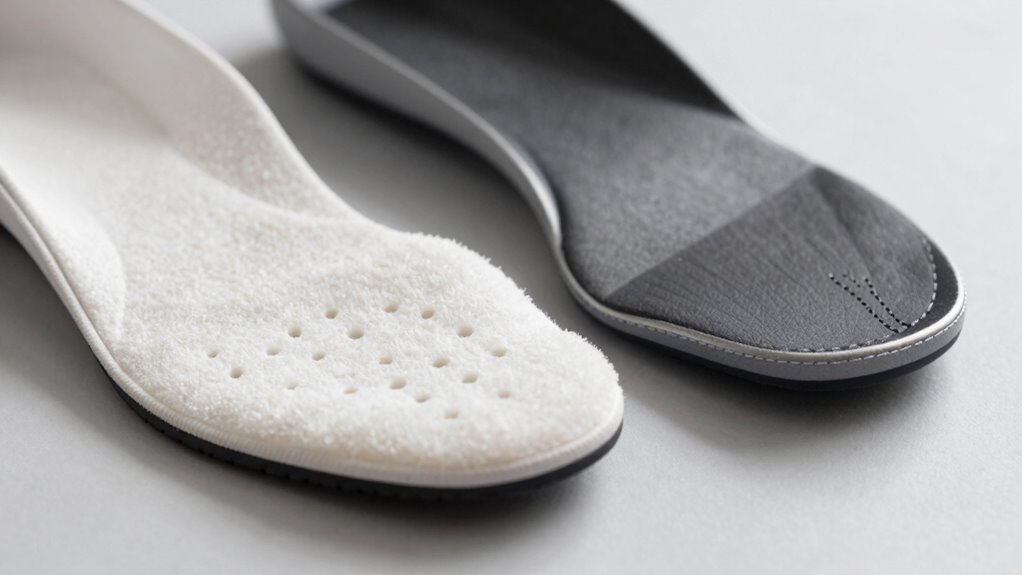
Why do some insoles feel like walking on clouds while others firm up your every step like a good pair of running shoes?
Well, it all comes down to cushioning vs. support.
Cushioning insoles are soft, squishy pals made of foam or gel that hug your feet and absorb shock—great for quick comfort, but they often flatten out in about a month.
Support insoles, though? They’re the sturdy teammates made from firm materials like EVA or carbon fiber. They don’t just feel nice—they actually align your feet, support your arches, and last way longer, even through hikes or long runs.
Cushioning is like a cozy blanket for your soles; support is like a personal trainer for your feet.
One’s soft and sweet, the other’s strong and smart—so pick your foot’s new BFF wisely!
Proper fit and support start with the shoe’s last, which determines how well the insole can work to maintain alignment and prevent arch collapse.
Understanding Arch Support: High, Low, and Neutral Arches
While your feet carry you through miles of adventures, their arch type plays a starring role in how comfortably they do it.
Whether you’re sprinting toward a bus or just strolling through the mall.
- Low arches? Your foot flattens out, rolls inward (hello, overpronation!), and needs firm support to stay stable and happy.
- Neutral arches? Lucky you! You’ve got balanced alignment and even weight distribution—just keep that support coming.
- High arches? You’re rigid and bouncy, prone to rolling outward—extra cushioning will help cushion those landings.
- Arch problems can lead to plantar fasciitis, shin splints, or even knee and back pain—no fun!
- Matching your insole to your arch type isn’t just smart—it’s a foot-saving superpower in disguise. Your feet will thank you when every step feels like a breeze instead of a battle.
Materials Used in Insoles and Their Benefits
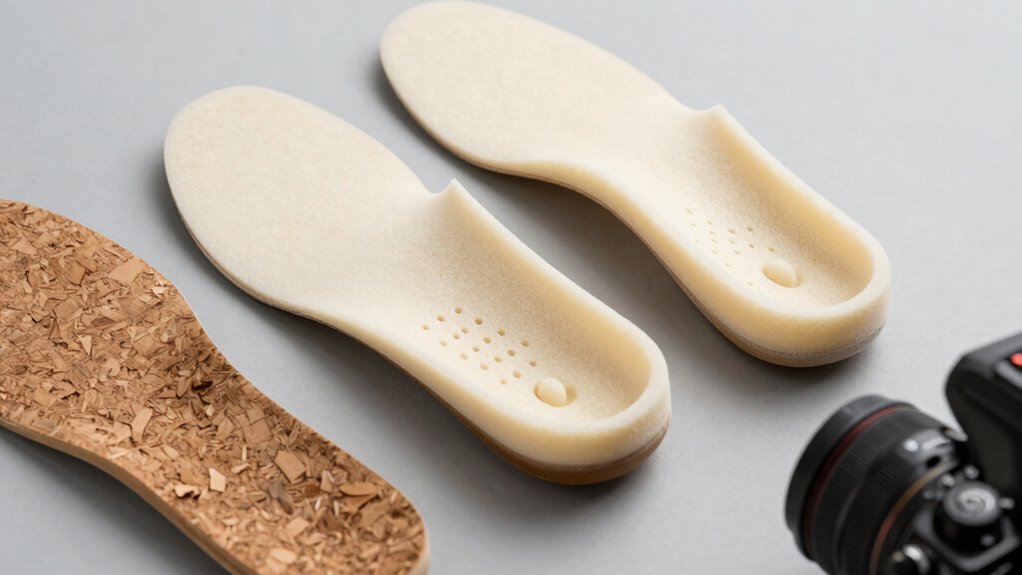
Now that you’ve got the lowdown on your arch type—whether you’re flat-footed, perfectly balanced, or high-arched and bouncy—it’s time to talk about what really goes into making an insole work for *you*: the materials.
Gel insoles absorb shock like a champ, perfect if you’re on your feet all day or love high-impact fun.
Foam ones, especially EVA or memory foam, hug your feet with lightweight cushioning and support.
Cork molds to your foot over time—nature’s custom fit—and wicks moisture so your feet don’t turn into swamps.
Leather? It’s classy, breathable, and keeps things dry and odor-free, like a spa for your soles.
Carbon fiber may sound like race-car tech, but it’s light, strong, and gives you stability without the bulk.
You’ve got options—whether you need springy bounce, firm support, or plush comfort, there’s a material ready to upgrade your step.
Your feet will thank you—promise.
How to Measure Your Feet for the Right Fit
Ever wonder why some insoles feel like they were made just for your feet—while others turn every step into a battle? The secret’s in the fit, and that starts with measuring right.
Your feet aren’t just small or large—they’ve got unique shapes, arches, and widths that matter.
Get the best match by taking a few smart steps:
- Trace your feet on paper while standing to capture real size
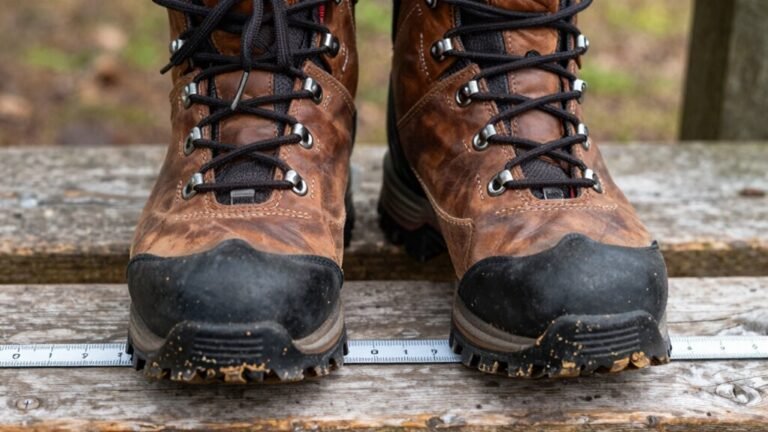
- Measure from heel to longest toe, and size up if you’re between numbers
- Check the width at the ball of your foot—yes, one foot’s probably bigger!
- Use your current best-fitting insole or shoe for a trusted length reference
- Try the wet test to see if you’ve got flat, high, or medium arches
A little measuring now saves sore feet later—plus, it means insoles that feel like they getyou. Who knew your feet could have soulmates?
Choosing Insoles for Different Shoe Types
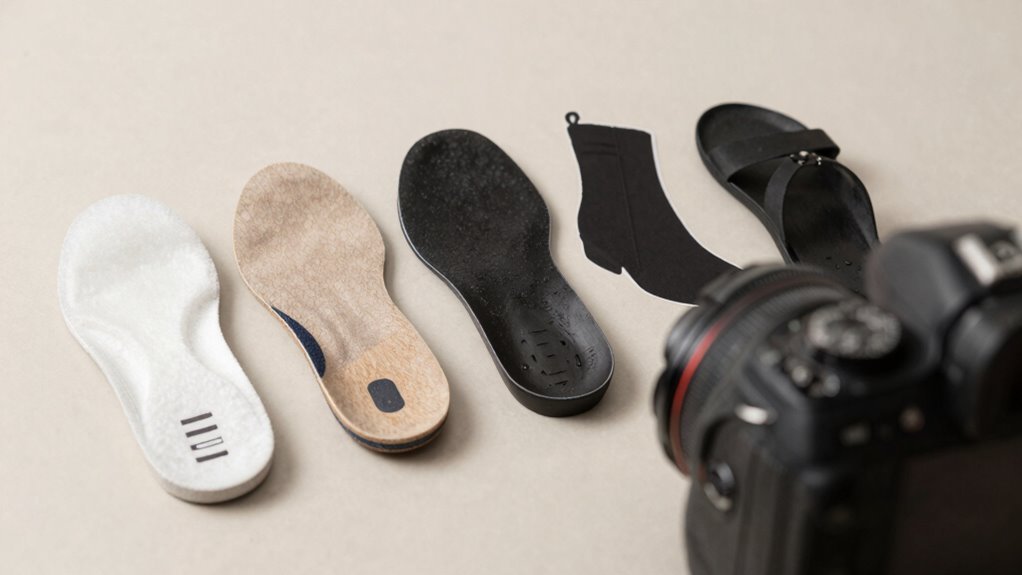
Where do your feet land when your shoes call for backup—cloud-like comfort or rock-solid support?
If you’re hitting the trails, go for high-volume insoles that match your hiking or running shoes—they’re thick, supportive, and perfect for high arches.
Rocking casual kicks or gym gear? Medium-volume insoles strike the sweet spot between cushioning and fit, adapting to most arch types without crowding space.
Got snug cycling shoes or ski boots? Low-volume insoles are thin but tough, giving support without the squeeze.
Dressing up? SlenderFit or 3/4-length insoles slip smoothly into heels and loafers, adding comfort without bunching.
And in tight cleats or performance gear, short, firm inserts—like carbon fiber or slim gel—deliver support without sacrifice.
Your shoe type decides the insole game—play it right, and every step feels like a win!
Insoles for Specific Activities: Walking, Running, and Standing
Whether you’re pacing the pavement, pounding the track, or planted on your feet all day, the right insoles don’t just cushion your soles—they power your performance.
Swap generic inserts for activity-specific insoles and feel the difference in every step.
- Walk smarter: Textured, vibrating, or carbon fiber insoles cut impact and boost balance, especially as you age.
- Run faster: Running insoles slash injury rates and up your speed—yes, comfort *and* performance can improve together.
- Stand longer: Firm, cushioned insoles turn aching feet into happy feet, especially if you’re on your feet 8+ hours.
- Match the activity: Your feet don’t lie—switch insoles like you’d switch shoes for sports or work.
- Smile more: Less pain, more pep—literally. Happy feet mean fewer coffee breaks just to sit down.
Signs You Might Need Custom Insoles
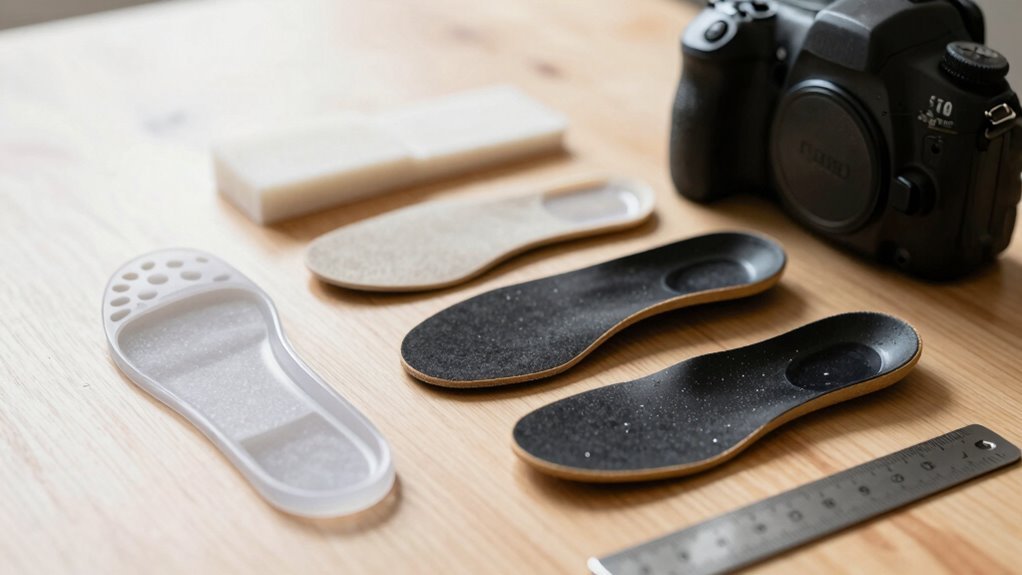
What if the ache in your feet after a long day isn’t just tiredness—but your body waving a little red flag?
If you’re feeling pain in your arches, heels, or the balls of your feet, especially when walking or standing, it’s time to listen.
Sharp heel pain could mean plantar fasciitis, while flat feet or high arches might be throwing your whole system off.
Do your shoes wear out on one side?
That’s not fashion—it’s a sign you’re not evenly distributing weight.
Past injuries or conditions like arthritis or diabetes also make custom insoles a smart move.
They don’t just cushion—they support, align, and stabilize.
Think of them as a personal trainer for your feet!
If pain lasts more than a week, don’t shrug it off.
Custom orthotics could be the game-changer your feet have been begging for.
How to Care for and Replace Your Insoles
While your insoles work hard every day to keep your feet happy, they won’t last forever—so showing them a little love goes a long way!
Treat them right, and they’ll keep supporting you mile after mile.
- Clean them monthly with a damp cloth or hand wash with mild soap—think spa day, not deep clean!
- Always air dry—never toss them in the dryer unless you want tiny, sad insole bricks.
- Check for cracks, flattening, or weird smells—your nose knows when it’s time to say goodbye.
- Swap pairs if you can; giving them a break keeps both fresher longer.
- Replace every 6–12 months, or sooner if your feet start complaining—don’t ghost your arches!
Your feet will thank you with happy steps and fewer ouch moments!
Frequently Asked Questions
Can I Wear Insoles With Orthotics?
No, you shouldn’t wear insoles with orthotics—just swap them out.
Your orthotics replace the original insoles for better fit and support.
Stickin’ both in?
That’s like double-parking your feet—awkward and messy.
It can throw off alignment and cause slipping or discomfort.
Ditch the factory insole, slide in your orthotic, and let it work its magic.
Your feet will thank you, promise!
Do Insoles Expire if Not Used?
Nope, insoles don’t just “expire” if you don’t use ’em—think of ’em like sneakers in hibernation!
Just keep them in a cool, dry spot, away from crazy heat or dampness, and they’ll stay fresh for years.
Sunbaked garages? Not so much—those’ll warp foam and ruin the fun.
Store ’em smart, and your spares’ll be raring to go when needed.
No mold, no flat spots—just happy feet waiting to happen!
Are Insoles Safe for Children?
Yes, insoles are safe for children.
Picture a 5-year-old, Maya, hopping on the playground after getting medial-wedge insoles—she stopped tripping and now runs like a tiny tornado!
Studies show kids using insoles for flatfeet or intoeing don’t get hurt, feel less pain, and move better.
Some custom types cause mild fussiness, but most? Smooth sailing, no monsters under the bed.
Can I Transfer Insoles Between Shoes?
You can totally switch insoles between shoes—just make sure the sizes match perfectly.
It’s like giving your feet the same cozy upgrade, no matter the pair.
Slip them in and out easily, especially if the shoe types are similar, like sneaks to sneakers.
Just ditch the old insole first, keep things dry, and voilà—step in comfort.
Your soles will throw a party every time you walk!
Will Insoles Fix Flat Feet Permanently?
No, insoles won’t fix flat feet permanently—you’d need magic slippers for that!
But they do help by supporting your arches and aligning your feet so you feel better fast.
Think of them like training wheels, not a full rebuild.
They reduce pain, improve how you walk, and protect your body from strain over time.
You’ll stand taller, move easier, and stay comfy all day—just don’t expect them to reshape your skeleton!
Conclusion
You’ve got this! Insoles aren’t magic, but hey, they’re close—think of them as tiny cheerleaders for your feet. They cushion, support, and align just right, turning painful steps into happy hops. Now that you know your arch from your heel, you can pick the perfect pair like a pro. So go ahead, step out with confidence—your soles (and smile) will thank you!
References
- https://en.wikipedia.org/wiki/Shoe_insert
- https://zero-sole.com/blogs/news/what-are-insoles
- https://www.aideastep.com/what-is-the-purpose-of-shoe-insoles/
- https://www.wh.com.sg/ForPatientsVisitors/healthlibrary/Pages/Foot-insoles-when-do-I-need-a-pair.aspx
- https://powerstep.com/blogs/news/orthotics-vs-insoles-what-s-the-difference
- https://treadlabs.com/blogs/insoles-reach-your-stride/what-are-insoles-and-how-do-they-help
- https://protalus.com/blogs/blog/what-is-the-purpose-of-shoe-insoles
- https://www.drscholls.com/blogs/expert-advice/the-difference-between-orthotics-insoles-and-shoe-inserts
- https://baileyinstruments.co.uk/blogs/news/using-insoles-in-podiatry-an-overview
- https://www.thepodiatrygroup.com/2025/06/06/top-5-reasons-to-switch-to-personalized-shoe-inserts/