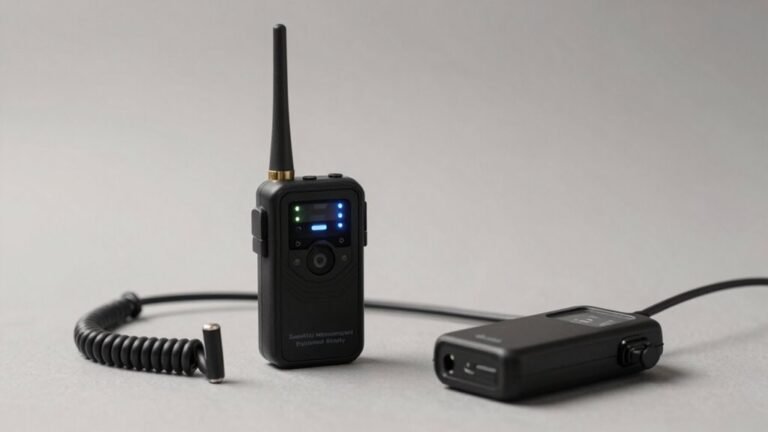
5 Best Satellite Messengers for Hiking When Off the Grid
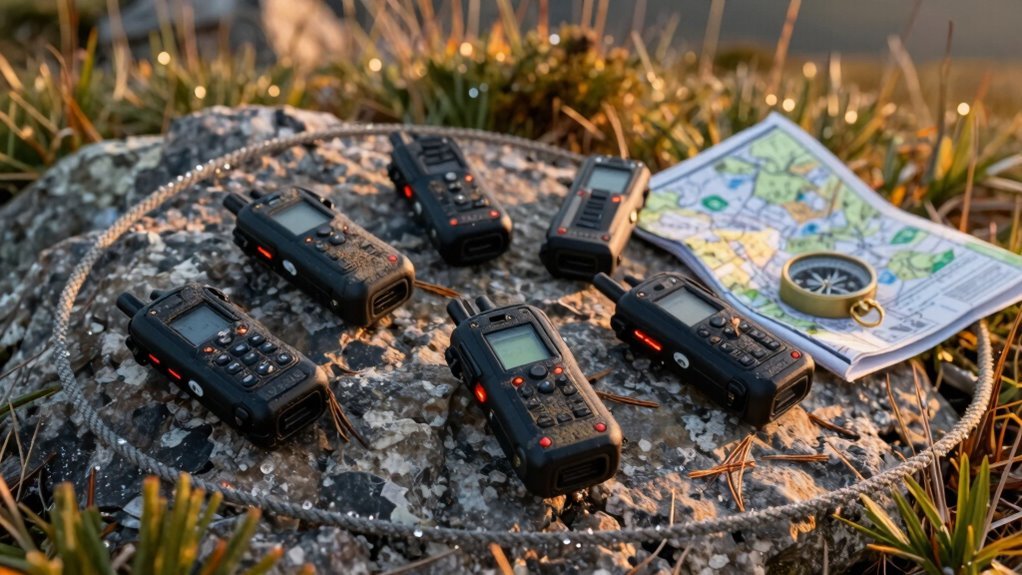
You’re out past cell range, battery’s at 30%, and the trail’s fading—do you trust your satellite messenger to get a text out, call for help, or share your GPS within 30 seconds? When you’re off the grid, a reliable satellite messenger can be a lifeline, making it essential to choose the right one for your hiking adventures.
Devices like the Garmin inReach Mini 2 offer a 14-day battery life and an IPX7 rating, promising durability and performance in tough conditions. However, satellite messengers vary in size, battery life, and subscription costs, so it’s important to weigh these factors carefully.
Each device balances SOS capabilities, two-way messaging, and power efficiency differently. Knowing which satellite messenger fits your backcountry priorities could mean the difference between a close call and a full-blown crisis.
| Garmin inReach Messenger Satellite Communicator |  | Best Overall | Two-Way Messaging: Yes, via Garmin Messenger app | SOS Capability: Interactive SOS to Garmin IERCC | GPS Location Sharing: Share GPS location with contacts | VIEW LATEST PRICE | Read Our Analysis |
| Spot X 2-Way Satellite Messenger |  | Budget-Friendly Pick | Two-Way Messaging: Yes, with cellphone sync and dedicated number | SOS Capability: S.O.S. to 24/7 Search & Rescue | GPS Location Sharing: Transmits GPS coordinates via Globalstar | VIEW LATEST PRICE | Read Our Analysis |
| Spot Gen 4 Satellite GPS Messenger |  | Essential Safety Pick | Two-Way Messaging: Yes, basic two-way communication | SOS Capability: SOS with GPS coordinates to responders | GPS Location Sharing: Sends GPS coordinates to family or rescue | VIEW LATEST PRICE | Read Our Analysis |
| ZOLEO Satellite Communicator – Global SMS SOS GPS | 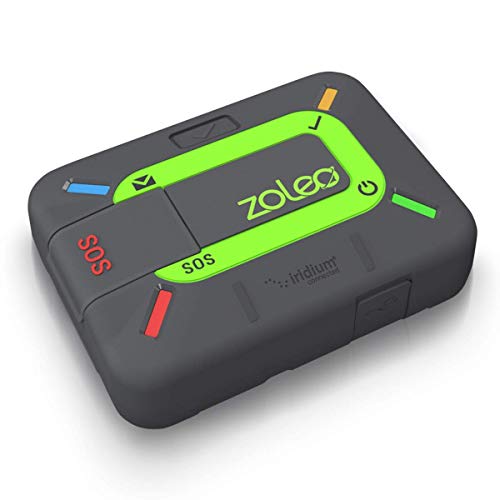 | Best Value | Two-Way Messaging: Yes, via satellite, cellular, or Wi-Fi | SOS Capability: SOS to 24/7 monitoring center | GPS Location Sharing: GPS in messages, check-ins, and waypoints | VIEW LATEST PRICE | Read Our Analysis |
| Garmin inReach Messenger Plus Satellite Communicator |  | Premium Choice | Two-Way Messaging: Yes, including text, voice, and photo | SOS Capability: Interactive SOS to Garmin Response℠ | GPS Location Sharing: Live tracking and location sharing | VIEW LATEST PRICE | Read Our Analysis |
More Details on Our Top Picks
Garmin inReach Messenger Satellite Communicator
If you’re the kind of hiker who ventures beyond cell range but still wants to stay connected—whether to coordinate pickups, share real-time GPS pings, or quietly reassure family that you haven’t been abducted by bears—the Garmin inReach Messenger Satellite Communicator is your most practical lifeline.
You’ll send and receive two-way texts globally via the Garmin Messenger app, even tag multiple contacts in group messages, or fire off preset check-ins (they don’t count against your message limit—handy, right?). When things go sideways, triggering an SOS connects you directly to Garmin’s 24/7 IERCC monitoring center, which actively coordinates emergency support—assuming you’ve kept your satellite subscription active.
You can share your exact GPS location on demand, and the device optimizes message delivery by switching between cellular and satellite networks to save battery. It pairs seamlessly with select smartphones, Garmin wearables, handhelds, and marine units, so your gear stays in sync.
The internal lithium battery lasts up to 28 days in 10-minute tracking mode—impressive, though you’ll need that subscription live for full functionality. Sure, some regions restrict satellite devices, so you’ve got to check local rules unless you fancy surrendering your lifeline at customs.
- Two-Way Messaging:Yes, via Garmin Messenger app
- SOS Capability:Interactive SOS to Garmin IERCC
- GPS Location Sharing:Share GPS location with contacts
- Subscription Required:Active satellite subscription required
- Battery Life:Up to 28 days (10-min tracking mode)
- Smartphone Pairing:Pairs with select smart devices
- Additional Feature:Preset messages for quick check-ins
- Additional Feature:Integrates with Garmin Explore app
- Additional Feature:Safety charging for depleted phones
Spot X 2-Way Satellite Messenger
The Spot X 2-Way Satellite Messenger stands out as a solid pick for hikers who want more than just emergency signaling—they need real two-way communication in remote areas where cell service quits. 24/7 access to search-and-rescue, with confirmation when help is on the way, gives you peace of mind that not every device delivers.
You can text anyone, anywhere via satellite—even email or phone numbers—thanks to Globalstar’s network. With Bluetooth, you’ll sync to your phone for easier typing.
It’s chunkier than the Garmin (6.54 inches, 7 oz), but you get a dedicated U.S. mobile number and real back-and-forth during emergencies. Sure, 3.9 stars from 711 reviews isn’t perfect—some complain about delays—but when you’re off-grid, isn’t reliable messaging worth a few quirks?
- Two-Way Messaging:Yes, with cellphone sync and dedicated number
- SOS Capability:S.O.S. to 24/7 Search & Rescue
- GPS Location Sharing:Transmits GPS coordinates via Globalstar
- Subscription Required:Subscription applicable
- Battery Life:Not specified, depends on usage
- Smartphone Pairing:Syncs via Bluetooth to cellphone
- Additional Feature:Comes with dedicated US mobile number
- Additional Feature:Includes SOS mirrored sticker
- Additional Feature:Standalone operation without phone
Spot Gen 4 Satellite GPS Messenger
You’re deep in the backcountry, miles from a cell tower, when storm clouds roll in—this is where the Spot Gen4 shines, broadcasting your GPS location over Globalstar’s satellite network even when your phone’s useless.
You press the SOS button, and within minutes—typically 5 to 10—it relays your exact coordinates to emergency responders, no cell plan needed.
While it doesn’t support two-way texts like the Spot X, it does offer six message types (including “Help” and “I’m OK”), tracking as frequent as every 2.5 minutes, and a simple, rugged design that fits in a palm.
You’ll need a subscription—two plans available—but hey, when was the last time your smartphone worked in a downpour 10 miles from trailhead?
- Two-Way Messaging:Yes, basic two-way communication
- SOS Capability:SOS with GPS coordinates to responders
- GPS Location Sharing:Sends GPS coordinates to family or rescue
- Subscription Required:Subscription required
- Battery Life:Not specified, uses replaceable batteries
- Smartphone Pairing:No smartphone pairing mentioned
- Additional Feature:No cell service required
- Additional Feature:Ideal for kids’ backpacks
- Additional Feature:Two service plan options
ZOLEO Satellite Communicator – Global SMS SOS GPS
Who wouldn’t want a pocket-sized link to civilization—backed by a $99 device and a $20 monthly plan—that taps into the Iridium satellite network for global SMS, SOS, and GPS when trails go off-grid? You’ll stay connected via satellite anywhere, though you do need a paired smartphone—no stand-alone texting here.
With IP68-rated toughness and over 200 hours of battery life, ZOLEO handles harsh backcountry use while routing messages through satellite, Wi-Fi, or cellular (whichever’s cheapest). Your SOS alerts go to a 24/7 center with precise GPS coordinates, and you can even share regular check-ins or get weather updates.
Optional Global Rescue membership adds medical evacuation coverage—like insurance for emergencies you hope you never need.
- Two-Way Messaging:Yes, via satellite, cellular, or Wi-Fi
- SOS Capability:SOS to 24/7 monitoring center
- GPS Location Sharing:GPS in messages, check-ins, and waypoints
- Subscription Required:Service plan required
- Battery Life:Over 200 hours
- Smartphone Pairing:Pairs with Android and iOS smartphones
- Additional Feature:IP68 rugged durability rating
- Additional Feature:Supports weather forecasts
- Additional Feature:Long 900-character messages
Garmin inReach Messenger Plus Satellite Communicator
Need reliable off-grid communication without sacrificing ease of use? The Garmin inReach Messenger Plus has you covered with two-way text (up to 1,600 characters), photo sharing, and 30-second voice messages—plus SOS access to Garmin Response℠, 24/7.
You’ll love how it auto-switches from Wi-Fi or cellular to satellite when out of range. Pairing with compatible Garmin watches lets you stay in control without pulling out your phone.
Live tracking, TracBack navigation, and course highlights make route management simple. With IPX7 water resistance and up to 25 days of battery life, it’s built for real adventures.
Though yes, you’ll need an active subscription (obviously).
- Two-Way Messaging:Yes, including text, voice, and photo
- SOS Capability:Interactive SOS to Garmin Response℠
- GPS Location Sharing:Live tracking and location sharing
- Subscription Required:Active subscription required
- Battery Life:Up to 25 days (10-min tracking mode)
- Smartphone Pairing:Pairs with compatible smartphones via app
- Additional Feature:Send photo and voice messages
- Additional Feature:TracBack navigation to start point
- Additional Feature:Course highlight with distance info
Factors to Consider When Choosing a Satellite Messenger for Hiking
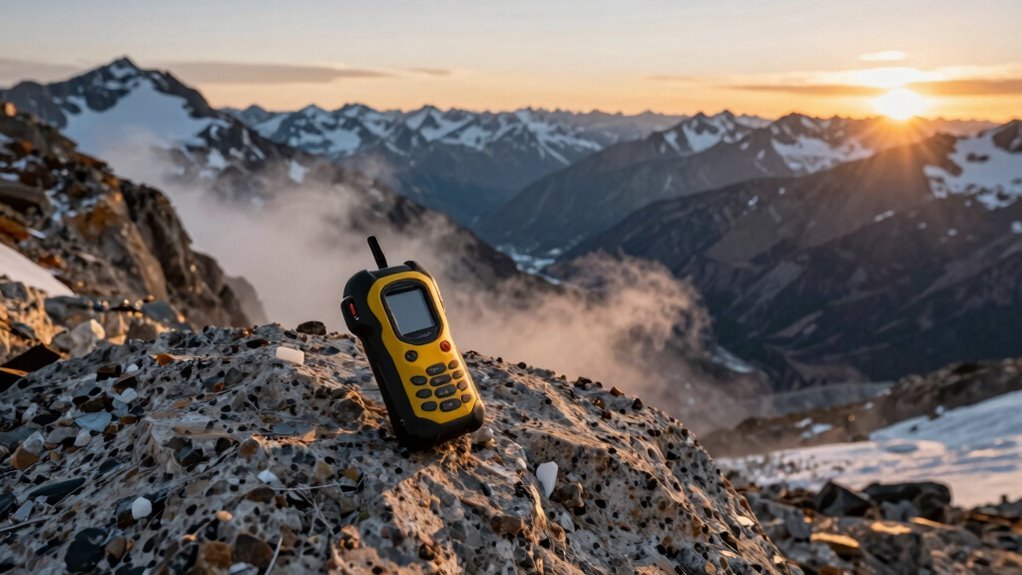
You’ll want to think about coverage and connectivity first—after all, what good is a satellite messenger if it can’t reach a network when you’re off-grid in the Rockies or backcountry Alaska? Battery life matters just as much, especially if you’re out for days (or weeks), with models offering anywhere from 72 hours to over 30 days on standby—just don’t expect GPS tracking the whole time. And while messaging, durability, and emergency features like SOS response might seem straightforward, would you really trust your weekend summit attempt—or peace of mind—to a gadget that skimps on any one of them?
Coverage and Connectivity
Ever wonder why your satellite messenger works in the middle of the Alaskan wilderness but not along a remote stretch of the Patagonian plateau? It all comes down to coverage—some devices rely on regional satellite networks like Globalstar, which leave gaps in polar or southern regions.
Others tap into the Iridium constellation for true global coverage, pole to pole. You need that seamless reach if you’re trekking off-grid anywhere on Earth.
Your device uses satellite signals, not cell towers, to send SOS alerts, texts, and GPS coordinates—even when your phone shows zero bars. Some models smartly switch to cellular or Wi-Fi when available, falling back to satellite automatically.
But remember: a subscription plan is non-negotiable; it enables messaging, tracking, and emergency features. Without it, your gadget’s just a pricey paperweight.
Battery Life and Efficiency
How long can your satellite messenger actually last when you’re miles from the nearest outlet? A lot depends on how you use it—some models deliver 25 to 28 days on a single charge when sending 10-minute tracking pings, but that runtime drops fast with frequent messaging.
Most rely on internal lithium batteries, which degrade over time and drain quicker in cold or rugged conditions—so durability indirectly affects efficiency. You’ll get better battery life from devices that use hybrid connectivity, switching to cellular or Wi‑Fi when available and saving satellite use for true backcountry zones.
Some claim multi-week tracking endurance, while others tout hundreds of hours in standby or mixed-use modes, but real-world results vary. You’re not always going to remember to power it down between check-ins, right? Choose a model whose efficiency matches your habits—not just ideal lab conditions.
Messaging Capabilities
While deep in the backcountry, your satellite messenger becomes your lifeline—so it’s worth asking if it can actually say what you mean, when you need to. You’ll want two-way texting over satellite, which most models support via a companion app or direct interface.
This allows you to message any cell number or email globally—handik when you’re out beyond cell towers. Some devices let you send photos or 30-second voice notes, though don’t expect Instagram quality—bandwidth’s tight.
Texts top out around 900 to 1,600 characters, so no novels, but enough for updates or help requests. Preset messages save time and don’t eat your monthly limit.
Group texting keeps everyone in the loop without extra effort. Cross-device syncing means you can start a chat on your phone and finish it on the trail.
It’s not texting like home, but with the right setup, it’s close enough to stay connected when it counts.
Durability and Design
You’ve got your messages out—short, clear, and on target—even when miles from a cell tower. But what about the device doing the heavy lifting in rain, snow, or a dropped-in-the-dirt moment?
You need a rugged build with an IP68 or IPX7 rating, so it survives dust storms, accidental dunkings, or sleet without blinking. Look for a chassis tough enough to handle a 6-foot drop—because let’s be honest, terrain trips us all.
Temperature tolerance between -30°C and 60°C ensures it won’t quit in alpine cold or desert heat. A long-lasting internal battery (think 200+ hours standby) keeps you covered on weeklong treks, especially with low-power tracking modes.
Opt for models with carabiner clips, sturdy straps, and buttons you can press with gloves—because fumbling with gear in a storm is no joke.
Emergency Response Features
When seconds count, your satellite messenger had better do more than just ping a location—it needs to kick off a real, coordinated rescue, and fast. Hit SOS, and the device should alert a 24/7 monitoring center that doesn’t just shrug—nope, they spring into action.
They contact local rescuers with your GPS coordinates down to within 10 meters (usually accurate). You can even chat back-and-forth during crises—imagine explaining it’s a sprained ankle, not a bear mauling, while help’s en route.
Some models let you access medical advice for non-life-threatening issues too—because nobody wants a helicopter for mild dehydration. And once help’s dispatched? You’ll get confirmation updates—not just for you, but for worried contacts waiting at home.
Sure, no gadget replaces good judgment, but when disaster strikes, would you really trust carrier pigeons instead?
Frequently Asked Questions
How Long Does the Battery Last on Standby?
It lasts up to 30 days on standby, so you can rely on it even when you’re not using it much. You’ll stay connected without constantly charging, giving you peace of mind during long trips where power’s hard to find.
Can I Use It on International Hikes?
You’re set for global trails—most models play nice overseas. Just flip on satellite mode, and you’re chatting from remote peaks or jungle paths. Check coverage maps, though, so you don’t lose signal in the middle of nowhere.
Are There Kid-Friendly Satellite Messenger Options?
Yes, you can find kid-friendly satellite messengers. You’ll want one that’s lightweight, easy to use, and has GPS tracking. You can set safe zones and get alerts, so you’ll always know your child’s location during outdoor adventures.
Do I Need a Subscription to Send SOS?
Yeah, you need a subscription to send an SOS—most devices won’t activate emergency services without an active plan. But don’t worry, plans are affordable and often let you pause or cancel anytime, so you’re not locked in when you’re not hiking.
Can Multiple Devices Connect to One Messenger?
Yes, you can connect multiple devices to one messenger. Your phone and tablet pair via Bluetooth, so you can send messages or share your location from any linked device. Just make sure they’re all signed into the same account and within range.
Conclusion
So, you’re lost in the backcountry—no bars, no help, just you and a sky full of satellites. These messengers? They’re lifelines, not luxuries. Whether it’s the inReach Mini’s 100-hour battery, SPOT X’s rugged simplicity, or ZOLEO’s phone-linked ease, each balances SOS access, GPS tracking, and real-world reliability. Sure, none replace common sense—but when things go sideways (and they will), wouldn’t you rather have one?